❌

Reading view

Polymarket saw $600 million in election trades after the elections were over

Prediction market boosters often tout the platforms as barometers of public opinion, or even “truth machines” offering a clearer picture of where things are headed than polling or other data. In 2024, for example, Kalshi beat many pollsters in forecasting the outcome of the US presidential race. But their trading activity can also tell more perplexing stories.

Two global election markets on Polymarket’s offshore platform, for instance, generated over $600 million in trading volume, far more than most political markets typically attract. Most of the activity took place buying and selling contracts tied to long-shot candidates who ultimately did not win.

This summer, Ethiopian Prime Minister Abiy Ahmed’s Prosperity Party cruised to victory in federal elections, winning 438 parliamentary seats and paving the way for him to serve another five-year term. The closest competitor won 13 seats. On prediction markets, trading volume—the total value of contracts bought and sold—typically tracks roughly with the odds of a given outcome; frontrunners attract far more volume than long shots. But in this case, the trading patterns deviated sharply from the norm. Just $173,000 was wagered on Ahmed winning, compared to more than $41 million traded on his chief of staff, Shimelis Abdisa, becoming the country’s next leader. Altogether, the volume traded added up to over $285 million, nearly all on losing candidates.

Read full article

Comments

© https://www.gettyimages.com/detail/news-photo/in-this-photo-illustration-the-polymarket-logo-is-seen-news-photo/2230669636
  •  

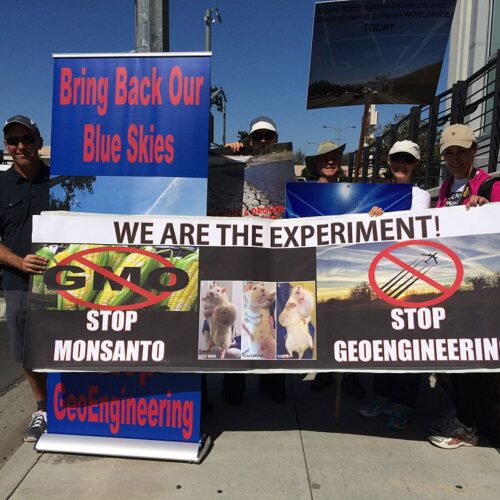
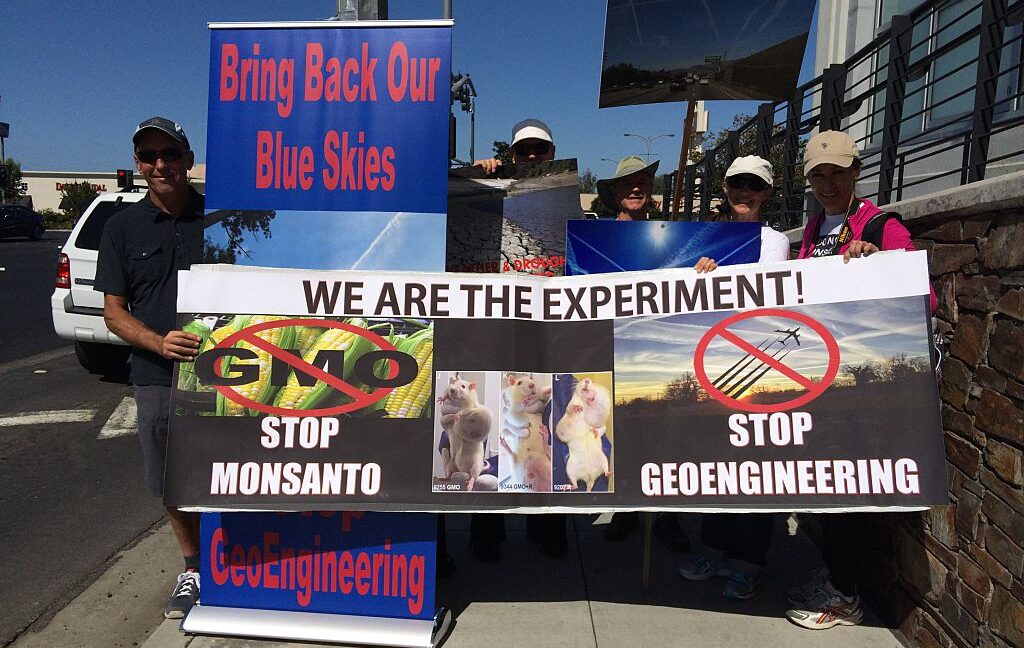
They war-gamed dimming the Sun. It went even worse than you think.

When it comes to deciding the fate of the planet, Colleen Golja always thought science and reason would have a seat at the table. That was until one morning last September in London, when the climate researcher took part in the first in a series of war games. The goal: to prevent an uncontrolled global race to develop a technology aimed at cooling the planet but that comes with vast, unknown risks that could reshape life on Earth.

“I thought that would be such an easy thing. Like, we can all agree to do ethical research and make sure it's for the better of all humans,” she told WIRED. “And boy, was I wrong.”

The simulation, titled Exploring Geopolitical Tipping Points and Climate Cooling Strategies, saw a couple dozen foreign-relations experts, scientists, military personnel, and former government officials from across the world convene in a meeting room at Queen Mary University of London. After making introductions over coffee and little yogurts, they sat at tables arranged in a square with the name of the country or organization each person was playing: national governments, climate NGOs and nonprofits, indigenous groups, and tech companies. Golja was assigned to provide technical advice to help participants make scientifically literate decisions.

Read full article

Comments

© Lisa Werner / Contributor

  •  

Mistral says "Le Chonk" can challenge the best AI models

As tensions mount over who gets access to top-end artificial intelligence, French company Mistral has released a new freely available model that it claims can compete with the very best from the US and China.

The new 1 trillion-parameter model, Mistral Large 4—nicknamed Le Chonk—can be used and customized by anyone. It’s currently available in preview, with a final version to follow by the end of the month. Though Le Chonk is built to compete with leading general-purpose models, it’s optimized specifically for coding and cyberdefense, as well as tasks particular to manufacturing, finance, electrical engineering, and other niches.

“There are a lot of areas where the other labs will not focus that much,” Guillaume Lample, cofounder and chief scientist at Mistral, tells WIRED. “There are so many domains in which you can improve models.”

Read full article

Comments

© Mistral / Benj Edwards

  •  
❌