Reading view

Superworms could replace beetles for cleaning skeletal remains

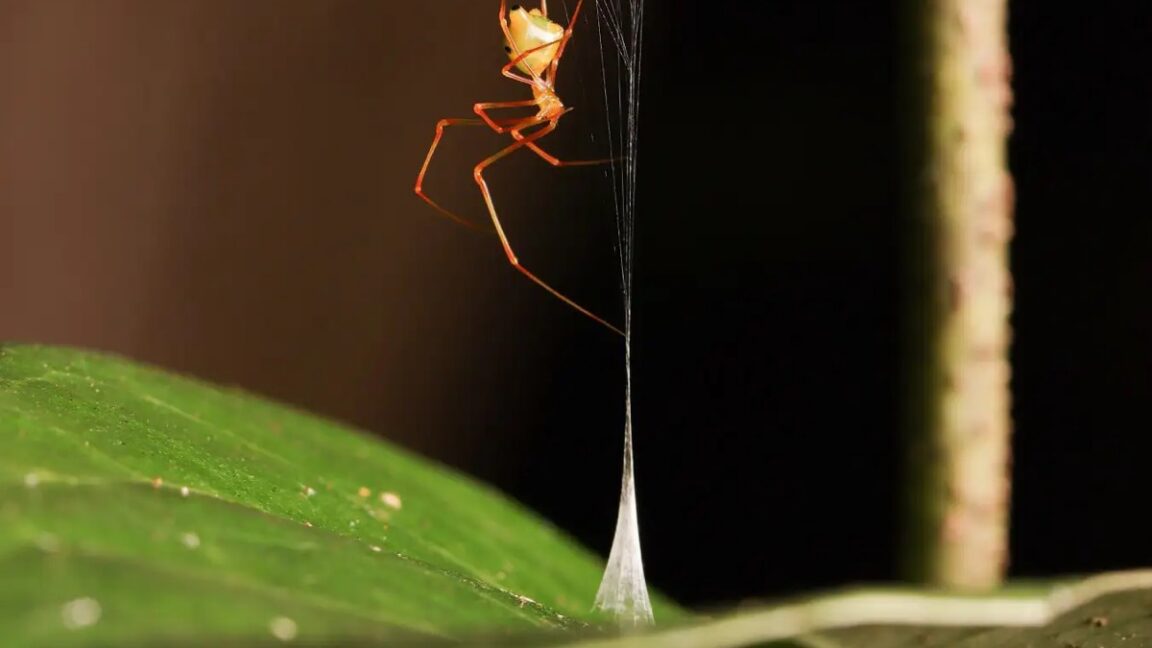
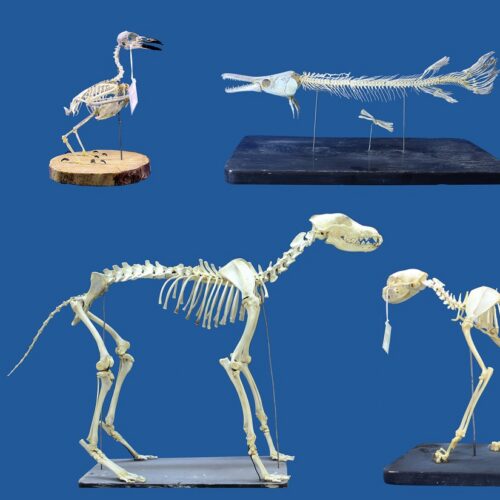
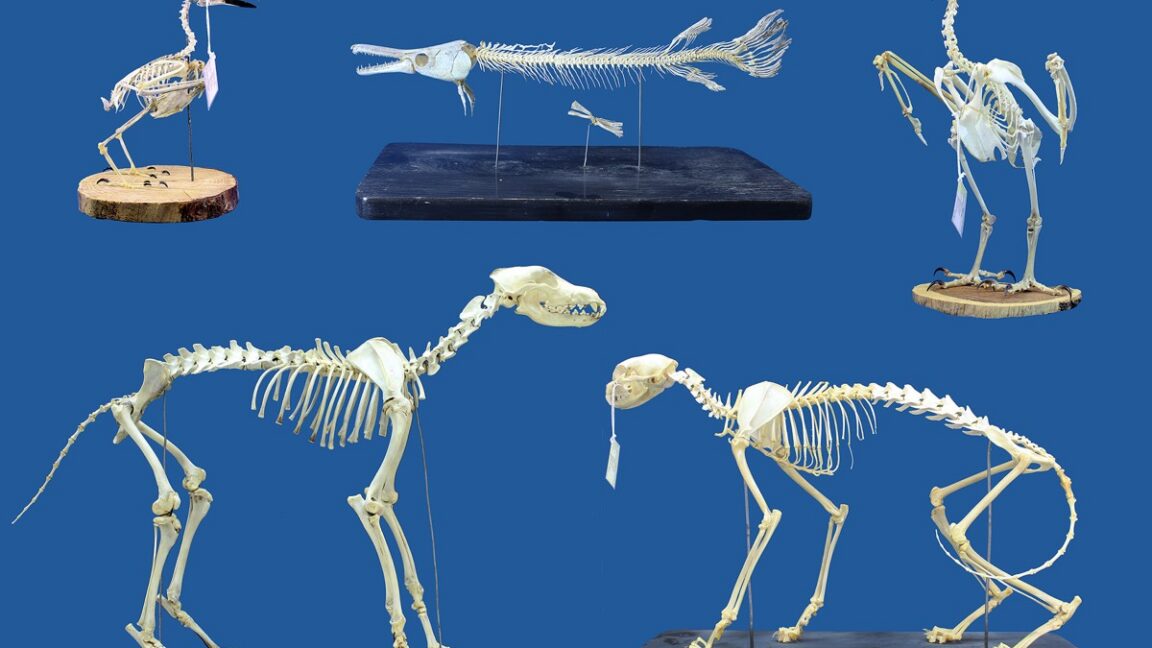
Fatemeh Rastekar, Niloofar Alaei Kakhki and Morteza Monfared discuss the safe and practical utility of superworm larvae for cleaning museum specimens. Credit: Anthony Lewis, PLOS/CC-BY 4.0

Preparing skeletal specimens for display in museums or for forensic studies requires the bones to be thoroughly cleaned to remove any remaining flesh or soft tissue. However, the need for thorough cleaning must be balanced against the risk of damaging the actual bones. According to a new paper published in the journal PLoS One, the larvae of so-called "superworms" (Zophobas morio)—a common pet food—offer a practical alternative.

There are existing methods for cleaning skeletal remains, such as burial, digestive enzymes, or chemical treatments. But most have drawbacks, including damaging bones, taking a long time to process, having expensive operational costs, or the use of environmentally hazardous substances. Using dermestid beetles has become the preferred method for skeletal cleaning since they can efficiently remove soft tissue without damaging the bone. The downside is that without strict containment practices, the beetles can escape and lay eggs that hatch, leading to infestations that threaten museum collections.

Fatemah Rastekar of Ferdowsi University of Mashhad in Iran and co-authors thought superworms might bring the same benefits as the beetles without the risk of infestation. For one thing, beetle colonies span all life stages and hence require complex containment; superworm cleaning only requires the larval stage, which lasts 10–12 weeks compared to just five to seven weeks for the beetles. And the larvae don't pupate in crowded conditions, so it's easier to manage the colonies while reducing the risk of escape. But could superworms match the cleaning efficiency of their rival beetles?
Read full article

Comments

© Rastekar et al., 2026, PLOS One/CC-BY 4.0

  •  

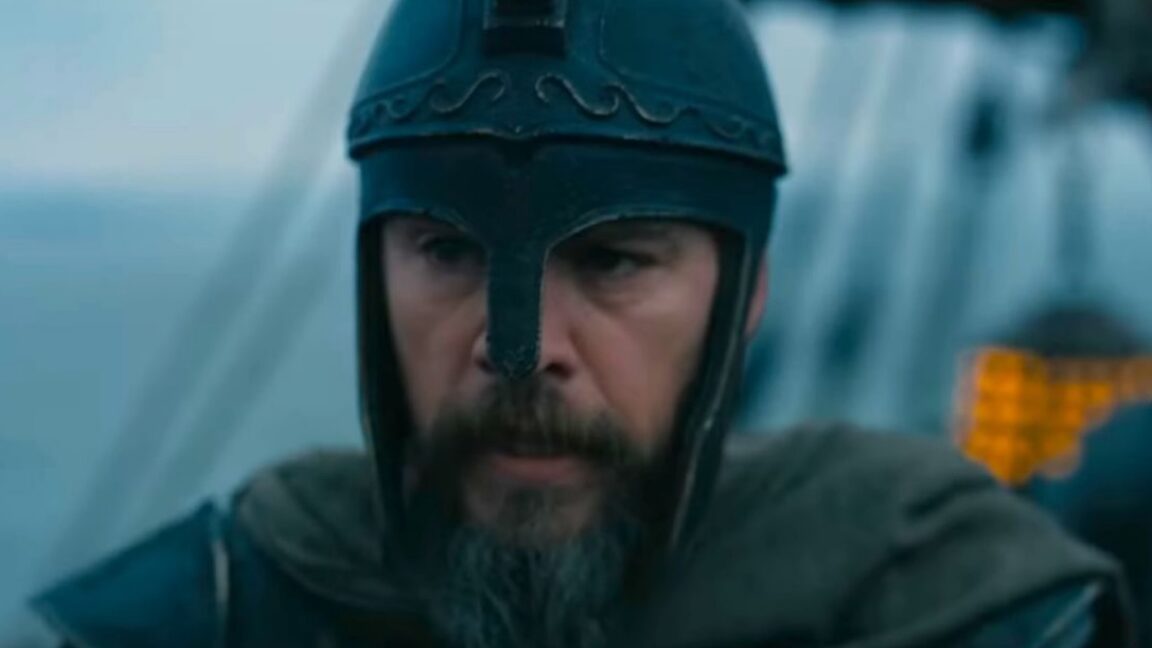
Ithaca's king defies the gods in final The Odyssey trailer

We're counting down the days until the release of Christopher Nolan's The Odyssey, and Universal Pictures has released one last trailer to keep anticipation high.

Most of us read some version of The Odyssey in high school, so we’re familiar with the story: Odysseus, legendary Greek king of Ithaca, begins the long journey home after 10 years of fighting in the Trojan War. But the journey doesn't go smoothly, as Odysseus and his men encounter the cyclops Polyphemus, the Sirens, and an enchantress named Circe, among other obstacles. Meanwhile, Penelope, his long-suffering wife, wards off hundreds of suitors eager to usurp Odysseus’ position.

Matt Damon stars as the wandering Ithacan king. The cast also includes Anne Hathaway as Penelope; Tom Holland as Odysseus’ son, Telemachus; Robert Pattinson as Antinous, one of Penelope’s many suitors; Jon Bernthal as the Spartan king, Menelaus; Benny Safdie as the Achaean commander during the Trojan War, Agamemnon; John Leguizamo as Odysseus’ faithful servant, Eumaeus; Himesh Patel as his second-in-command, Eurylochus; Will Yun Lee and Jimmy Gonzales as crew members; and Mia Goth as Penelope’s maid Melantho. We also have Zendaya as Athena, Charlize Theron as Circe, and Lupita Nyong’o in a dual role: both Helen of Troy and Helen's sister, Clytemnestra.

Read full article

Comments

© YouTube/Universal Pictures

  •  

June research roundup: 6 cool science stories we almost missed

It’s a regrettable reality that there is never enough time to cover all the interesting scientific stories we come across. So every month, we highlight a handful of the best stories that nearly slipped through the cracks.  June’s list includes insight into the science of soccer's scissors feint; the physics of poo's distinctive coiled shape; a boron buckyball; and the latest breakthrough in the ongoing Vesuvius challenge to decipher the Herculaneum scrolls.

The science of soccer's scissors feint

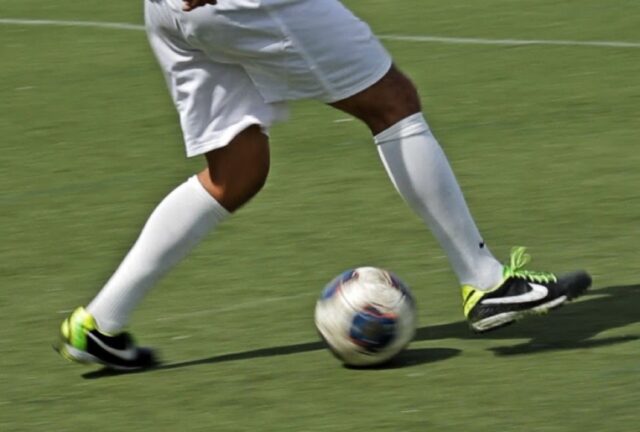
close up of a soccer player's legs on the field as player performs the scissors feint Credit: Screenshot/YouTube/Howcast

With the FIFA World Cup in full swing, even scientists' thoughts are turning to soccer (or football for everyone else in the world). For instance, one common and highly effective dribbling maneuver is the "scissors feint," in which a player uses the outside of their feet to fake going one way and then cutting to the other. Japanese scientists studied university and junior high school soccer players of varying skill levels to study dribbling dynamics, focusing on the scissors feint. The movements were captured with high-speed cameras.

Read full article

Comments

© Pranav Joshi

  •  
❌