❌

Reading view

TP-Link problems in US grow amid FCC router ban and four state lawsuits

TP-Link is facing more legal troubles in the US as Florida and three other states filed lawsuits alleging that it lied to consumers about its connections to China and the risks of its routers being exploited by Chinese state hackers.

The lawsuits were filed yesterday, about six months after the Federal Communications Commission announced a sweeping ban on consumer-grade routers produced wholly or partly outside of the US. Numerous router makers have obtained exemptions to the ban, but the Trump administration so far has not granted one to TP-Link.

Router makers that received exemptions include Netgear, Asus, Adtran, Amazon and its Eero subsidiary, Calix, Nokia, SpaceX's Starlink division, and others. For now, TP-Link is unable to sell its latest Wi-Fi 8 routers in the US, though models approved before the ban can still be sold.


Read full article

Comments

© TP-Link

  •  

Paramount completes $111B Warner merger, creating “Skydance” behemoth

Paramount Skydance completed its $111 billion merger with Warner Bros. Discovery today, after a last-ditch effort to block the deal was rejected by Supreme Court Justice Elena Kagan.

The post-merger company is called Skydance, taking the name of a firm that Paramount bought in a separate deal last year. The new Skydance combines two of the largest movie studios, streaming services Paramount+ and HBO Max, CBS, CNN, "and a portfolio of live sports including CBS Sports and TNT Sports, as well as a deep programming library and expansive collection of brands and franchises," Skydance said today in a press release announcing completion of the deal.

The merger was delayed a bit by a lawsuit filed by California and 11 other states. In July, US District Judge Araceli Martínez-Olguín in the Northern District of California ruled that the combination would likely reduce competition substantially and violate antitrust laws.

Read full article

Comments

© Getty Images

  •  

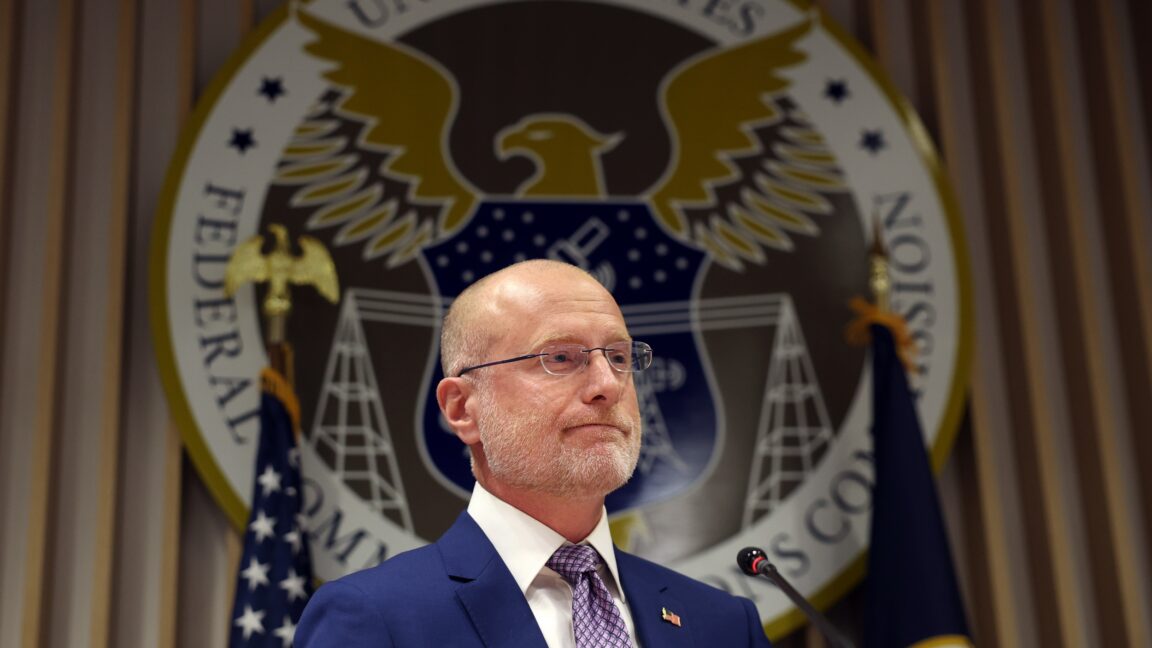
Cable lobby to sue Trump FCC over repeal of national TV ownership cap

Cable lobby groups notified the Federal Communications Commission that they will sue the agency to block its controversial repeal of the National Television Ownership Rule, which limits the number of broadcast TV stations a single company may own.

The cable groups said that larger broadcast TV station groups will have leverage to demand higher retransmission fees from TV providers, resulting in "higher monthly TV bills for consumers." They said the FCC repeal order "arbitrarily and capriciously ignores the harms that will surely follow from allowing broadcast station groups to exceed the National Cap."

The cable lobby groups represent top providers Comcast, Charter, and various other cable operators. Top cable companies have also expanded through mergers. Charter completed a purchase of Cox in August after the FCC rejected protests by advocacy groups that said the cable deal "would create unchecked gatekeeper power over Internet distribution" and make it easier for the biggest cable companies to raise prices.

Read full article

Comments

© Getty Images | Kevin Dietsch

  •  

"An AI did it" is no defense, says nonprofit suing OpenAI over Hugging Face hack

OpenAI's hack of Hugging Face in July 2026 has spurred a lawsuit demanding that the company stop accessing third-party computer systems and halt AI development practices that can harm the public. The lawsuit was filed by Legal Advocates for Safe Science & Technology (LASST), which said yesterday that the hack in which OpenAI "agents stole credentials, uploaded malicious files, and gained control over key parts of Hugging Face’s internal systems... is unquestionably illegal under California law."

California’s Comprehensive Computer Data Access and Fraud Act (CDAFA) prohibits unauthorized access into computer systems, "and it doesn’t matter that a swarm of AI agents carried out this cyberattack. California law makes it clear that it is not a defense 'that the artificial intelligence autonomously caused the harm,'" the group said.

The lawsuit, filed in San Francisco County Superior Court, said OpenAI also violated California's Unfair Competition Law (UCL). "OpenAI’s insistence on externalizing the harms of its unsafe decision-making is a fundamentally unfair business practice," the complaint said, adding that "such risk-taking for private gain at substantial public expense is immoral, unethical, oppressive, unscrupulous, and substantially injurious conduct."

Read full article

Comments

© Getty Images | NurPhoto

  •  
❌