Reading view

Kremlin suspected of flying drones over Europe using Russian shadow fleet

Mysterious drone flights that disrupted major European airports and flew over NATO member military bases hosting US nuclear weapons may be the work of a coordinated Kremlin campaign launched from Russian-linked commercial ships.

That recent assessment from the UK-based International Institute for Strategic Studies used automatic identification system (AIS) maritime tracking data and other publicly available data to show how Russian-linked ships and “shadow fleet” vessels that transport sanctioned Russian oil were often located nearby during various drone incidents. The report suggests that the drone incidents—which impacted a dozen NATO member countries and Ireland between August 2024 and February 2026—also revealed the vulnerability of European air defenses against surveillance and harassment incursions by low-cost drones.

The IISS report identified 144 drone sightings over Europe during that time period that were unlikely to involve hobbyist recreational drones or drone activity related to the war in Ukraine. About 48 percent of the sightings took place over military bases, 26 percent happened over critical infrastructure such as ports and energy or industrial facilities, and 18 percent occurred over civilian airports. Most occurred at night or in the early morning hours before sunrise, and the drones themselves were typically described in media reports as resembling “professional” or “military-style” drones.


Read full article

Comments

© DAMIEN MEYER/AFP via Getty Images

  •  

FAA proposal: Supersonic airliners can fly over US cities if they’re quiet

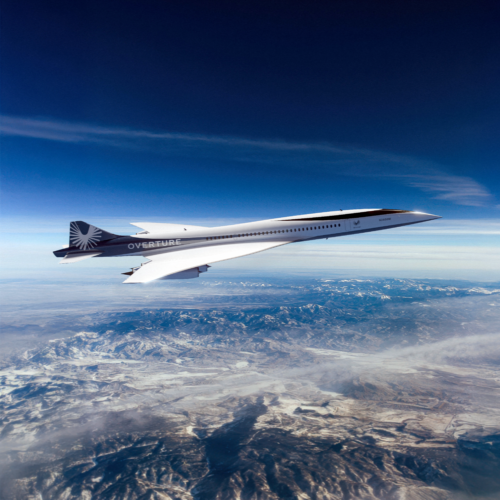
A long-standing ban on commercial supersonic flights over the United States would be overturned in a new rule proposed by the US Federal Aviation Administration. That could pave the way for the possible return of commercial supersonic airliners—as long as such aircraft can reduce the ground-level impacts of their sonic booms.

The FAA originally banned overland supersonic flights by civil aircraft in 1973, following US military tests involving supersonic flights over US cities such as Oklahoma City, Chicago, and St. Louis in the 1960s. But the Trump administration has championed the repeal of the ban to pave the way for supersonic airliners that could operate without disruptive sonic booms. So the FAA’s new rulemaking action on June 30, 2026, follows the direction of an executive order issued by President Trump on June 6, 2025.

The newly proposed rule would replace the 53-year prohibition with an interim “noise-based” certification standard requiring any sonic boom overpressure at the surface to be kept below 0.11 pounds per square foot. That proposed standard is based on the Colorado-based startup Boom Supersonic having demonstrated quiet Mach cutoff flights with its XB-1 aircraft—harnessing specific atmospheric conditions while flying just beyond supersonic speeds at higher altitudes so that the aircraft’s shockwaves are refracted upward into the atmosphere rather than traveling to the ground.

Read full article

Comments

© Boom Supersonic

  •  

Google’s AI buildout drove 37% increase in electricity use in 2025

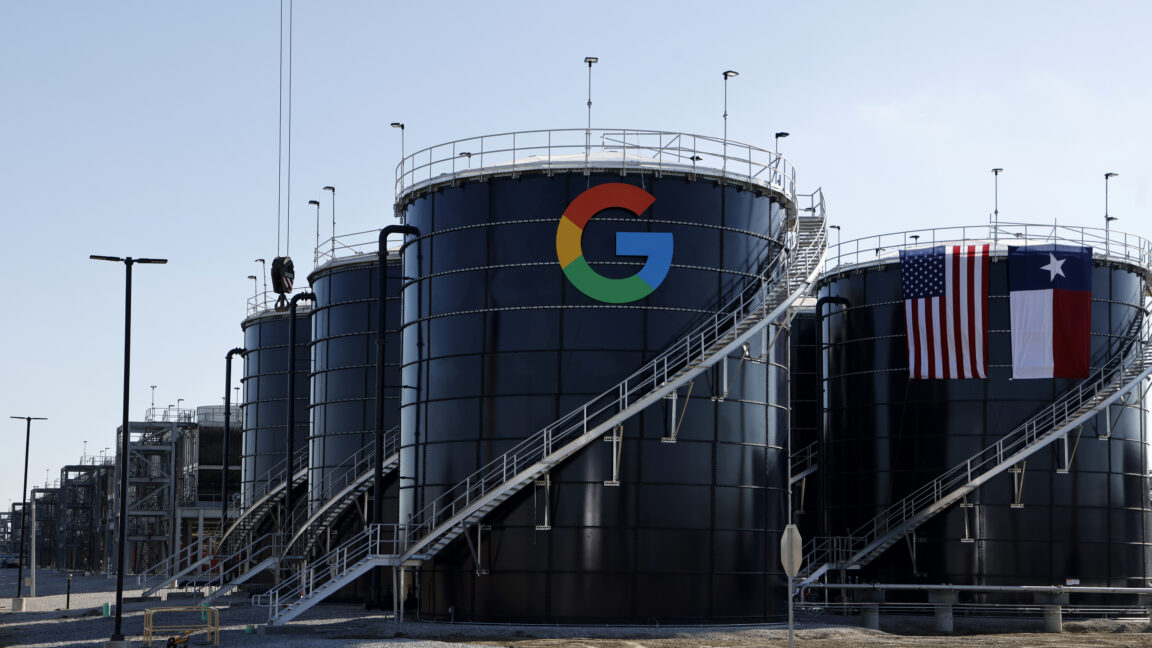
Google reported that its annual electricity consumption rose by 37 percent in 2025—the largest increase in the company’s history as Silicon Valley’s AI data center buildout continues. But the tech giant says it kept operational carbon emissions down by continuing to purchase massive amounts of clean energy.

The company’s latest sustainability report acknowledges that Google’s total electricity usage has increased by more than 250 percent since 2019, which the company attributed to ongoing growth in Google Cloud, YouTube video streaming, and data center construction and operations supporting various AI products and services. The unprecedented 37 percent annual increase is part of an ongoing trend, given how Google’s total electricity consumption also grew by 27 percent in 2024.

“While the path to achieving our climate ambitions will not be linear—given our AI infrastructure buildout is currently accelerating faster than the grid is decarbonizing—we remain focused on scaling abundant and affordable clean power globally and progressing technological innovations that drive down emissions across our operations and the broader industry,” according to the Google sustainability report.

Read full article

Comments

© Ron Jenkins | Getty Images

  •  

US home battery installations hit record high on rising electricity costs

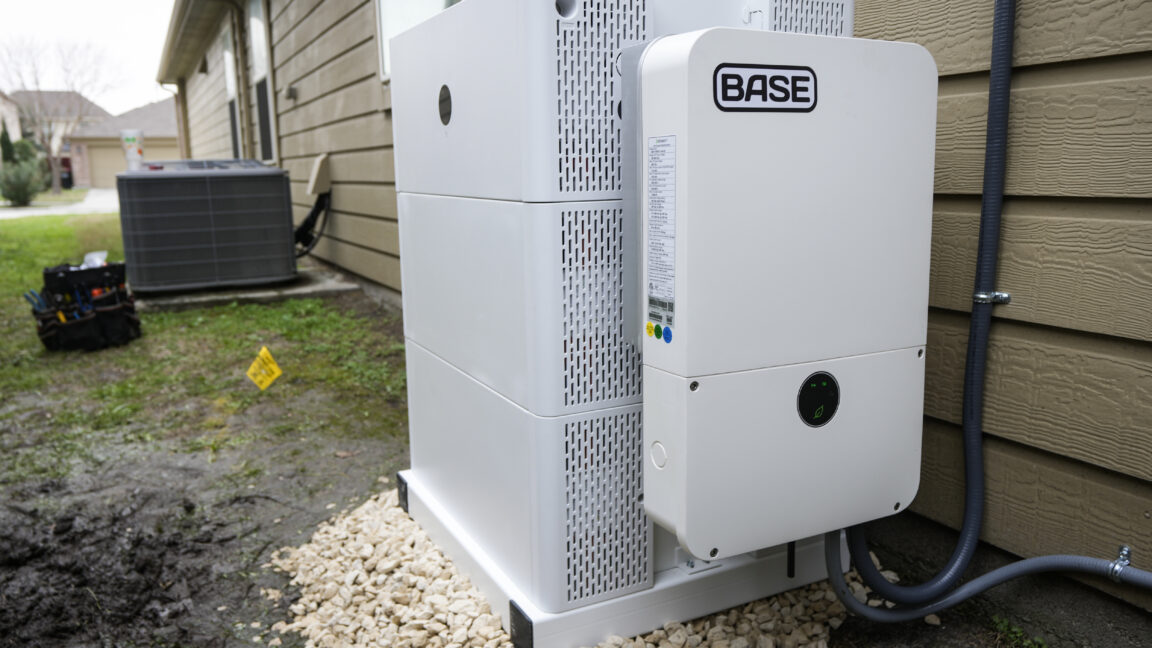
US homeowners have embraced home batteries in record-breaking numbers in early 2026, spurred on by state incentives while seeking to offset rising residential electricity costs. The trend could even unlock a more flexible energy supply for power grid operators and even AI data centers.

New home battery installations reached a record 673 megawatts of energy storage in the first quarter of 2026, according to the US Energy Information Administration. That trend was driven by states with high electricity prices that have implemented policies to incentivize home battery installation, Bloomberg News reported.

This residential battery trend stands out as a natural next step for states that have already successfully boosted rooftop solar adoption among homeowners, given how batteries enable homeowners to use stored solar energy at night. California and Hawaii accounted for the majority of new residential battery storage, while Texas and Arizona also saw significantly higher numbers of installations.

Read full article

Comments

© Brett Coomer/Houston Chronicle via Getty Images

  •  
❌