Reading view

NRC is (sort of) getting rid of "as low as reasonably achievable" standard

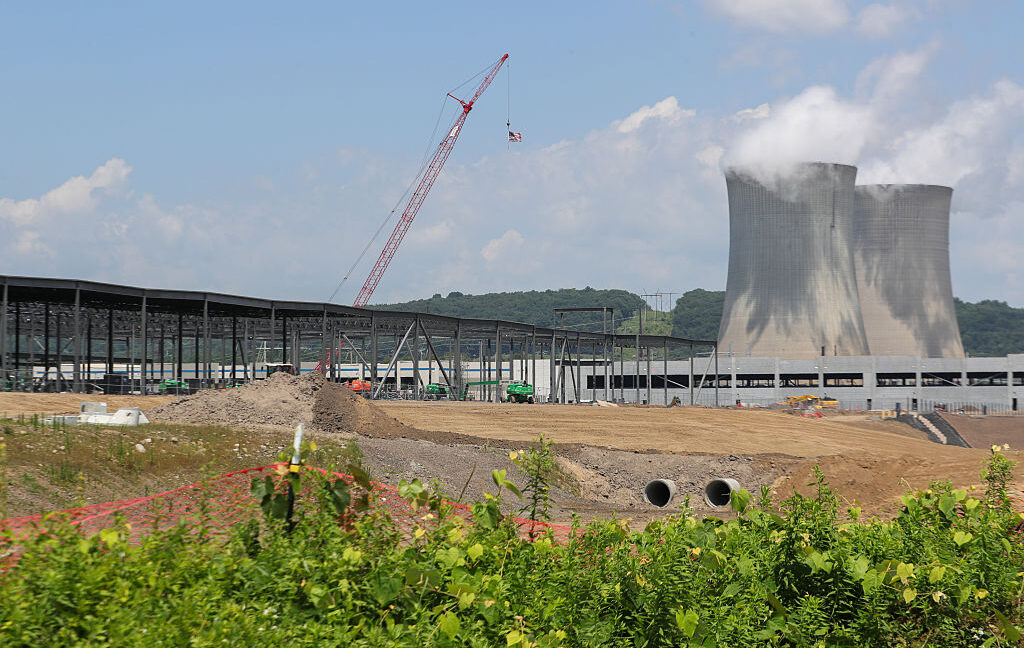
Last week, just before the US started its break for the July Fourth holiday, the Nuclear Regulatory Commission (NRC) proposed a new rule that would change how it regulated exposure to radiation. The Trump administration has been pushing to restart construction of nuclear power plants in the US, and many pro-nuclear advocates have been complaining about the US's existing regulations, portraying them as the main barrier to the flourishing of the industry. So, it had seemed likely that major revisions were coming.

Instead, the NRC's proposed new rules endorse the science behind its current rules and suggest that any problems are largely in the vagueness of the terminology that it has been using. So, instead, it's endorsing standards that are meant to accomplish the same thing, but avoid using some of the language it had relied on. Probably the clearest indication of the evolutionary change at play is that the NRC estimates the changing rules will save industry—not just power, but also medical and research applications—only about $9.5 million a year.

LNT and ALARA

There are two technical abbreviations at the center of US nuclear regulations. The first is LNT, which stands for "linear non-threshold." It's in reference to the issue of whether there's any level of radiation that is so low that it no longer produces harmful biological effects—the "threshold" in LNT. The "non-threshold" implies that it doesn't, and that's in keeping with biology, which has demonstrated that even single particles or photons of radiation can damage DNA and that the mechanisms cells have for repairing that damage are inherently error-prone. The "linear" in LNT simply describes how the impact of radiation scales directly with the dose.
Read full article

Comments

© SOPA Images

  •  

Artificial cell manages a few rounds of cell division

Understanding the origin of life requires addressing a collection of overlapping scientific questions. We've made a lot of progress toward explaining how simple chemicals present on an early Earth built the complex molecules used by life and how some of those chemicals built the first genetic/catalytic molecules. But we're much further from understanding a key conundrum: How did membranes end up surrounding the first cells?

It's relatively easy to make membranes spontaneously form in water, and they'll enclose anything dissolved in that water, including nucleic acids. But the membranes then cut their interior off from everything else in the solution. Any interesting chemical reactions enclosed there would eat through the raw materials and grind to a halt.

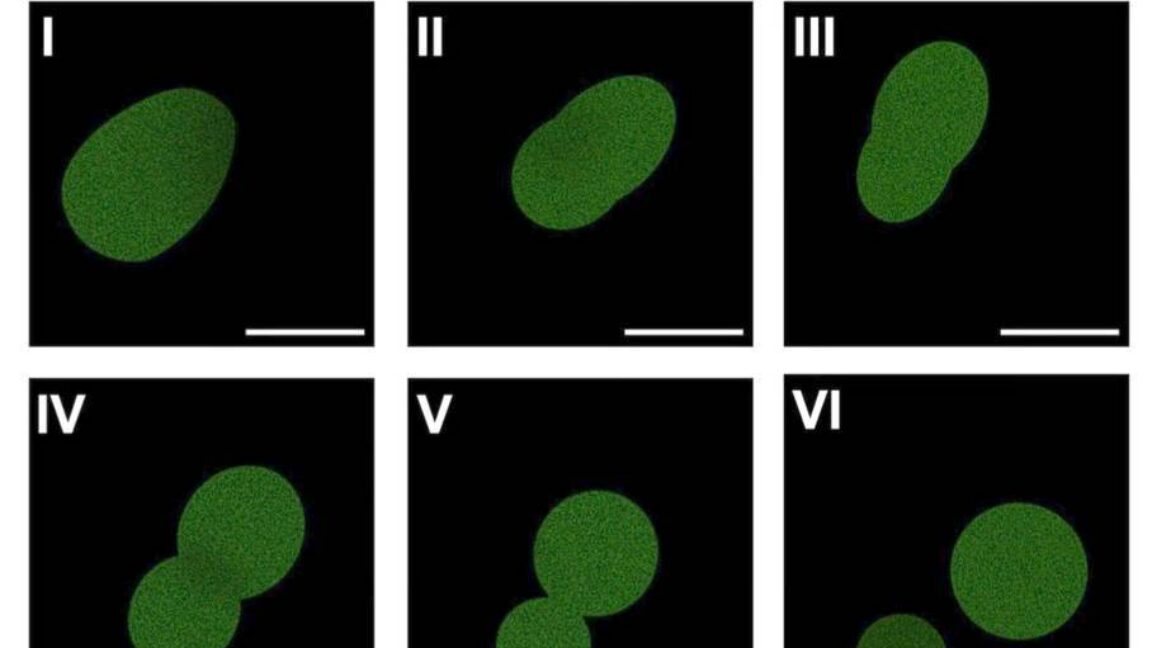
Now, a lab at the University of Minnesota has announced that it has developed a simplified system in which a membrane encloses some genetic material but can continually import new materials supplied to it. The system also spontaneously divides, producing a few generations of "offspring" before things start failing. It's still extremely dependent upon human intervention, but it might provide a new avenue to explore questions about the origin of life and what a truly minimalistic form of life might look like.

Read full article

Comments

© Biotic

  •  

Editorial: It's time to step up and have your say for science

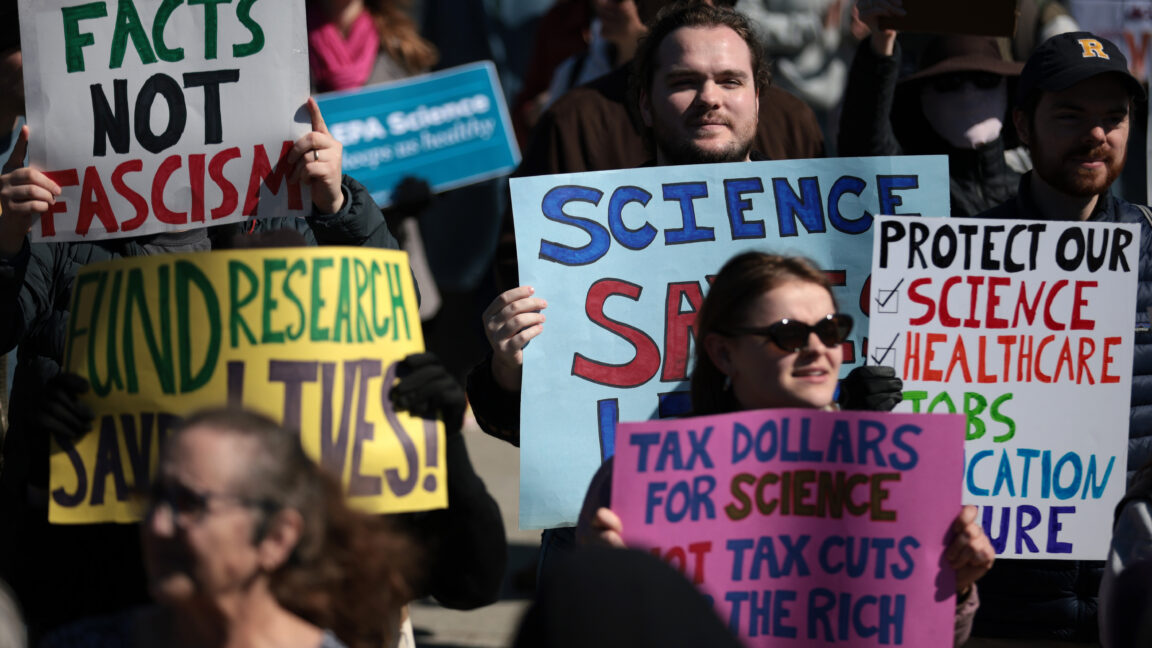
Near the end of May, the Office of Management and Budget (OMB) proposed a new rule that would govern how the federal government handles the grants it issues, including those that fund the vast majority of scientific research in the US.

If formalized, the rule would make political priorities the prime determinant of what science gets funded and sideline the opinions of scientific experts. Grants could be canceled due to political whims, and new layers of bureaucracy would inhibit basic scientific activities like publishing papers and attending conferences. Unlike the executive orders it echoes, it would have the force of law behind it and be significantly harder to challenge in court.

Before coming into force, however, the proposal must go through a process that includes public feedback and (potentially) changes in response. The deadline for that feedback—Monday, July 13—is rapidly approaching.

Read full article

Comments

© Alex Wong/Getty Images

  •  
❌