โŒ

Reading view

Chemistry Nobel goes to reactions like those that gave life a hand

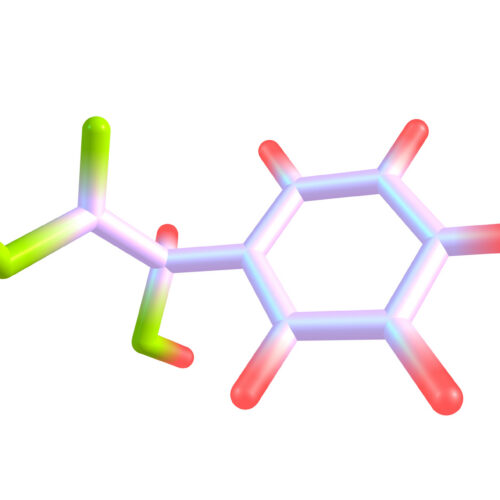
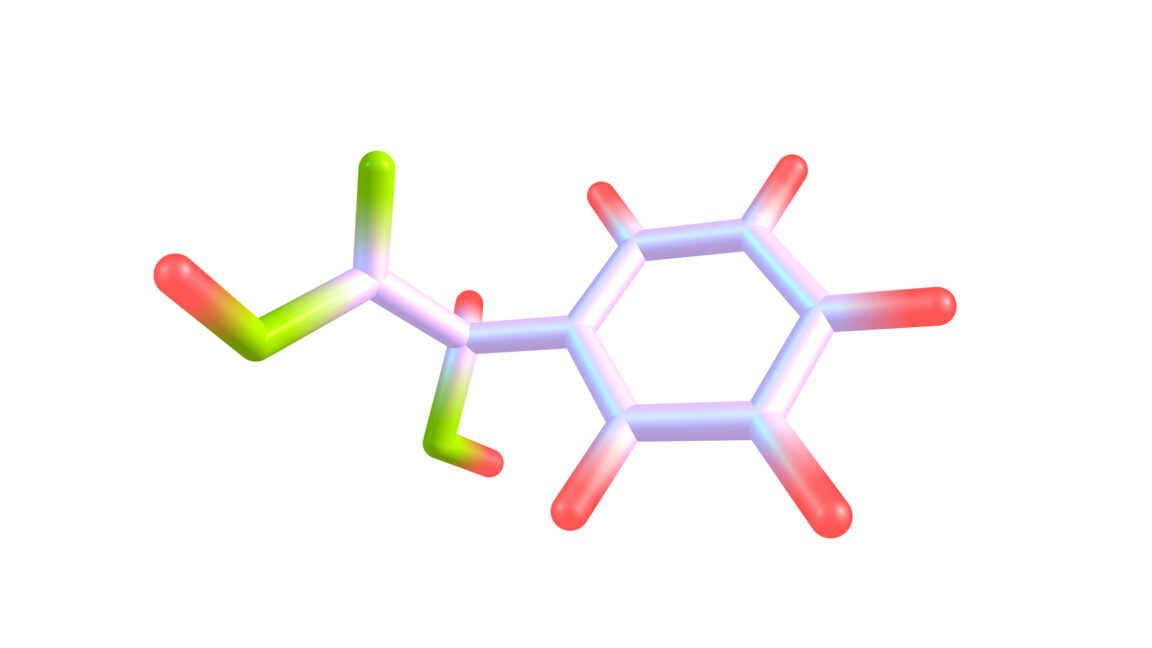
Life is remarkably selective. Life relies on many molecules with what is termed "handedness"โ€”they're chemically identical but are mirror images of each other. Most chemical reactions will make a 50-50 mix of the left- and right-handed forms of a chemical, but life uses only one of them. In fact, because of the differences between left- and right-handed chemicals, most of the key enzymes used by organisms will fail to work if they're presented with chemicals that have the wrong handedness.

That poses a bit of a challenge for origin-of-life research, as we're forced to explain how a world that may have started with an even mix of left- and right-handed chemicals produced organisms that only used one of them.

Today's Nobel Prize in Chemistry goes to two individuals, Henri Kagan and Kenso Soai, who discovered chemical reactions could be biased, producing large excesses of one of the two forms of a chemical.
Read full article

Comments

ยฉ ollaweila

  •  

Controlling the brain with light earns a physiology Nobel

Over decades of research, scientists have built up a partial picture of what specialized cells within the brain and spinal cord do. By studying how the brain develops, they could identify genes that were active in different populations of neurons and where in the brain those neurons resided. In some cases, these genes could then be used to genetically delete the neurons, allowing us to get some indication of what they might be doing, building on the information we've obtained from studies of brains with damaged regions.

But this approach has its limits. The brain is flexible enough to potentially adapt to the loss of some cells, and their loss early in development may alter the development of any neurons they would have normally formed connections with. It would be far more informative to activate and shut down the neurons in an otherwise intact brain.

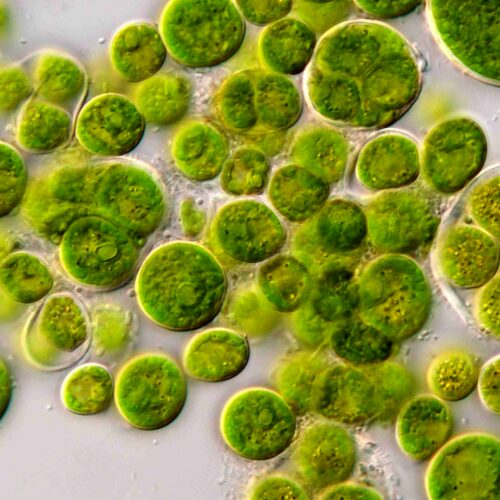
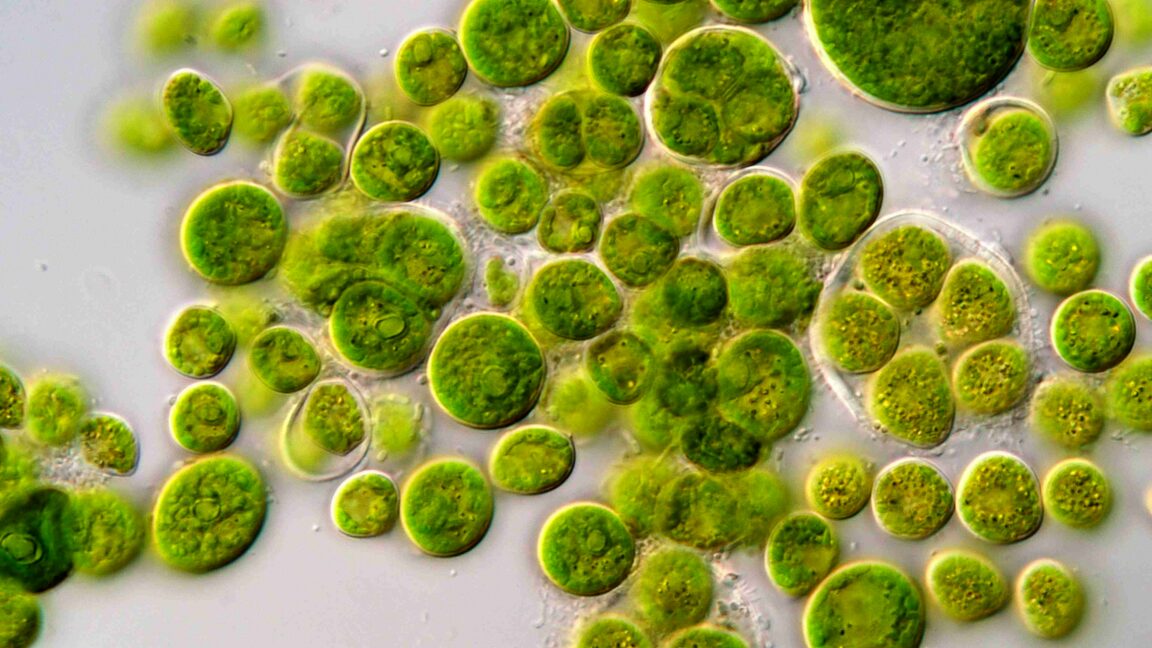
Today's Nobel Prize in Physiology or Medicine rewards three peopleโ€”Karl Deisseroth, Peter Hegemann and Georg Nagelโ€”who developed our ability to do precisely that. Starting from studies of single-celled algae that are attracted to light, these and many other researchers built an entire field of study that we now call optogenetics: using light to alter the behavior of nerve cells marked by the activity of individual genes.

Read full article

Comments

ยฉ Namscience

  •  

The 2008 economic crisis changed the US's relationship with energy

One argument that often comes up about climate change is that fossil fuels are good because they powered economic growth that has left most people better off overall. And, to an extent, that has been true, but it's also an extremely limited perspective.

It's pretty obvious now that the growth they powered has come with very high costs that we've only recently started to pay, in the form of damages and disruptions from extreme weather events. With things like sea level rise expected to continue for centuries even if we hit net zero, it's difficult to estimate how expensive that growth will eventually be.

But that perspective is also limited: We now have better ways to power our growthโ€”ways that are less environmentally damaging now and won't leave our descendants with a carbon debt that will be difficult to manage.

Read full article

Comments

ยฉ Ryan J Lane

  •  

Google figures out how to watermark AI-designed proteins

AI-based tools seem to be causing security threats on a nearly daily basis, in part because we've been slow to recognize potential threats. One area where we seem to be ahead of the game, however, is in biosecurity.

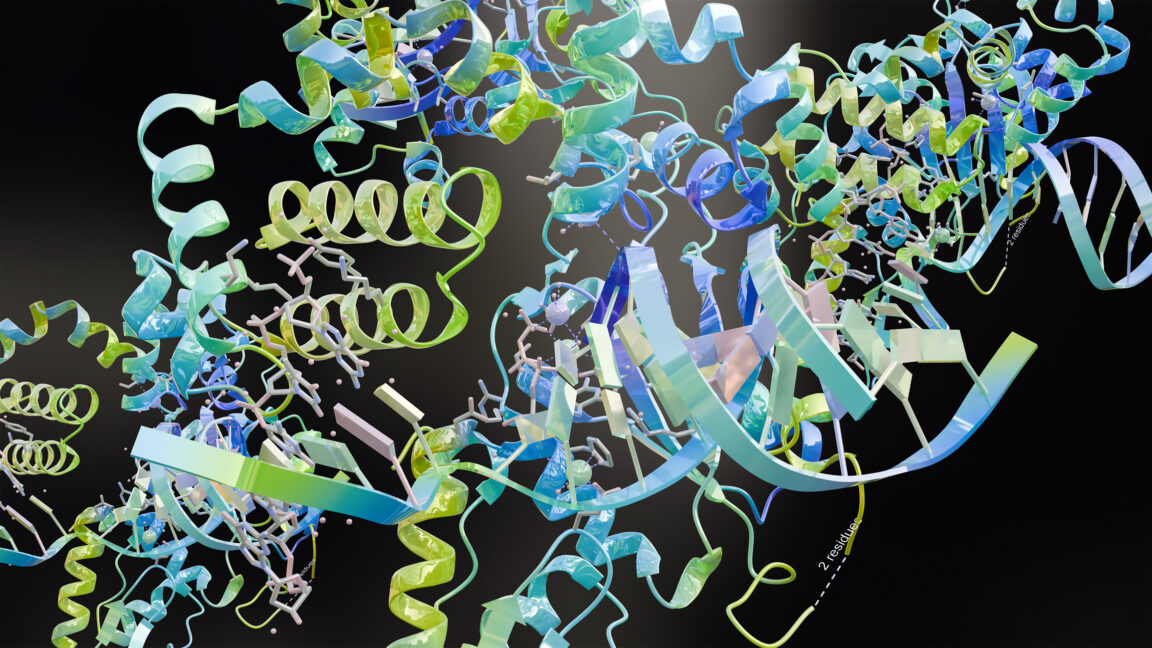
As with most things biological, utility goes hand in hand with threats. We've developed increasingly sophisticated tools for designing proteins and seen some major successes, such as AI-designed enzymes that can digest plastics or block venom proteins. But these same tools could be used to make toxins or alter the behavior of viral proteins.

And the software we use to identify DNA sequences that encode potentially threatening proteins doesn't pick out AI-designed proteins, since nobody has characterized them well enough to know that they're threats. Nearly a year after that risk was flagged, it still wasn't clear what anyone could do about it.

Read full article

Comments

ยฉ ALIOUI Mohammed Elamine

  •  
โŒ