❌

Reading view

Meta may use sweeping new commercial TOS to avoid millions in AI licensing fees

Legal experts are sounding alarms that Meta will soon update its commercial terms to require business accounts to allow Meta to train AI on their linked website content, not just their social media posts.

Kicking in on October 30, the TOS update won’t allow businesses to opt out, instead suggesting that businesses stop using Meta services if they won’t agree to let Meta bots freely crawl their linked content.

As Nieman Lab reported Thursday, this will affect all business accounts but is particularly shocking for news publishers who could perhaps charge Meta millions in licensing fees to continually access their articles for AI training. Currently news organizations are fighting a battle with OpenAI over whether such training without licensing is fair use, and Meta's terms seemingly risk granting it sweeping permissions, no matter which way the court leans.
Read full article

Comments

© SOPA Images / Contributor | LightRocket

  •  

Super Scam Me documentary shows what it takes to catch a romance scammer

If you got a DM from an unverified Jon Bon Jovi account after commenting on one of his official Instagram posts, what would it take to make you believe it was really the rock star hoping to connect? And at what point when he starts asking you to send money—like lose-your-house kind of money—would you snap out of the fantasy and stop draining your bank account?

In a documentary premiering Saturday—Super Scam Me—investigative journalist Mariana van Zeller goes deep into this toxic love-bombing terrain. In a clip that Ars is exclusively debuting below, you can see how van Zeller worked with an ethical hacker, Arman the Cyber, to use a fake bitcoin receipt and bait the fake Bon Jovi, giving the victim some much-needed closure.

Sneak peek at National Geographic's Super Scam Me.

Scamming a romance scammer

Broadcasting on National Geographic at 9 pm ET and available to stream on Disney+ and Hulu, the documentary takes viewers on an empathetic quest to understand how the line between “lover” and “fraud victim” gets blurred in romance scams that the Federal Trade Commission says cost Americans nearly $1.5 billion in losses each year.

Read full article

Comments

© National Geographic

  •  

US military ends long-running program to spot nuclear missile launches

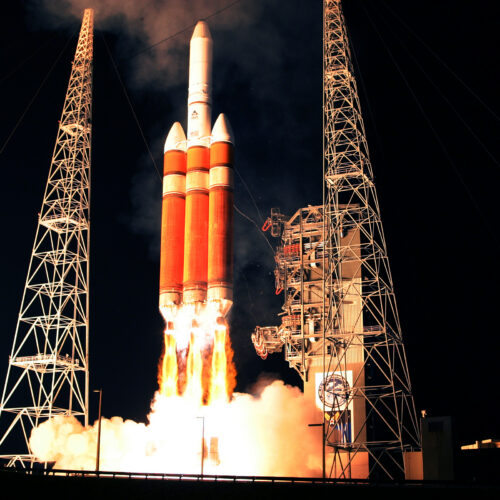
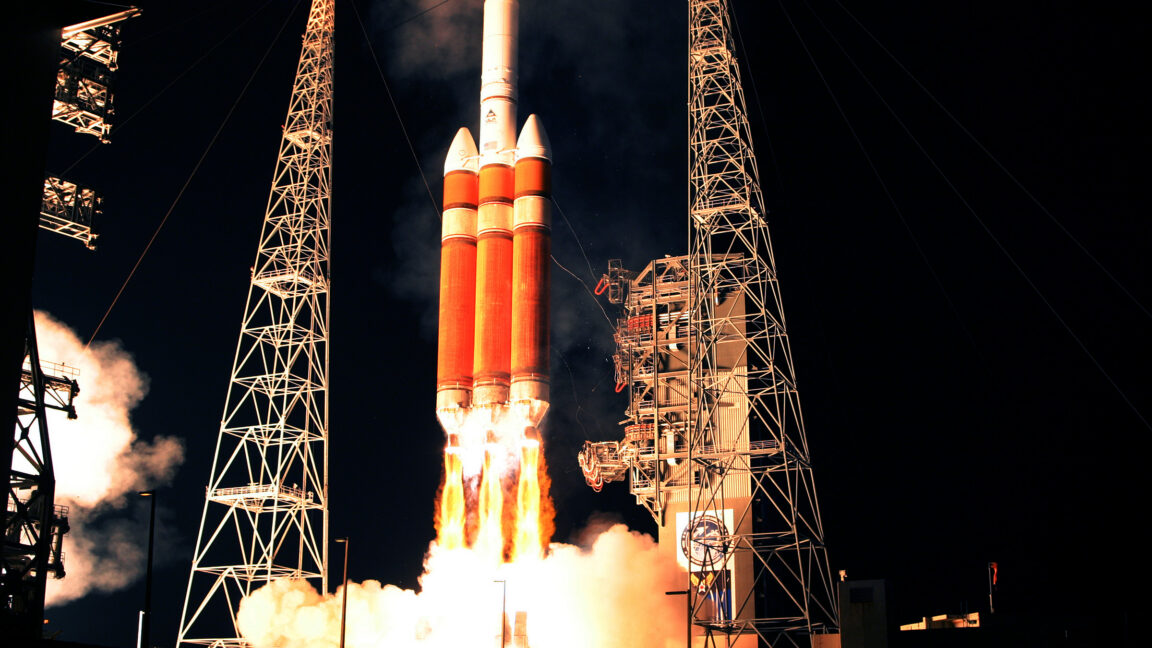
In late 1970, a Titan IIIC rocket launched from Space Launch Complex 40 at what was then called Cape Canaveral Air Force Station. It carried a top-secret payload for the US military.

Much has changed in spaceflight since then. The Titan IIIC would bow out in 1982 after dozens of launches. Various Titans continued launching from Space Launch Complex 40 until 2005, at which point the US Air Force—in a competitive process hotly opposed by United Launch Alliance—turned the pad over to a small, largely unknown startup called SpaceX. And Cape Canaveral is now a "Space Force" station.

But those unspecified payloads? Until last month, some of them were still flying operationally.

Read full article

Comments

© ULA/Carleton Bailie

  •  

Memory executives expect RAM shortage to continue through 2028

Micron and Samsung executives this week said the memory shortage will continue for at least the next couple of years.

Micron CEO Sanjay Mehrotra expects demand for the firm’s memory to exceed its available supply over that period, he told investors last night.

Micron no longer sells consumer RAM, and Mehrotra’s statements refer to Micron’s business-to-business sales of high-bandwidth memory (HBM) for AI and DRAM for servers. However, his comments also have implications for consumer devices. Manufacturing capacity is prioritizing memory for AI and servers, limiting the supply of memory manufactured for consumer devices.

Read full article

Comments

© Getty

  •  
❌