 Login
Login
Judge doesn't like Elon Musk settlement with SEC, but says court can't block it
A federal judge reluctantly approved a $1.5 million settlement between Elon Musk and the Trump administration despite raising numerous concerns about a deal that lets Musk get off lightly for a rule violation that allegedly harmed Twitter investors.
In an order approving the deal, US District Judge Sparkle Sooknanan said she "has significant misgivings about the settlement" between Musk and the Securities and Exchange Commission (SEC), and described "red flags" in the SEC's decision-making. This isn't surprising given that she previously questioned whether the deal is tainted by corruption. But there is a high legal bar for rejecting the settlement, and the circumstances do not meet "that high threshold," she wrote yesterday.
"That means that this Court must accept the Parties’ consent judgment," Sooknanan, a Biden appointee, wrote. "Whether the Executive Branch (through the SEC) has done enough to hold Mr. Musk to account for his alleged violation is, like many other issues, for our citizenry to decide at the ballot box."
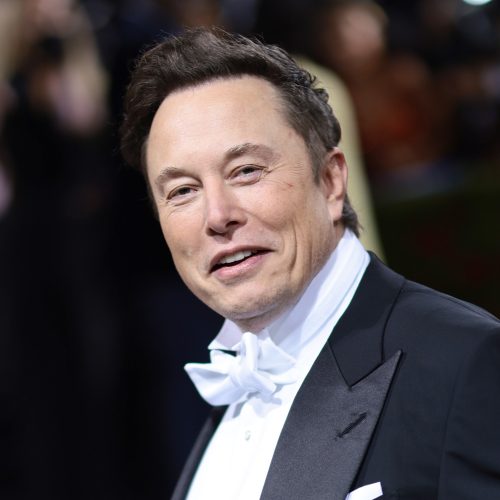

© Getty Images | Dimitrios Kambouris