❌

Reading view

Batteries help reduce emissions, but how do we reduce their emissions?

The first order of business for the energy transition is electrifying applications like vehicles and heating and making sure that the electricity that powers them is made using renewables. But once the dominant slices of the emissions pie have shrunk, other categories with less potential to reduce emissions become important.

A new study led by Haiwei Zhou at the University of Melbourne focused on the emissions associated with making lithium-ion batteries, which many parts of the energy transition rely on. Those emissions aren’t zero, so as we use more and more batteries, that number will grow. Right now, the researchers estimate that these emissions only account for 0.18 percent of annual greenhouse gas releases, but they could increase by a factor of 10 or more by 2050.

Avoiding production

There are a number of ways to reduce the emissions required to make a battery. Some elements used in various lithium-ion battery chemistries are more energy-intensive to mine and refine than others. The battery manufacturing process involves many steps that could be made more energy-efficient. And then there’s recycling, which can put battery materials back into the loop while requiring much less energy than mining.


Read full article

Comments

Β© Oleg Nikishin

  •  

This startup pays NYC residents to run air conditioners on free batteries

My family has spent four summers participating in demand response programs whereby utility companies pay customers to reduce energy use on the hottest summer days. Most summers have involved carefully precooling our New York City apartment before switching off the air conditioners and sweating it out during the designated demand response periods.

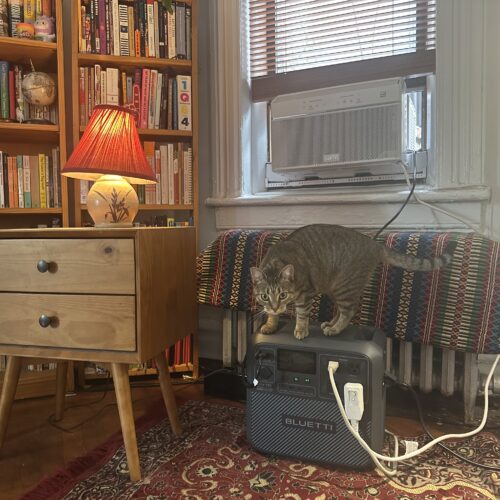
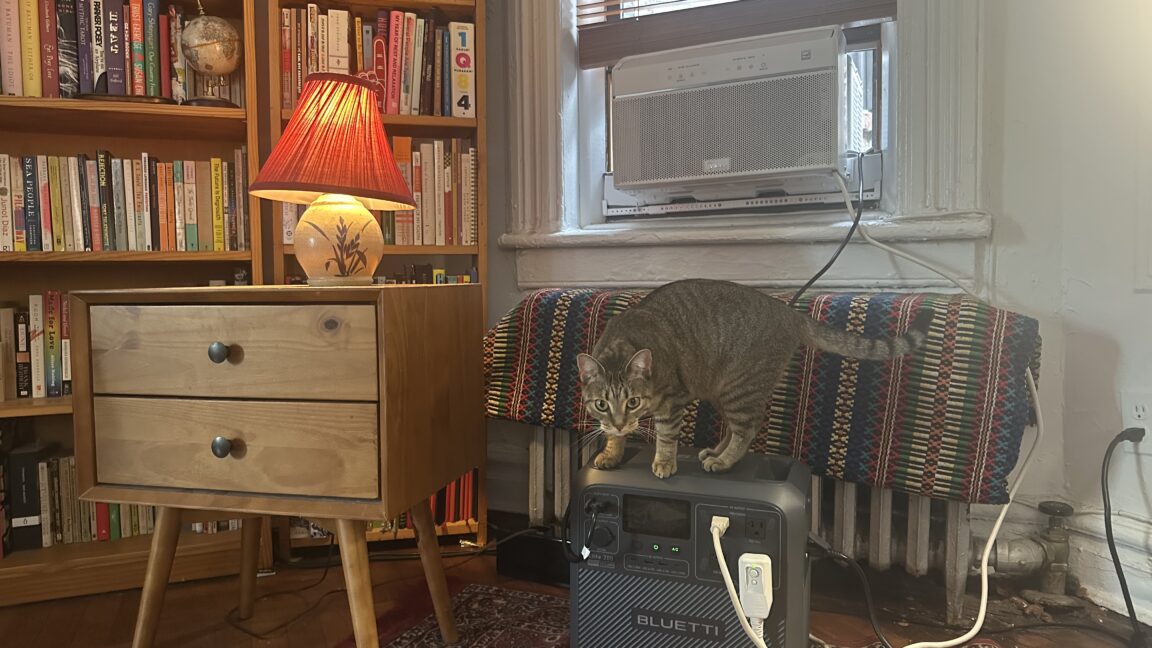
But this year, we kept our window air conditioners running throughout a heat dome event that drove daytime temperatures into the triple digits and made the nights oppressively hot. The difference was that we powered the air conditioners through two household batteries tucked away unobtrusively in the corners of our living room and bedroom.

We were among about 1,000 New York City households that took part in a free and growing program offered by the local startup Every Electric. The company’s proposition is simple: Get one or more batteries delivered to your home, plug the batteries into a standard wall electrical outlet, and then plug your window air conditioners into the batteries. Households can keep running air conditioners as usual during peak demand periods while also earning money through the local demand response program with the utility company Con Edison.

Read full article

Comments

Β© Jonathon Schaff, Green Juice (www.greenjuice.wtf)

  •  
❌