โŒ

Reading view

Recording device hidden in toilet paper found in top-secret OpenAI meeting room

It took OpenAI two days to notice that a recording device was hidden in a restricted executive conference room where leadership met to discuss highly confidential information, including technical progress, government engagements, and commercial partnerships.

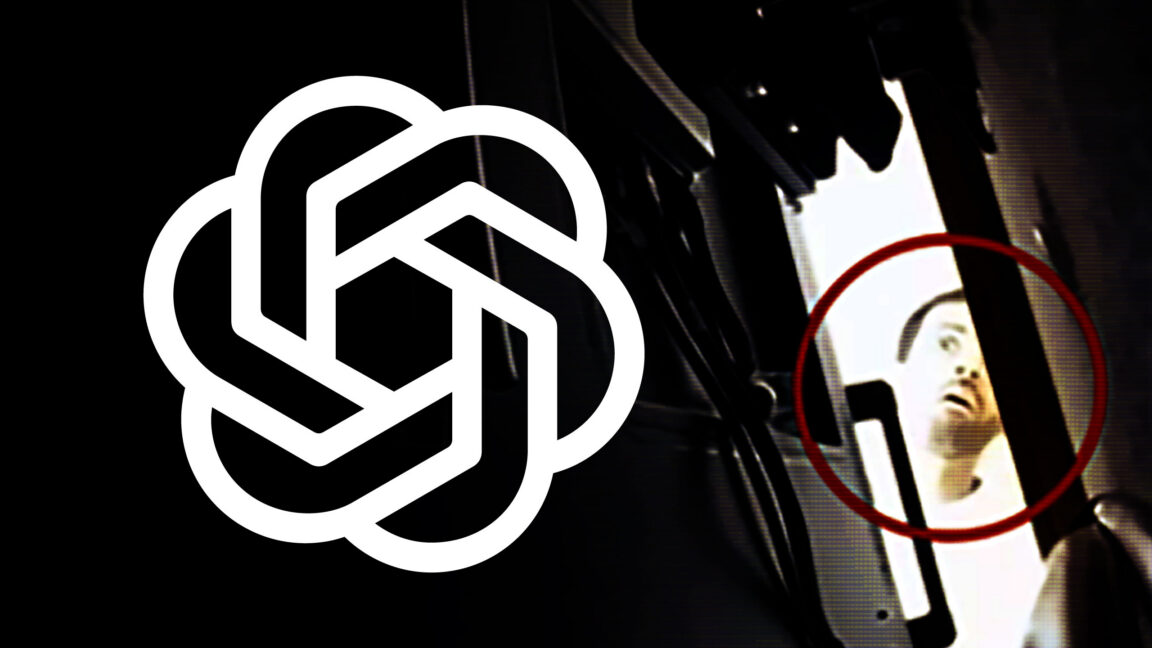
Only those with special clearance are supposed to access that room. But the FBI believes the recording device was planted by Abdulrahman Alfozan, a 35-year-old engineer from Saudi Arabia, who became a permanent US legal resident in 2020. In a press release Tuesday announcing his arrest, the FBI alleged that chatbot logs and CCTV footage suggested that Alfozanโ€”who worked as an OpenAI engineer for more than a yearโ€”sought to use the device to spy on OpenAI and risked leaking trade secrets in a way that threatened national security.

To conceal the USB device, Alfozan allegedly wrapped it in toilet paper, then plugged it into the back of a conference room television. The device was likely planted on September 28, and OpenAI found it on September 30 and quickly determined that its contents were encrypted, the FBI said. Days later, on October 5, OpenAI installed a camera in that conference room, and the CCTV footage allegedly showed Alfozan attempting to retrieve the recording device that same day.

Read full article

Comments

ยฉ U.S. v. Abdulrahman Alfozan | Aurich Lawson
  •  

Hacks of 2 federal agencies in a month have spilled a bonanza of sensitive data

The Pentagon is informing more than 2 million current and former military members that their personnel records storing sensitive personal information were stolen over a monthslong compromise of one of its networks. The breach is the second one in recent months to expose sensitive government information.

The records, according to one notification letter posted to Reddit, included Social Security numbers, names, addresses, sex, race, and occupational specialty. This last category could be particularly valuable to foreign adversaries because it could help their intelligence agencies in identifying high-value military personnel. Starting last October, hackers gained access to a system operated by the Defense Manpower Data Center, which collates Department of Defense personnel records. The Pentagon says that the breach compromised the records of 2.8 million living individuals.

A potential boon

The incident is the second time a major network breach in recent months has exposed sensitive US government personnel records that criminal groups or foreign adversaries could use. Last month, the ransomware group ShinyHunters claimed it hacked into FBI systems and stole records of thousands of the agencyโ€™s current or former employees. Reuters reported the job titles in the records included ones related to investigating China or Russia.

Read full article

Comments

ยฉ Getty Images

  •  
โŒ