Reading view

OpenAI's first branded hardware is... a light-up keyboard?

As rumors continue to swirl about OpenAI's work on a personalized smart speaker and other hardware, the company is today rolling out its first branded device. The $230 Codex Micro is a specialized, RGB-lit mini-keyboard designed to let users monitor and quickly interact with multiple Codex agents with a glance and a few clicks.

The device is described as a "limited-run collaboration" with Work Louder, which already sells a very similar-looking Creator Micro line of customizable square keyboards targeted at creative professionals. The Codex Micro differentiates itself from those mainly through six frosted keys in the top two rows, which offer color-coded live feedback on up to six Codex threads, even when they are not in focus on-screen.

Open the OpenAI box for AI assistance. Credit: OpenAI / Work Louder

Ideally, those colored keys will cycle from white when a thread is idle to blue when Codex is thinking to green when a task is complete. But the keys can also flash amber when Codex requires feedback or a decision from a human operator and red when a thread encounters an error, letting users know at a glance which of their Codex tasks needs immediate attention. A quick tap on the lit-up button brings up the applicable Codex window on-screen.

Read full article

Comments

© OpenAI / WorkLouder

  •  

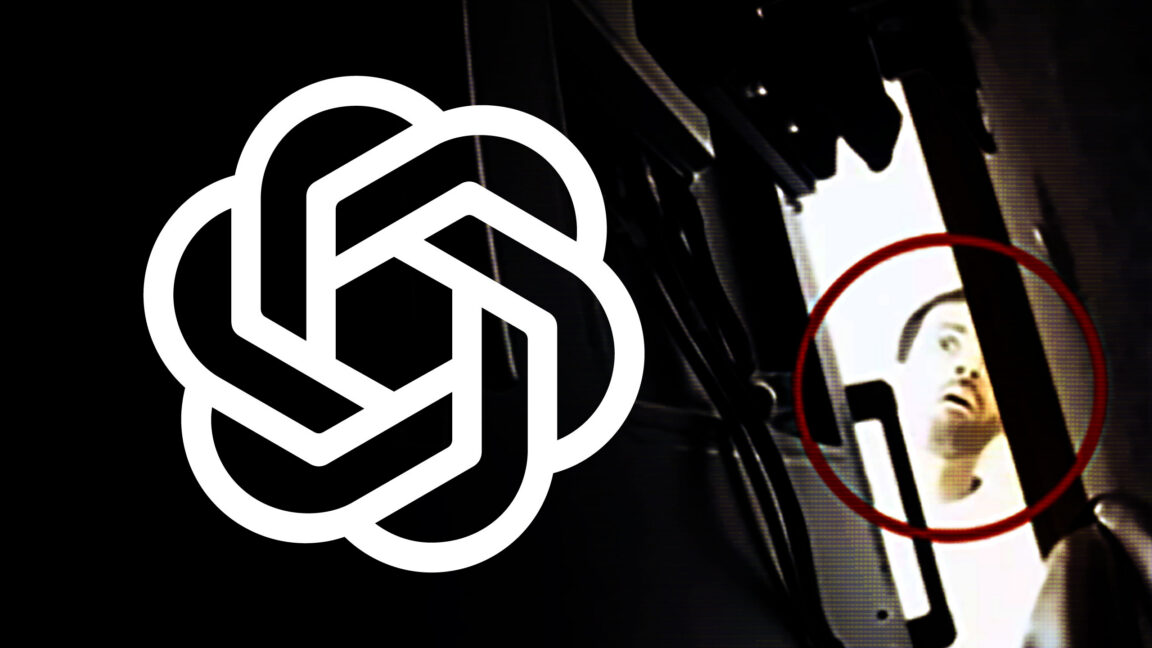
Apple sues OpenAI after ex-engineer allegedly used bug to steal trade secrets

Apple is gunning for OpenAI, demanding steep penalties after stumbling on a “rare” bug that temporarily allowed a poached employee that joined OpenAI to maintain access to confidential information on Apple servers for weeks after his termination.

In a lawsuit filed Friday, Apple sought several injunctions blocking OpenAI from using confidential information allegedly stolen by former employees. According to Apple’s complaint, OpenAI conspired with former Apple employees as part of a grand scheme to “take an unlawful shortcut” and launch a line of AI-powered devices as marketable as Apple’s iPhone.

Apple explained that it found a bug while investigating internal messages between a then-current employee, Yu-Ting “Alyssa” Peng, and an engineer who spent eight years “working on some of Apple’s most sensitive product development programs,” Chang Liu.

Read full article

Comments

© NurPhoto / Contributor | NurPhoto

  •  

OpenAI may have made a fatal misstep in copyright fight with news orgs

OpenAI is facing calls for "serious sanctions" after fighting to keep news organizations from snooping through millions of logs to find evidence of users skirting their paywalls by prompting ChatGPT to regurgitate their articles.

This evidence is considered among the most important to both sides, potentially either dooming OpenAI as an infringer or exonerating its chatbot technology as a transformative fair use of news sites' content.

In a sanctions motion Thursday, news organizations suing OpenAI—led by The New York Times—accused the AI firm of repeatedly lying for years to conceal evidence of infringement that could hobble OpenAI's defense.

Read full article

Comments

© Alona Horkova | iStock / Getty Images Plus

  •  

Facing US export controls, China's DeepSeek plans to make its own chips

DeepSeek, the Chinese startup developing large language models that are competitive with those from US companies like OpenAI and Anthropic, is planning to enter the silicon business, according to Reuters.

Citing three people familiar with the matter, Reuters writes that DeepSeek has been working on a move into silicon for about a year. It has been meeting with potential partners in the hardware and silicon space and has been hiring engineers for the project.

Read full article

Comments

© Getty Images

  •  

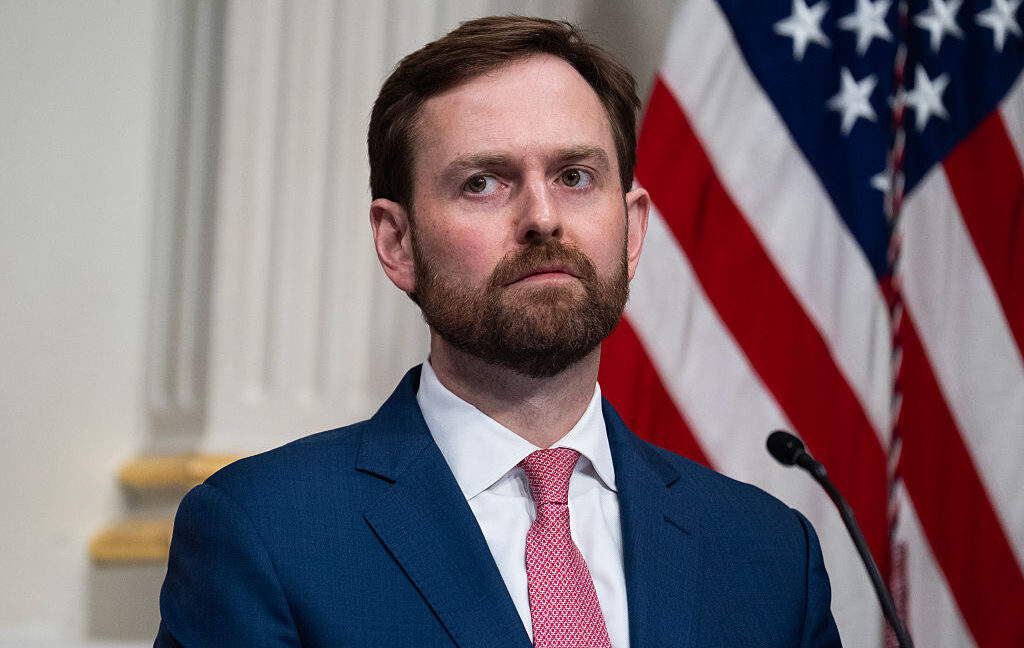
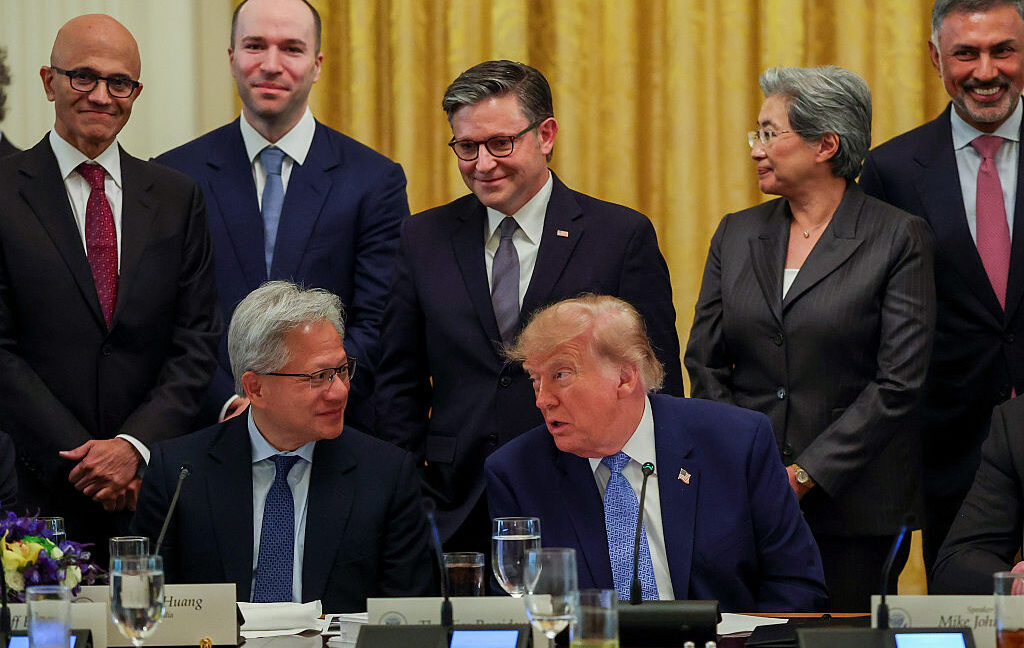
Trump gets OpenAI to offer US 5% stake, far lower than Sanders’ target

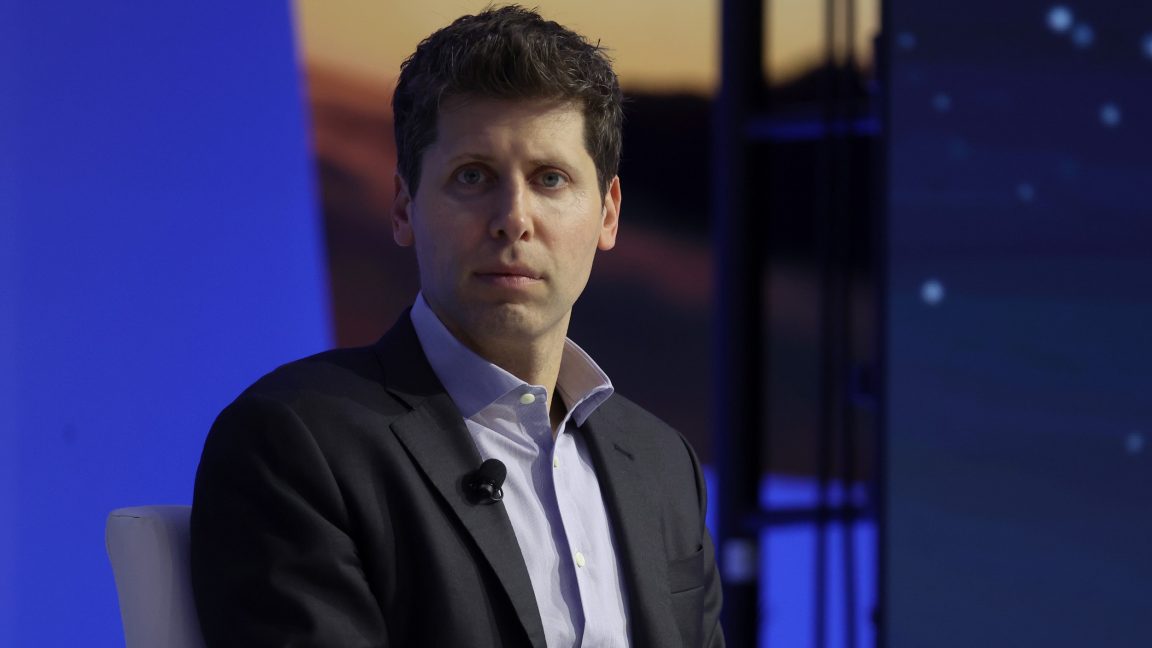
OpenAI CEO Sam Altman is reportedly in active talks with the Trump administration about the US potentially acquiring a 5 percent stake in the leading AI firm.

Insider sources told the Financial Times that these talks are in “early stages,” but Altman “has argued that giving the public a financial stake in the company is the best way to share the upside of AI.”

Donald Trump favors the idea, and his administration has reportedly been talking to several AI firms about the possibility. According to FT’s sources, other companies approached to share similar stakes include Google and Meta.

Read full article

Comments

© NurPhoto / Contributor | NurPhoto

  •  
❌