❌

Reading view

The saga of the International Space Station air leak took a worrying turn Friday

Five of the seven crew members on the International Space Station briefly sought refuge inside a SpaceX return capsule Friday morning as two Russian cosmonauts worked on an air leak on the other end of the complex.

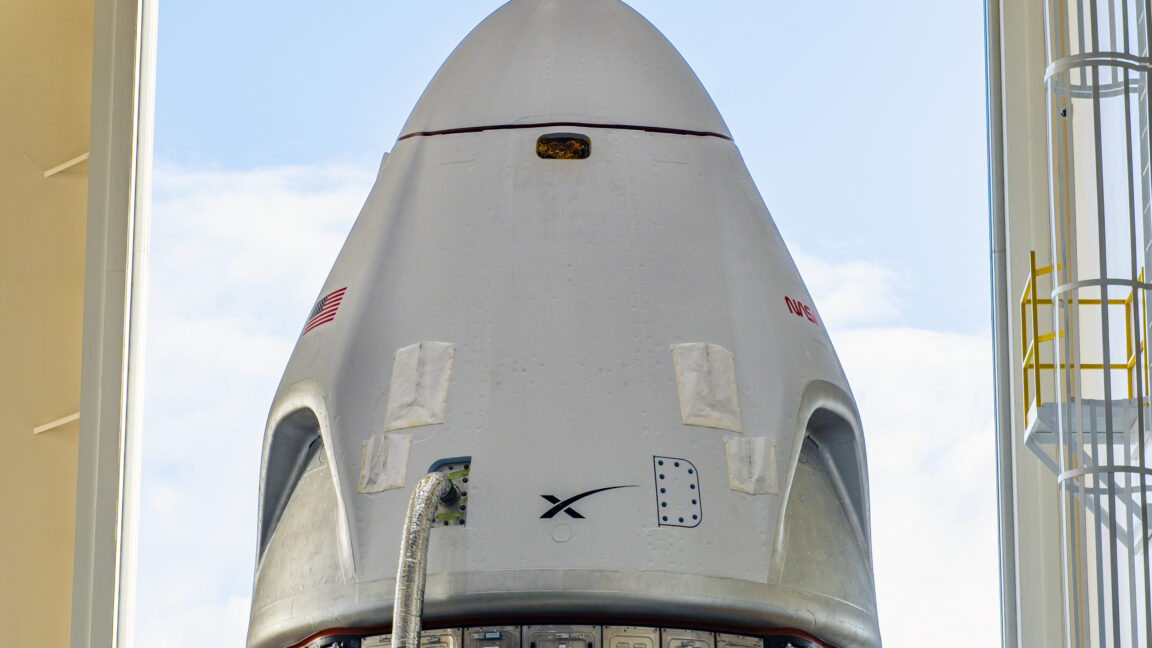
NASA ordered US astronauts Jessica Meir and Jack Hathaway, French astronaut Sophie Adenot, and Russian cosmonaut Andrey Fedyaev into SpaceX's Crew Dragon FreedomΒ spacecraft around 9 am EST (14:00 UTC) on Friday. The foursome launched aboard the SpaceX crew capsule on the Crew-12 mission in February, and the ship serves as their lifeboat until the crew's scheduled return to Earth in September.

NASA astronaut Chris Williams, who flew to the station in a Russian Soyuz ferry ship, joined the Crew-12 astronauts inside the Dragon spacecraft.

Read full article

Comments

Β© NASA

  •  

Rocket Report: Blue Origin explosion still making headlines; Impulse raises money

Welcome to Edition 8.44 of the Rocket Report! The news this week is decidedly weighted in favor of heavy-lift rockets, largely due to the fallout from last Thursday's explosion of Blue Origin's New Glenn on its launch pad in Florida. Blue Origin aims to resume launches at the badly damaged launch facility by the end of the year, but there's good reason to be skeptical of this timeline. With New Glenn grounded, will Blue Origin founder Jeff Bezos approach Elon Musk's SpaceX to launch his Blue Moon lander to the lunar south pole? It sure sounds like NASA is pushing for that.

As always, we welcome reader submissions. If you don't want to miss an issue, please subscribe using the box below (the form will not appear on AMP-enabled versions of the site). Each report will include information on small-, medium-, and heavy-lift rockets, as well as a quick look ahead at the next three launches on the calendar.

Spaceport development moves forward in Canada. There's been a lot of talk about the Canadian government's recent commitment to invest in a sovereign launch capability. There was the announcement last year of a federal budget of 182.6 million Canadian dollars ($131 million) over three years to establish a sovereign launch program. In March, the government said it would lease a dedicated launch pad at a commercially developed spaceport in Nova Scotia for national defense purposes, committing 200 million Canadian dollars ($144 million) to the deal. The agreement is a boon for Maritime Launch Services, which is developing Spaceport Nova Scotia after years of slow progress at the coastal site, SpaceQ reports.

Read full article

Comments

Β© SpaceX

  •  

Safety officials finally have a good idea of what a big rocket explosion can do

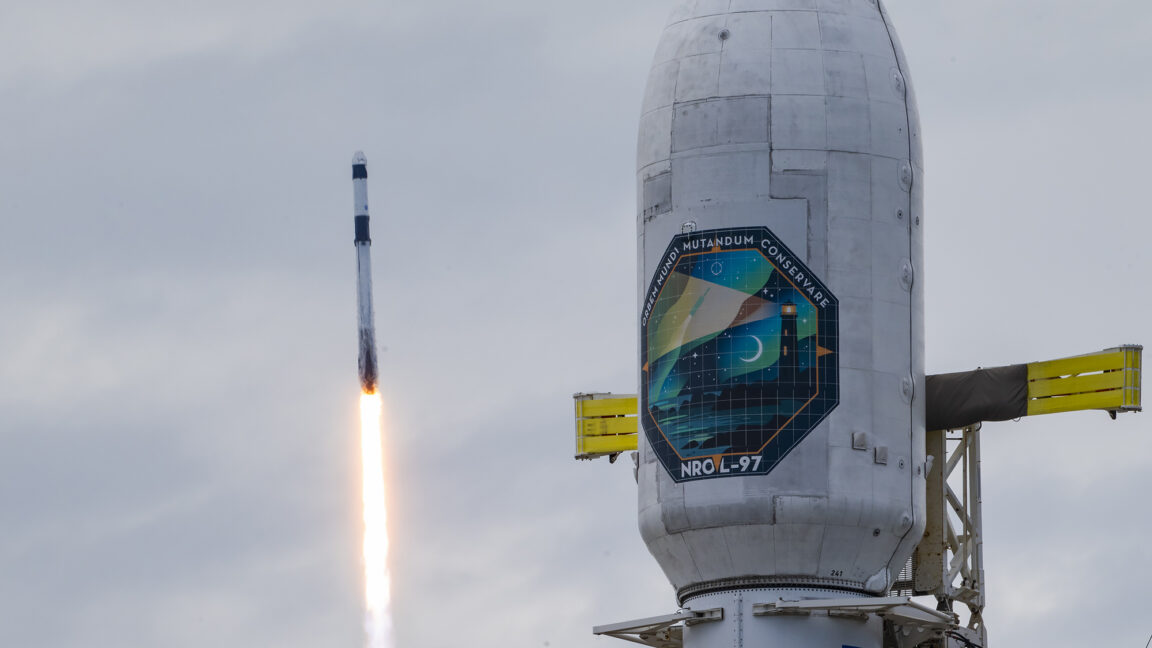
Last week's explosion of a New Glenn rocket at Cape Canaveral, Florida, was clearly a setback for Blue Origin and NASA, but it was a learning experience for safety officials looking to open up the spaceport to hundreds more launches per year.

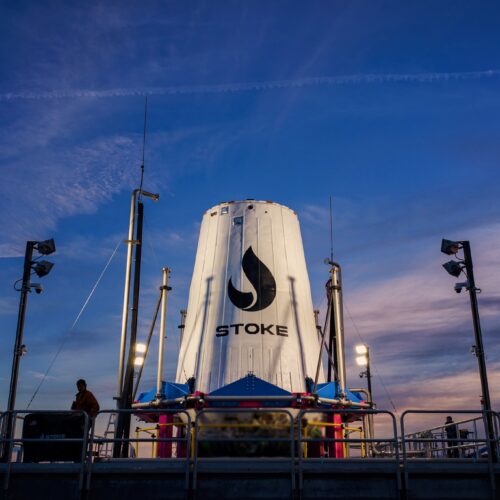
The launch base on Florida's Space Coast is gearing up for a flurry of new arrivals. SpaceX is building multiple launch pads for its super-heavy Starship rocket, which will operate within a few miles of launch pads operated by SpaceX rivals Blue Origin and United Launch Alliance. Two other companies, Stoke Space and Relativity Space, are also developing launch sites along a narrow stretch of coastline at Cape Canaveral Space Force Station.

All of them have, or will soon have, rockets burning methane or liquified natural gas, replacing legacy launch vehicles fueled by kerosene, liquid hydrogen, or solid propellants. There are good technical reasons for making the switch, but until last week, engineers had scant real-world data on the damage that millions of pounds of methane and liquid oxygen would cause if a fully loaded rocket exploded on the launch pad or soon after liftoff.

Read full article

Comments

Β© Adam Bernstein/Spaceflight Now

  •  

After 11 years at Mars, NASA's MAVEN spacecraft went out with a whisper

NASA's MAVEN spacecraft was in excellent shape when it disappeared behind Mars on December 6 of last year. The routine passage, called an occultation, was supposed to last less than an hour, but ground teams didn't hear from the spacecraft when it was supposed to regain contact with Earth.

The loss of communication triggered contingency plans for engineers to try to restore a link with MAVEN, which orbits Mars more than 200 million miles from Earth. To no avail, they listened for faint signals and uplinked commands in the blind. Hopes of saving the mission faded over time, and NASA officials announced Wednesday that they're giving up on it.

"NASA has ceased efforts to search for the MAVEN spacecraft and are beginning activities to decommission the mission," said Mike Moreau, MAVEN's project manager at NASA's Goddard Space Flight Center in Maryland.Β 

Read full article

Comments

Β© NASA/University of Colorado/LASP

  •  
❌