❌

Reading view

Ars Live recap: When are the big rockets NASA desperately needs going to be ready?

New Glenn Catastrophe Aftermath: What's Next for the Space Industry? | Ars Live

This week Ars hosted a live discussion with two space industry experts about the aftermath of the catastrophic explosion of the New Glenn rocket in late May.

Along with Ars Technica Space Editor Eric Berger; the director of research at Quilty Space, Caleb Henry; and the host of the Main Engine Cut Off podcast, Anthony Colangelo, spoke about various topics. Chief among them was the implications of this failure for NASA's attempt to land humans on the Moon for the Artemis IV mission. Blue Origin and SpaceX are both building landers to support this goal and the rockets to deliver them to the Moon.

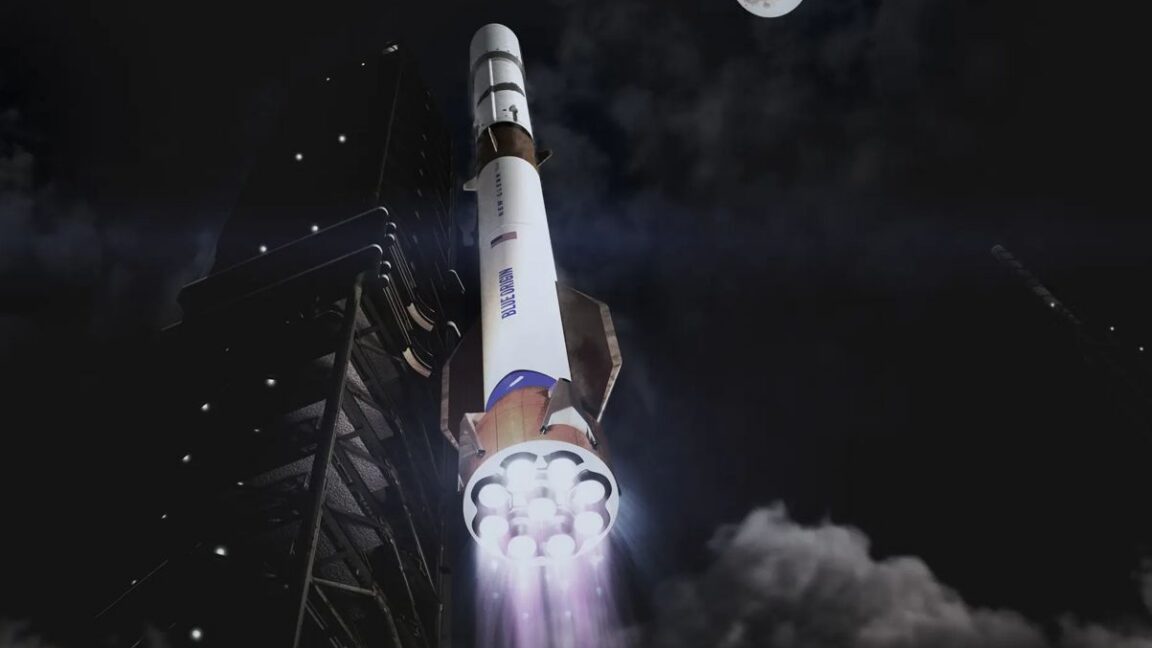
During the conversation, Berger reported that the current Blue Origin "architecture" for a human mission would require four launches of new variant of the New Glenn rocket, known as 9x4, because it has nine first stage engines, and four upper stage engines. This is a more powerful version than the "7x2" variant that exploded a little more than a month ago. Blue Origin has not set a target date for the 9x4 rocket's debut, but some sources have indicated the company is targeting late 2027 or early 2028.

Read full article

Comments

Β© Blue Origin

  •  

NASA chief praises progress Blue Origin is making after launch failure

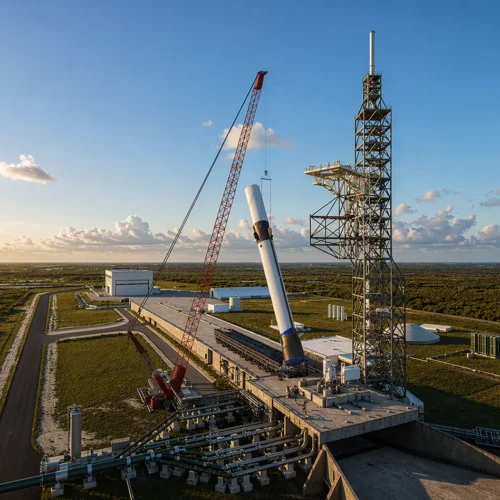
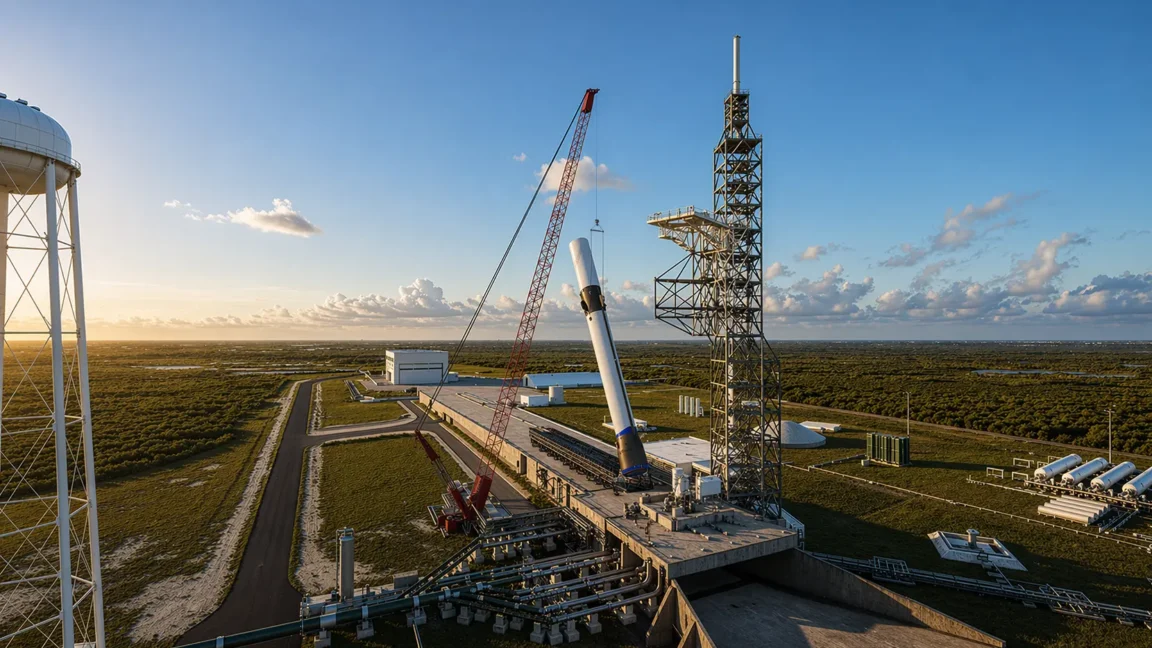
NASA Administrator Jared Isaacman said this week that Blue Origin has been putting significant resources into the cleanup of its launch pad since the explosion of its New Glenn rocket there in late May.

"Blue Origin's response to the situation is almost beyond impressive, and that's not just a NASA assessment," Isaacman said in response to questions from reporters on Wednesday afternoon. He noted that officials from the US Space Force have also been deeply involved in Blue Origin's planning and work since an anomaly during a test firing took out New Glenn's only operational launch pad on May 28.

NASA has a significant stake in Blue Origin's return to flight. It is counting on the company's Mk. 1 lander to carry dozens of cargo missions to the Moon, and its Mk. 2 lander to eventually ferry people to the lunar surface. The company's New Glenn rocket was expected to play a critical role in launching both of those landers.

Read full article

Comments

Β© Blue Origin

  •  

NASA may send a backup, nuclear-powered Mars rover to the Moon

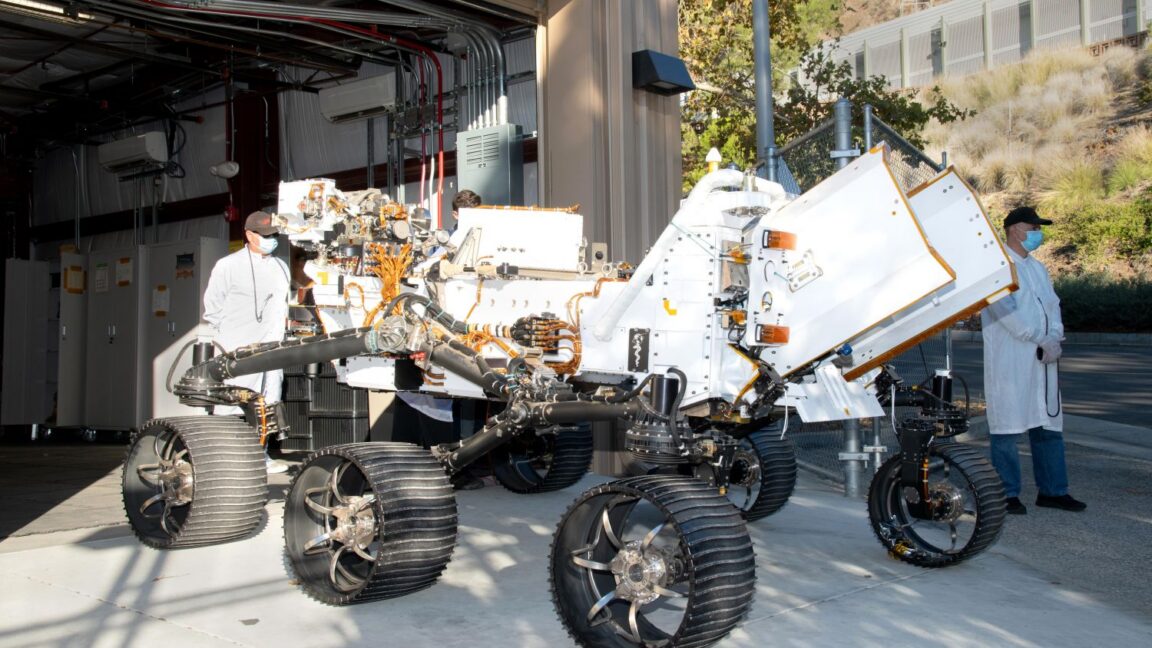
NASA officials said Tuesday that they are seriously considering sending the full-scale engineering model of the Perseverance rover, which is currently housed at the Jet Propulsion Laboratory in California, to the Moon to expedite their efforts to explore the south pole region.

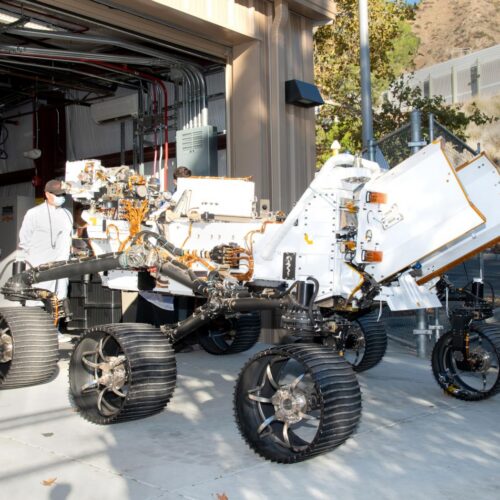
The car-sized rover nicknamed "Promise," which serves as a testbed for Perseverance and was not otherwise planned for a launch, would land equipped with a multi-mission radioisotope thermoelectric generator (MMRTG)Β to power it across difficult terrain and through the lunar night. NASA's other rovers primarily operate on solar power.

"We are thinking very hard right now about sending Promise to the Moon," NASA Administrator Jared Isaacman said Tuesday during a monthly update on the agency's plans to build a Moon base.

Read full article

Comments

Β© NASA

  •  
❌