Reading view

Chemical accidents rise as Trump administration proposes weakening safety rules

Physicist Ronald Koopman appeared at a Southern California Air District meeting in 2018 to talk about what seemed like an arcane scientific topic: hydrofluoric acid dispersion and water mitigation testing.

Hydrofluoric acid, also known as hydrogen fluoride or HF, is used to manufacture a range of materials, including refrigerants, gasoline, fluorine-based pesticides and fluoropolymers like those used to make Teflon. It’s also one of the most corrosive and dangerous chemicals known. Koopman conducted experiments with the chemical in the 1980s that warned about the potential of deadly accidents at facilities that use the hazardous materials.

With the Trump administration poised to roll back rules intended to protect workers and communities from catastrophic industrial chemical releases, and a new analysis showing rising rates of chemical accidents, Koopman’s presentation on highly hazardous materials has taken on a new urgency.


Read full article

Comments

© Apu Gomes/Getty Images

  •  

The missing 500 million: Cosmic bombardment melted Earth's first crust

Earth is the only planet we know of with buoyant, silica-rich continents. But, despite decades of research, geologists still don't agree on how they formed. "The continents started appearing around about four billion years ago—that's the oldest continental rock we know about,” said Tim Johnson, a geologist at Curtin University in Perth, Australia. “The Earth is four and a half billion years old, so why they started appearing then is unknown, as is the mechanism to make that continental crust."

Johnson and his colleagues are now arguing that the formation of continents on Earth was caused largely by an intense, sustained barrage of asteroid impacts that kept the early crust hot and thin enough to make buoyant continents possible. In short, the lands we live on are here because of ancient bombardment from space.

Plates and plumes

The problem with studying the formation of continents is that the geological evidence of this process is almost gone. The oldest known continental-type rocks crystallized around 4.03 billion years ago, right at the end of the Hadean eon (the earliest era in Earth’s history, spanning the first 500 million years of its existence). Rare basaltic rocks date back about 4.2 billion years, and a handful of the oldest zircon crystals push the record back to 4.4 billion years. Beyond that, there's hardly anything else. So, scientists looking into the origin of continents had to rely largely on educated guesses. “There are huge debates about what was going on in the early Earth, because the data is so scarce,” Johnson said.

Read full article

Comments

© NASA's Goddard Space Flight Center Conceptual Image Lab

  •  

Review: Supergirl is not the disaster its low box office suggests

Pour one out for Supergirl, the latest installment in the DCU's Gods and Monsters chapter, which has been beset by online troll attacks, mixed reviews, and a very disappointing opening weekend box office—not the outcome Warner Bros. was hoping for with this follow-up to last year's Superman. It's actually a pretty good movie, as such films go, but it's not a great movie. And in today's over-saturated superhero market, that's just not sufficient to get people out of their homes and into theaters, rather than waiting for the film to come to streaming platforms.

(Some spoilers below but no major reveals.)

The studio tapped Ana Nogueira to write the script, a holdover from the former DCEU plans for a standalone Supergirl film. (The character appeared in the finale of 2022's The Flash, played by Sasha Calle.) The project was reimagined when James Gunn and Peter Safran took over and launched the "soft reboot" DCU. Director Craig Gillespie (Lars and the Real Girl, I Tonya) signed on to direct.

Read full article

Comments

© Warner Bros.

  •  

When the ability to smell goes away

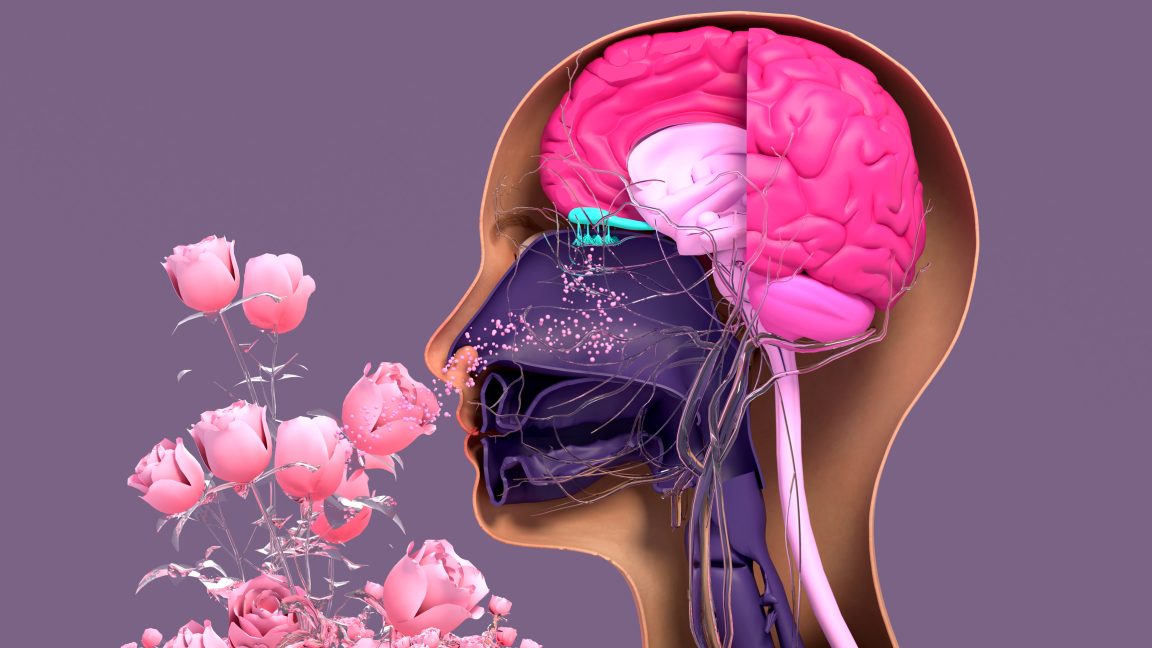
About 14 years ago, Chrissi Kelly lost her sense of smell. She had traveled to the Czech Republic to visit family and caught some virus. Months later, when she still couldn’t smell, she made the rounds to doctors, including her general practitioner and an ear, nose and throat specialist, trying to find answers.

She was diagnosed with anosmia (smell loss), and like many patients with her condition, was told she’d have to learn to live with it. But for her, the loss was catastrophic. “After about six months of complete loss, I was just climbing the walls, and I did not feel like myself anymore,” she says.

Researchers estimate that up to 22 percent of the population lives with smell impairments, like hyposmia (partial smell loss) or anosmia (complete smell loss). And many others live with smell disorders like phantosmia, in which a person picks up phantom smells, or parosmia, where typically pleasant scents like coffee or shampoo begin to register as highly unpleasant (think feces or vomit). Yet the conditions have been poorly understood, underdiagnosed and often minimized by clinicians.

Read full article

Comments

© Design Cells

  •  

A martian rock has lots of carbon on it, and it's not clear why

NASA’s Perseverance rover has spent five years traversing Jezero Crater looking for the chemical leftovers of whatever processes were at work on Mars billions of years ago. The rover has found organic carbon, but it has mostly been inside rocks that had to be drilled or abraded to expose it. But now, at an outcrop on the edge of an ancient river channel named Neretva Vallis, Perseverance detected complex macromolecular carbon sitting right on the rock’s surface.

“To our knowledge, that’s the shallowest detection of organic matter on Martian surface to date,” said Ashley E. Murphy, a researcher at the Planetary Institute in Tucson, Arizona, and lead author of the study of the rock, which was found at a site called Bright Angel. On Earth, this much macromolecular carbon usually suggests a biological origin. But to learn what this Bright Angel carbon is and where it came from, we might need to bring samples back to Earth.

Carbon on the rocks

The detection of Bright Angel carbon came from SHERLOC (Scanning Habitable Environments with Raman and Luminescence for Organics and Chemicals), a UV Raman spectrometer fitted on Perseverance’s robotic arm. SHERLOC fires a deep-ultraviolet laser at a target and reads the light that bounces back at shifted energies, a signal that enables scientists to identify specific molecular bonds.

Read full article

Comments

© NASA/JPL-Caltech

  •  

Rocket Report: Indian startup nears first launch; SpaceX's millenary milestone

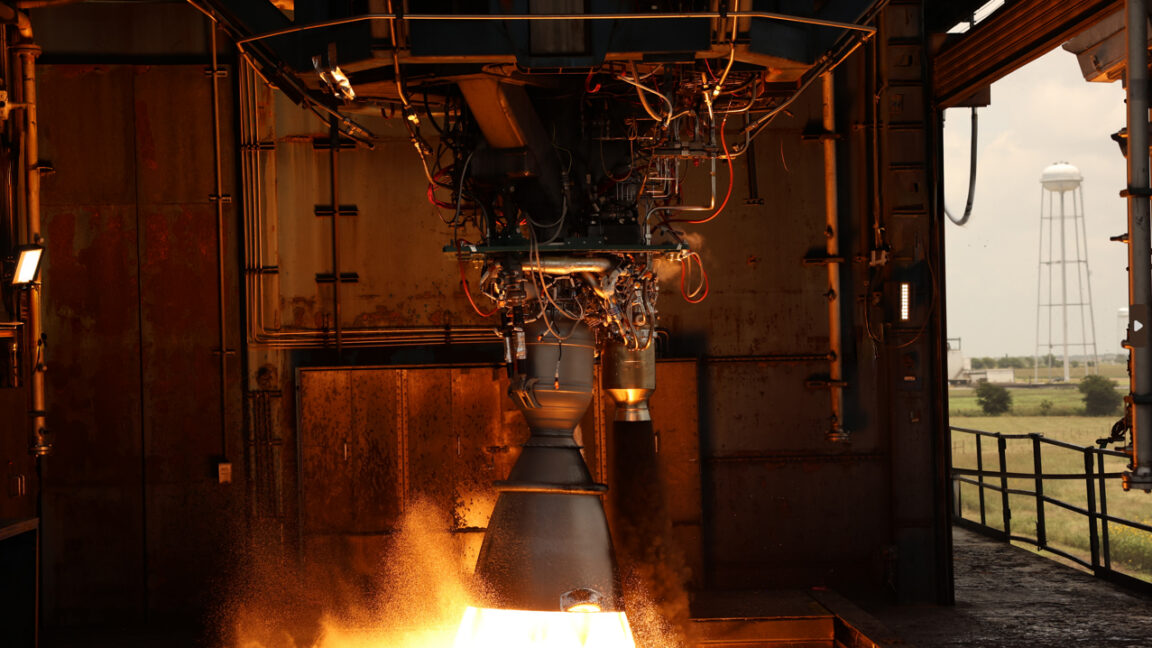
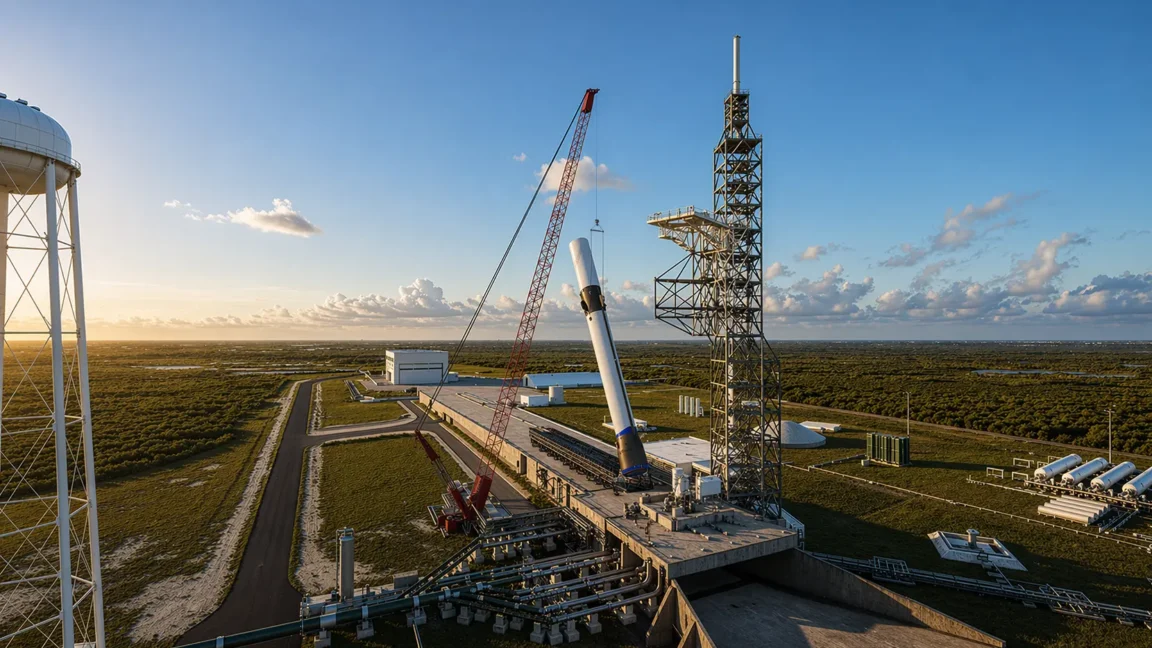
Welcome to Edition 9.01 of the Rocket Report! Back in January, I wrote about the 20 launches and landings we were most excited about in 2026. The list included things that were, at the time, officially scheduled to occur this year. I also gave my own view of the probability of each of these events actually happening before December 31. Halfway through the year, we can only count one of the events as completed, and that was NASA's Artemis II mission in April. Many are now scheduled for next year, proving again that delays are a constant in the space industry. A couple of them—such as the launch of NASA's Roman Space Telescope—do appear to be on track to happen soon.

As always, we welcome reader submissions. If you don't want to miss an issue, please subscribe using the box below (the form will not appear on AMP-enabled versions of the site). Each report will include information on small-, medium-, and heavy-lift rockets, as well as a quick look ahead at the next three launches on the calendar.

Swift Boost Mission reaches orbit. A pioneering commercial mission to reboost the orbit of NASA's Swift astronomy satellite launched early Friday after attempts earlier in the week were thwarted by bad weather and a technical issue. The Link servicing satellite developed by Katalyst Space Technologies soared to orbit on the tip of a Northrop Grumman Pegasus XL rocket that dropped from the belly of a modified L-1011 jetliner over the remote Pacific Ocean. Mission managers called off two launch attempts Tuesday and Wednesday due to poor weather around the L-1011's staging base on Kwajalein Atoll in the Marshall Islands. On Thursday, "a launch vehicle issue temporarily prevented teams from deploying the rocket" after takeoff of the L-1011.

Read full article

Comments

© SpaceX

  •  

Inside the Luddite festival harnessing Gen Z’s rage against Big Tech

On a Sunday evening in the middle of Tompkins Square Park in New York City’s East Village, hundreds of people gather in front of a giant papier-mâché face of a woman wearing a crown. She’s the backdrop of a play, her body made up of curtains that look like a dress but serve a dual purpose, allowing actors to scurry on and offstage.

I’m here to watch a performance called “Luddite Recreations,” which is a history of the Luddite movement—a group of artisans and textile workers who resisted the adoption of machines during the early years of the Industrial Revolution in England and whose resistance to being displaced from their work was met with violence by the British monarchy.

It’s one of the opening events of the Summer of Ludd, a weeklong series of talks and activities like how to flirt and date offline, mending, and learning to fight against data centers, all focused on getting people off their phones and into community.

Read full article

Comments

© Rapeepong Puttakumwong via Getty Images

  •  

Despite the darkness, I still see signs of hope in America

The last time America celebrated a big anniversary, I was all of three years old. Even so, I retain a few fuzzy memories from a sunny summer afternoon in small-town Michigan: climbing on a cannon in front of the courthouse, watching a parade, and seeing my dad, a veteran and Centreville city councilman, giving a short talk about democracy.

Only later would I realize the significance of the date: July 4th, 1976, America’s bicentennial.

America was imperfect and inconsistent in its approaches to "freedom," but the country had done some big, difficult things in recent decades. We had led the charge to roll back the tide of fascism and Holocaust during World War II. We had begun to confront internal demons through the nonviolent activism of the civil rights movement. And, critically for my own life trajectory, we had landed on the Moon.

Read full article

Comments

© Aurich Lawson | Getty Images

  •  

Visiting the stars (and planets, and telescopes) in VR

Having a computer strapped to my face for 40 minutes was one reason to feel a little sweaty. But the tour of the Universe I had just received in virtual reality—including visits to the near vicinity of the Sun, the giant black hole at the center of our galaxy, and a hellscape of an exoplanet 41 light-years distant—provided another excuse for sensing some heat.

Smithsonian Starstruck: An Immersive Experience is a 40-minute astronomy walk-through. It debuted in Washington, DC, in May with solo adult tickets now ranging from $29 to $35 and group tickets for four or more starting at $18 each (all now discounted by 15 percent); it will also open in Denver, Orlando, Florida, and San Antonio, Texas, later this year. I stopped by on a Monday in June to take it in.

After some onboarding that included setting such preferences as closed captioning and signing a waiver, I had enough time to sit on a bench next to the exhibit space (which has hosted other VR experiences) to enjoy watching another attendee with a VR headset blurt out, “Oh my God!”

Read full article

Comments

© Smithsonian Starstruck

  •  

Wing Commander IV and the FMV future that never quite was

If I had to pick a chunk of the 1990s that feels the most 90s-ish to me, it'd be the two-year stretch between 1996 and 1997. 1996 saw me graduating from high school and starting college; 1997 saw me meeting my future wife and falling in love. While I tried to figure out how to navigate the University of Houston's still mostly pre-digital first-semester registration process (we had to sign up for classes over the phone, with touch-tone buttons, like cavemen!), the larger world kept turning in ways that felt inevitable and good and right. The Cold War was in the rearview mirror—how could we ever have been so worried about nuclear annihilation just a few years before? Russia was a friendly bear presided over by everyone's favorite drunk uncle, and things would obviously keep getting better, right?

Equally obvious, at least according to gaming tastemakers like Ken and Roberta Williams or Chris Roberts, was the idea that computer games from here on would blend together the best of what Hollywood and Silicon Valley had to offer, and the resulting "Silliwood revolution" would blast us forever into the world of fully interactive entertainment. Movies and games would blend together, and neither would be the same ever again! No longer would people sit in theaters just watching movies—audiences would get to choose how the film ended! And on the computer side of things, gone would be the days of lame graphics and clunky hand-drawn art—games would have big-name actors, big-budget sets, and huge special effects!

Screenshot of the "Grand Assembly" chamber from WC4's ending The "Grand Assembly" chamber is one of the major setpieces constructed for <em>Wing Commander IV's</em> filming (on film!). Credit: Origin Systems/EA

And if 1996–1997 was the high water-mark of the 90s for me, then the game that most matched that high water-mark was Wing Commander IV: The Price of Chris Roberts Having Full Creative Control—erm, I mean, Wing Commander IV: The Price of Freedom.

Read full article

Comments

© GOG/Origin Systems/EA
  •  

Newly discovered PamStealer isn't your typical macOS malware

Researchers have found a never-before-seen piece of macOS malware that combines a series of clever tradecraft to infect Macs with stealthy, custom-developed credential-stealing code.

The malware is delivered in two stages. The first is distributed in a disk image that masquerades as Maccy, a clipboard manager for Macs. It’s compiled as AppleScript that is notable for the way it delivers the second stage. The malware is named PamStealer because the Rust-written infostealer uses the Pluggable Authentication Modules interface built into macOS to validate the target’s login password before sending it to an attacker-controlled server.

A quieter execution chain

The use of both disk image and AppleScript is common in malware for Macs. More unusual is the way PamStealer combines them to gain stealth. When the AppleScript is double-clicked, it’s opened in the macOS Script Editor, where the malicious functionality is buried deep within the file.

Read full article

Comments

  •  

FAA proposal: Supersonic airliners can fly over US cities if they’re quiet

A long-standing ban on commercial supersonic flights over the United States would be overturned in a new rule proposed by the US Federal Aviation Administration. That could pave the way for the possible return of commercial supersonic airliners—as long as such aircraft can reduce the ground-level impacts of their sonic booms.

The FAA originally banned overland supersonic flights by civil aircraft in 1973, following US military tests involving supersonic flights over US cities such as Oklahoma City, Chicago, and St. Louis in the 1960s. But the Trump administration has championed the repeal of the ban to pave the way for supersonic airliners that could operate without disruptive sonic booms. So the FAA’s new rulemaking action on June 30, 2026, follows the direction of an executive order issued by President Trump on June 6, 2025.

The newly proposed rule would replace the 53-year prohibition with an interim “noise-based” certification standard requiring any sonic boom overpressure at the surface to be kept below 0.11 pounds per square foot. That proposed standard is based on the Colorado-based startup Boom Supersonic having demonstrated quiet Mach cutoff flights with its XB-1 aircraft—harnessing specific atmospheric conditions while flying just beyond supersonic speeds at higher altitudes so that the aircraft’s shockwaves are refracted upward into the atmosphere rather than traveling to the ground.

Read full article

Comments

© Boom Supersonic

  •  

Ars Live recap: When are the big rockets NASA desperately needs going to be ready?

New Glenn Catastrophe Aftermath: What's Next for the Space Industry? | Ars Live

This week Ars hosted a live discussion with two space industry experts about the aftermath of the catastrophic explosion of the New Glenn rocket in late May.

Along with Ars Technica Space Editor Eric Berger; the director of research at Quilty Space, Caleb Henry; and the host of the Main Engine Cut Off podcast, Anthony Colangelo, spoke about various topics. Chief among them was the implications of this failure for NASA's attempt to land humans on the Moon for the Artemis IV mission. Blue Origin and SpaceX are both building landers to support this goal and the rockets to deliver them to the Moon.

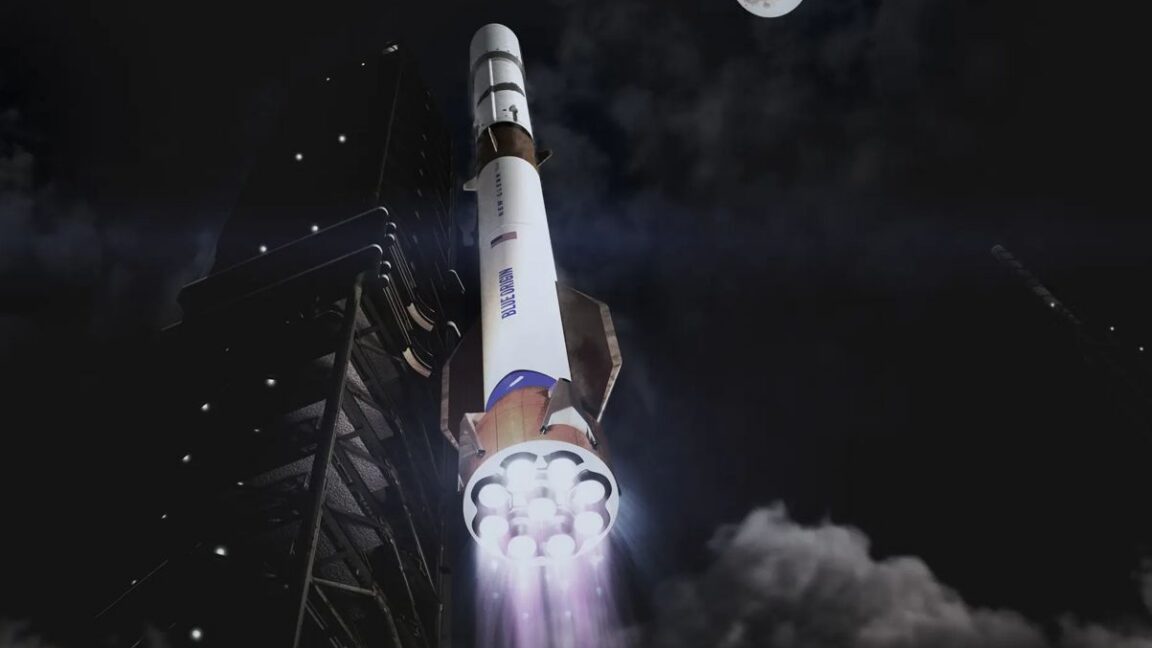
During the conversation, Berger reported that the current Blue Origin "architecture" for a human mission would require four launches of new variant of the New Glenn rocket, known as 9x4, because it has nine first stage engines, and four upper stage engines. This is a more powerful version than the "7x2" variant that exploded a little more than a month ago. Blue Origin has not set a target date for the 9x4 rocket's debut, but some sources have indicated the company is targeting late 2027 or early 2028.

Read full article

Comments

© Blue Origin

  •  

Plex debuts 5-year membership pass for $250

When Plex launched in 2012, it sold lifetime access to its media server software for $75. In 2014, Plex raised the price to be more sustainable for the company, it said, and for years, Lifetime Plex Passes cost $120. Even the pricier $250 rate, which Plex offered from March 2025 until yesterday, was a steal compared to what $250 buys you at Plex now: a five-year subscription.

As first spotted by The Desk, Plex yesterday launched the five-year Plex Pass. It comes alongside Lifetime Pass prices increasing to $750 yesterday, a change that Plex announced in May and, in a blog post update this week, said: “reflects the real, ongoing value of the software and our commitment to building, improving, and supporting Plex for years to come.”

The stark change in what $250 can get you at Plex is indicative of the company’s financial goals. Plex hasn’t yet announced profitability and has raised $87.6 million over nine rounds of funding, per CB Insights. The company is looking to squeeze more money out of its users and price its media server business higher.

Read full article

Comments

© Avishek Das/SOPA Images/LightRocket via Getty Images

  •  

Africa CDC confirms Marburg case in Uganda as Ebola outbreak rages

Amid disease surveillance for the ongoing Ebola outbreak, Ugandan health authorities identified a case of Marburg virus disease in a one-and-a-half-year-old child, who has died, according to Africa Centers for Disease Control and Prevention. But Ugandan health officials appear reluctant to publicly disclose information about the case and its context.

Marburg virus is related to Ebolaviruses and causes similar hemorrhagic disease. Its transmission routes and prevention measures are likewise similar.

On Wednesday, Africa CDC told Reuters that no contacts of the deceased toddler had developed symptoms, and there were no other current active cases in the country, citing Ugandan health authorities. But when Reuters reached out to Uganda's health ministry, a spokesperson said he was not aware of a Marburg outbreak.

Read full article

Comments

© Getty | BADRU KATUMBA

  •  

Artificial cell manages a few rounds of cell division

Understanding the origin of life requires addressing a collection of overlapping scientific questions. We've made a lot of progress toward explaining how simple chemicals present on an early Earth built the complex molecules used by life and how some of those chemicals built the first genetic/catalytic molecules. But we're much further from understanding a key conundrum: How did membranes end up surrounding the first cells?

It's relatively easy to make membranes spontaneously form in water, and they'll enclose anything dissolved in that water, including nucleic acids. But the membranes then cut their interior off from everything else in the solution. Any interesting chemical reactions enclosed there would eat through the raw materials and grind to a halt.

Now, a lab at the University of Minnesota has announced that it has developed a simplified system in which a membrane encloses some genetic material but can continually import new materials supplied to it. The system also spontaneously divides, producing a few generations of "offspring" before things start failing. It's still extremely dependent upon human intervention, but it might provide a new avenue to explore questions about the origin of life and what a truly minimalistic form of life might look like.

Read full article

Comments

© Biotic

  •  

Google loses long-running appeal of record EU fine, will have to cough up $4.7 billion

Back in 2018, Google was handed a record-setting 4.34 billion-euro ($4.9 billion) fine in Europe for abusing its monopoly on Android. The company has spent the intervening years challenging that decision, but the continent's highest court has put a stop to that. The Court of Justice of the European Union has affirmed the penalty, meaning Google is out of options.

Google's fight may not have turned out the way the company wanted, but it wasn't for nothing. The initial amount was trimmed slightly by a lower court in 2022, bringing the total to a still record-setting 4.1 billion euros ($4.7 billion). And that looks like the amount Google will have to pay since there are no further avenues for appeal.

The fine stems from the way Google bundles apps and services with Android phones. The EU took issue with Google search and Chrome being the default options on Android. Even devices made by other companies, such as Samsung and Xiaomi, include Google apps as the default per the Android licensing agreement, giving Google an unfair advantage, according to European antitrust regulators. This is not to be confused with a 2.95 billion euro ($3.45 billion) fine against Google's advertising monopoly issued by the European Union last year.

Read full article

Comments

© Getty Images / SOPA Images

  •  

Trump gets OpenAI to offer US 5% stake, far lower than Sanders’ target

OpenAI CEO Sam Altman is reportedly in active talks with the Trump administration about the US potentially acquiring a 5 percent stake in the leading AI firm.

Insider sources told the Financial Times that these talks are in “early stages,” but Altman “has argued that giving the public a financial stake in the company is the best way to share the upside of AI.”

Donald Trump favors the idea, and his administration has reportedly been talking to several AI firms about the possibility. According to FT’s sources, other companies approached to share similar stakes include Google and Meta.

Read full article

Comments

© NurPhoto / Contributor | NurPhoto

  •  

Musk’s X poses “serious risk to Americans’ privacy,” advocates warn FTC

Ahead of a July 2 deadline to submit public comments, advocates are warning the Federal Trade Commission that it must keep close watch over Elon Musk’s X and firmly reject a recent bid to end the agency’s ongoing audits of the platform’s data handling.

Last month, the FTC posted a notice explaining that X had argued that an FTC order was no longer necessary due to changes Musk had made to the platform.

The initial order came as a penalty after the FTC found that a coding error had caused then-Twitter to improperly share users’ contact information for ad targeting that had initially been submitted for two-factor authentication. Under the order, X is subjected to costly independent audits, and the FTC has authority to demand documents to ensure compliance with data privacy laws without taking additional legal action.

Read full article

Comments

© CHARLY TRIBALLEAU / Contributor | AFP

  •  

Tesla sales increase by 25% in Q2 2026

If the car-buying public had qualms about Tesla, it appears to have gotten over them. This morning, the automaker released its sales and production numbers for the second quarter of the year. And if you're a fan of activist CEO Elon Musk, it's good news, as April, May, and June were great months for the company. In total, Tesla sold 480,126 EVs during Q2, a 25 percent year-over-year increase.

As expected, the Model 3 and Y make up the vast majority of sales; despite its size, Tesla still only mass-produces these two models, which accounted for 467,762 deliveries, a 25.2 percent increase compared to Q2 last year. The remaining 12,364 vehicles—a 19 percent increase compared to the same quarter in 2025—were a mix of the now-discontinued Models S and X and the controversial Cybertruck, which is only sold in North America and the Middle East.

Better news for Tesla fans is that the company appears to be getting a handle on its overproduction problem. As we noted when it published its Q1 2026 results in March, Tesla had a growing inventory problem, repeatedly building more cars each month than it could sell. But total production for Q2 was 451,758 cars; this is a 10 percent increase year over year but also nearly 30,000 fewer cars than it sold this quarter.

Read full article

Comments

© Justin Sullivan/Getty Images

  •  

Woman's hip replacement disintegrates, causing severe metal poisoning

A 56-year-old woman was admitted to a hospital with an array of alarming symptoms that were only getting worse. For eight weeks, she had a painful "pins and needles" feeling that started in both of her feet and then began working its way up her legs. By the time she arrived at the hospital, she was unable to feel her feet on the ground. She frequently stumbled and clutched at walls to stay up. But the tingling numbness was moving into her hands, too. Then came neurological symptoms. She told her doctors about short-term memory problems and difficulty concentrating. She was irritable and had no appetite. She was experiencing heart palpitations, too.

According to a case report this week in the New England Journal of Medicine, her doctors looked through her medical history for clues, finding nothing that immediately stood out. She had high blood pressure, a history of anxiety and depression, and hypothyroidism (an underactive thyroid). They did notice that, although she had managed the thyroid problem for more than a decade at the same dose of medication, she had been switched four weeks earlier to a stronger dose. But the dosage change didn't immediately raise any red flags.

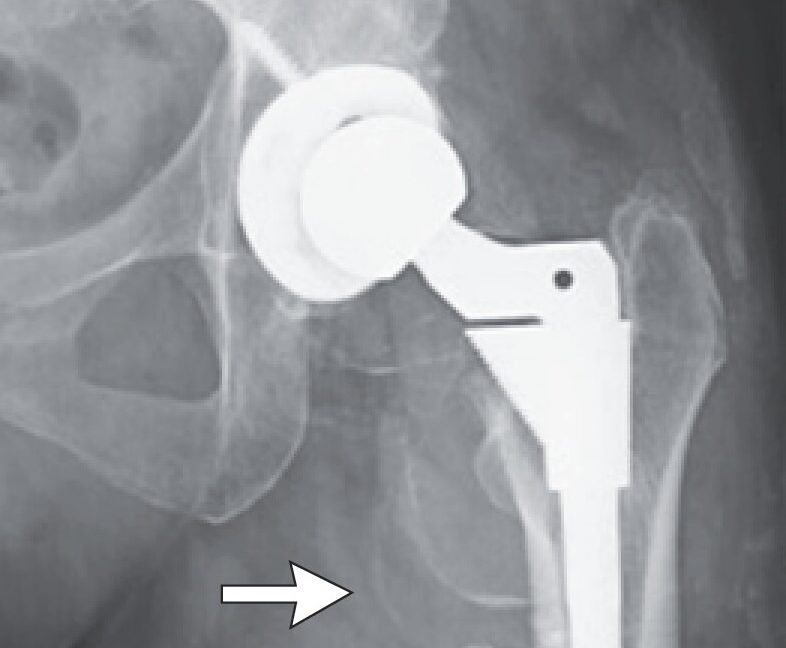
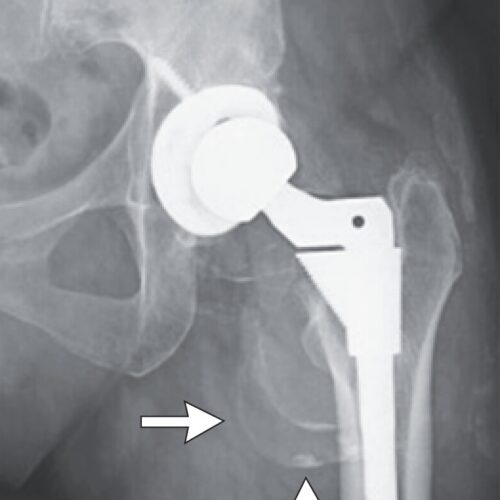
She also had a history of hip problems. Twenty years before, she had a hip replacement that stemmed from an injury she sustained in a car crash ten years before that. While more than 90 percent of hip replacements last at least 30 years, the woman's started failing her after 19.

Read full article

Comments

© New England Journal of Medicine, 2026, Bajwa et al.

  •  

Google’s AI buildout drove 37% increase in electricity use in 2025

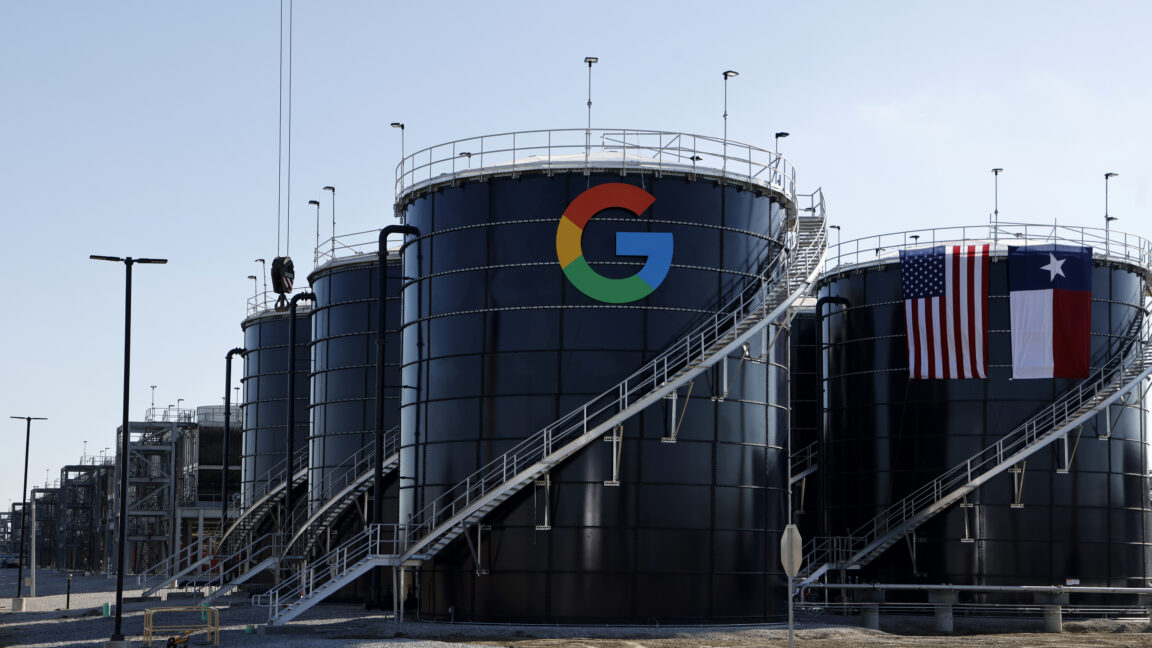
Google reported that its annual electricity consumption rose by 37 percent in 2025—the largest increase in the company’s history as Silicon Valley’s AI data center buildout continues. But the tech giant says it kept operational carbon emissions down by continuing to purchase massive amounts of clean energy.

The company’s latest sustainability report acknowledges that Google’s total electricity usage has increased by more than 250 percent since 2019, which the company attributed to ongoing growth in Google Cloud, YouTube video streaming, and data center construction and operations supporting various AI products and services. The unprecedented 37 percent annual increase is part of an ongoing trend, given how Google’s total electricity consumption also grew by 27 percent in 2024.

“While the path to achieving our climate ambitions will not be linear—given our AI infrastructure buildout is currently accelerating faster than the grid is decarbonizing—we remain focused on scaling abundant and affordable clean power globally and progressing technological innovations that drive down emissions across our operations and the broader industry,” according to the Google sustainability report.

Read full article

Comments

© Ron Jenkins | Getty Images

  •  

Editorial: It's time to step up and have your say for science

Near the end of May, the Office of Management and Budget (OMB) proposed a new rule that would govern how the federal government handles the grants it issues, including those that fund the vast majority of scientific research in the US.

If formalized, the rule would make political priorities the prime determinant of what science gets funded and sideline the opinions of scientific experts. Grants could be canceled due to political whims, and new layers of bureaucracy would inhibit basic scientific activities like publishing papers and attending conferences. Unlike the executive orders it echoes, it would have the force of law behind it and be significantly harder to challenge in court.

Before coming into force, however, the proposal must go through a process that includes public feedback and (potentially) changes in response. The deadline for that feedback—Monday, July 13—is rapidly approaching.

Read full article

Comments

© Alex Wong/Getty Images

  •  

T-Mobile moving tens of thousands of virtual machines off VMware amid lawsuit

T-Mobile is asking a New York court to rule that Broadcom was contractually obligated to continue supporting its VMware perpetual licenses.

In its complaint, T-Mobile said it has tens of thousands of virtual machines using VMware software across approximately 303,140 CPU cores. It also said that it was migrating off VMware but noted the time-consuming and technical challenges involved in migrating over 1,000 applications.

It filed its lawsuit, which was first reported by The Register today, in the Supreme Court of the State of New York in August 2025 (PDF).

Read full article

Comments

© Getty Images | Anna Moneymaker

  •  

NASA chief praises progress Blue Origin is making after launch failure

NASA Administrator Jared Isaacman said this week that Blue Origin has been putting significant resources into the cleanup of its launch pad since the explosion of its New Glenn rocket there in late May.

"Blue Origin's response to the situation is almost beyond impressive, and that's not just a NASA assessment," Isaacman said in response to questions from reporters on Wednesday afternoon. He noted that officials from the US Space Force have also been deeply involved in Blue Origin's planning and work since an anomaly during a test firing took out New Glenn's only operational launch pad on May 28.

NASA has a significant stake in Blue Origin's return to flight. It is counting on the company's Mk. 1 lander to carry dozens of cargo missions to the Moon, and its Mk. 2 lander to eventually ferry people to the lunar surface. The company's New Glenn rocket was expected to play a critical role in launching both of those landers.

Read full article

Comments

© Blue Origin

  •  

US home battery installations hit record high on rising electricity costs

US homeowners have embraced home batteries in record-breaking numbers in early 2026, spurred on by state incentives while seeking to offset rising residential electricity costs. The trend could even unlock a more flexible energy supply for power grid operators and even AI data centers.

New home battery installations reached a record 673 megawatts of energy storage in the first quarter of 2026, according to the US Energy Information Administration. That trend was driven by states with high electricity prices that have implemented policies to incentivize home battery installation, Bloomberg News reported.

This residential battery trend stands out as a natural next step for states that have already successfully boosted rooftop solar adoption among homeowners, given how batteries enable homeowners to use stored solar energy at night. California and Hawaii accounted for the majority of new residential battery storage, while Texas and Arizona also saw significantly higher numbers of installations.

Read full article

Comments

© Brett Coomer/Houston Chronicle via Getty Images

  •  

Superworms could replace beetles for cleaning skeletal remains

Fatemeh Rastekar, Niloofar Alaei Kakhki and Morteza Monfared discuss the safe and practical utility of superworm larvae for cleaning museum specimens. Credit: Anthony Lewis, PLOS/CC-BY 4.0

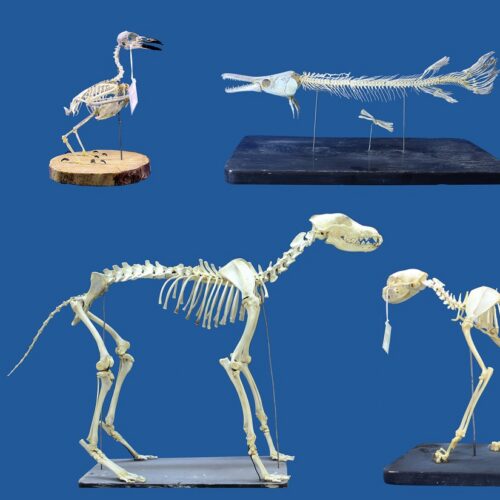
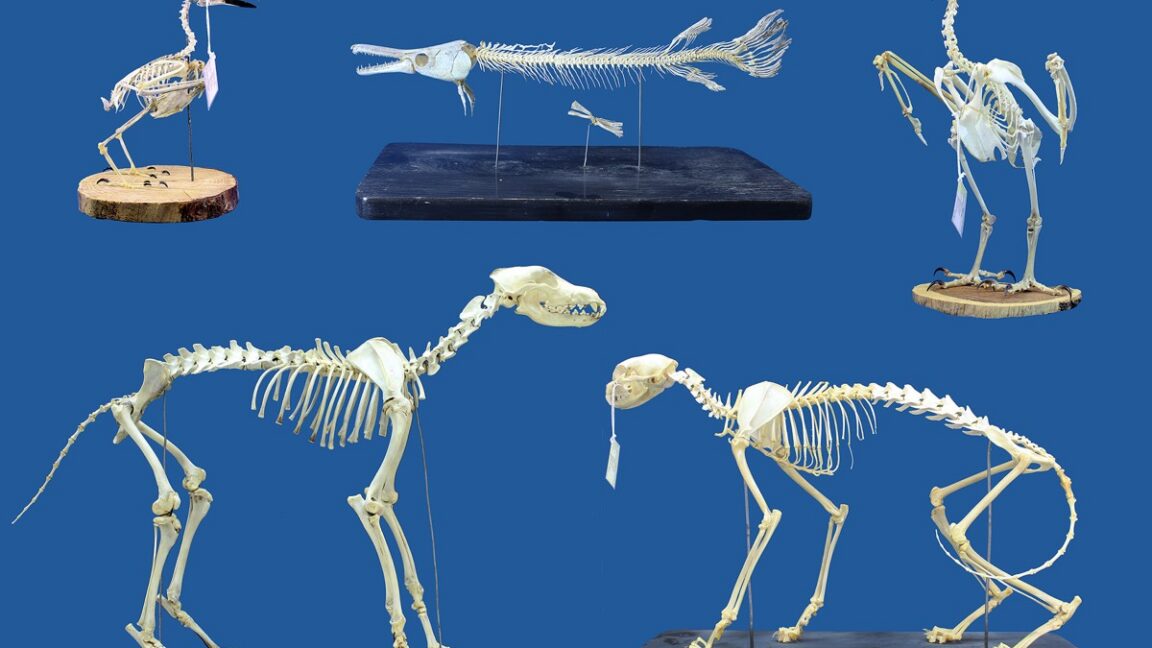
Preparing skeletal specimens for display in museums or for forensic studies requires the bones to be thoroughly cleaned to remove any remaining flesh or soft tissue. However, the need for thorough cleaning must be balanced against the risk of damaging the actual bones. According to a new paper published in the journal PLoS One, the larvae of so-called "superworms" (Zophobas morio)—a common pet food—offer a practical alternative.

There are existing methods for cleaning skeletal remains, such as burial, digestive enzymes, or chemical treatments. But most have drawbacks, including damaging bones, taking a long time to process, having expensive operational costs, or the use of environmentally hazardous substances. Using dermestid beetles has become the preferred method for skeletal cleaning since they can efficiently remove soft tissue without damaging the bone. The downside is that without strict containment practices, the beetles can escape and lay eggs that hatch, leading to infestations that threaten museum collections.

Fatemah Rastekar of Ferdowsi University of Mashhad in Iran and co-authors thought superworms might bring the same benefits as the beetles without the risk of infestation. For one thing, beetle colonies span all life stages and hence require complex containment; superworm cleaning only requires the larval stage, which lasts 10–12 weeks compared to just five to seven weeks for the beetles. And the larvae don't pupate in crowded conditions, so it's easier to manage the colonies while reducing the risk of escape. But could superworms match the cleaning efficiency of their rival beetles?

Read full article

Comments

© Rastekar et al., 2026, PLOS One/CC-BY 4.0

  •  

Sony announces end of PlayStation discs, parts of digital store in the same day

Some gamers are concerned about the future of game ownership after Sony's announcement today that it won’t produce physical discs for PlayStation games as of January 2028. On that date, “new games will be available on PlayStation Store and at retailers in digital formats only,” Sony said in a blog post.

Ditching discs is “a natural direction” for Sony “to adapt to consumer trends as the general preference for digital media significantly outpaces physical discs," the post said.

During Sony’s fiscal year ending on March 31, 2026, digital downloads accounted for 78 percent of full-game unit purchases, up from 76 percent in fiscal 2024.

Read full article

Comments

© Getty

  •  

A good little EV you won't be able to buy soon: The Volvo EX30 Cross Country

Did you know the average new vehicle in the US grew an inch (25 mm) wider and 22 inches (558 mm) longer between 2013 and 2023? That's probably obvious to anyone who steps foot outside these days, and it's a trend that we ought to reverse. Bigger cars might make their occupants feel more secure, but they invariably need more energy to get where they're going. And with f=ma being what it is, bigger vehicles tend to leave a lasting and deleterious effect on anything unlucky enough to be the other party in a collision. That makes today's tale a rather bittersweet one, because the Volvo EX30 could be the perfect antidote.

It's a compact and efficient electric crossover with a tiny carbon footprint but no compromises on safety, and it would be perfect for the current moment, except that Volvo recently decided to stop importing the car to the US. With the order books now closed, once the ~1,200-odd cars left in inventory are gone, they're gone.

After teasing us for a while, Volvo finally showed off the EX30 for real in 2023. At the time, the headline news was its price: $34,950 for the rear-wheel drive version before any tax credit. That would have made it one of the cheaper EVs available for sale in the US, but with Volvo's premium badge attached. That was before geopolitics got involved.

Read full article

Comments

© Jonathan Gitlin

  •  

Ithaca's king defies the gods in final The Odyssey trailer

We're counting down the days until the release of Christopher Nolan's The Odyssey, and Universal Pictures has released one last trailer to keep anticipation high.

Most of us read some version of The Odyssey in high school, so we’re familiar with the story: Odysseus, legendary Greek king of Ithaca, begins the long journey home after 10 years of fighting in the Trojan War. But the journey doesn't go smoothly, as Odysseus and his men encounter the cyclops Polyphemus, the Sirens, and an enchantress named Circe, among other obstacles. Meanwhile, Penelope, his long-suffering wife, wards off hundreds of suitors eager to usurp Odysseus’ position.

Matt Damon stars as the wandering Ithacan king. The cast also includes Anne Hathaway as Penelope; Tom Holland as Odysseus’ son, Telemachus; Robert Pattinson as Antinous, one of Penelope’s many suitors; Jon Bernthal as the Spartan king, Menelaus; Benny Safdie as the Achaean commander during the Trojan War, Agamemnon; John Leguizamo as Odysseus’ faithful servant, Eumaeus; Himesh Patel as his second-in-command, Eurylochus; Will Yun Lee and Jimmy Gonzales as crew members; and Mia Goth as Penelope’s maid Melantho. We also have Zendaya as Athena, Charlize Theron as Circe, and Lupita Nyong’o in a dual role: both Helen of Troy and Helen's sister, Clytemnestra.

Read full article

Comments

© YouTube/Universal Pictures

  •  

After spooking Trump into safety testing, Anthropic AI models get global release

The US has lifted export curbs on Anthropic’s newest Claude models, Fable 5 and Mythos 5, about three weeks after the Trump administration flagged the models as national security risks.

As of today, Anthropic confirmed in a blog post, Fable 5 will be available globally, and US organizations have had access restored to Mythos 5 since June 26. Anthropic said it is now working with the government to expand Mythos access to a “broader set of domestic and international partners in the Glasswing program.” That program allows cybersecurity researchers at trusted companies to access Mythos for defensive purposes.

In a letter to Anthropic viewed by Reuters and The New York Times, Commerce Secretary Howard Lutnick said Anthropic would “no longer need a license for exports or in-country transfers of its Claude Mythos and Claude Fable AI models.” The letter acknowledged that Anthropic had “taken steps in close coordination with the US government to address the risks” posed by the models.

Read full article

Comments

© NurPhoto / Contributor | NurPhoto

  •  

NASA inspector general suggests Boeing's Starliner will now be a decade late

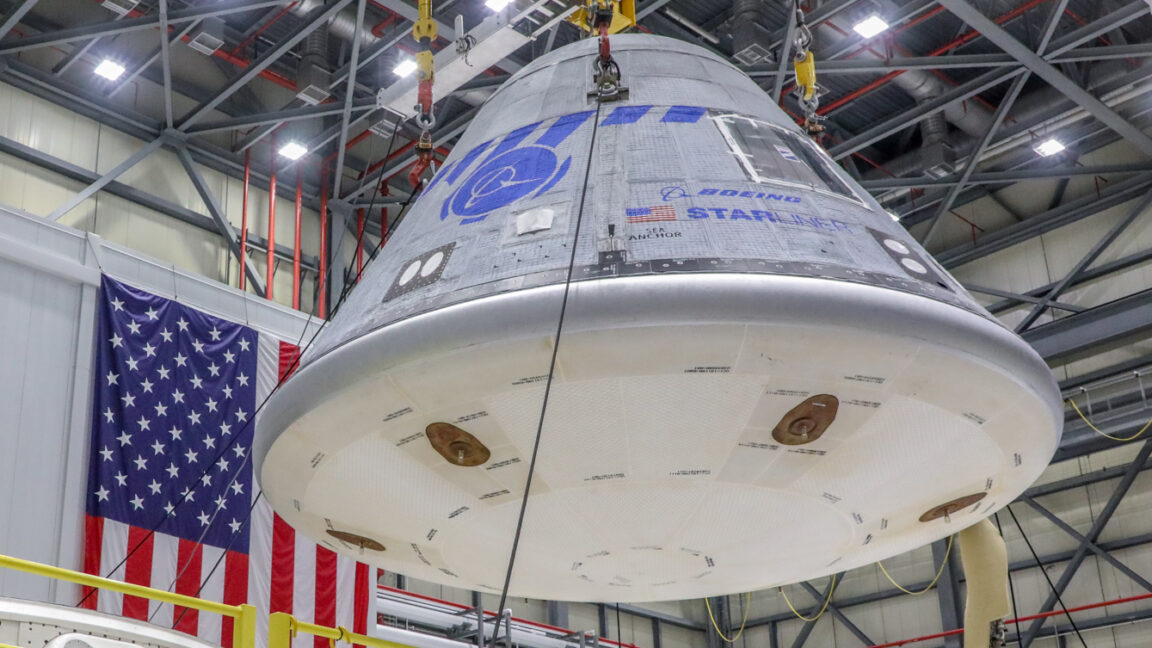
NASA's inspector general released an audit Tuesday of the agency's Commercial Crew Program, and it looks increasingly likely that Boeing's Starliner crew capsule won't be certified for operational flights to the International Space Station until next year.

That's just three years before NASA's official retirement date for the ISS in 2030, though lawmakers in Congress are seeking an extension until 2032. What's more, declaring Starliner ready for regular crew rotation flights next year would put the Boeing crew capsule a decade behind its original target of 2017.

The inspector general issued six recommendations. NASA officials agreed to all of them. The recommendations include developing a schedule for the next Starliner flight and future crew missions and making sure the schedule is updated to include sufficient time to ensure all of the problems from Starliner's first test flight with astronauts in 2024 are "resolved and documented."

Read full article

Comments

© Boeing

  •  

A space history mystery: What happened to the Viking arm used 50 years ago?

Michael Collins looked down at his watch.

The Apollo 11 astronaut had already beaten the original schedule for the opening of the National Air and Space Museum by three days, but no one would remember that if these final 36 minutes didn't go perfectly.

President Gerald Ford and Vice President Nelson Rockefeller took 35 seconds to find their seats on the red, white, and blue bunting-lined outdoor stage. The flyover by the Thunderbirds was quick enough. At any other event, it would have been the only time-dependent concern of the day.

Read full article

Comments

© Smithsonian/collectSPACE.com

  •  

UK likely to intervene in Paramount takeover of Warner Bros. Discovery

The British government could intervene in the $111 billion takeover of Warner Bros. Discovery by Paramount Skydance, citing concerns around the need for a plurality of views in news as well as media ownership in the UK.

UK culture secretary Lisa Nandy said on Tuesday that she was “minded to intervene” in the deal, which would create one of the world’s largest media and entertainment groups.

The takeover would lead to WBD media franchises such as CNN, HBO, and Warner Bros. movies being added to Paramount’s stable of assets, which include CBS in the US and Channel 5 in the UK.

Read full article

Comments

© Cheng Xin/Getty Images

  •  

Scientists find no link between Tylenol and autism, again, after Trump warning

Another large study has found no link between autism and Tylenol use during pregnancy, refuting claims by President Trump and anti-vaccine Health Secretary Robert F. Kennedy Jr.

In September, Trump and Kennedy held a press conference in which they stated without clear evidence that the common fever and pain reducer acetaminophen—sold as Tylenol in the US and also known as paracetamol—causes autism in children if taken during pregnancy. Trump repeatedly warned pregnant people not to take Tylenol and instead "tough it out" with fever and/or pain.

Medical organizations decried Trump's message, emphasizing that acetaminophen is a safe pain and fever reliever during pregnancy and that untreated fever during pregnancy is known to increase the risk of autism in babies as well as other conditions, including miscarriage, birth defects, and premature birth. Still, the president's warning was effective. Texas sued the maker of Tylenol over the alleged connection. And a study in The Lancet in March found that use of acetaminophen in pregnant patients in emergency departments fell by 10 percent after Trump's press conference.

Read full article

Comments

© Getty | Francis Chung

  •  

June research roundup: 6 cool science stories we almost missed

It’s a regrettable reality that there is never enough time to cover all the interesting scientific stories we come across. So every month, we highlight a handful of the best stories that nearly slipped through the cracks.  June’s list includes insight into the science of soccer's scissors feint; the physics of poo's distinctive coiled shape; a boron buckyball; and the latest breakthrough in the ongoing Vesuvius challenge to decipher the Herculaneum scrolls.

The science of soccer's scissors feint

close up of a soccer player's legs on the field as player performs the scissors feint Credit: Screenshot/YouTube/Howcast

With the FIFA World Cup in full swing, even scientists' thoughts are turning to soccer (or football for everyone else in the world). For instance, one common and highly effective dribbling maneuver is the "scissors feint," in which a player uses the outside of their feet to fake going one way and then cutting to the other. Japanese scientists studied university and junior high school soccer players of varying skill levels to study dribbling dynamics, focusing on the scissors feint. The movements were captured with high-speed cameras.

Read full article

Comments

© Pranav Joshi

  •  

Reddit will require you to log in to use old.reddit.com

Reddit will start requiring people to be logged into Reddit to use old.reddit.com.

The new requirement will take effect “over the next month,” a Reddit employee going by the username boat-botany announced on the social media platform today. The person claimed that the change is part of an ongoing effort to “tighten how automated systems access Reddit.”

The Reddit employee wrote:

Read full article

Comments

© Getty

  •  

Amazon blames piracy apps with malware for killing new Fire Stick sideloading

Amazon is blaming the threat of malware for its decision to stop releasing new Fire Sticks that support sideloading apps from outside Amazon’s Appstore.

Amazon has released two Fire Stick models that use its proprietary, Linux-based operating system, Vega OS. Previous Fire Sticks ran Fire OS, which is an Android fork based on the Android Open Source Project. One of the biggest differences between Vega OS and Fire OS is that the former doesn’t support sideloading.

It wasn’t surprising when Amazon released its first Vega OS-based Fire Stick. Although many tinkerers sideloaded apps, especially from the Google Play Store, for added functionality, sideloading had also become largely associated with streaming piracy, especially of sporting events.

Read full article

Comments

© Amazon

  •  

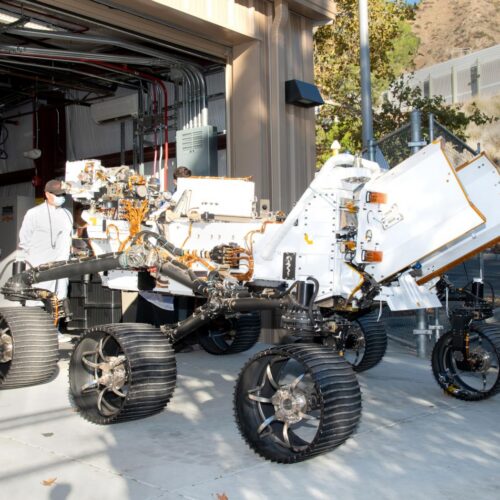
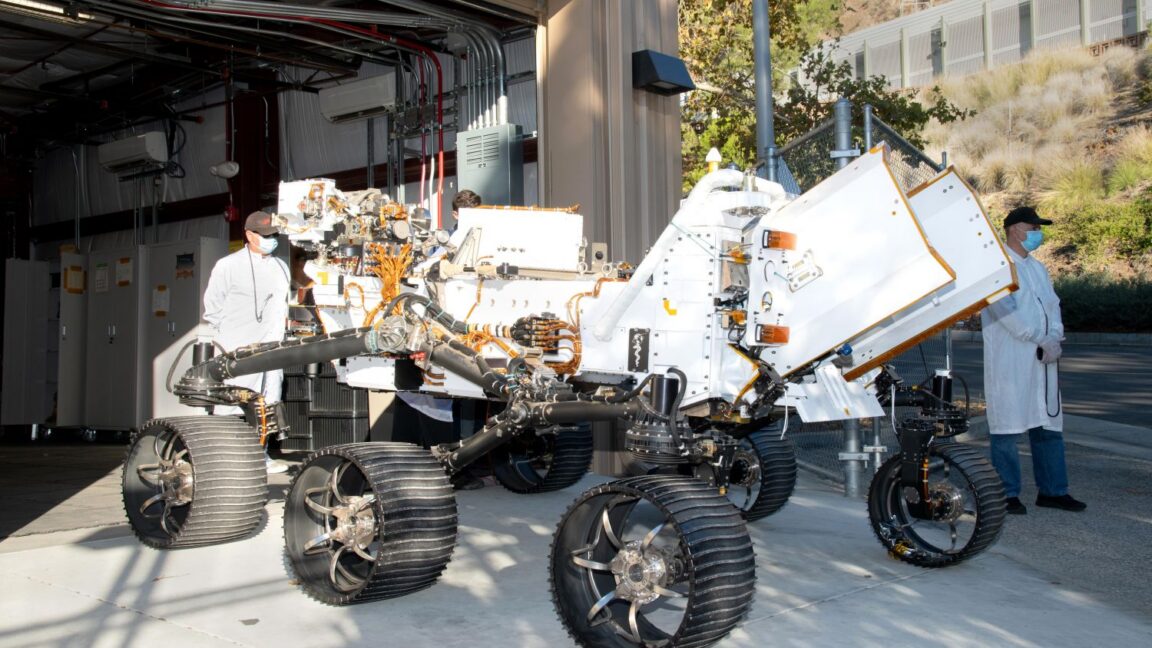
NASA may send a backup, nuclear-powered Mars rover to the Moon

NASA officials said Tuesday that they are seriously considering sending the full-scale engineering model of the Perseverance rover, which is currently housed at the Jet Propulsion Laboratory in California, to the Moon to expedite their efforts to explore the south pole region.

The car-sized rover nicknamed "Promise," which serves as a testbed for Perseverance and was not otherwise planned for a launch, would land equipped with a multi-mission radioisotope thermoelectric generator (MMRTG) to power it across difficult terrain and through the lunar night. NASA's other rovers primarily operate on solar power.

"We are thinking very hard right now about sending Promise to the Moon," NASA Administrator Jared Isaacman said Tuesday during a monthly update on the agency's plans to build a Moon base.

Read full article

Comments

© NASA

  •  

Google kills Tenor GIF API, forcing changes at X, Discord, and more

Google is so famous for killing products that there's a whole virtual graveyard you can explore. Google's latest shutdown now has a headstone of its own. Effective today, Google has discontinued the Tenor API, which you may not be familiar with by name. You've probably used it, though. Tenor is a database of searchable GIFs, which used to serve animated images to sites like X/Twitter, Discord, and more. Now, it only serves Google—maybe the headstone is a bit premature.

Like many Google products, Tenor started as an independent company. Google came along and bought Tenor in 2018, and it continued running it largely unchanged in the intervening years. Tenor was integrated into Google products like Gboard and Google Messages, but the API also gave other platforms a way to help users find, share, and save GIFs. It's similar to services like Giphy and Klipy.

In January, Google announced it was going to start winding down that API access. It stopped accepting new integrations at that time, and the end date has now arrived: As of June 30, the Tenor API is no more. Google, a company with nearly 200,000 employees and more than $130 billion in 2025 profit, says it decided to stop supporting the image API so it could better focus its resources. The real problem was probably that Tenor was free, and Google didn't see a way it could make money from a GIF API.

Read full article

Comments

© Aurich Lawson

  •  
❌