Reading view

Chemical accidents rise as Trump administration proposes weakening safety rules

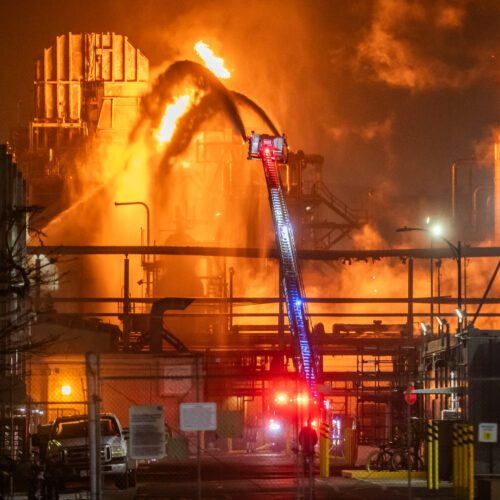
Physicist Ronald Koopman appeared at a Southern California Air District meeting in 2018 to talk about what seemed like an arcane scientific topic: hydrofluoric acid dispersion and water mitigation testing.

Hydrofluoric acid, also known as hydrogen fluoride or HF, is used to manufacture a range of materials, including refrigerants, gasoline, fluorine-based pesticides and fluoropolymers like those used to make Teflon. It’s also one of the most corrosive and dangerous chemicals known. Koopman conducted experiments with the chemical in the 1980s that warned about the potential of deadly accidents at facilities that use the hazardous materials.

With the Trump administration poised to roll back rules intended to protect workers and communities from catastrophic industrial chemical releases, and a new analysis showing rising rates of chemical accidents, Koopman’s presentation on highly hazardous materials has taken on a new urgency.

Read full article

Comments

© Apu Gomes/Getty Images

  •  

The missing 500 million: Cosmic bombardment melted Earth's first crust

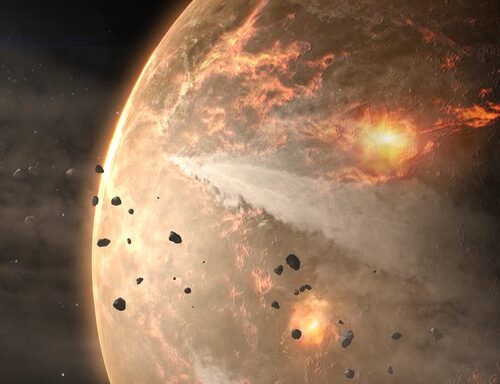
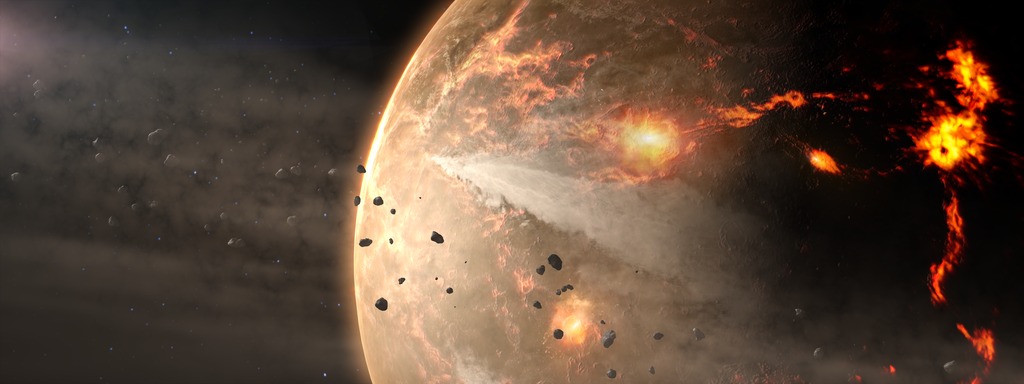
Earth is the only planet we know of with buoyant, silica-rich continents. But, despite decades of research, geologists still don't agree on how they formed. "The continents started appearing around about four billion years ago—that's the oldest continental rock we know about,” said Tim Johnson, a geologist at Curtin University in Perth, Australia. “The Earth is four and a half billion years old, so why they started appearing then is unknown, as is the mechanism to make that continental crust."

Johnson and his colleagues are now arguing that the formation of continents on Earth was caused largely by an intense, sustained barrage of asteroid impacts that kept the early crust hot and thin enough to make buoyant continents possible. In short, the lands we live on are here because of ancient bombardment from space.

Plates and plumes

The problem with studying the formation of continents is that the geological evidence of this process is almost gone. The oldest known continental-type rocks crystallized around 4.03 billion years ago, right at the end of the Hadean eon (the earliest era in Earth’s history, spanning the first 500 million years of its existence). Rare basaltic rocks date back about 4.2 billion years, and a handful of the oldest zircon crystals push the record back to 4.4 billion years. Beyond that, there's hardly anything else. So, scientists looking into the origin of continents had to rely largely on educated guesses. “There are huge debates about what was going on in the early Earth, because the data is so scarce,” Johnson said.

Read full article

Comments

© NASA's Goddard Space Flight Center Conceptual Image Lab

  •  

When the ability to smell goes away

About 14 years ago, Chrissi Kelly lost her sense of smell. She had traveled to the Czech Republic to visit family and caught some virus. Months later, when she still couldn’t smell, she made the rounds to doctors, including her general practitioner and an ear, nose and throat specialist, trying to find answers.

She was diagnosed with anosmia (smell loss), and like many patients with her condition, was told she’d have to learn to live with it. But for her, the loss was catastrophic. “After about six months of complete loss, I was just climbing the walls, and I did not feel like myself anymore,” she says.

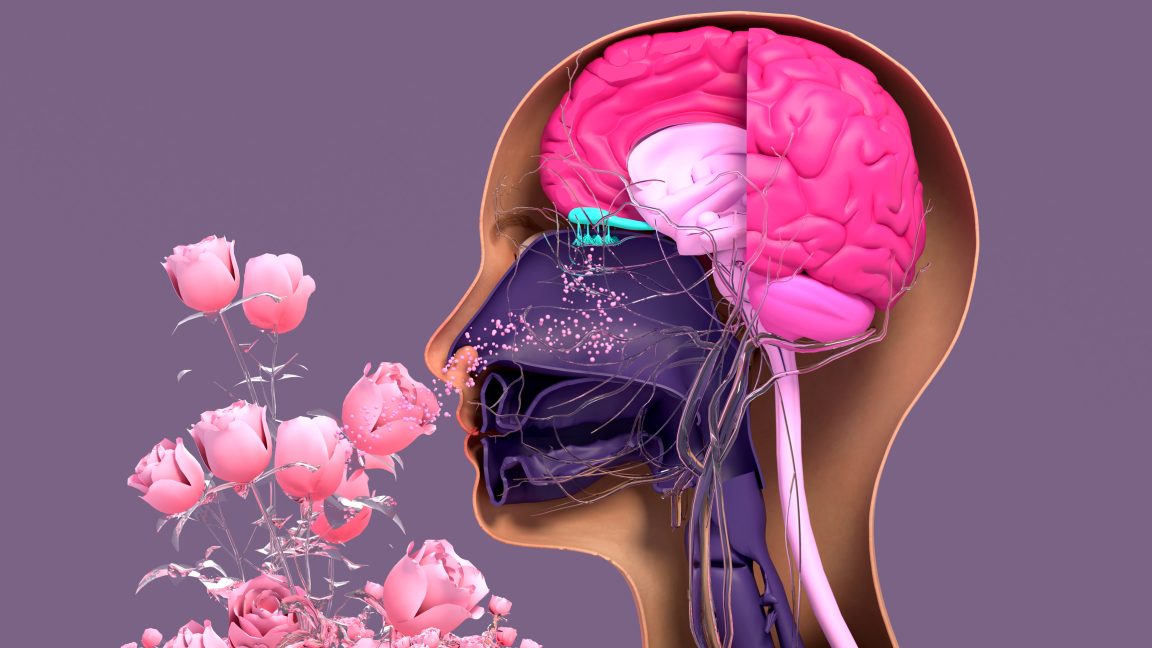
Researchers estimate that up to 22 percent of the population lives with smell impairments, like hyposmia (partial smell loss) or anosmia (complete smell loss). And many others live with smell disorders like phantosmia, in which a person picks up phantom smells, or parosmia, where typically pleasant scents like coffee or shampoo begin to register as highly unpleasant (think feces or vomit). Yet the conditions have been poorly understood, underdiagnosed and often minimized by clinicians.

Read full article

Comments

© Design Cells

  •  

A martian rock has lots of carbon on it, and it's not clear why

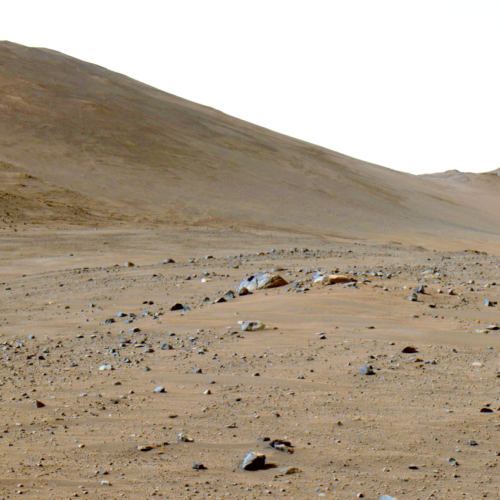
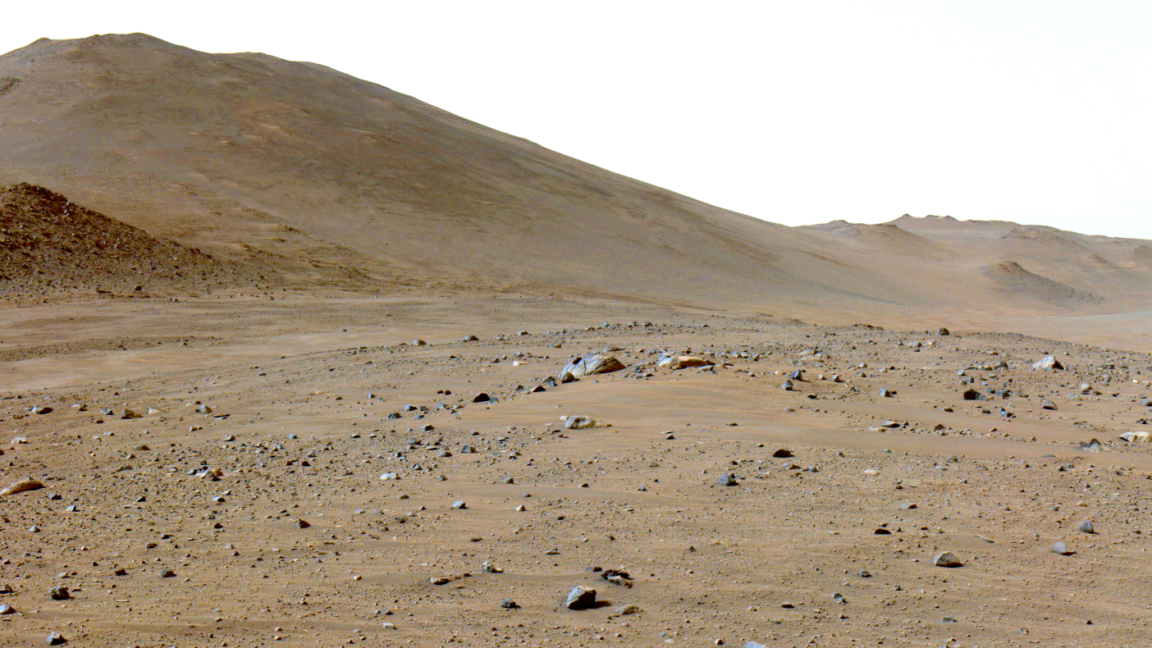
NASA’s Perseverance rover has spent five years traversing Jezero Crater looking for the chemical leftovers of whatever processes were at work on Mars billions of years ago. The rover has found organic carbon, but it has mostly been inside rocks that had to be drilled or abraded to expose it. But now, at an outcrop on the edge of an ancient river channel named Neretva Vallis, Perseverance detected complex macromolecular carbon sitting right on the rock’s surface.

“To our knowledge, that’s the shallowest detection of organic matter on Martian surface to date,” said Ashley E. Murphy, a researcher at the Planetary Institute in Tucson, Arizona, and lead author of the study of the rock, which was found at a site called Bright Angel. On Earth, this much macromolecular carbon usually suggests a biological origin. But to learn what this Bright Angel carbon is and where it came from, we might need to bring samples back to Earth.

Carbon on the rocks

The detection of Bright Angel carbon came from SHERLOC (Scanning Habitable Environments with Raman and Luminescence for Organics and Chemicals), a UV Raman spectrometer fitted on Perseverance’s robotic arm. SHERLOC fires a deep-ultraviolet laser at a target and reads the light that bounces back at shifted energies, a signal that enables scientists to identify specific molecular bonds.

Read full article

Comments

© NASA/JPL-Caltech

  •  

Rocket Report: Indian startup nears first launch; SpaceX's millenary milestone

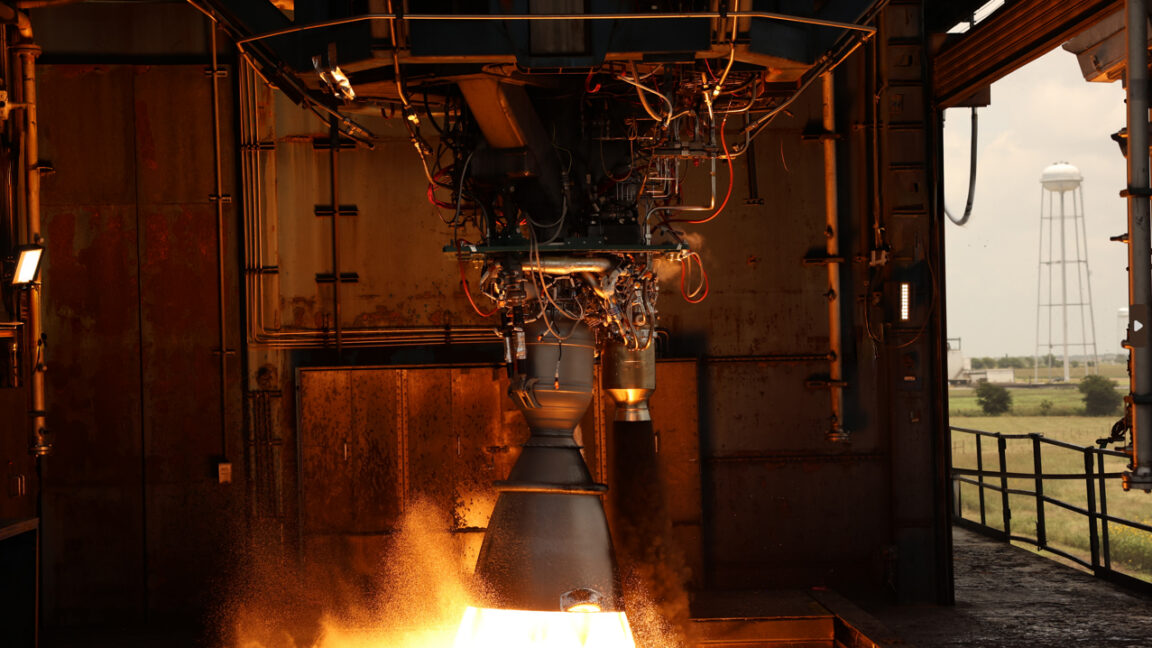
Welcome to Edition 9.01 of the Rocket Report! Back in January, I wrote about the 20 launches and landings we were most excited about in 2026. The list included things that were, at the time, officially scheduled to occur this year. I also gave my own view of the probability of each of these events actually happening before December 31. Halfway through the year, we can only count one of the events as completed, and that was NASA's Artemis II mission in April. Many are now scheduled for next year, proving again that delays are a constant in the space industry. A couple of them—such as the launch of NASA's Roman Space Telescope—do appear to be on track to happen soon.

As always, we welcome reader submissions. If you don't want to miss an issue, please subscribe using the box below (the form will not appear on AMP-enabled versions of the site). Each report will include information on small-, medium-, and heavy-lift rockets, as well as a quick look ahead at the next three launches on the calendar.

Swift Boost Mission reaches orbit. A pioneering commercial mission to reboost the orbit of NASA's Swift astronomy satellite launched early Friday after attempts earlier in the week were thwarted by bad weather and a technical issue. The Link servicing satellite developed by Katalyst Space Technologies soared to orbit on the tip of a Northrop Grumman Pegasus XL rocket that dropped from the belly of a modified L-1011 jetliner over the remote Pacific Ocean. Mission managers called off two launch attempts Tuesday and Wednesday due to poor weather around the L-1011's staging base on Kwajalein Atoll in the Marshall Islands. On Thursday, "a launch vehicle issue temporarily prevented teams from deploying the rocket" after takeoff of the L-1011.

Read full article

Comments

© SpaceX

  •  

Artificial cell manages a few rounds of cell division

Understanding the origin of life requires addressing a collection of overlapping scientific questions. We've made a lot of progress toward explaining how simple chemicals present on an early Earth built the complex molecules used by life and how some of those chemicals built the first genetic/catalytic molecules. But we're much further from understanding a key conundrum: How did membranes end up surrounding the first cells?

It's relatively easy to make membranes spontaneously form in water, and they'll enclose anything dissolved in that water, including nucleic acids. But the membranes then cut their interior off from everything else in the solution. Any interesting chemical reactions enclosed there would eat through the raw materials and grind to a halt.

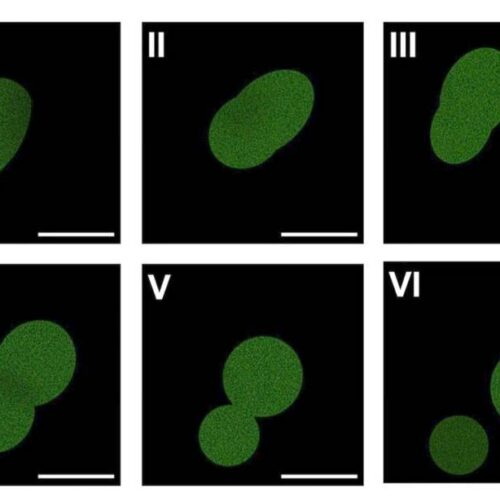
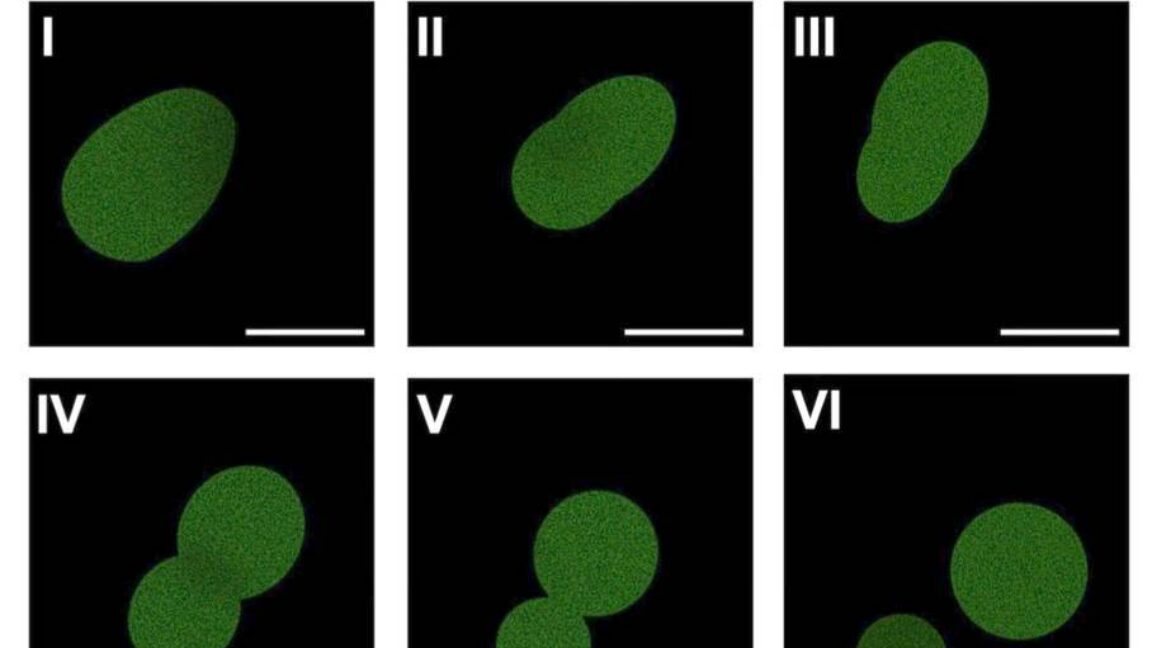
Now, a lab at the University of Minnesota has announced that it has developed a simplified system in which a membrane encloses some genetic material but can continually import new materials supplied to it. The system also spontaneously divides, producing a few generations of "offspring" before things start failing. It's still extremely dependent upon human intervention, but it might provide a new avenue to explore questions about the origin of life and what a truly minimalistic form of life might look like.

Read full article

Comments

© Biotic

  •  

Editorial: It's time to step up and have your say for science

Near the end of May, the Office of Management and Budget (OMB) proposed a new rule that would govern how the federal government handles the grants it issues, including those that fund the vast majority of scientific research in the US.

If formalized, the rule would make political priorities the prime determinant of what science gets funded and sideline the opinions of scientific experts. Grants could be canceled due to political whims, and new layers of bureaucracy would inhibit basic scientific activities like publishing papers and attending conferences. Unlike the executive orders it echoes, it would have the force of law behind it and be significantly harder to challenge in court.

Before coming into force, however, the proposal must go through a process that includes public feedback and (potentially) changes in response. The deadline for that feedback—Monday, July 13—is rapidly approaching.

Read full article

Comments

© Alex Wong/Getty Images

  •  

US home battery installations hit record high on rising electricity costs

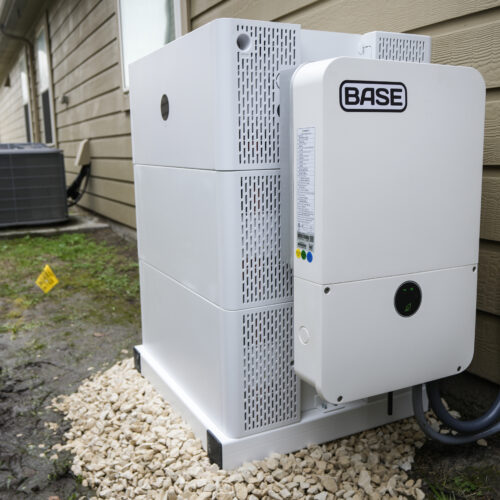
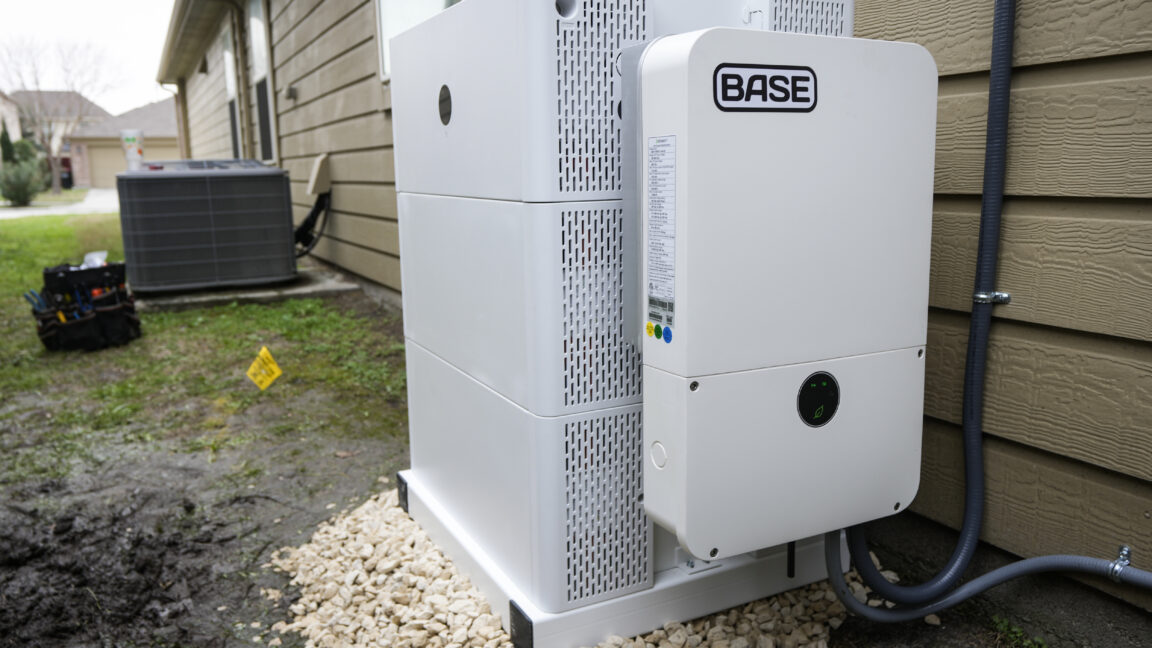
US homeowners have embraced home batteries in record-breaking numbers in early 2026, spurred on by state incentives while seeking to offset rising residential electricity costs. The trend could even unlock a more flexible energy supply for power grid operators and even AI data centers.

New home battery installations reached a record 673 megawatts of energy storage in the first quarter of 2026, according to the US Energy Information Administration. That trend was driven by states with high electricity prices that have implemented policies to incentivize home battery installation, Bloomberg News reported.

This residential battery trend stands out as a natural next step for states that have already successfully boosted rooftop solar adoption among homeowners, given how batteries enable homeowners to use stored solar energy at night. California and Hawaii accounted for the majority of new residential battery storage, while Texas and Arizona also saw significantly higher numbers of installations.

Read full article

Comments

© Brett Coomer/Houston Chronicle via Getty Images

  •  

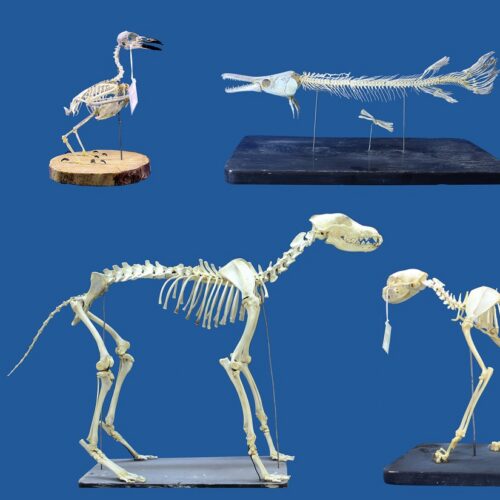
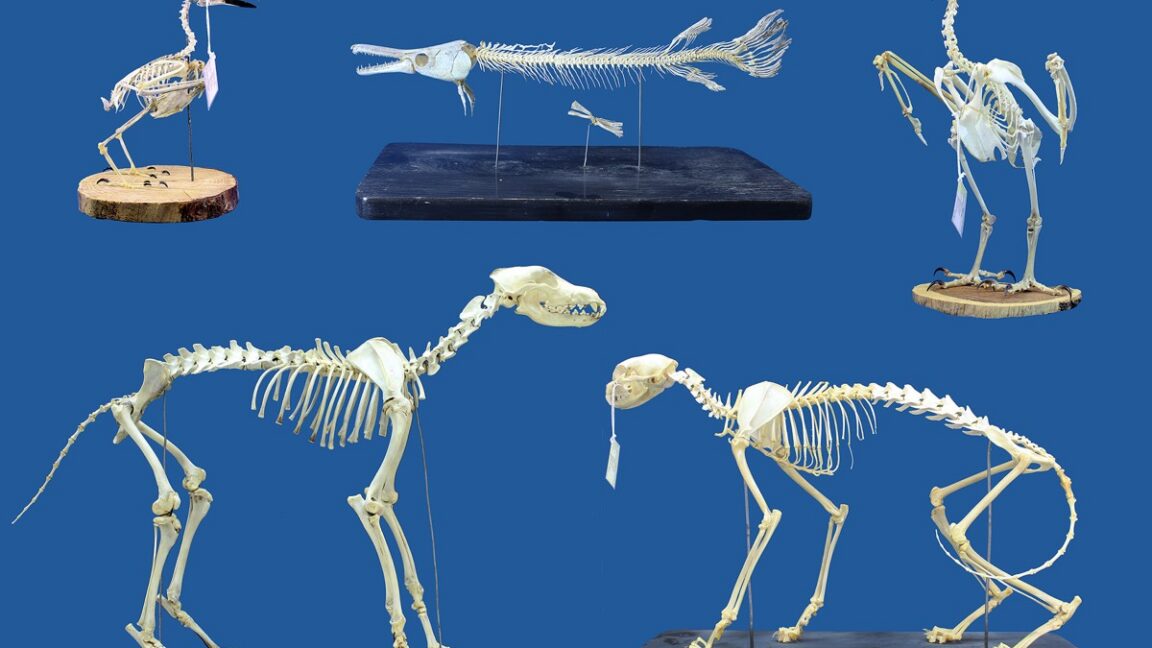
Superworms could replace beetles for cleaning skeletal remains

Fatemeh Rastekar, Niloofar Alaei Kakhki and Morteza Monfared discuss the safe and practical utility of superworm larvae for cleaning museum specimens. Credit: Anthony Lewis, PLOS/CC-BY 4.0

Preparing skeletal specimens for display in museums or for forensic studies requires the bones to be thoroughly cleaned to remove any remaining flesh or soft tissue. However, the need for thorough cleaning must be balanced against the risk of damaging the actual bones. According to a new paper published in the journal PLoS One, the larvae of so-called "superworms" (Zophobas morio)—a common pet food—offer a practical alternative.

There are existing methods for cleaning skeletal remains, such as burial, digestive enzymes, or chemical treatments. But most have drawbacks, including damaging bones, taking a long time to process, having expensive operational costs, or the use of environmentally hazardous substances. Using dermestid beetles has become the preferred method for skeletal cleaning since they can efficiently remove soft tissue without damaging the bone. The downside is that without strict containment practices, the beetles can escape and lay eggs that hatch, leading to infestations that threaten museum collections.

Fatemah Rastekar of Ferdowsi University of Mashhad in Iran and co-authors thought superworms might bring the same benefits as the beetles without the risk of infestation. For one thing, beetle colonies span all life stages and hence require complex containment; superworm cleaning only requires the larval stage, which lasts 10–12 weeks compared to just five to seven weeks for the beetles. And the larvae don't pupate in crowded conditions, so it's easier to manage the colonies while reducing the risk of escape. But could superworms match the cleaning efficiency of their rival beetles?

Read full article

Comments

© Rastekar et al., 2026, PLOS One/CC-BY 4.0

  •  

June research roundup: 6 cool science stories we almost missed

It’s a regrettable reality that there is never enough time to cover all the interesting scientific stories we come across. So every month, we highlight a handful of the best stories that nearly slipped through the cracks.  June’s list includes insight into the science of soccer's scissors feint; the physics of poo's distinctive coiled shape; a boron buckyball; and the latest breakthrough in the ongoing Vesuvius challenge to decipher the Herculaneum scrolls.

The science of soccer's scissors feint

close up of a soccer player's legs on the field as player performs the scissors feint Credit: Screenshot/YouTube/Howcast

With the FIFA World Cup in full swing, even scientists' thoughts are turning to soccer (or football for everyone else in the world). For instance, one common and highly effective dribbling maneuver is the "scissors feint," in which a player uses the outside of their feet to fake going one way and then cutting to the other. Japanese scientists studied university and junior high school soccer players of varying skill levels to study dribbling dynamics, focusing on the scissors feint. The movements were captured with high-speed cameras.

Read full article

Comments

© Pranav Joshi

  •  
❌