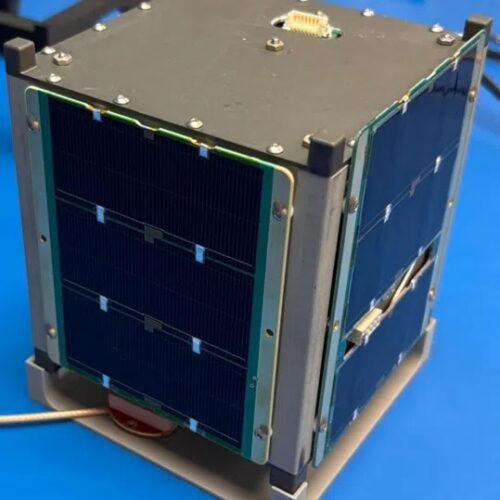
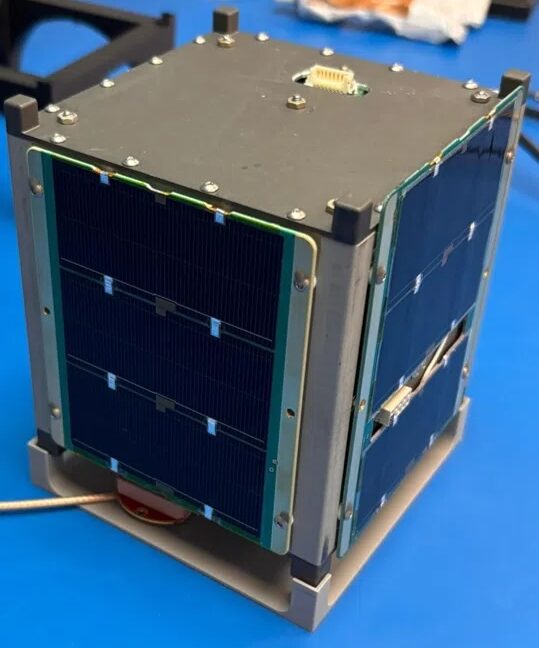
The proliferation of nuclear power in space got a little more real Tuesday with the launch of a small satellite developed by a Florida-based company specializing in nuclear micro-power technology.
The satellite from Miami-based City Labs is named BOHR, short for Betavoltaic Orbital High-Reliability, and it launched on a SpaceX rideshare mission Tuesday alongside 80 other payloads. SpaceX's Falcon 9 rocket released the BOHR satellite into an orbit between 350 and 400 miles (nearly 600 km) in altitude.
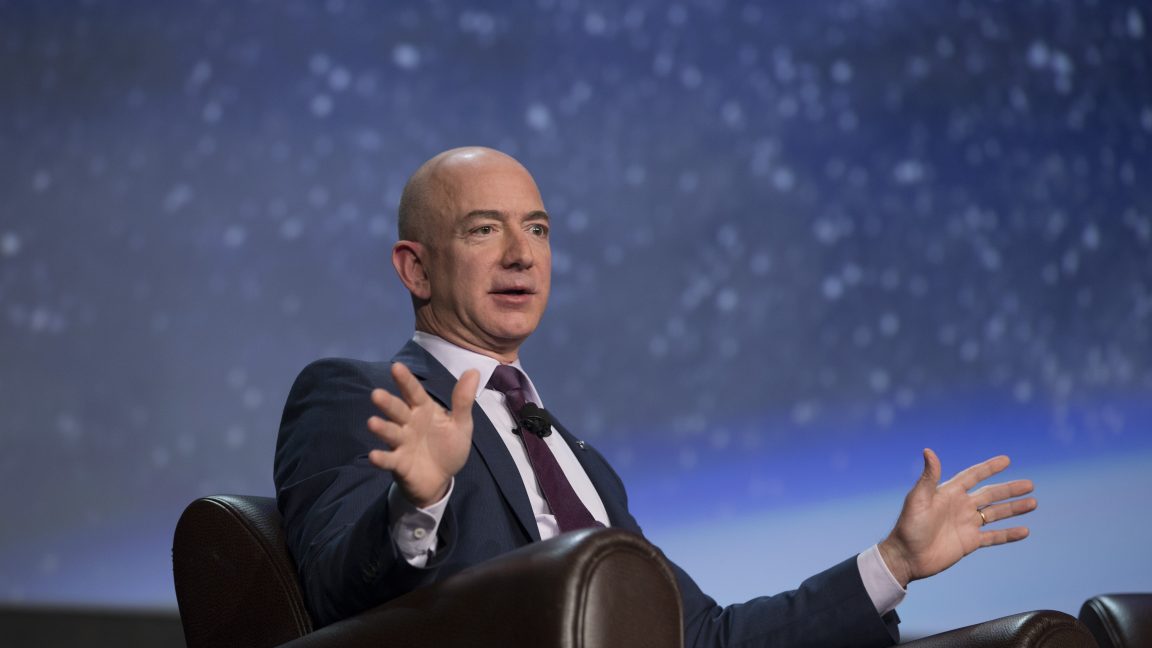
The rocket company founded by Jeff Bezos, Blue Origin, is raising private capital, the DealBook newsletter reported early Wednesday.
According to the publication, the company is raising $10 billion, leading to a valuation of $130 billion. Coatue Management, a big asset manager, is expected to lead with a $4 billion commitment. Another $4 billion is expected to come from large institutional investors. And Bezos will contribute an additional $2 billion.
Founded in 2000, Blue Origin is seeking to become a global leader in spaceflight, developing a line of super heavy lift rockets, lunar landers, and plans for two megaconstellations. It is seeking to compete in the same areas—launch, telecommunications, data centers from space—as SpaceX.
The final flight of United Launch Alliance's Atlas V rocket is still several years off, but an important era for the once-dominant launch company came to a close last week.
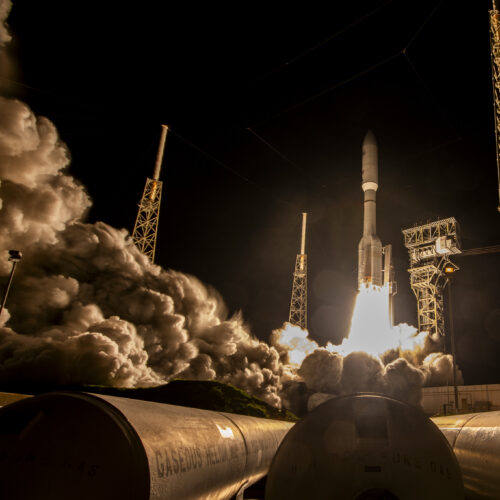
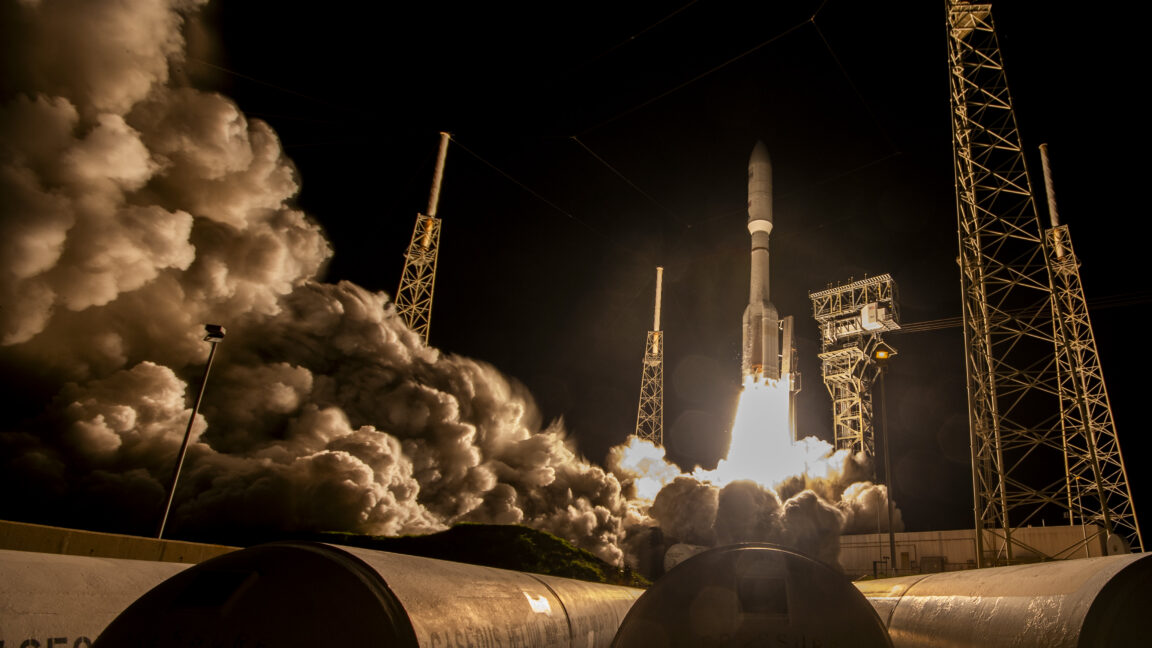
The final flight of an Atlas V for the Amazon Leo broadband constellation lifted off from Cape Canaveral Space Force Station in Florida at 12:30 am EDT (04:30 UTC) last Thursday, sending 29 satellites to orbit to move the network closer to providing initial services.
All 29 spacecraft deployed from the Atlas V rocket less than an hour after launch. They will use onboard propulsion to raise their orbits from an altitude of approximately 289 miles (465 kilometers) to their final operating positions at 392 miles (630 kilometers) above the Earth.
Did you know that the space shuttle once launched the Statue of Liberty into space?
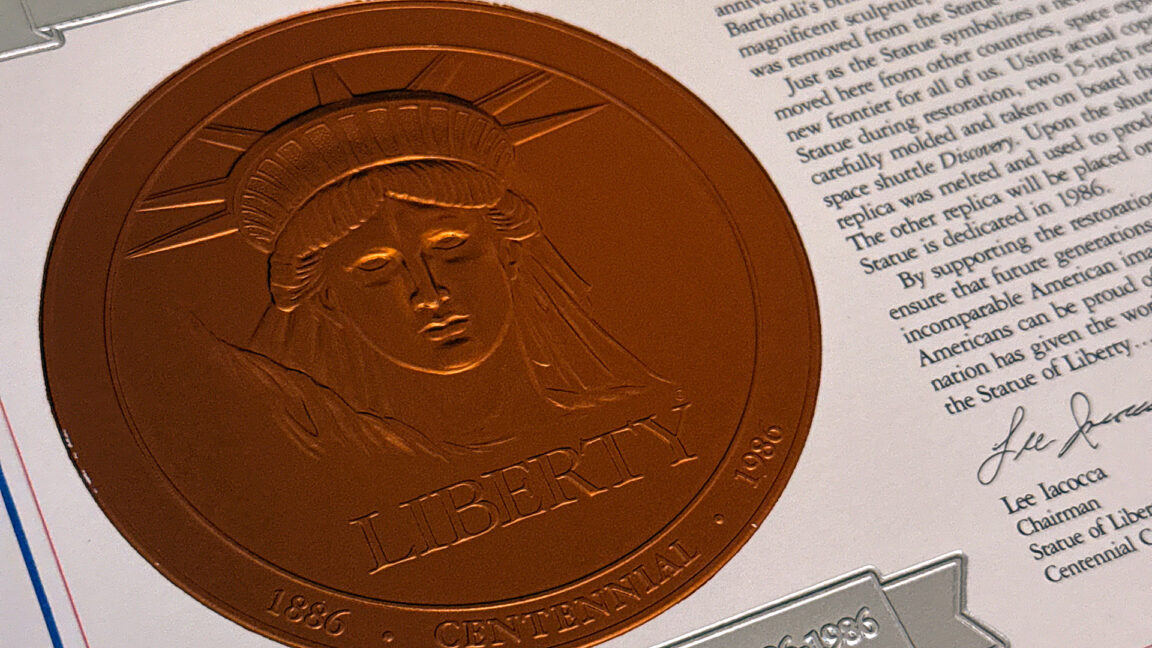
In fact, there were two "Lady Liberties" on board Discovery when it lifted off on its fourth flight in April 1985. To be fair, each statue was only 15 inches tall (38.1 centimeters), but they were also each made of copper that was removed from the full-size statue during its then-still-ongoing restoration.
After the weeklong STS-51D mission was over, one of the space-flown statues was placed on display, and the other was melted down to create copper seals, which were then sold to the public by the Statue of Liberty Ellis Island Centennial Commission.
High above the remote Pacific Ocean, about halfway between Hawaii and the northernmost part of Australia, an air-launched rocket fired into space on Independence Day weekend to kick off a weekslong pursuit of a NASA astronomy satellite perilously close to falling out of orbit.
The endeavor to rescue NASA's Swift satellite is the first mission of its kind. NASA put out a call for commercial companies less than a year ago to propose how they could rapidly build and launch a small satellite to latch onto the Swift spacecraft and boost its altitude so that it doesn't come down in a few months.
Katalyst Space Technologies responded with the best offer. NASA awarded the company a contract last September to build and launch a mission to rescue Swift. A little more than nine months later, Katalyst's nearly half-ton Link satellite is safely in orbit. For anyone who follows the space industry, building, testing, and launching a functioning first-of-its-kind satellite of that size in less than a year is a remarkable achievement; it would usually take several years.
High above the remote Pacific Ocean, about halfway between Hawaii and the northernmost part of Australia, an air-launched rocket fired into space on Independence Day weekend to kick off a weekslong pursuit of a NASA astronomy satellite perilously close to falling out of orbit.
The endeavor to rescue NASA's Swift satellite is the first mission of its kind. NASA put out a call for commercial companies less than a year ago to propose how they could rapidly build and launch a small satellite to latch onto the Swift spacecraft and boost its altitude so that it doesn't come down in a few months.
Katalyst Space Technologies responded with the best offer. NASA awarded the company a contract last September to build and launch a mission to rescue Swift. A little more than nine months later, Katalyst's nearly half-ton Link satellite is safely in orbit. For anyone who follows the space industry, building, testing, and launching a functioning first-of-its-kind satellite of that size in less than a year is a remarkable achievement; it would usually take several years.
As the United States of America celebrated its 250th birthday on terra firma with fireworks displays this weekend, two Asian countries made some splashes of their own farther from Earth.
On Sunday, an aging Japanese spacecraft named Hayabusa2, which completed its initial sample-return objective more than half a decade ago, found success with an extended mission that saw the vehicle fly by a peanut-shaped asteroid named Torifune.
Hours later, the Chinese space agency released images from a spacecraft, Tianwen-2, arriving at its target asteroid following a journey of 1 billion km. At this small asteroid, the Chinese spacecraft will attempt to retrieve samples and return them to Earth late next year.
Welcome to Edition 9.01 of the Rocket Report! Back in January, I wrote about the 20 launches and landings we were most excited about in 2026. The list included things that were, at the time, officially scheduled to occur this year. I also gave my own view of the probability of each of these events actually happening before December 31. Halfway through the year, we can only count one of the events as completed, and that was NASA's Artemis II mission in April. Many are now scheduled for next year, proving again that delays are a constant in the space industry. A couple of them—such as the launch of NASA's Roman Space Telescope—do appear to be on track to happen soon.
As always, we welcome reader submissions. If you don't want to miss an issue, please subscribe using the box below (the form will not appear on AMP-enabled versions of the site). Each report will include information on small-, medium-, and heavy-lift rockets, as well as a quick look ahead at the next three launches on the calendar.
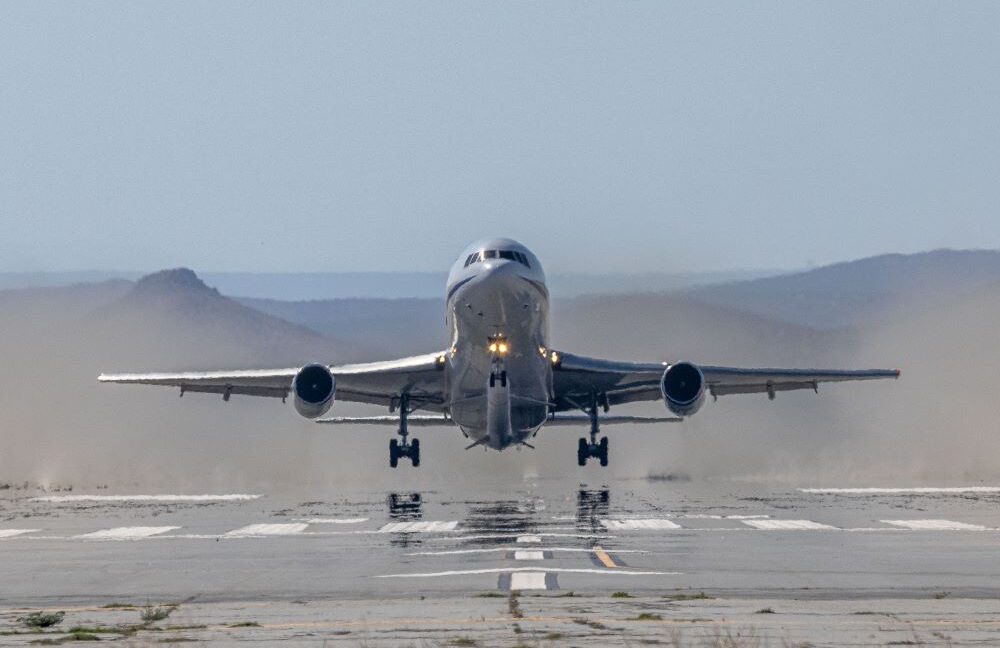
Swift Boost Mission reaches orbit. A pioneering commercial mission to reboost the orbit of NASA's Swift astronomy satellite launched early Friday after attempts earlier in the week were thwarted by bad weather and a technical issue. The Link servicing satellite developed by Katalyst Space Technologies soared to orbit on the tip of a Northrop Grumman Pegasus XL rocket that dropped from the belly of a modified L-1011 jetliner over the remote Pacific Ocean. Mission managers called off two launch attempts Tuesday and Wednesday due to poor weather around the L-1011's staging base on Kwajalein Atoll in the Marshall Islands. On Thursday, "a launch vehicle issue temporarily prevented teams from deploying the rocket" after takeoff of the L-1011.
Along with Ars Technica Space Editor Eric Berger; the director of research at Quilty Space, Caleb Henry; and the host of the Main Engine Cut Off podcast, Anthony Colangelo, spoke about various topics. Chief among them was the implications of this failure for NASA's attempt to land humans on the Moon for the Artemis IV mission. Blue Origin and SpaceX are both building landers to support this goal and the rockets to deliver them to the Moon.
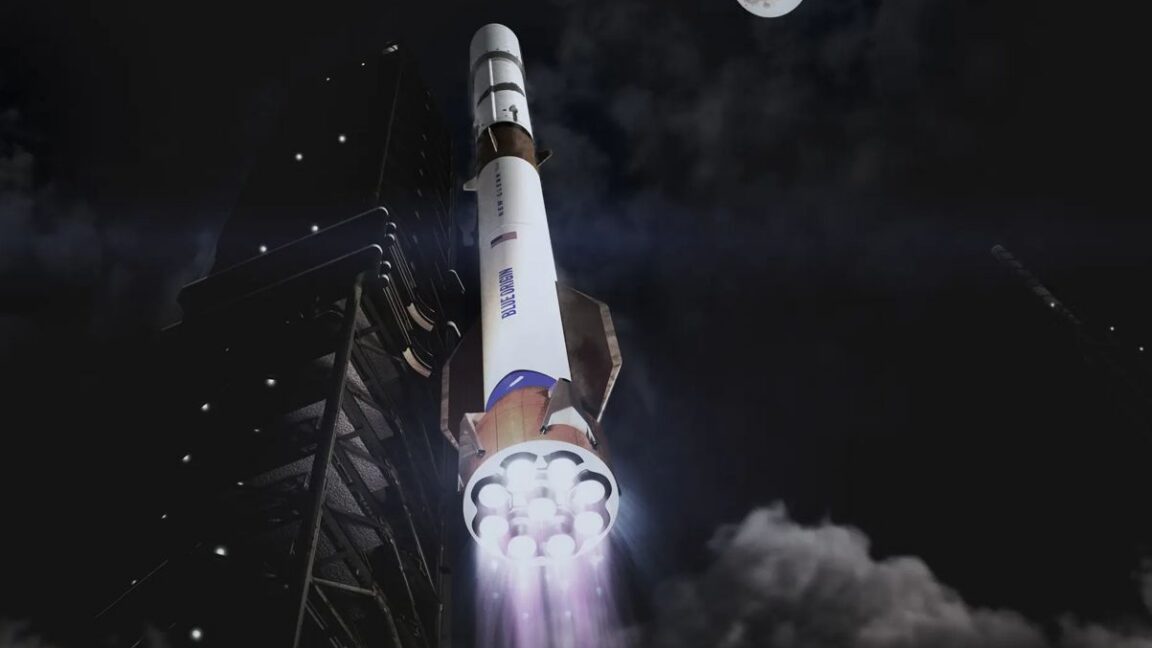
During the conversation, Berger reported that the current Blue Origin "architecture" for a human mission would require four launches of new variant of the New Glenn rocket, known as 9x4, because it has nine first stage engines, and four upper stage engines. This is a more powerful version than the "7x2" variant that exploded a little more than a month ago. Blue Origin has not set a target date for the 9x4 rocket's debut, but some sources have indicated the company is targeting late 2027 or early 2028.
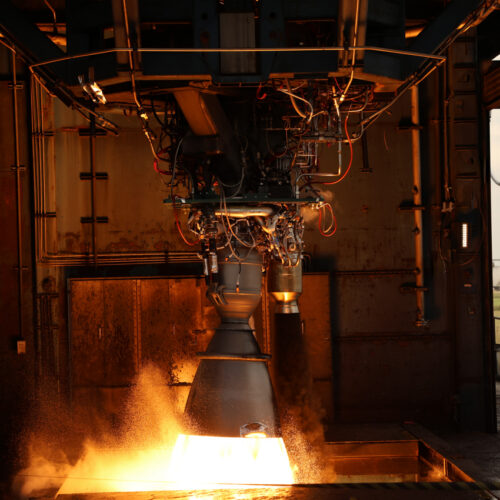
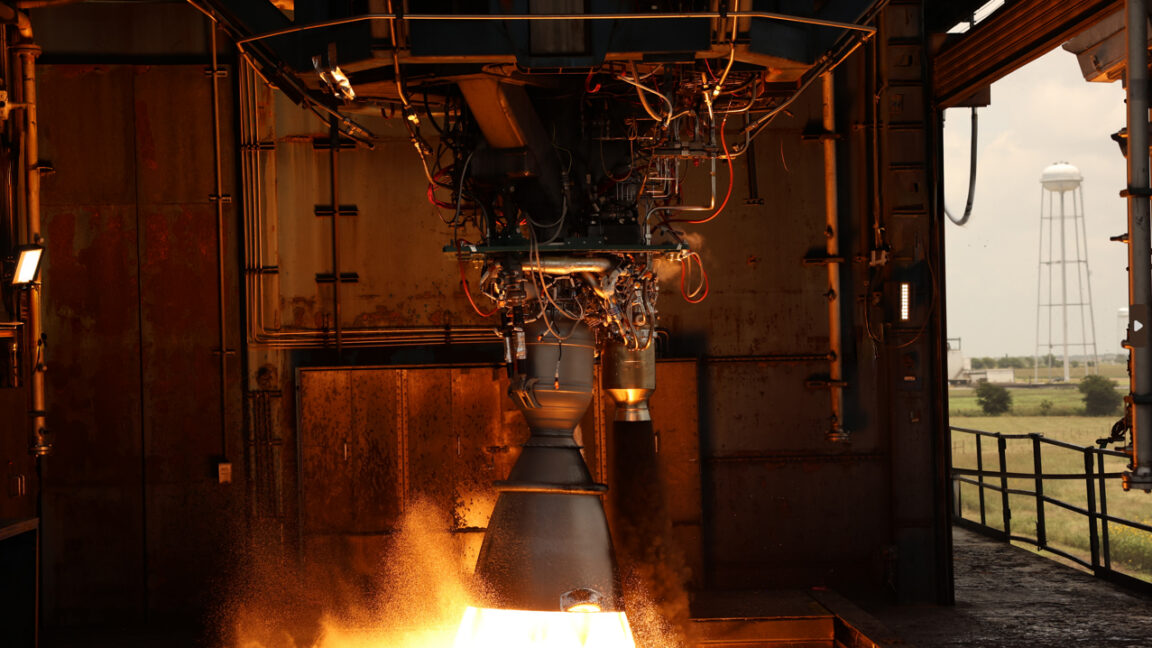
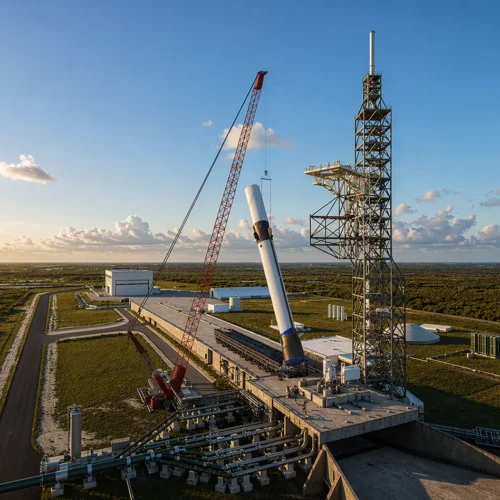
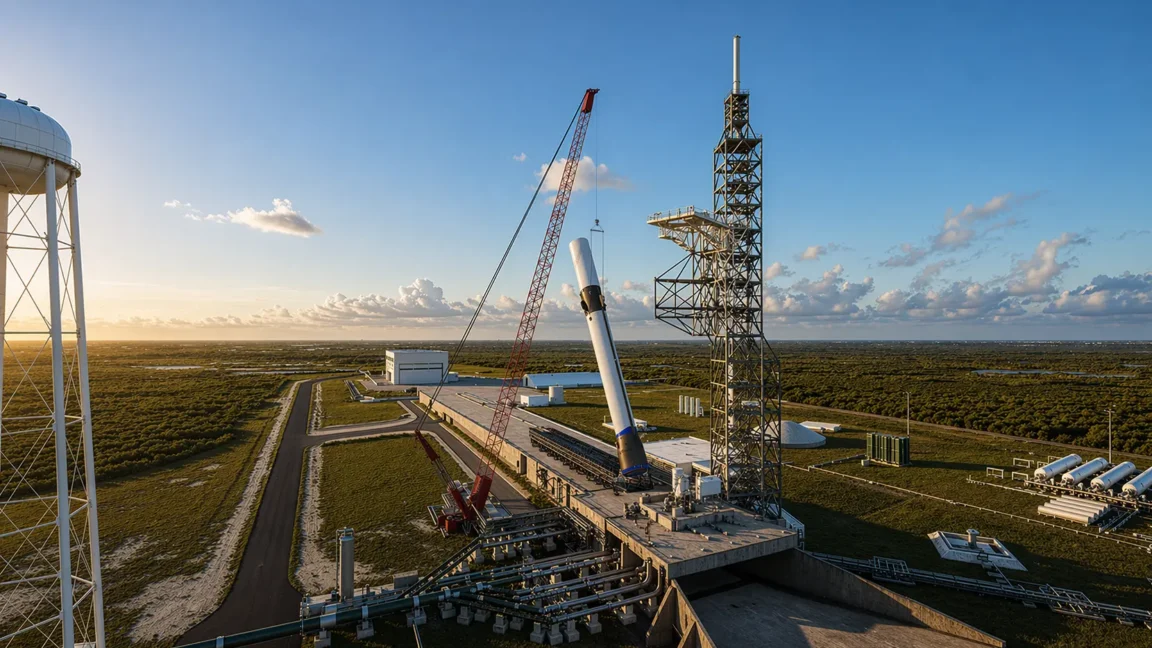
NASA Administrator Jared Isaacman said this week that Blue Origin has been putting significant resources into the cleanup of its launch pad since the explosion of its New Glenn rocket there in late May.
"Blue Origin's response to the situation is almost beyond impressive, and that's not just a NASA assessment," Isaacman said in response to questions from reporters on Wednesday afternoon. He noted that officials from the US Space Force have also been deeply involved in Blue Origin's planning and work since an anomaly during a test firing took out New Glenn's only operational launch pad on May 28.
NASA has a significant stake in Blue Origin's return to flight. It is counting on the company's Mk. 1 lander to carry dozens of cargo missions to the Moon, and its Mk. 2 lander to eventually ferry people to the lunar surface. The company's New Glenn rocket was expected to play a critical role in launching both of those landers.
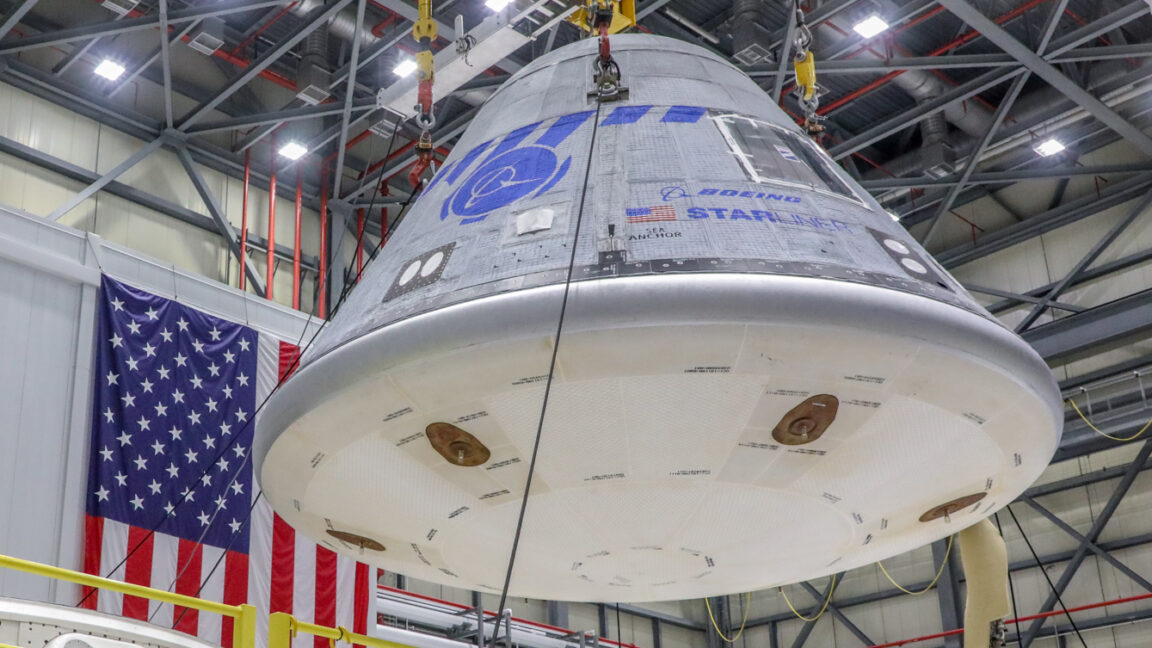
NASA's inspector general released an audit Tuesday of the agency's Commercial Crew Program, and it looks increasingly likely that Boeing's Starliner crew capsule won't be certified for operational flights to the International Space Station until next year.
That's just three years before NASA's official retirement date for the ISS in 2030, though lawmakers in Congress are seeking an extension until 2032. What's more, declaring Starliner ready for regular crew rotation flights next year would put the Boeing crew capsule a decade behind its original target of 2017.
The inspector general issued six recommendations. NASA officials agreed to all of them. The recommendations include developing a schedule for the next Starliner flight and future crew missions and making sure the schedule is updated to include sufficient time to ensure all of the problems from Starliner's first test flight with astronauts in 2024 are "resolved and documented."
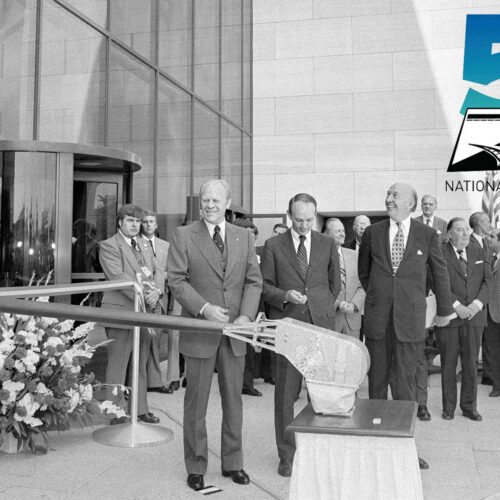
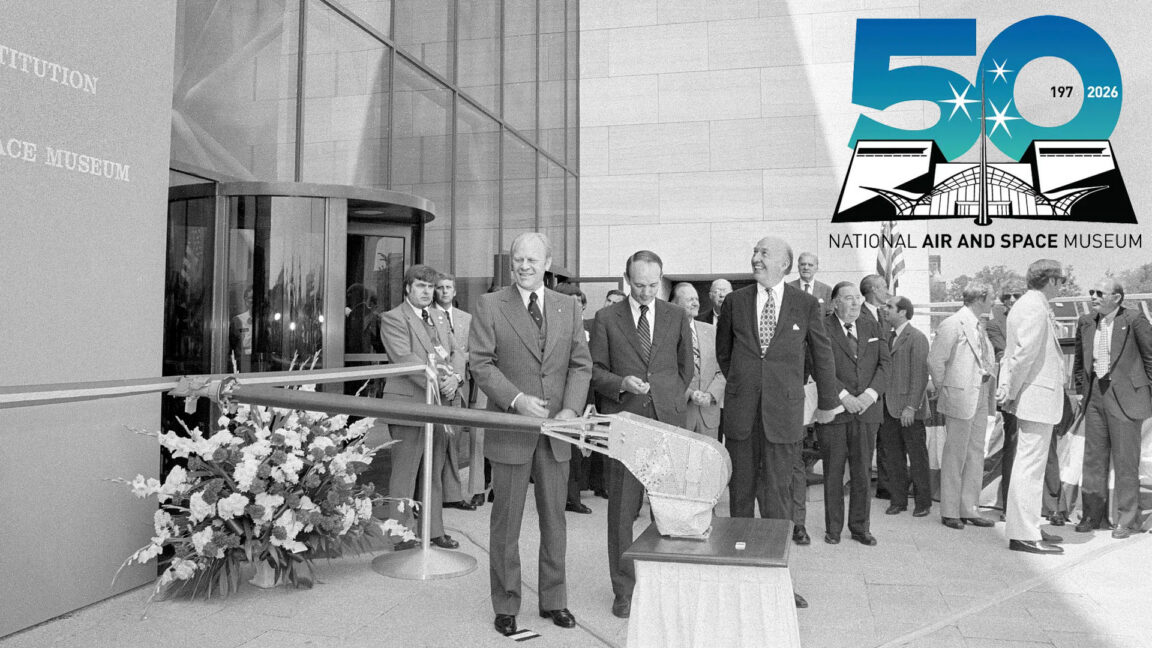
The Apollo 11 astronaut had already beaten the original schedule for the opening of the National Air and Space Museum by three days, but no one would remember that if these final 36 minutes didn't go perfectly.
President Gerald Ford and Vice President Nelson Rockefeller took 35 seconds to find their seats on the red, white, and blue bunting-lined outdoor stage. The flyover by the Thunderbirds was quick enough. At any other event, it would have been the only time-dependent concern of the day.
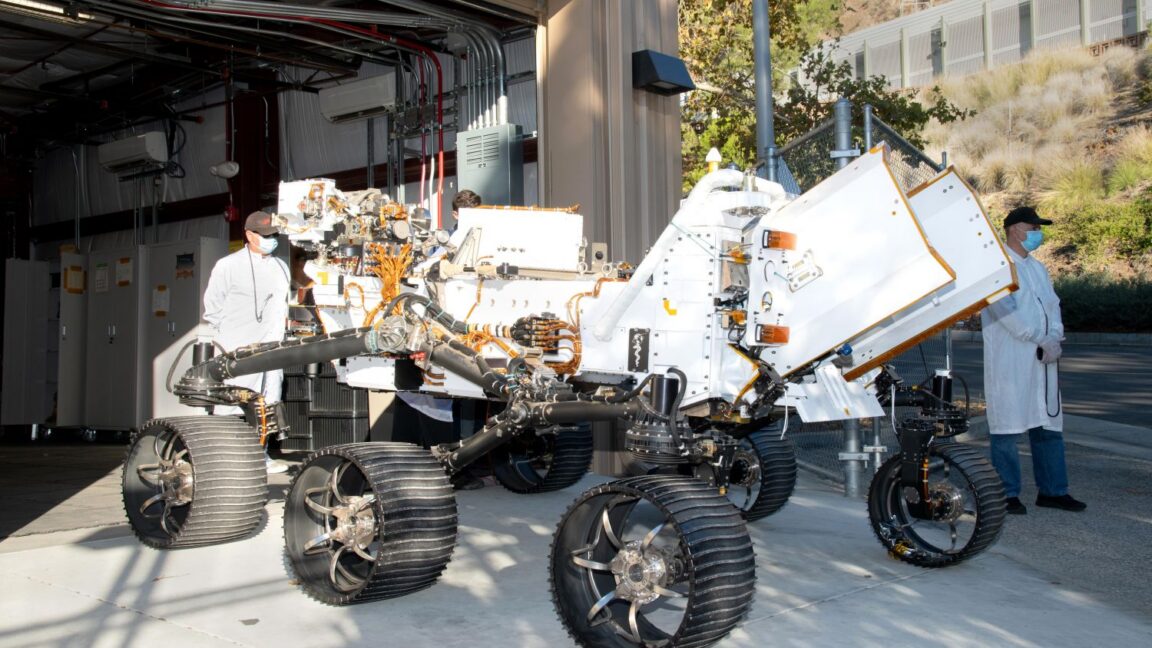
NASA officials said Tuesday that they are seriously considering sending the full-scale engineering model of the Perseverance rover, which is currently housed at the Jet Propulsion Laboratory in California, to the Moon to expedite their efforts to explore the south pole region.
The car-sized rover nicknamed "Promise," which serves as a testbed for Perseverance and was not otherwise planned for a launch, would land equipped with a multi-mission radioisotope thermoelectric generator (MMRTG) to power it across difficult terrain and through the lunar night. NASA's other rovers primarily operate on solar power.
"We are thinking very hard right now about sending Promise to the Moon," NASA Administrator Jared Isaacman said Tuesday during a monthly update on the agency's plans to build a Moon base.

 Login
Login