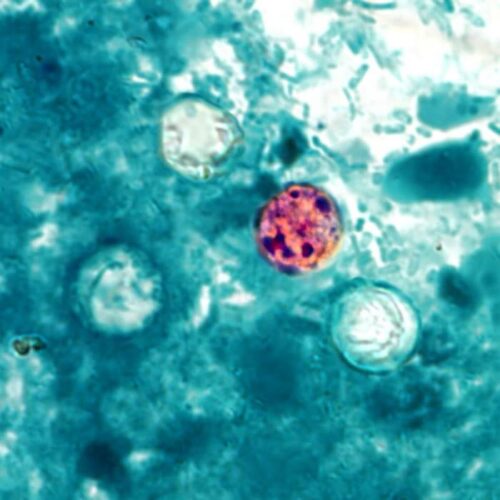
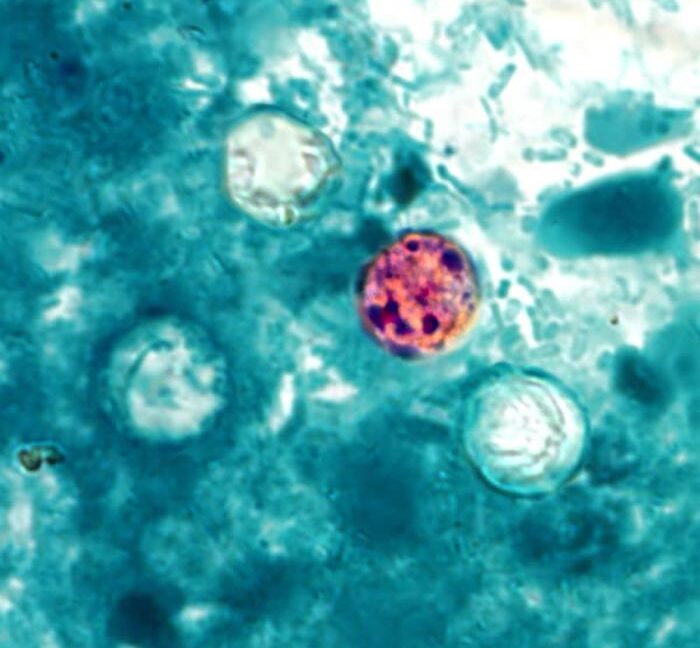
Cases of a diarrhea-causing intestinal parasite have exploded in Michigan over the last two weeks in an outbreak that still has no clear source.
As of July 6, the state has received reports of over 700 cases since June 22, along with 36 hospitalizations, the Michigan Department of Health and Human Services (MDHSS) told Ars Technica on Tuesday.
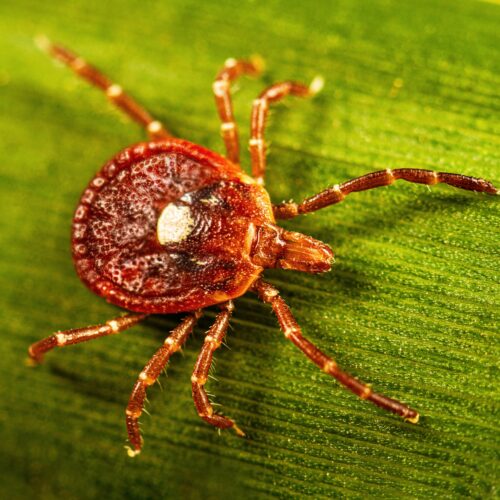
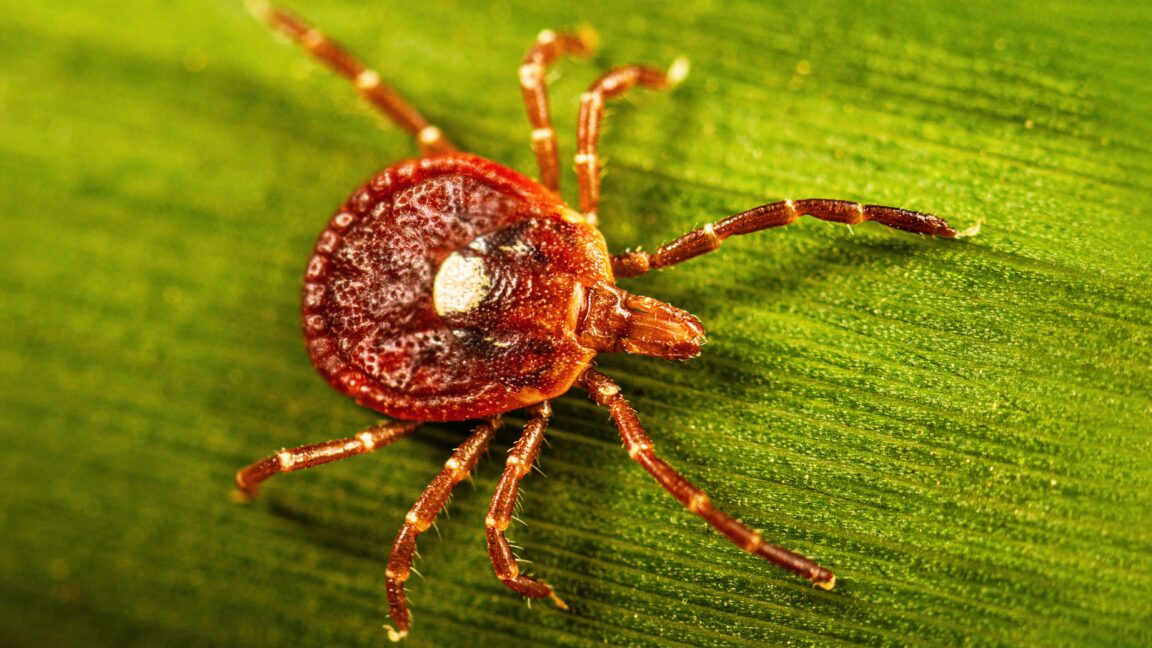
In some parts of the US, up to 30 percent of people may carry the antibody behind a red meat allergy spurred by tick bites, far exceeding the estimated number of people who actually have the allergy, according a study published in Morbidity and Mortality Weekly Report.
The findings suggest far more Americans than previously thought may be at risk of the allergy, which can make having a hamburger for dinner a potentially life-threatening choice. The Centers for Disease Control and Prevention has previously estimated that only 0.14 percent of the US population (up to 450,000 people) has the allergy. But the study also highlights how little we understand about this unique disease—and the challenges of accurately diagnosing it.
The study surveyed blood donations for the disease's key antibody, which is in a class dubbed IgE and specifically attacks a double-sugar molecule called galactose-α-1,3-galactose, also known as alpha-gal. This disaccharide is found decorating the cells of nonprimate mammals, including cows and pigs, but it's also released in the saliva of ticks, particularly the lone star tick (Amblyomma americanum). People bitten by ticks can develop IgE antibodies against alpha-gal, which can sometimes trigger an allergic response to eating red meat as well as other animal products, such as dairy and gelatin.
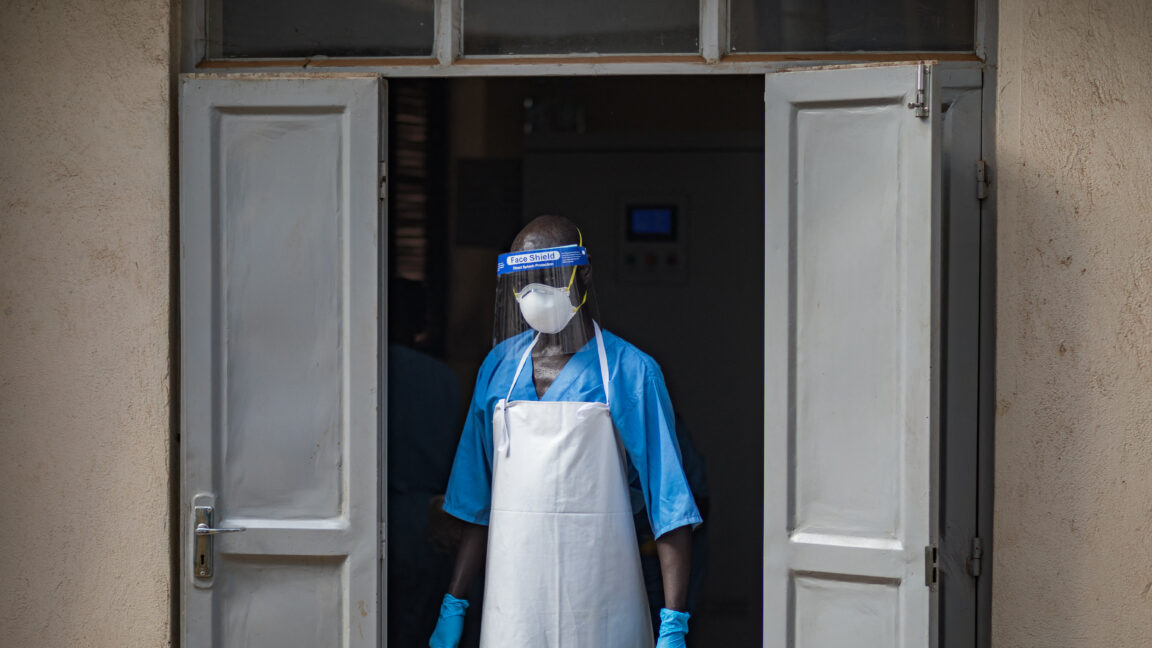
Amid disease surveillance for the ongoing Ebola outbreak, Ugandan health authorities identified a case of Marburg virus disease in a one-and-a-half-year-old child, who has died, according to Africa Centers for Disease Control and Prevention. But Ugandan health officials appear reluctant to publicly disclose information about the case and its context.
Marburg virus is related to Ebolaviruses and causes similar hemorrhagic disease. Its transmission routes and prevention measures are likewise similar.
On Wednesday, Africa CDC told Reuters that no contacts of the deceased toddler had developed symptoms, and there were no other current active cases in the country, citing Ugandan health authorities. But when Reuters reached out to Uganda's health ministry, a spokesperson said he was not aware of a Marburg outbreak.
A 56-year-old woman was admitted to a hospital with an array of alarming symptoms that were only getting worse. For eight weeks, she had a painful "pins and needles" feeling that started in both of her feet and then began working its way up her legs. By the time she arrived at the hospital, she was unable to feel her feet on the ground. She frequently stumbled and clutched at walls to stay up. But the tingling numbness was moving into her hands, too. Then came neurological symptoms. She told her doctors about short-term memory problems and difficulty concentrating. She was irritable and had no appetite. She was experiencing heart palpitations, too.
According to a case report this week in the New England Journal of Medicine, her doctors looked through her medical history for clues, finding nothing that immediately stood out. She had high blood pressure, a history of anxiety and depression, and hypothyroidism (an underactive thyroid). They did notice that, although she had managed the thyroid problem for more than a decade at the same dose of medication, she had been switched four weeks earlier to a stronger dose. But the dosage change didn't immediately raise any red flags.
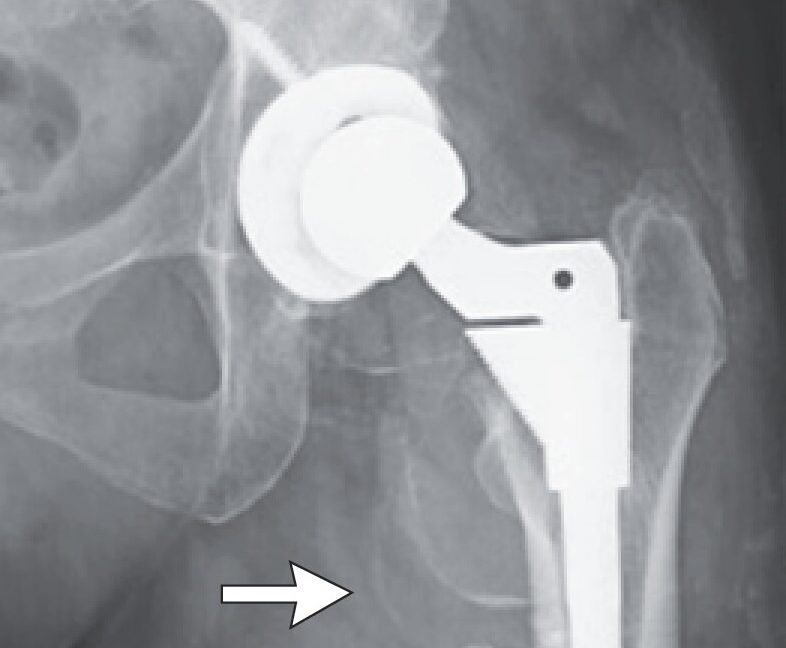
She also had a history of hip problems. Twenty years before, she had a hip replacement that stemmed from an injury she sustained in a car crash ten years before that. While more than 90 percent of hip replacements last at least 30 years, the woman's started failing her after 19.
In September, Trump and Kennedy held a press conference in which they stated without clear evidence that the common fever and pain reducer acetaminophen—sold as Tylenol in the US and also known as paracetamol—causes autism in children if taken during pregnancy. Trump repeatedly warned pregnant people not to take Tylenol and instead "tough it out" with fever and/or pain.
Medical organizations decried Trump's message, emphasizing that acetaminophen is a safe pain and fever reliever during pregnancy and that untreated fever during pregnancy is known to increase the risk of autism in babies as well as other conditions, including miscarriage, birth defects, and premature birth. Still, the president's warning was effective. Texas sued the maker of Tylenol over the alleged connection. And a study in The Lancet in March found that use of acetaminophen in pregnant patients in emergency departments fell by 10 percent after Trump's press conference.

 Login
Login