Reading view

Bethesda, id Software reportedly hit hard by Microsoft layoffs

In announcing plans for 3,200 layoffs across the Xbox division yesterday, CEO Asha Sharma focused on discussing cuts to the Xbox platform team and redundant layers of middle management. Now, though, word is filtering out about significant staffing cuts at remaining Microsoft-owned game developers including id Software and Bethesda.

Apogee and 3D Realms founder Scott Miller—who helped publish some of id's earliest gameswrote on social media yesterday of "insider reports" that a majority of id had been laid off, "including most (if not all) coders." And last night, veteran programmer Michael Maynard—whose credits at id Software date back to 2011's Ragewrote on LinkedIn that he was among the "roughly 50%" of the id team that was let go Monday.

Game Developer cites "multiple anonymous sources" in confirming those reports, saying the redundancies amount to about 90 employees at the Doom studio. The first DLC pack for last year's Doom: The Dark Ages launched earlier today.


Read full article

Comments

© id Software

  •  

The Nintendo Switch's days are numbered—but what is that number?

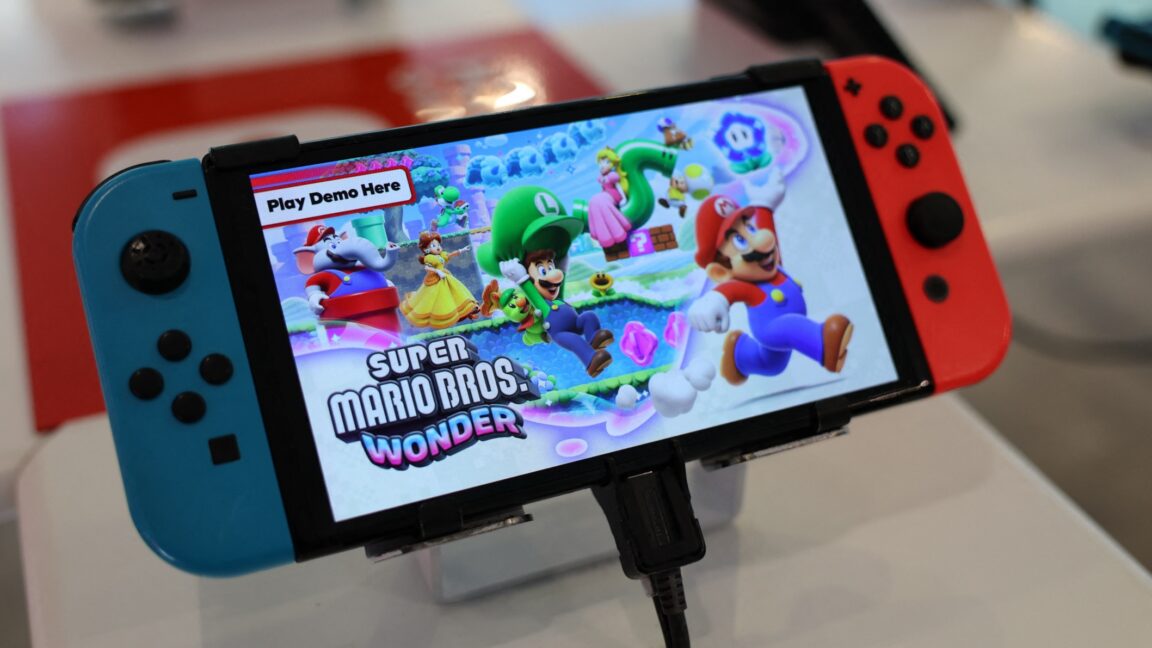
On Monday, Nintendo announced that it will stop selling the original Switch in Europe next February. That decision comes in response to European regulations that will soon require easily replaceable batteries in most consumer electronics. Rather than redesigning multiple original Switch models to comply with that regulation (as it is doing with the Switch 2), Nintendo has decided it will just stop selling the older console in the region.

Those new battery rules won't affect the availability of the Switch outside of Europe, of course. But the move got us wondering how much longer Nintendo might keep selling the 9-year-old Switch now that the Switch 2 is drawing the focus of both the company and the market.

An Ars analysis of Nintendo's recent history (as documented in its annual earnings releases) shows that sales for even the company's bestselling hardware tend to decline to zero after nine years on the market. But the data also shows the Switch being a relatively resilient market force that could sustain its commercial life well into its second decade on the market.

Read full article

Comments

© Getty Images | AFP

  •  

The incredible shrinking Xbox: Five studios, 3,200 employees let go

Last month, Xbox executives laid out some "hard truths" about Microsoft's struggling gaming division that they said would require a difficult "Xbox reset." This morning, Microsoft revealed the brutal shape of that "reset," announcing plans for 3,200 layoffs and the divestment of five smaller studios that the company has spent years acquiring and shepherding.

Half of those 3,200 layoffs are effective today, new Xbox CEO Asha Sharma wrote, while the other half will come by the end of Microsoft's 2027 fiscal year (which runs through June 30, 2027). CNBC cites "a person familiar with the matter" in reporting that these cuts amount to roughly 20 percent of the Xbox division.

When combined with 1,600 newly announced layoffs across the rest of Microsoft, the company as a whole is letting go of just over 2 percent of its workforce. But The Seattle Times reports that Microsoft's total headcount has remained relatively stable thanks to other hiring.

Read full article

Comments

© Aurich Lawson

  •  

Wing Commander IV and the FMV future that never quite was

If I had to pick a chunk of the 1990s that feels the most 90s-ish to me, it'd be the two-year stretch between 1996 and 1997. 1996 saw me graduating from high school and starting college; 1997 saw me meeting my future wife and falling in love. While I tried to figure out how to navigate the University of Houston's still mostly pre-digital first-semester registration process (we had to sign up for classes over the phone, with touch-tone buttons, like cavemen!), the larger world kept turning in ways that felt inevitable and good and right. The Cold War was in the rearview mirror—how could we ever have been so worried about nuclear annihilation just a few years before? Russia was a friendly bear presided over by everyone's favorite drunk uncle, and things would obviously keep getting better, right?

Equally obvious, at least according to gaming tastemakers like Ken and Roberta Williams or Chris Roberts, was the idea that computer games from here on would blend together the best of what Hollywood and Silicon Valley had to offer, and the resulting "Silliwood revolution" would blast us forever into the world of fully interactive entertainment. Movies and games would blend together, and neither would be the same ever again! No longer would people sit in theaters just watching movies—audiences would get to choose how the film ended! And on the computer side of things, gone would be the days of lame graphics and clunky hand-drawn art—games would have big-name actors, big-budget sets, and huge special effects!

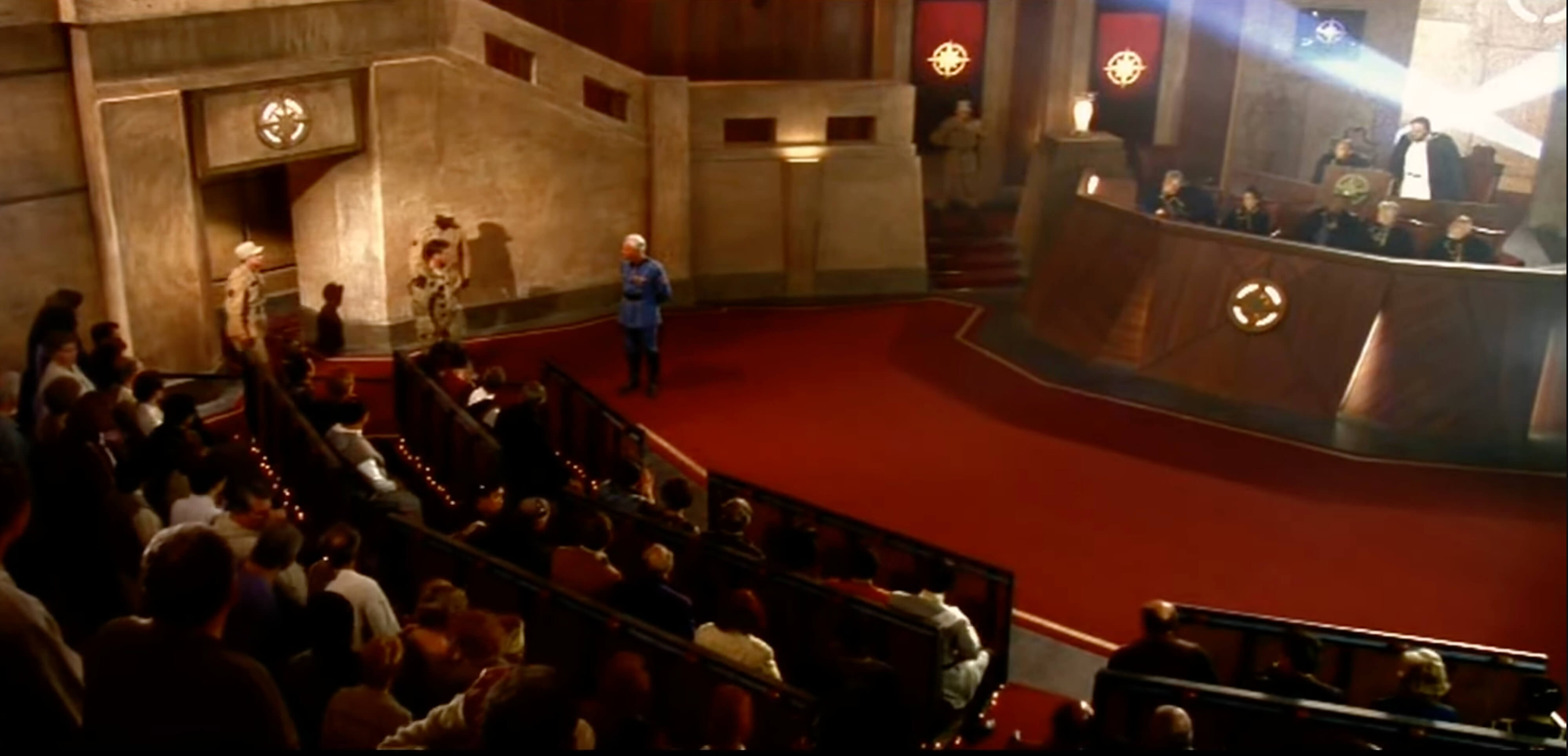
Screenshot of the "Grand Assembly" chamber from WC4's ending The "Grand Assembly" chamber is one of the major setpieces constructed for <em>Wing Commander IV's</em> filming (on film!). Credit: Origin Systems/EA

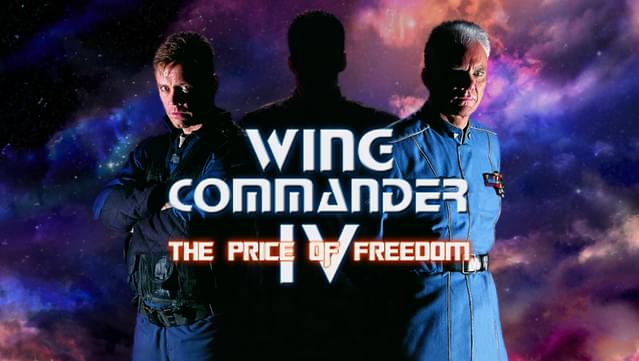
And if 1996–1997 was the high water-mark of the 90s for me, then the game that most matched that high water-mark was Wing Commander IV: The Price of Chris Roberts Having Full Creative Control—erm, I mean, Wing Commander IV: The Price of Freedom.

Read full article

Comments

© GOG/Origin Systems/EA

  •  

Sony announces end of PlayStation discs, parts of digital store in the same day

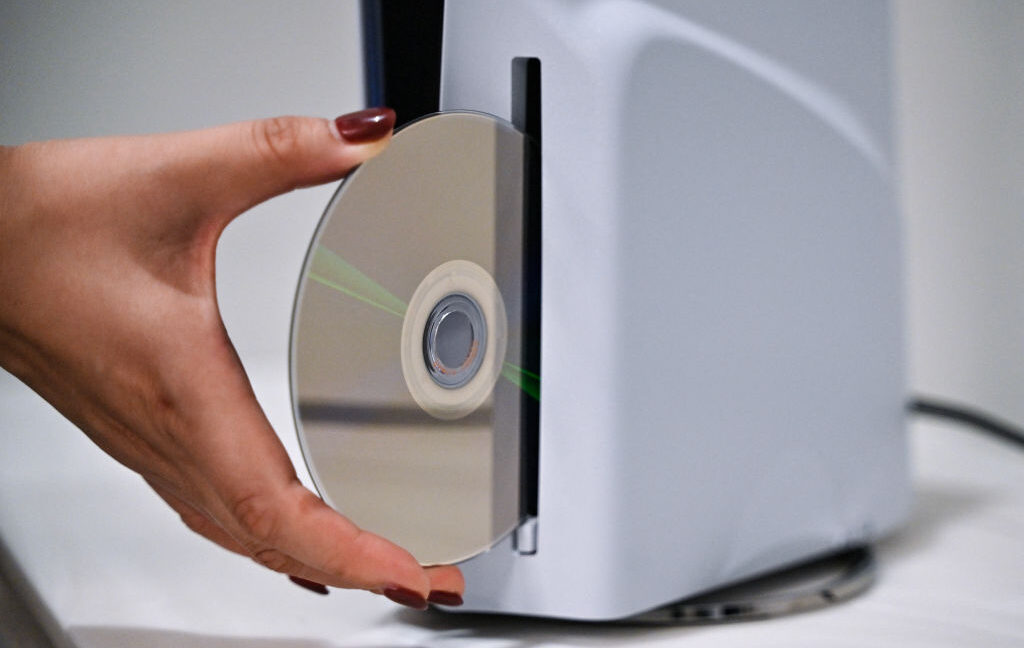
Some gamers are concerned about the future of game ownership after Sony's announcement today that it won’t produce physical discs for PlayStation games as of January 2028. On that date, “new games will be available on PlayStation Store and at retailers in digital formats only,” Sony said in a blog post.

Ditching discs is “a natural direction” for Sony “to adapt to consumer trends as the general preference for digital media significantly outpaces physical discs," the post said.

During Sony’s fiscal year ending on March 31, 2026, digital downloads accounted for 78 percent of full-game unit purchases, up from 76 percent in fiscal 2024.

Read full article

Comments

© Getty

  •  
❌