❌

Reading view

Payloads used to dictate the terms of launch. That's finally changing.

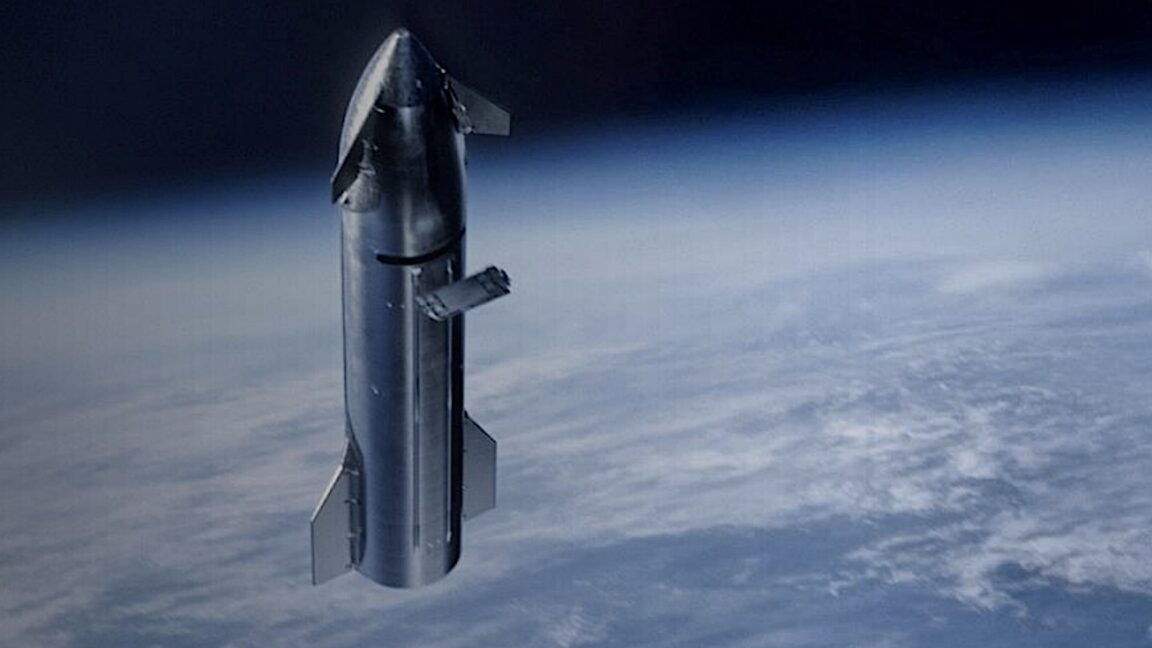
It wasn't easy to find anyone outside of SpaceX clamoring for a rocket like Starship just 10 years ago. Today, the space industry can't wait for Starship to finally deliver.

With a payload capacity of more than 100 metric tons (220,000 pounds) to low-Earth orbit, SpaceX's new rocket is changing the thinking of just about everyone in the space industry. With the unrealized but potentially game-changing benefits of refueling, Starship could carry the same amount of payload to higher orbits, the Moon, or Mars.

It's important to note that Starship is still very much in its experimental phase, far from proving Elon Musk's loftiest claims about what it can do. Still, NASA and the US military are considering novel ways to use Starship to fly to the Moon or transport cargo to far-flung war zones. Scientists are eager to use its enormous volume to launch giant space telescopes. Competitors are taking notice. China, the strongest strategic adversary America has ever faced, is looking for its own Starship. Now, some US satellite manufacturers are adapting for the substantial capacity of the world's most powerful rocket.
Read full article

Comments

Β© SpaceX

  •  

Miami-based City Labs achieves a first for commercial nuclear power in space

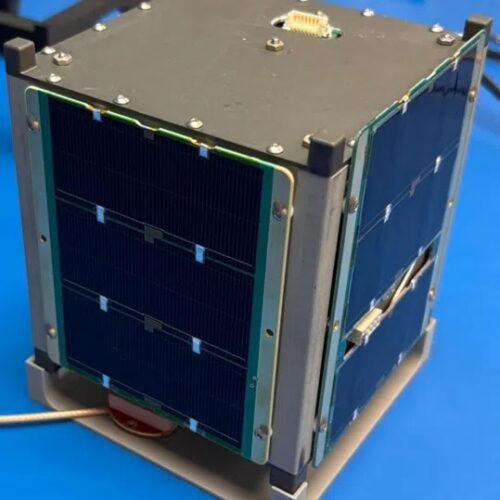
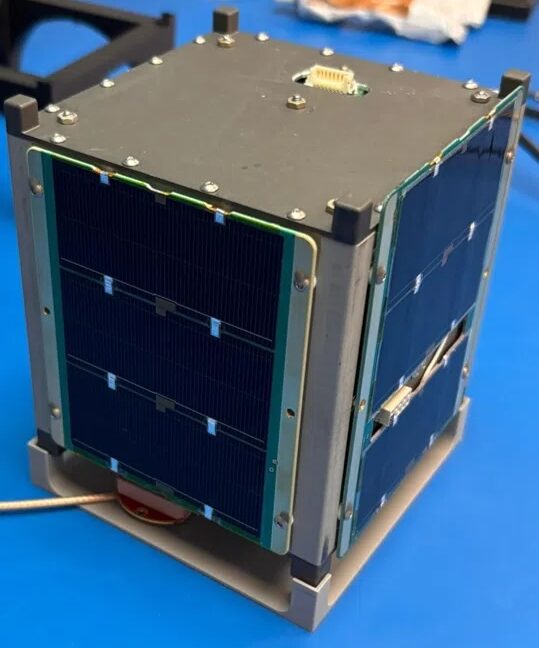
The proliferation of nuclear power in space got a little more real Tuesday with the launch of a small satellite developed by a Florida-based company specializing in nuclear micro-power technology.

It's a long way from launching a bona fide nuclear reactor, a breakthrough that could help power a permanent Moon base and efficiently drive rockets throughout the Solar System. But you have to start somewhere.

The satellite from Miami-based City Labs is named BOHR, short for Betavoltaic Orbital High-Reliability, and it launched on a SpaceX rideshare mission Tuesday alongside 80 other payloads. SpaceX's Falcon 9 rocket released the BOHR satellite into an orbit between 350 and 400 miles (nearly 600 km) in altitude.

Read full article

Comments

Β© City Labs

  •  

ULA's last six Atlas Vs can't launch anything besides Boeing's Starliner

The final flight of United Launch Alliance's Atlas V rocket is still several years off, but an important era for the once-dominant launch company came to a close last week.

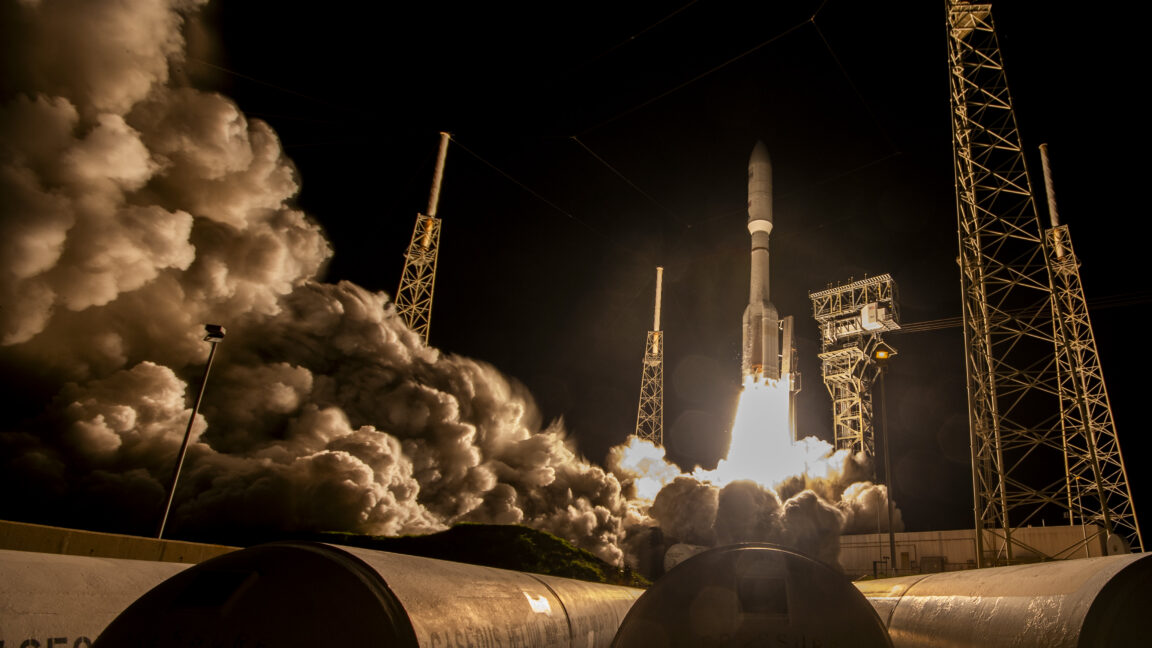
The final flight of an Atlas V for the Amazon Leo broadband constellation lifted off from Cape Canaveral Space Force Station in Florida at 12:30 am EDT (04:30 UTC) last Thursday, sending 29 satellites to orbit to move the network closer to providing initial services.

All 29 spacecraft deployed from the Atlas V rocket less than an hour after launch. They will use onboard propulsion to raise their orbits from an altitude of approximately 289 miles (465 kilometers) to their final operating positions at 392 miles (630 kilometers) above the Earth.

Read full article

Comments

Β© United Launch Alliance

  •  

Katalyst's satellite rescue mission is now in pursuit of NASA's Swift

High above the remote Pacific Ocean, about halfway between Hawaii and the northernmost part of Australia, an air-launched rocket fired into space on Independence Day weekend to kick off a weekslong pursuit of a NASA astronomy satellite perilously close to falling out of orbit.

The endeavor to rescue NASA's Swift satellite is the first mission of its kind. NASA put out a call for commercial companies less than a year ago to propose how they could rapidly build and launch a small satellite to latch onto the Swift spacecraft and boost its altitude so that it doesn't come down in a few months.

Katalyst Space Technologies responded with the best offer. NASA awarded the company a contract last September to build and launch a mission to rescue Swift. A little more than nine months later, Katalyst's nearly half-ton Link satellite is safely in orbit. For anyone who follows the space industry, building, testing, and launching a functioning first-of-its-kind satellite of that size in less than a year is a remarkable achievement; it would usually take several years.

Read full article

Comments

Β© Northrop Grumman

  •  

Katalyst's satellite rescue mission is now in pursuit of NASA's Swift

High above the remote Pacific Ocean, about halfway between Hawaii and the northernmost part of Australia, an air-launched rocket fired into space on Independence Day weekend to kick off a weekslong pursuit of a NASA astronomy satellite perilously close to falling out of orbit.

The endeavor to rescue NASA's Swift satellite is the first mission of its kind. NASA put out a call for commercial companies less than a year ago to propose how they could rapidly build and launch a small satellite to latch onto the Swift spacecraft and boost its altitude so that it doesn't come down in a few months.

Katalyst Space Technologies responded with the best offer. NASA awarded the company a contract last September to build and launch a mission to rescue Swift. A little more than nine months later, Katalyst's nearly half-ton Link satellite is safely in orbit. For anyone who follows the space industry, building, testing, and launching a functioning first-of-its-kind satellite of that size in less than a year is a remarkable achievement; it would usually take several years.

Read full article

Comments

Β© Northrop Grumman

  •  

Rocket Report: Indian startup nears first launch; SpaceX's millenary milestone

Welcome to Edition 9.01 of the Rocket Report! Back in January, I wrote about the 20 launches and landings we were most excited about in 2026. The list included things that were, at the time, officially scheduled to occur this year. I also gave my own view of the probability of each of these events actually happening before December 31. Halfway through the year, we can only count one of the events as completed, and that was NASA's Artemis II mission in April. Many are now scheduled for next year, proving again that delays are a constant in theΒ space industry. A couple of themβ€”such as the launch of NASA's Roman Space Telescopeβ€”do appear to be on track to happen soon.

As always, we welcome reader submissions. If you don't want to miss an issue, please subscribe using the box below (the form will not appear on AMP-enabled versions of the site). Each report will include information on small-, medium-, and heavy-lift rockets, as well as a quick look ahead at the next three launches on the calendar.

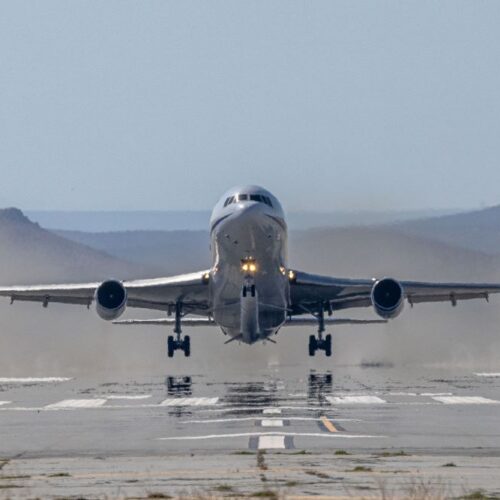
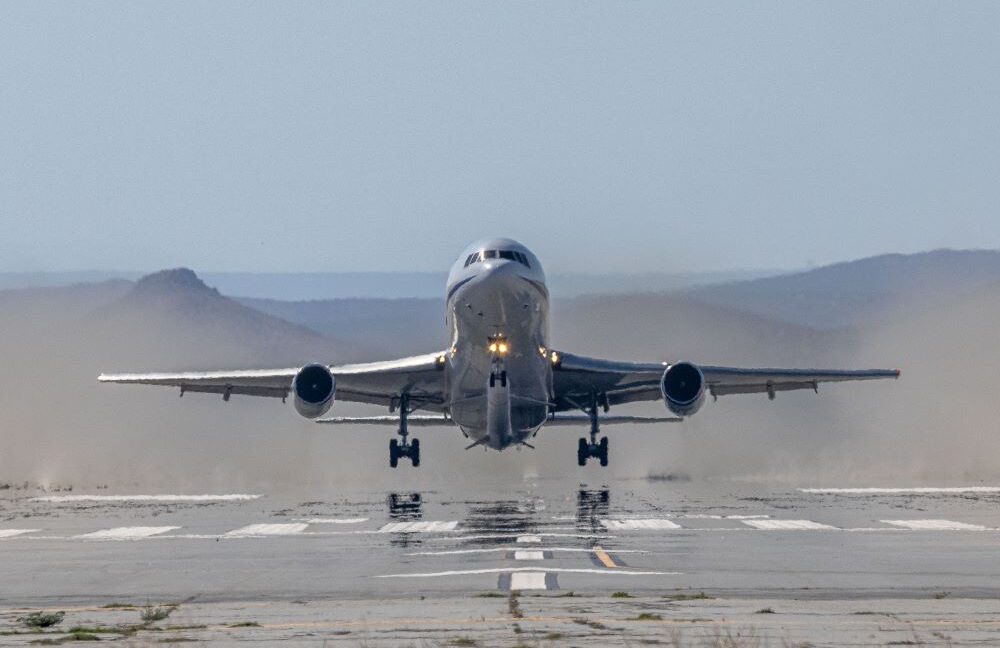
Swift Boost Mission reaches orbit. A pioneering commercial mission to reboost the orbit of NASA's Swift astronomy satellite launched early Friday after attempts earlier in the week were thwarted by bad weather and a technical issue. The Link servicing satellite developed by Katalyst Space Technologies soared to orbit on the tip of a Northrop Grumman Pegasus XL rocket that dropped from the belly of a modified L-1011 jetliner over the remote Pacific Ocean. Mission managers called off two launch attempts Tuesday and Wednesday due to poor weather around the L-1011's staging base on Kwajalein Atoll in the Marshall Islands. On Thursday, "a launch vehicle issue temporarily prevented teams from deploying the rocket" after takeoff of the L-1011.

Read full article

Comments

Β© SpaceX

  •  

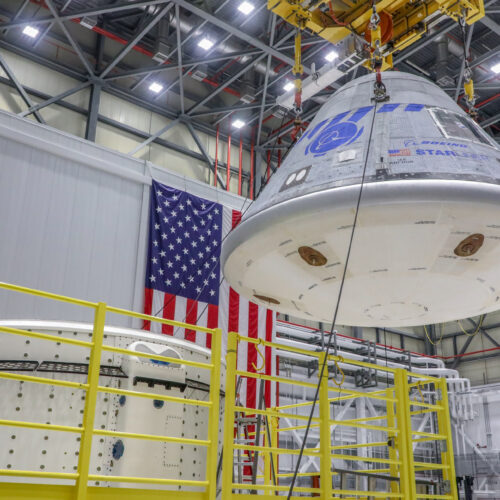
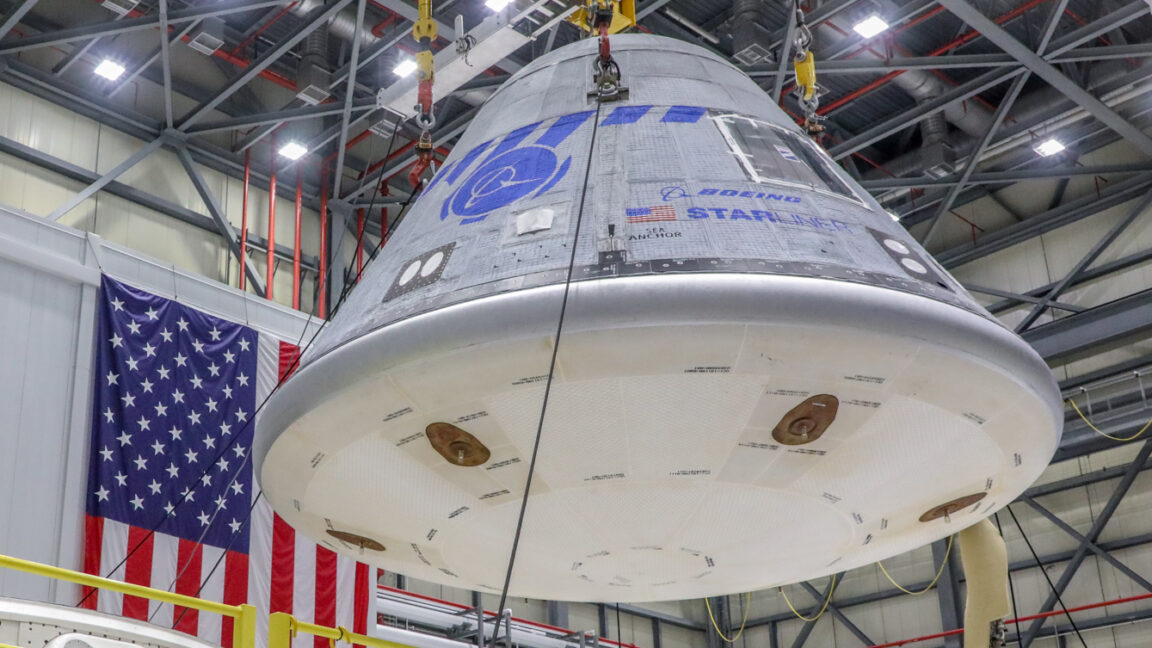
NASA inspector general suggests Boeing's Starliner will now be a decade late

NASA's inspector general released an audit Tuesday of the agency's Commercial Crew Program, and it looks increasingly likely that Boeing's Starliner crew capsule won't be certified for operational flights to the International Space Station until next year.

That's just three years before NASA's official retirement date for the ISS in 2030, though lawmakers in Congress are seeking an extension until 2032. What's more, declaring Starliner ready for regular crew rotation flights next year would put the Boeing crew capsule a decade behind its original target of 2017.

The inspector general issued six recommendations. NASA officials agreed to all of them. The recommendations include developing a schedule for the next Starliner flight and future crew missions and making sure the schedule is updated to include sufficient time to ensure all of the problems from Starliner's first test flight with astronauts in 2024 are "resolved and documented."

Read full article

Comments

Β© Boeing

  •  
❌