Reading view

Check out the first images of Quest shipwreck

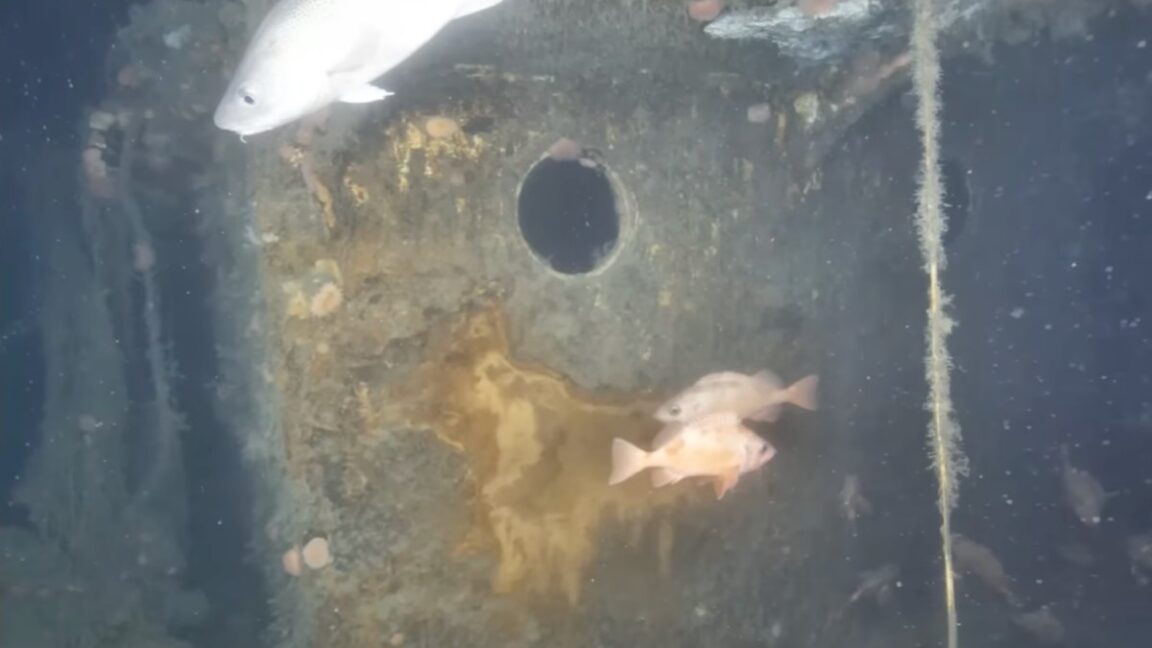
Back in 2024, we reported on the discovery of the Quest shipwreck, the polar exploration vessel that served Arctic explorer Sir Ernest Shackleton on his last voyage. Shackleton died before reaching their destination, and the ship sank in 1962. The Royal Canadian Geographic Society (RCGS) has now released the first images of the wreck more than 60 years after it sank, published in Canadian Geographic magazine.

Shackleton, of course, is most famous for his ill-fated voyage on the Endurance, which became trapped in sea ice in 1914 and sank. Shackleton and his crew defied the odds and survived. (The Endurance shipwreck was finally found in 2022.) By the time Shackleton returned to England, the country was embroiled in World War I, and many of his men enlisted. Shackleton was considered too old for active service. He was also deeply in debt from the Endurance expedition, earning a living on the lecture circuit. But he still dreamed of making another expedition to the Arctic Ocean north of Alaska to explore the Beaufort Sea. He got funding from an old school chum, John Quillier Rowett.

Shackleton purchased a wooden Norwegian whaler, Foca I, which his wife Emily renamed Quest. When the Canadian government withdrew its support, the mission shifted back to the Antarctic, and the Quest received an extensive retrofit. The improvements included a new deckhouse, a heated crow’s nest, a wireless set, and an odograph for tracing and charting the route automatically, as well as a Lucas deep-sea sounding machine, a large and pricey collection of cameras and photographic equipment, and even a small airplane.
Read full article

Comments

© YouTube/Canadian Geographic
  •  

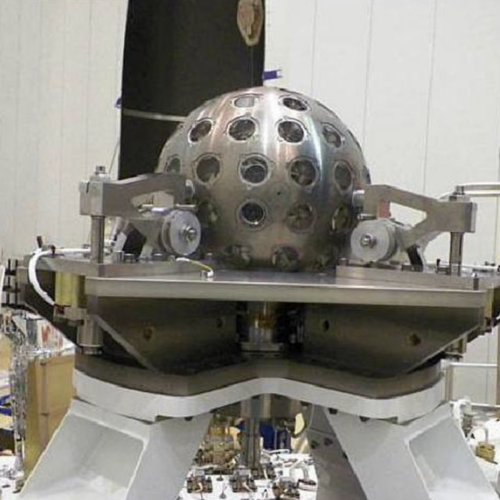
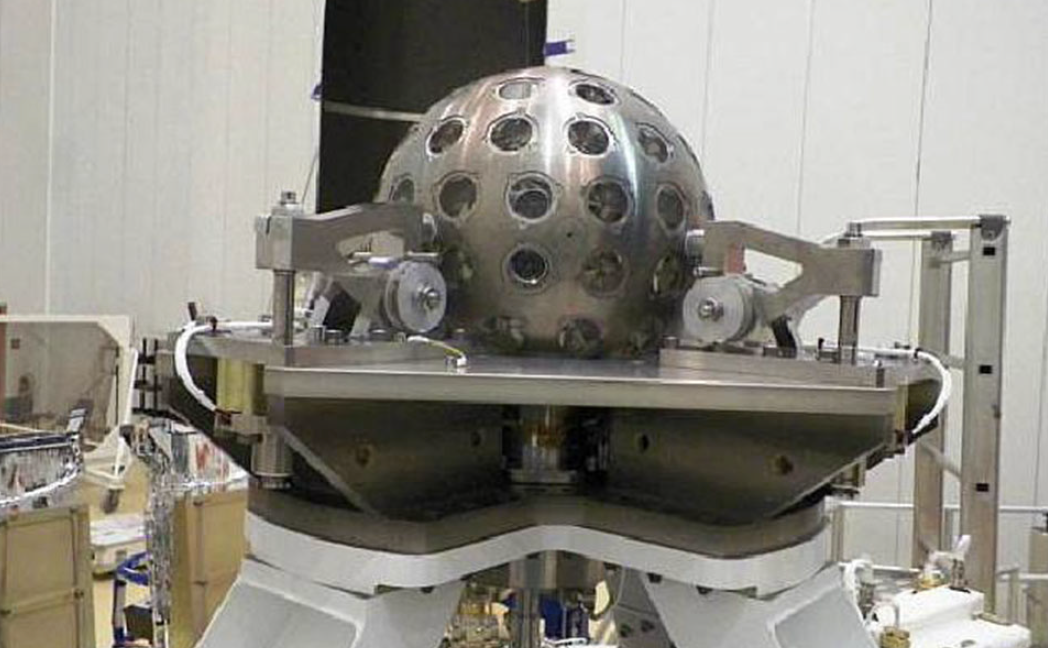
An orbiting disco ball gave Einstein’s theory its most precise test yet

Albert Einstein’s general theory of relativity predicts that a rotating mass like the Earth pulls the fabric of space and time around with it in a perpetual swirl. This phenomenon is known as frame dragging or the Lense-Thirring effect, after the two physicists who modeled it back in 1918. Frame dragging becomes more significant with larger masses and faster rotation, so we’ve mainly observed it around huge black holes.

Measuring how much the Earth twists spacetime as it rotates has been much more challenging because our pale blue dot of a planet is millions of times lighter than a typical black hole and rotates rather slowly.

But now, a team of astronomers led by Ignazio Ciufolini, a physicist at the Wuhan Institute of Physics and Mathematics in China, reports the most accurate measurement of the terrestrial Lense-Thirring effect to date. Their work brings our uncertainty down from a few percentage points to just 0.2 percent. And they did it with a satellite that looks like a cross between a golf ball and a disco globe.

Read full article

Comments

© NASA

  •  

Is an air-conditioning revolution coming to Europe?

If you're reading this while the blinds are drawn against yet another heat wave and wondering whether it’s finally time to buy an air conditioner, you're far from alone. At the end of June, as temperatures climbed well above 40° Celsius across Europe, shoppers in France literally forced their way into stores to snatch up portable fans and ACs before they sold out. Such scenes are likely to become more common. As the planet warms, the demand for cooling is rising worldwide. The International Energy Agency (IEA) predicts two-thirds of households could own an AC by 2050.

Politicians are, of course, turning ACs into a weapon in their broader culture wars. Far-right figure Marine Le Pen pledged to roll out air-conditioning across France if her party comes to power, while the British Conservatives vowed to overturn net-zero rules that restrict AC installation in new builds. On the left, the argument runs that air-conditioning would mainly benefit the rich and not those who need it most. It would also lock Europe into the same high-energy cooling spiral seen in the US and Asia. To date, only around 20 percent of Europeans have AC at home (and a mere 4 percent in the UK), compared with roughly 90 percent in the US, where electricity is considerably cheaper.

In Europe, air-conditioning is no longer just about comfort. It helps adults stay productive through extreme heat, and children concentrate in poorly ventilated schools. It helps people nod off when the air is still stiflingly warm long after sunset. It can even save lives. One research group estimated that air-conditioning prevented nearly 200,000 premature deaths among people over 65 in 2019 alone.

Read full article

Comments

© Pablo Blazquez Dominguez/Getty Images

  •  

Flores Hobbits' eating habits offer clues about their evolutionary past

Until about 60,000 years ago, diminutive hominin cousins, Homo floresiensis (affectionately nicknamed Hobbits for obvious reasons), shared the island of Flores with Komodo dragons, pygmy elephants, and giant rats.

Based on the presence of hominin and pygmy elephant bones in the same layers of cave sediment, it originally looked like the Hobbits had hunted and butchered dwarf elephants—an impressive feat for such a tiny hominin. But according to University of Tübingen anthropologist Elizabeth Veatch and her colleagues, it was the Komodo dragons that were the hunters, while the Hobbits only showed up to scavenge what was left.

If Veatch and her colleagues are right, their findings may challenge some of the assumptions we’ve made about Homo floresiensis—and about which hominin species was the first to venture into the wider world beyond Africa.

Read full article

Comments

© Zoo Atlanta

  •  

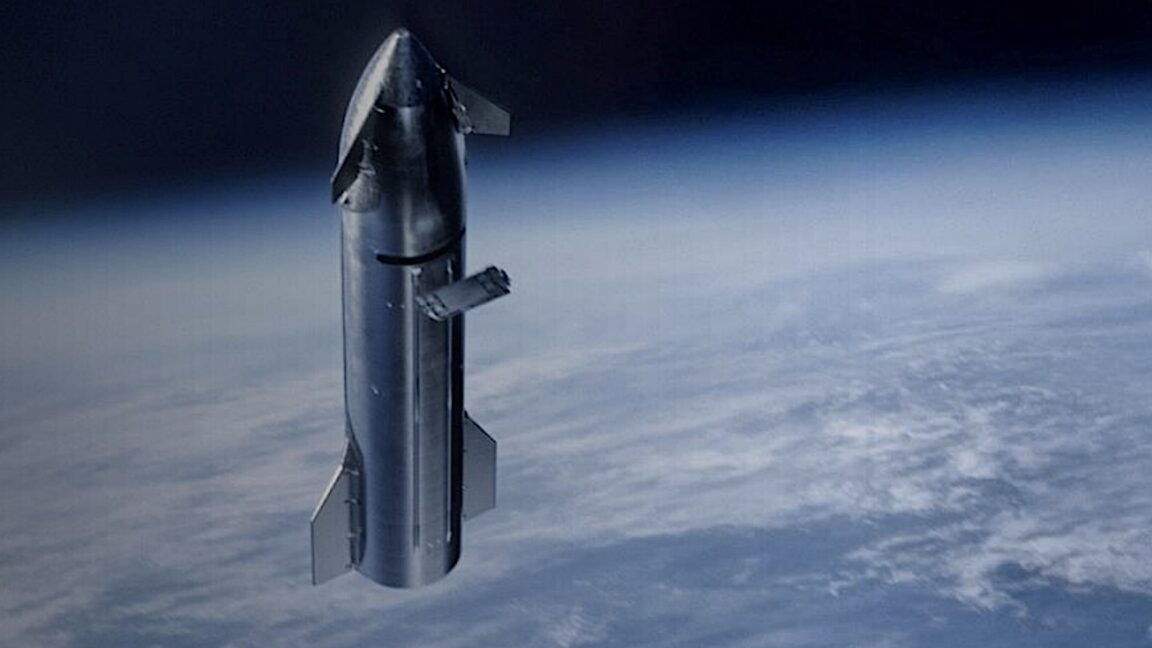
Payloads used to dictate the terms of launch. That's finally changing.

It wasn't easy to find anyone outside of SpaceX clamoring for a rocket like Starship just 10 years ago. Today, the space industry can't wait for Starship to finally deliver.

With a payload capacity of more than 100 metric tons (220,000 pounds) to low-Earth orbit, SpaceX's new rocket is changing the thinking of just about everyone in the space industry. With the unrealized but potentially game-changing benefits of refueling, Starship could carry the same amount of payload to higher orbits, the Moon, or Mars.

It's important to note that Starship is still very much in its experimental phase, far from proving Elon Musk's loftiest claims about what it can do. Still, NASA and the US military are considering novel ways to use Starship to fly to the Moon or transport cargo to far-flung war zones. Scientists are eager to use its enormous volume to launch giant space telescopes. Competitors are taking notice. China, the strongest strategic adversary America has ever faced, is looking for its own Starship. Now, some US satellite manufacturers are adapting for the substantial capacity of the world's most powerful rocket.

Read full article

Comments

© SpaceX

  •  

TikTok users don't have as much agency over their FYPs as they think

TikTok's For You Page (FYP) is the default home screen for users of the video-sharing platform. It's a personalized, algorithmically driven content feed, but the approach differs from other social media in that TikTok's algorithm relies heavily on implicit signals—such as how long users watch particular videos—as well as explicit signals such as likes or follows. And generally, that algorithm does remarkably well at predicting which videos will interest particular users.

But some users have voiced concerns that TikTok's almighty algorithm doesn't seem to incorporate negative feedback very well. Even when they don't watch a suggested video or click the "not interested" feature, they keep seeing those videos on their FYP. Northeastern University computer scientists put those suspicions to the test. According to their recent paper, the engagement signals do have an effect, but only temporarily. Then the algorithm gradually relapses unless a user consistently gives the same feedback over and over again.

The research group specializes in "algorithm audits," co-author Piotr Sapiezynski told Ars, to better understand online platforms: "how they work, how they fail, when they fail, how they harm individuals and societies." In this case, he and his co-authors wanted to take a closer look at user agency after hearing multiple anecdotal reports from TikTok users that their negative feedback—responding to prompts by indicating they aren't interested or want to see less of a certain kind of video—doesn't seem to remove those posts from their FYP. "On the other hand, it's unclear why the platforms would offer it, if it doesn't work," said Sapiezynski.

Read full article

Comments

© Getty Images | Bloomberg

  •  

Miami-based City Labs achieves a first for commercial nuclear power in space

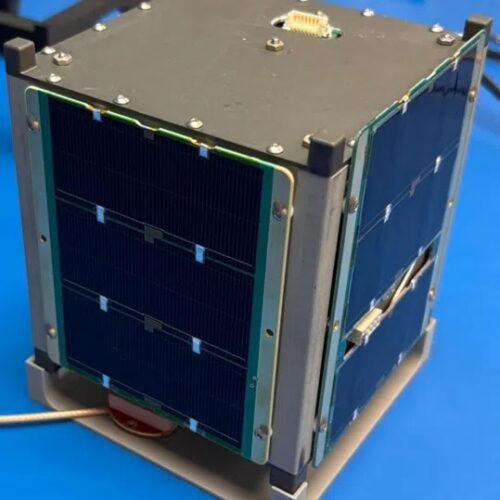
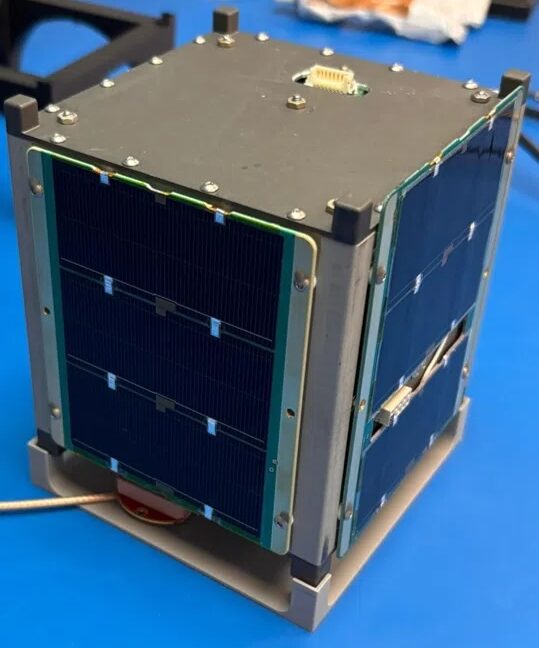
The proliferation of nuclear power in space got a little more real Tuesday with the launch of a small satellite developed by a Florida-based company specializing in nuclear micro-power technology.

It's a long way from launching a bona fide nuclear reactor, a breakthrough that could help power a permanent Moon base and efficiently drive rockets throughout the Solar System. But you have to start somewhere.

The satellite from Miami-based City Labs is named BOHR, short for Betavoltaic Orbital High-Reliability, and it launched on a SpaceX rideshare mission Tuesday alongside 80 other payloads. SpaceX's Falcon 9 rocket released the BOHR satellite into an orbit between 350 and 400 miles (nearly 600 km) in altitude.

Read full article

Comments

© City Labs

  •  

Ocean rift zone saw spreading happen in a sudden burst

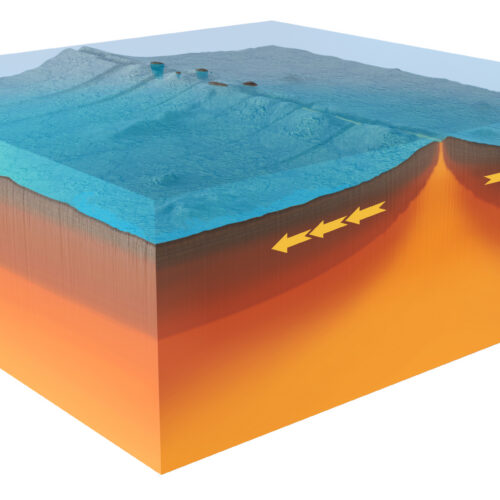
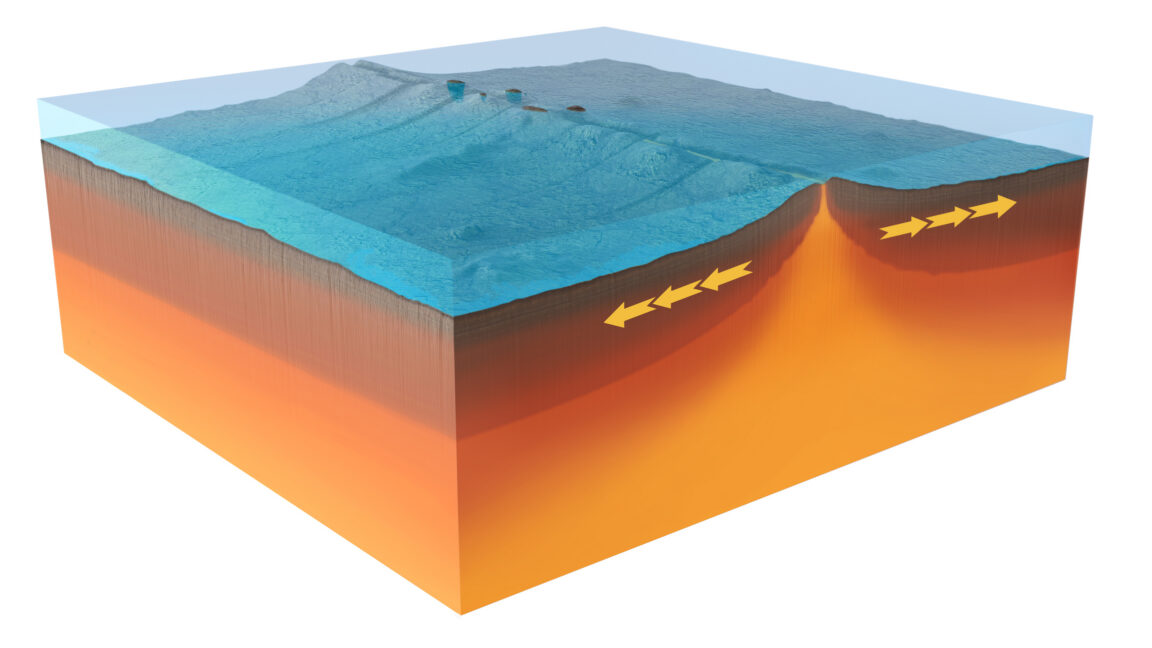
One of the central features of plate tectonics is the formation of new crust at mid-ocean ridges. Part of the spreading process that drives continents apart, it was arguably the discovery of these ridges that drove widespread acceptance of plate tectonics as a theory. Thanks to decades of exploration, we now have a good picture of what the crust that forms at the site of spreading looks like. But we still have an incomplete idea of how its features are actually produced.

In other words, we have a good idea of the outcome of the process, but not a detailed picture of the process itself.

That is starting to change. In 2024, a team of French scientists was able to remotely monitor a major event on the border between the Australian and Antarctic plates, only two months after they installed equipment on the ocean floor. Their data shows that most of the spreading occurred in a relatively short time window, and some key events happened without any obvious seismic activity.

Read full article

Comments

© MARK GARLICK/SCIENCE PHOTO LIBRARY

  •  

US rare earths flow to Asia as domestic demand is slow to emerge

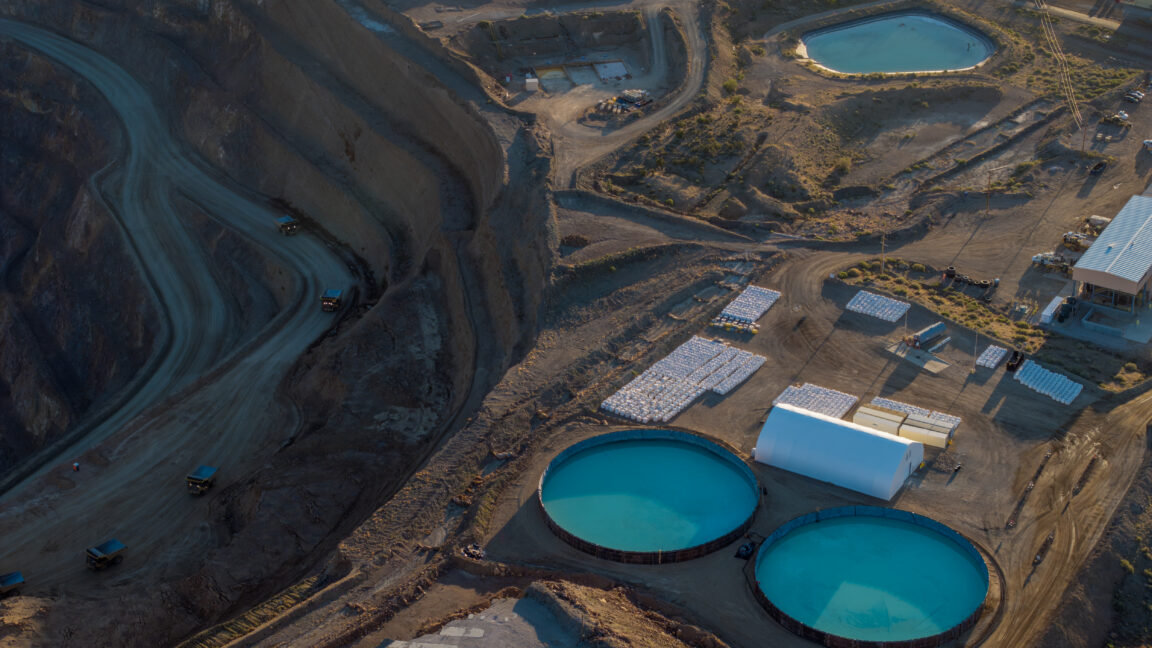
US rare earths produced by Washington-backed companies are flowing to Japan and South Korea, as American demand has yet to materialize despite the Trump administration’s push to develop a national supply chain.

Rare earths products produced by MP Materials, Energy Fuels and Phoenix Tailings—which together have won billions of dollars in US government support—are being sold to companies in Asia, where the scale of magnet manufacturing remains larger than the nascent production in the US.

China’s lock on global supplies of rare earths and critical minerals has become a national security concern in the US and other Western nations, since Beijing started restricting access to them. The metals are crucial to 21st-century technology and are used in the manufacturing of everything from weapons guidance systems to electric vehicle batteries.

Read full article

Comments

© David McNew / Contributor

  •  

Dragonflies maneuver like fighter pilots

Credit: Samuel T. Fabian et al., 2026

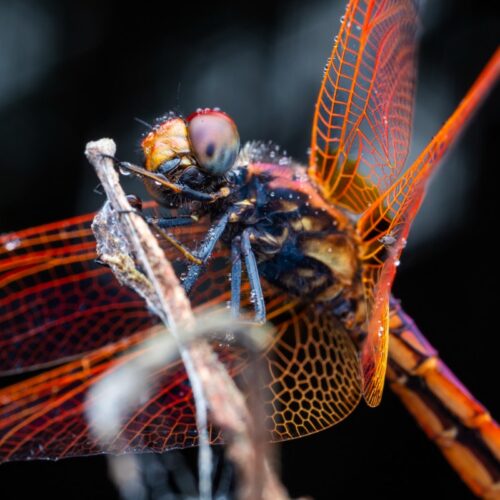
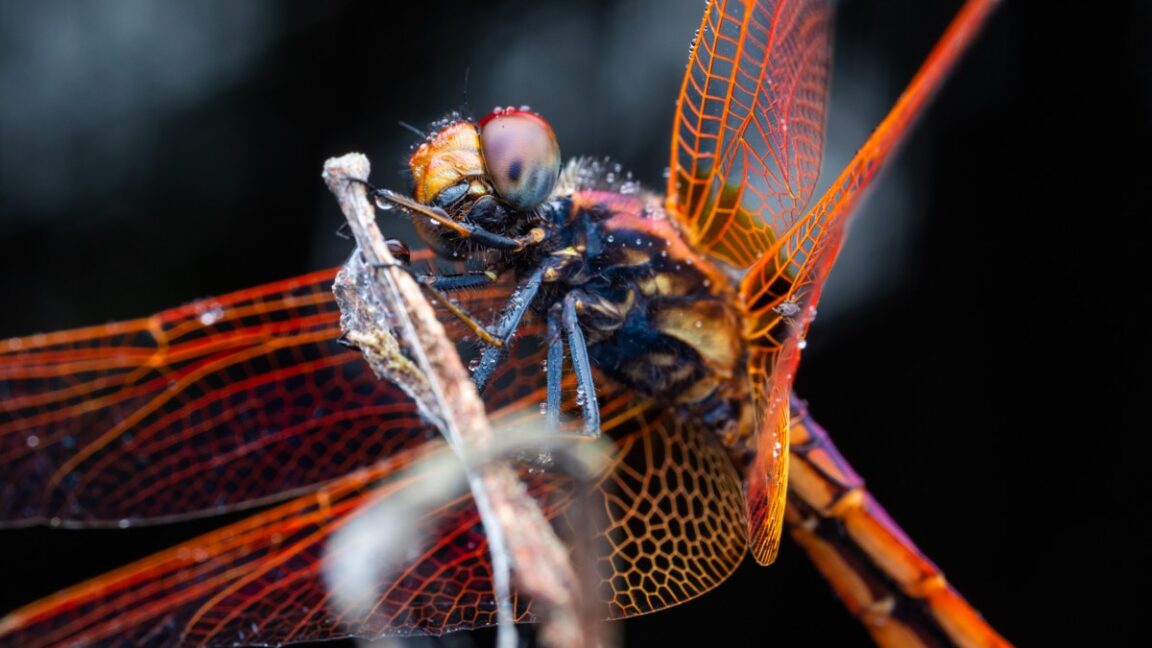
Male dragonflies are known to engage in mid-air "dogfights" to defend their breeding territory, using different maneuvers than those they employ when hunting prey. A new paper published in the Journal of the Royal Society Interface concluded that relatively simple rules drive that behavior, namely that male dragonflies are trying to maintain a tactical position. This mirrors the tactics of human fighter pilots. The research could lead to the development of smarter drones capable of navigating with simple, vision-based guidance rather than complex computation.

Classic pursuits involving prey or mating rituals are asymmetric: there is a chaser and an evader, with each role requiring different maneuvers. In the case of male-on-male interactions, however, it is more of a mutual pursuit, per the authors, who thought that studying flight trajectories of insects or raptors could yield useful insights into the guidance laws that underlie the behavior. They chose the Trithemis Aurora species of dragonfly for study because the males are "fiercely territorial," and there are usually multiple males around a given pond, intent on defending their chosen perches. The dragonflies are also crimson-colored, making them easier to track.

Much of the prior research on dragonfly interactions relied on visual observations or single-camera recordings. For this study, the authors set up a portable stereovideographic rig with two shutter-synchronized cameras to record dragonfly interactions in both color and monochrome, and then reconstructed 102 paired male-on-male flight trajectories to capture the 3D kinematics. They also reconstructed nine trajectories for dragonflies intercepting prey for comparative purposes. This enabled the authors to develop a model for the rules governing the flight behavior.

Read full article

Comments

© Samuel Fabian et al., 2026

  •  

NRC is (sort of) getting rid of "as low as reasonably achievable" standard

Last week, just before the US started its break for the July Fourth holiday, the Nuclear Regulatory Commission (NRC) proposed a new rule that would change how it regulated exposure to radiation. The Trump administration has been pushing to restart construction of nuclear power plants in the US, and many pro-nuclear advocates have been complaining about the US's existing regulations, portraying them as the main barrier to the flourishing of the industry. So, it had seemed likely that major revisions were coming.

Instead, the NRC's proposed new rules endorse the science behind its current rules and suggest that any problems are largely in the vagueness of the terminology that it has been using. So, instead, it's endorsing standards that are meant to accomplish the same thing, but avoid using some of the language it had relied on. Probably the clearest indication of the evolutionary change at play is that the NRC estimates the changing rules will save industry—not just power, but also medical and research applications—only about $9.5 million a year.

LNT and ALARA

There are two technical abbreviations at the center of US nuclear regulations. The first is LNT, which stands for "linear non-threshold." It's in reference to the issue of whether there's any level of radiation that is so low that it no longer produces harmful biological effects—the "threshold" in LNT. The "non-threshold" implies that it doesn't, and that's in keeping with biology, which has demonstrated that even single particles or photons of radiation can damage DNA and that the mechanisms cells have for repairing that damage are inherently error-prone. The "linear" in LNT simply describes how the impact of radiation scales directly with the dose.

Read full article

Comments

© SOPA Images

  •  

Katalyst's satellite rescue mission is now in pursuit of NASA's Swift

High above the remote Pacific Ocean, about halfway between Hawaii and the northernmost part of Australia, an air-launched rocket fired into space on Independence Day weekend to kick off a weekslong pursuit of a NASA astronomy satellite perilously close to falling out of orbit.

The endeavor to rescue NASA's Swift satellite is the first mission of its kind. NASA put out a call for commercial companies less than a year ago to propose how they could rapidly build and launch a small satellite to latch onto the Swift spacecraft and boost its altitude so that it doesn't come down in a few months.

Katalyst Space Technologies responded with the best offer. NASA awarded the company a contract last September to build and launch a mission to rescue Swift. A little more than nine months later, Katalyst's nearly half-ton Link satellite is safely in orbit. For anyone who follows the space industry, building, testing, and launching a functioning first-of-its-kind satellite of that size in less than a year is a remarkable achievement; it would usually take several years.

Read full article

Comments

© Northrop Grumman

  •  

Katalyst's satellite rescue mission is now in pursuit of NASA's Swift

High above the remote Pacific Ocean, about halfway between Hawaii and the northernmost part of Australia, an air-launched rocket fired into space on Independence Day weekend to kick off a weekslong pursuit of a NASA astronomy satellite perilously close to falling out of orbit.

The endeavor to rescue NASA's Swift satellite is the first mission of its kind. NASA put out a call for commercial companies less than a year ago to propose how they could rapidly build and launch a small satellite to latch onto the Swift spacecraft and boost its altitude so that it doesn't come down in a few months.

Katalyst Space Technologies responded with the best offer. NASA awarded the company a contract last September to build and launch a mission to rescue Swift. A little more than nine months later, Katalyst's nearly half-ton Link satellite is safely in orbit. For anyone who follows the space industry, building, testing, and launching a functioning first-of-its-kind satellite of that size in less than a year is a remarkable achievement; it would usually take several years.

Read full article

Comments

© Northrop Grumman

  •  

Chemical accidents rise as Trump administration proposes weakening safety rules

Physicist Ronald Koopman appeared at a Southern California Air District meeting in 2018 to talk about what seemed like an arcane scientific topic: hydrofluoric acid dispersion and water mitigation testing.

Hydrofluoric acid, also known as hydrogen fluoride or HF, is used to manufacture a range of materials, including refrigerants, gasoline, fluorine-based pesticides and fluoropolymers like those used to make Teflon. It’s also one of the most corrosive and dangerous chemicals known. Koopman conducted experiments with the chemical in the 1980s that warned about the potential of deadly accidents at facilities that use the hazardous materials.

With the Trump administration poised to roll back rules intended to protect workers and communities from catastrophic industrial chemical releases, and a new analysis showing rising rates of chemical accidents, Koopman’s presentation on highly hazardous materials has taken on a new urgency.

Read full article

Comments

© Apu Gomes/Getty Images

  •  

The missing 500 million: Cosmic bombardment melted Earth's first crust
Earth is the only planet we know of with buoyant, silica-rich continents. But, despite decades of research, geologists still don't agree on how they formed. "The continents started appearing around about four billion years ago—that's the oldest continental rock we know about,” said Tim Johnson, a geologist at Curtin University in Perth, Australia. “The Earth is four and a half billion years old, so why they started appearing then is unknown, as is the mechanism to make that continental crust."

Johnson and his colleagues are now arguing that the formation of continents on Earth was caused largely by an intense, sustained barrage of asteroid impacts that kept the early crust hot and thin enough to make buoyant continents possible. In short, the lands we live on are here because of ancient bombardment from space.

Plates and plumes

The problem with studying the formation of continents is that the geological evidence of this process is almost gone. The oldest known continental-type rocks crystallized around 4.03 billion years ago, right at the end of the Hadean eon (the earliest era in Earth’s history, spanning the first 500 million years of its existence). Rare basaltic rocks date back about 4.2 billion years, and a handful of the oldest zircon crystals push the record back to 4.4 billion years. Beyond that, there's hardly anything else. So, scientists looking into the origin of continents had to rely largely on educated guesses. “There are huge debates about what was going on in the early Earth, because the data is so scarce,” Johnson said.

Read full article

Comments

© NASA's Goddard Space Flight Center Conceptual Image Lab

  •  

When the ability to smell goes away

About 14 years ago, Chrissi Kelly lost her sense of smell. She had traveled to the Czech Republic to visit family and caught some virus. Months later, when she still couldn’t smell, she made the rounds to doctors, including her general practitioner and an ear, nose and throat specialist, trying to find answers.

She was diagnosed with anosmia (smell loss), and like many patients with her condition, was told she’d have to learn to live with it. But for her, the loss was catastrophic. “After about six months of complete loss, I was just climbing the walls, and I did not feel like myself anymore,” she says.

Researchers estimate that up to 22 percent of the population lives with smell impairments, like hyposmia (partial smell loss) or anosmia (complete smell loss). And many others live with smell disorders like phantosmia, in which a person picks up phantom smells, or parosmia, where typically pleasant scents like coffee or shampoo begin to register as highly unpleasant (think feces or vomit). Yet the conditions have been poorly understood, underdiagnosed and often minimized by clinicians.

Read full article

Comments

© Design Cells

  •  

A martian rock has lots of carbon on it, and it's not clear why

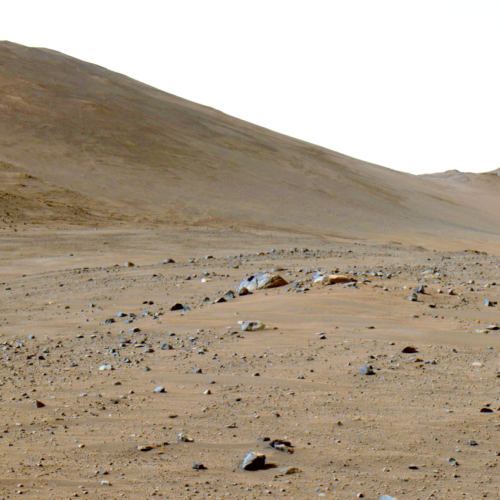
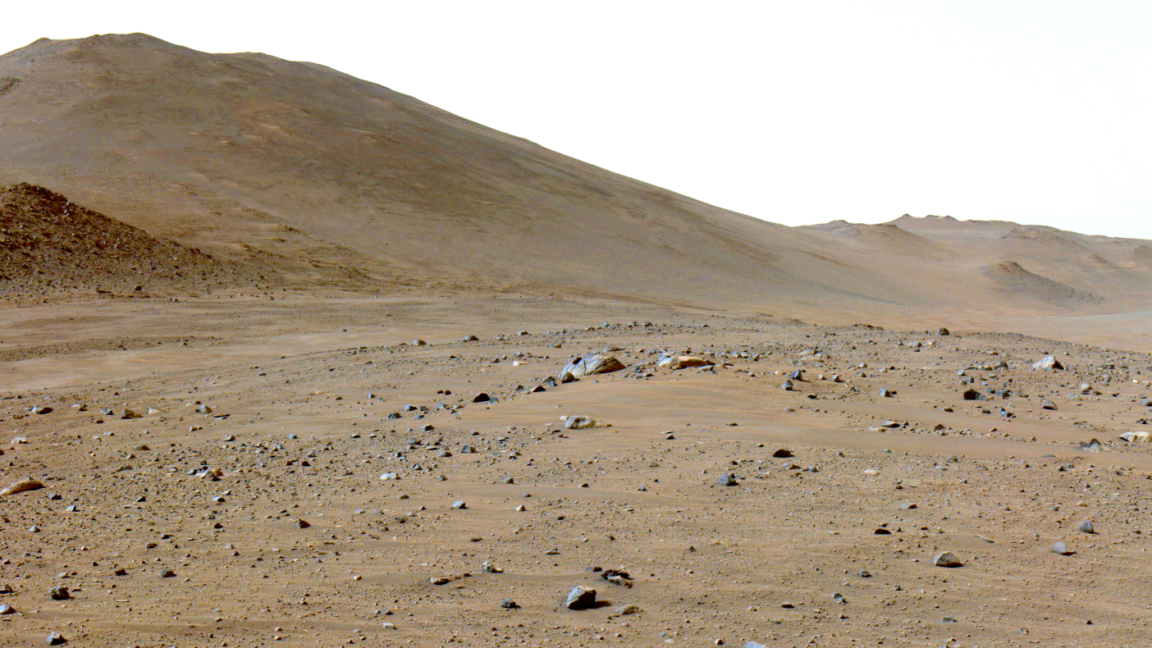
NASA’s Perseverance rover has spent five years traversing Jezero Crater looking for the chemical leftovers of whatever processes were at work on Mars billions of years ago. The rover has found organic carbon, but it has mostly been inside rocks that had to be drilled or abraded to expose it. But now, at an outcrop on the edge of an ancient river channel named Neretva Vallis, Perseverance detected complex macromolecular carbon sitting right on the rock’s surface.

“To our knowledge, that’s the shallowest detection of organic matter on Martian surface to date,” said Ashley E. Murphy, a researcher at the Planetary Institute in Tucson, Arizona, and lead author of the study of the rock, which was found at a site called Bright Angel. On Earth, this much macromolecular carbon usually suggests a biological origin. But to learn what this Bright Angel carbon is and where it came from, we might need to bring samples back to Earth.

Carbon on the rocks

The detection of Bright Angel carbon came from SHERLOC (Scanning Habitable Environments with Raman and Luminescence for Organics and Chemicals), a UV Raman spectrometer fitted on Perseverance’s robotic arm. SHERLOC fires a deep-ultraviolet laser at a target and reads the light that bounces back at shifted energies, a signal that enables scientists to identify specific molecular bonds.

Read full article

Comments

© NASA/JPL-Caltech

  •  

Rocket Report: Indian startup nears first launch; SpaceX's millenary milestone

Welcome to Edition 9.01 of the Rocket Report! Back in January, I wrote about the 20 launches and landings we were most excited about in 2026. The list included things that were, at the time, officially scheduled to occur this year. I also gave my own view of the probability of each of these events actually happening before December 31. Halfway through the year, we can only count one of the events as completed, and that was NASA's Artemis II mission in April. Many are now scheduled for next year, proving again that delays are a constant in the space industry. A couple of them—such as the launch of NASA's Roman Space Telescope—do appear to be on track to happen soon.

As always, we welcome reader submissions. If you don't want to miss an issue, please subscribe using the box below (the form will not appear on AMP-enabled versions of the site). Each report will include information on small-, medium-, and heavy-lift rockets, as well as a quick look ahead at the next three launches on the calendar.

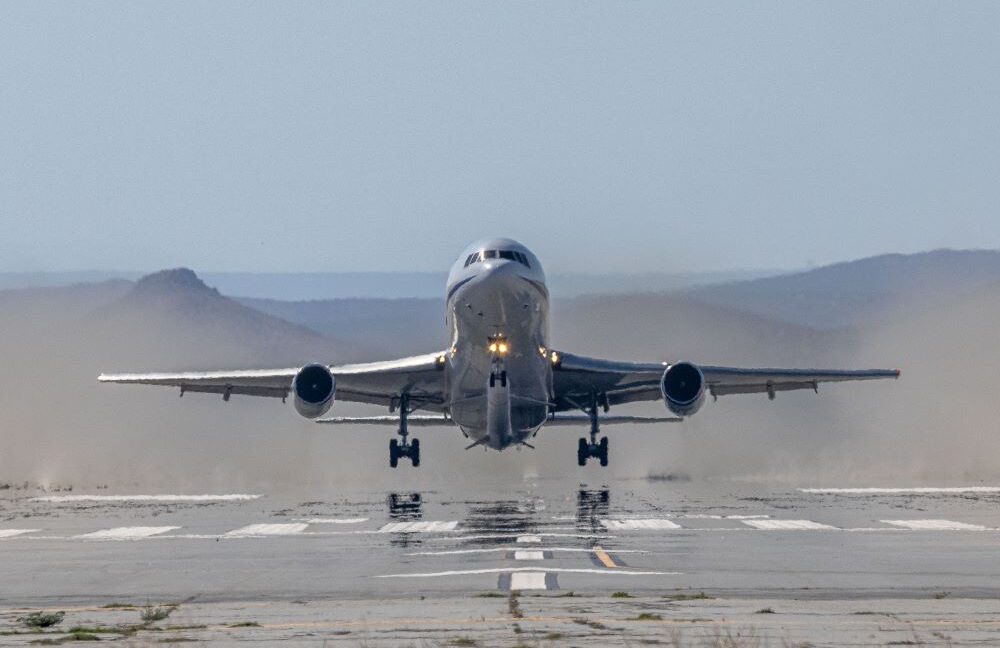
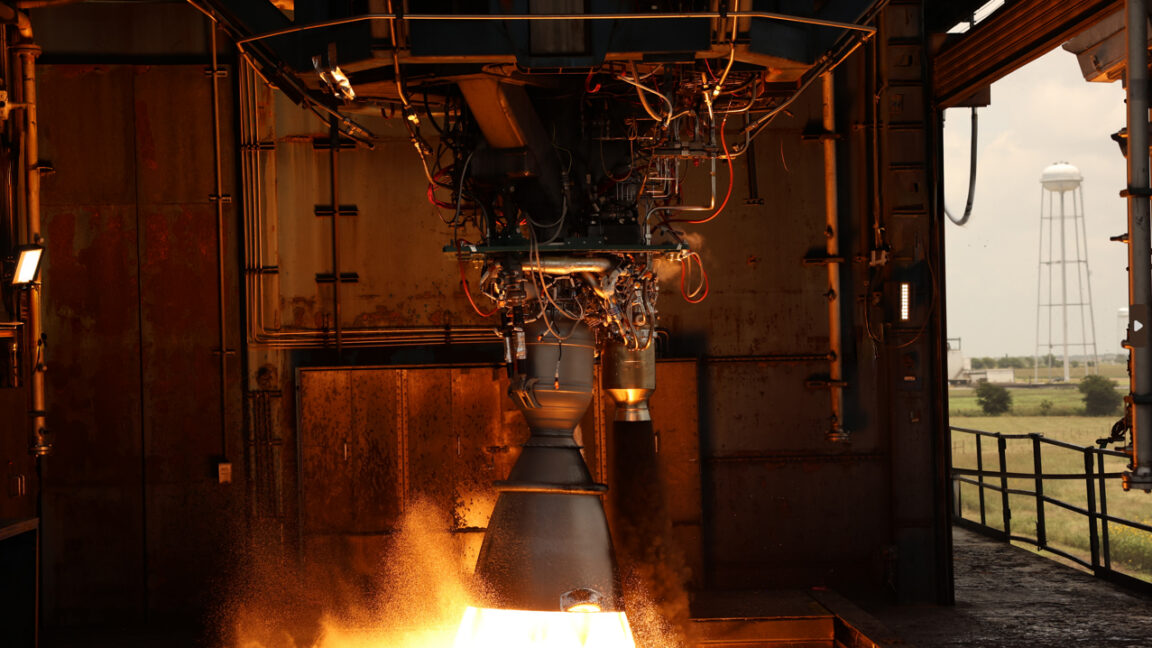
Swift Boost Mission reaches orbit. A pioneering commercial mission to reboost the orbit of NASA's Swift astronomy satellite launched early Friday after attempts earlier in the week were thwarted by bad weather and a technical issue. The Link servicing satellite developed by Katalyst Space Technologies soared to orbit on the tip of a Northrop Grumman Pegasus XL rocket that dropped from the belly of a modified L-1011 jetliner over the remote Pacific Ocean. Mission managers called off two launch attempts Tuesday and Wednesday due to poor weather around the L-1011's staging base on Kwajalein Atoll in the Marshall Islands. On Thursday, "a launch vehicle issue temporarily prevented teams from deploying the rocket" after takeoff of the L-1011.

Read full article

Comments

© SpaceX

  •  

Artificial cell manages a few rounds of cell division

Understanding the origin of life requires addressing a collection of overlapping scientific questions. We've made a lot of progress toward explaining how simple chemicals present on an early Earth built the complex molecules used by life and how some of those chemicals built the first genetic/catalytic molecules. But we're much further from understanding a key conundrum: How did membranes end up surrounding the first cells?

It's relatively easy to make membranes spontaneously form in water, and they'll enclose anything dissolved in that water, including nucleic acids. But the membranes then cut their interior off from everything else in the solution. Any interesting chemical reactions enclosed there would eat through the raw materials and grind to a halt.

Now, a lab at the University of Minnesota has announced that it has developed a simplified system in which a membrane encloses some genetic material but can continually import new materials supplied to it. The system also spontaneously divides, producing a few generations of "offspring" before things start failing. It's still extremely dependent upon human intervention, but it might provide a new avenue to explore questions about the origin of life and what a truly minimalistic form of life might look like.

Read full article

Comments

© Biotic

  •  

Editorial: It's time to step up and have your say for science

Near the end of May, the Office of Management and Budget (OMB) proposed a new rule that would govern how the federal government handles the grants it issues, including those that fund the vast majority of scientific research in the US.

If formalized, the rule would make political priorities the prime determinant of what science gets funded and sideline the opinions of scientific experts. Grants could be canceled due to political whims, and new layers of bureaucracy would inhibit basic scientific activities like publishing papers and attending conferences. Unlike the executive orders it echoes, it would have the force of law behind it and be significantly harder to challenge in court.

Before coming into force, however, the proposal must go through a process that includes public feedback and (potentially) changes in response. The deadline for that feedback—Monday, July 13—is rapidly approaching.

Read full article

Comments

© Alex Wong/Getty Images

  •  

US home battery installations hit record high on rising electricity costs

US homeowners have embraced home batteries in record-breaking numbers in early 2026, spurred on by state incentives while seeking to offset rising residential electricity costs. The trend could even unlock a more flexible energy supply for power grid operators and even AI data centers.

New home battery installations reached a record 673 megawatts of energy storage in the first quarter of 2026, according to the US Energy Information Administration. That trend was driven by states with high electricity prices that have implemented policies to incentivize home battery installation, Bloomberg News reported.

This residential battery trend stands out as a natural next step for states that have already successfully boosted rooftop solar adoption among homeowners, given how batteries enable homeowners to use stored solar energy at night. California and Hawaii accounted for the majority of new residential battery storage, while Texas and Arizona also saw significantly higher numbers of installations.

Read full article

Comments

© Brett Coomer/Houston Chronicle via Getty Images

  •  

Superworms could replace beetles for cleaning skeletal remains

Fatemeh Rastekar, Niloofar Alaei Kakhki and Morteza Monfared discuss the safe and practical utility of superworm larvae for cleaning museum specimens. Credit: Anthony Lewis, PLOS/CC-BY 4.0

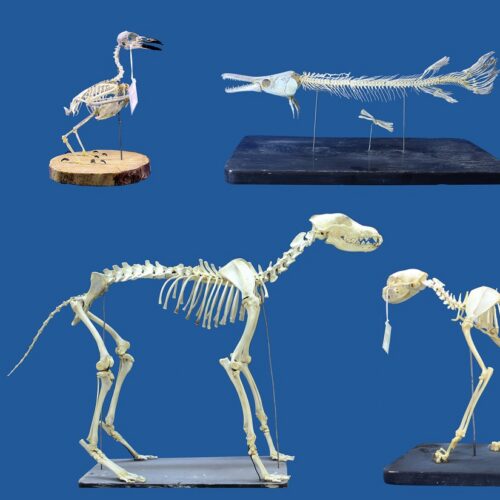
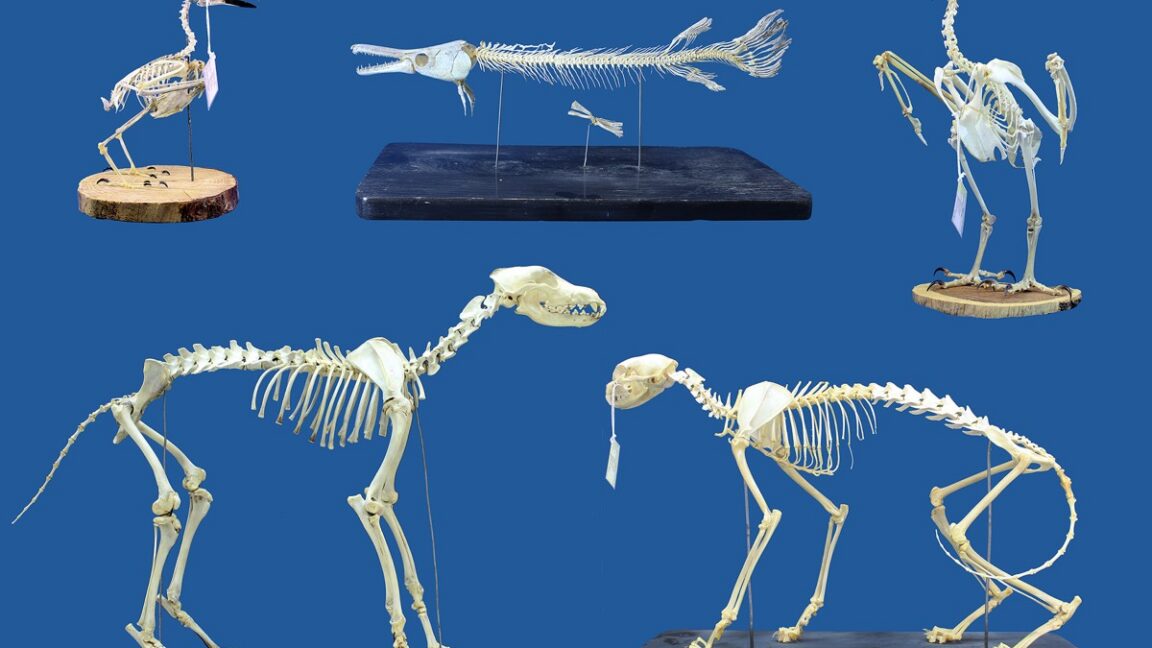
Preparing skeletal specimens for display in museums or for forensic studies requires the bones to be thoroughly cleaned to remove any remaining flesh or soft tissue. However, the need for thorough cleaning must be balanced against the risk of damaging the actual bones. According to a new paper published in the journal PLoS One, the larvae of so-called "superworms" (Zophobas morio)—a common pet food—offer a practical alternative.

There are existing methods for cleaning skeletal remains, such as burial, digestive enzymes, or chemical treatments. But most have drawbacks, including damaging bones, taking a long time to process, having expensive operational costs, or the use of environmentally hazardous substances. Using dermestid beetles has become the preferred method for skeletal cleaning since they can efficiently remove soft tissue without damaging the bone. The downside is that without strict containment practices, the beetles can escape and lay eggs that hatch, leading to infestations that threaten museum collections.

Fatemah Rastekar of Ferdowsi University of Mashhad in Iran and co-authors thought superworms might bring the same benefits as the beetles without the risk of infestation. For one thing, beetle colonies span all life stages and hence require complex containment; superworm cleaning only requires the larval stage, which lasts 10–12 weeks compared to just five to seven weeks for the beetles. And the larvae don't pupate in crowded conditions, so it's easier to manage the colonies while reducing the risk of escape. But could superworms match the cleaning efficiency of their rival beetles?

Read full article

Comments

© Rastekar et al., 2026, PLOS One/CC-BY 4.0

  •  

June research roundup: 6 cool science stories we almost missed

It’s a regrettable reality that there is never enough time to cover all the interesting scientific stories we come across. So every month, we highlight a handful of the best stories that nearly slipped through the cracks.  June’s list includes insight into the science of soccer's scissors feint; the physics of poo's distinctive coiled shape; a boron buckyball; and the latest breakthrough in the ongoing Vesuvius challenge to decipher the Herculaneum scrolls.

The science of soccer's scissors feint

close up of a soccer player's legs on the field as player performs the scissors feint Credit: Screenshot/YouTube/Howcast

With the FIFA World Cup in full swing, even scientists' thoughts are turning to soccer (or football for everyone else in the world). For instance, one common and highly effective dribbling maneuver is the "scissors feint," in which a player uses the outside of their feet to fake going one way and then cutting to the other. Japanese scientists studied university and junior high school soccer players of varying skill levels to study dribbling dynamics, focusing on the scissors feint. The movements were captured with high-speed cameras.

Read full article

Comments

© Pranav Joshi

  •  
❌