Anil Menon, a NASA flight surgeon, felt crushed nine years ago as his hopes and aspirations collapsed around him.
For the fourth time, he had diligently applied to become an astronaut at the US space agency, seeking to fulfill a lifelong dream. Although he made it to the final round, NASA had once again rejected his application at the end of the grueling process.
"I was so sad, and I admitted defeat," Menon said. "I just did not see a pathway forward. So I pretty much, at that point in time, gave up on being an astronaut. I thought there was a zero percent chance."
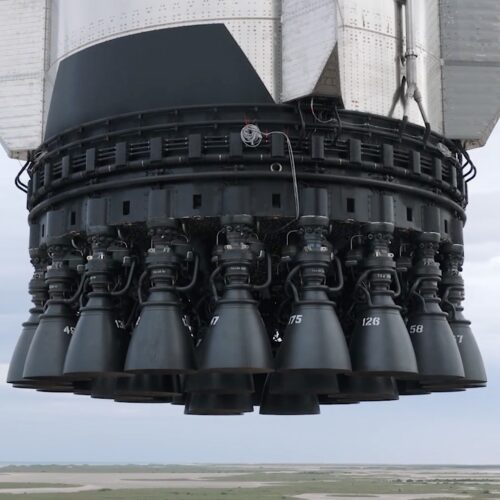
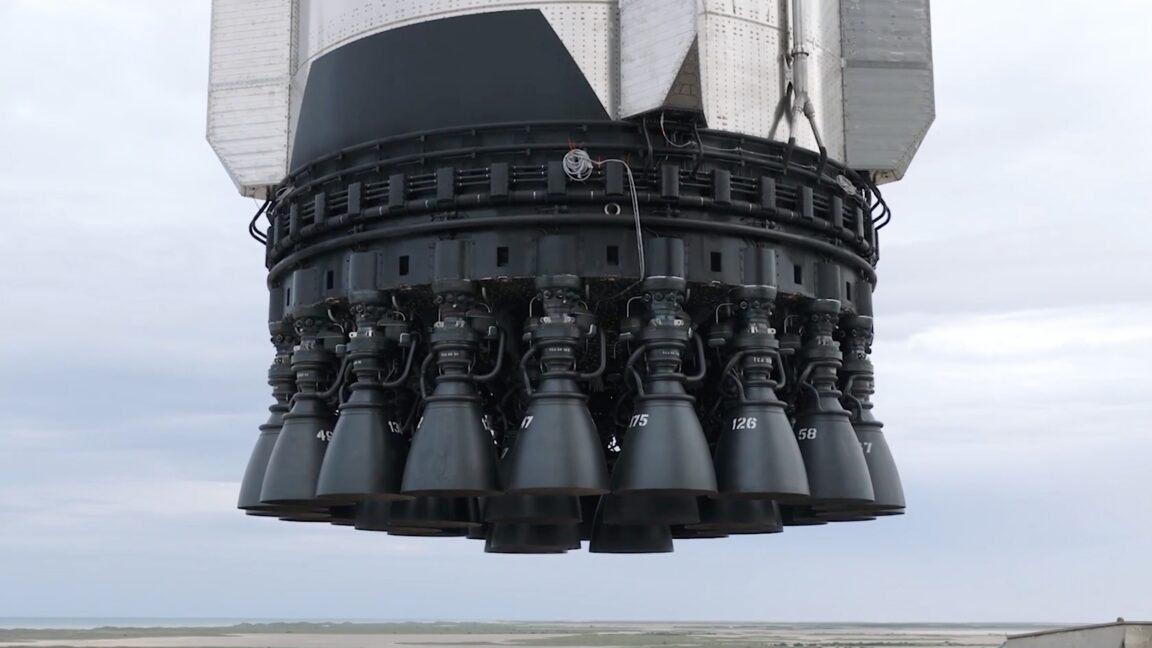
The next test flight of SpaceX's Starship spacecraft and Super Heavy booster could take off as soon as Thursday, and much of the hour-long mission will look a lot like the last Starship flight in May.
But there are a few key differences for this launch, set to occur during a launch window that opens at 5:45 pm CDT (22:45 UTC) on Thursday. The most notable change is the inclusion of real, functioning Starlink satellites inside Starship's cargo bay. SpaceX previously tested the ship's payload deployment mechanism using simulators mimicking the mass and dimensions of the company's next-generation Starlink Version 3 broadband satellites.
This time—Starship's 13th full-scale test flight and the second to use SpaceX's newest version of Starship—technicians have installed 20 Starlink V3 satellites into the ship's deployer, a system of pulleys and cables designed to eject a stack of satellites one at a time through an opening on the side of the spacecraft. The satellites will not be part of SpaceX's operational network, but engineers will attempt to briefly establish laser communication links between the Starlink V3s and other spacecraft flying in low-Earth orbit. If successful, these links will validate Starlink V3's interoperability with SpaceX's previous generation of Starlink satellites.
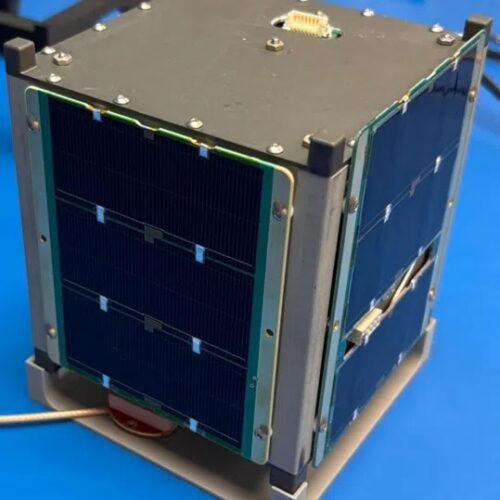
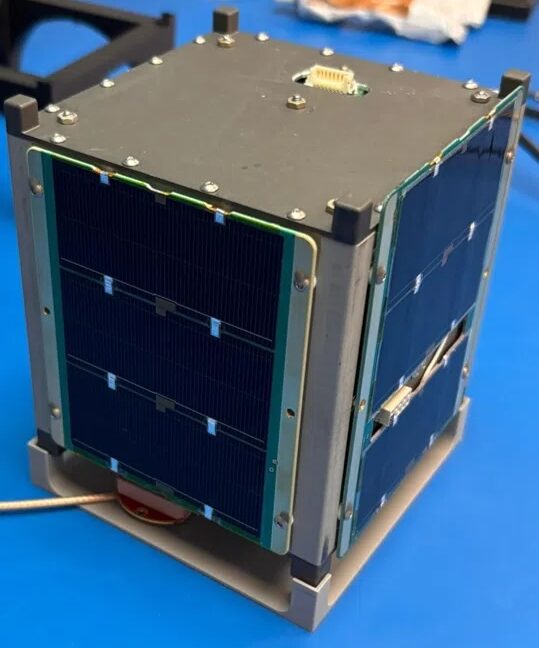
The proliferation of nuclear power in space got a little more real Tuesday with the launch of a small satellite developed by a Florida-based company specializing in nuclear micro-power technology.
The satellite from Miami-based City Labs is named BOHR, short for Betavoltaic Orbital High-Reliability, and it launched on a SpaceX rideshare mission Tuesday alongside 80 other payloads. SpaceX's Falcon 9 rocket released the BOHR satellite into an orbit between 350 and 400 miles (nearly 600 km) in altitude.
Welcome to Edition 9.01 of the Rocket Report! Back in January, I wrote about the 20 launches and landings we were most excited about in 2026. The list included things that were, at the time, officially scheduled to occur this year. I also gave my own view of the probability of each of these events actually happening before December 31. Halfway through the year, we can only count one of the events as completed, and that was NASA's Artemis II mission in April. Many are now scheduled for next year, proving again that delays are a constant in the space industry. A couple of them—such as the launch of NASA's Roman Space Telescope—do appear to be on track to happen soon.
As always, we welcome reader submissions. If you don't want to miss an issue, please subscribe using the box below (the form will not appear on AMP-enabled versions of the site). Each report will include information on small-, medium-, and heavy-lift rockets, as well as a quick look ahead at the next three launches on the calendar.
Swift Boost Mission reaches orbit. A pioneering commercial mission to reboost the orbit of NASA's Swift astronomy satellite launched early Friday after attempts earlier in the week were thwarted by bad weather and a technical issue. The Link servicing satellite developed by Katalyst Space Technologies soared to orbit on the tip of a Northrop Grumman Pegasus XL rocket that dropped from the belly of a modified L-1011 jetliner over the remote Pacific Ocean. Mission managers called off two launch attempts Tuesday and Wednesday due to poor weather around the L-1011's staging base on Kwajalein Atoll in the Marshall Islands. On Thursday, "a launch vehicle issue temporarily prevented teams from deploying the rocket" after takeoff of the L-1011.
Along with Ars Technica Space Editor Eric Berger; the director of research at Quilty Space, Caleb Henry; and the host of the Main Engine Cut Off podcast, Anthony Colangelo, spoke about various topics. Chief among them was the implications of this failure for NASA's attempt to land humans on the Moon for the Artemis IV mission. Blue Origin and SpaceX are both building landers to support this goal and the rockets to deliver them to the Moon.
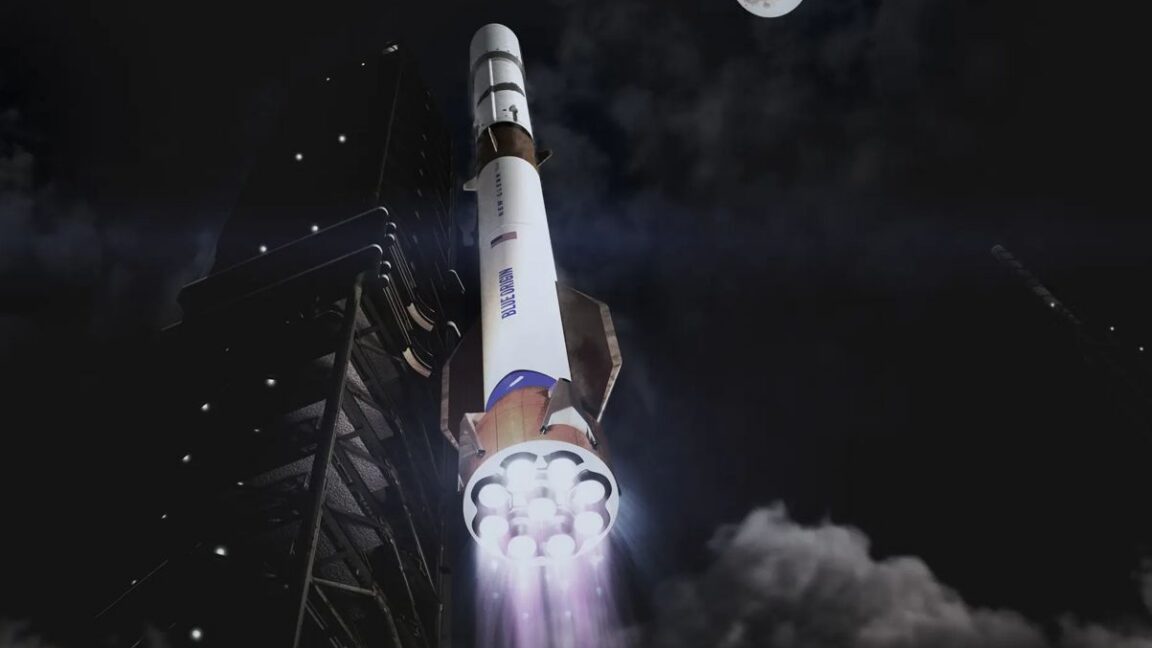
During the conversation, Berger reported that the current Blue Origin "architecture" for a human mission would require four launches of new variant of the New Glenn rocket, known as 9x4, because it has nine first stage engines, and four upper stage engines. This is a more powerful version than the "7x2" variant that exploded a little more than a month ago. Blue Origin has not set a target date for the 9x4 rocket's debut, but some sources have indicated the company is targeting late 2027 or early 2028.

 Login
Login