Reading view

Trump admin puts Americans in Congo on "do-not-board" list, barring return

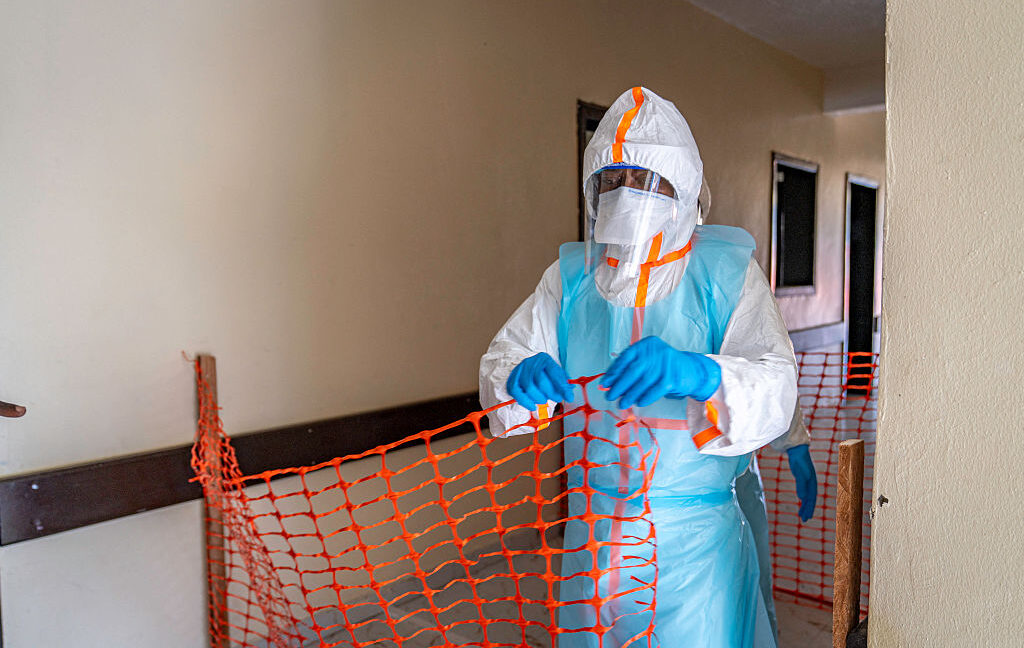
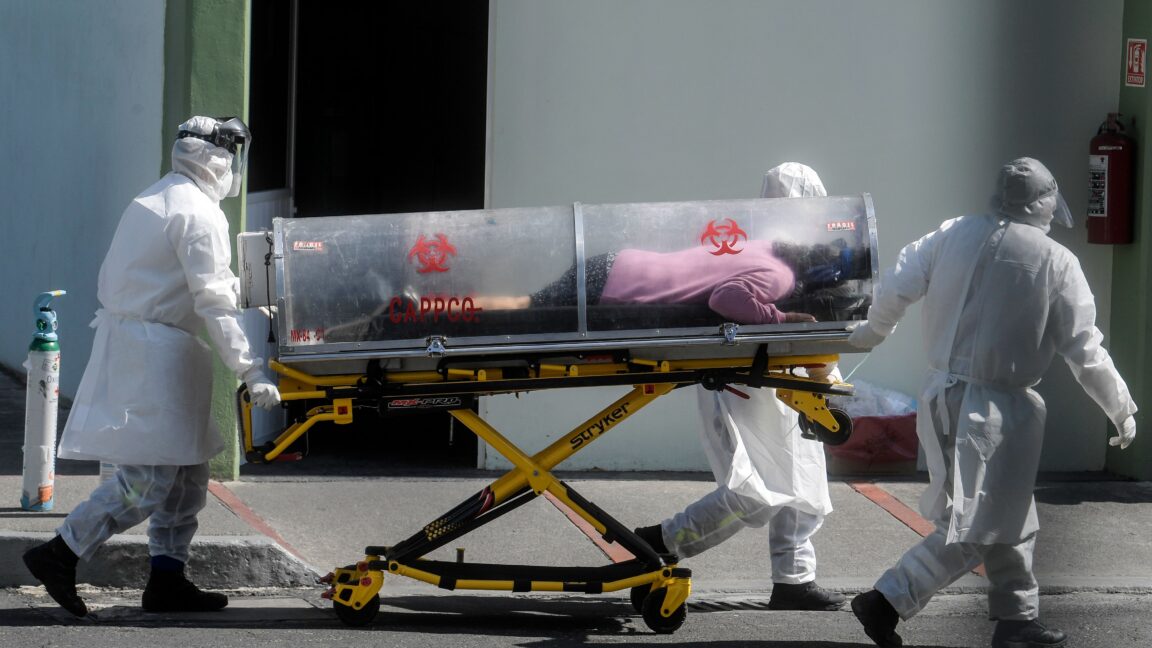
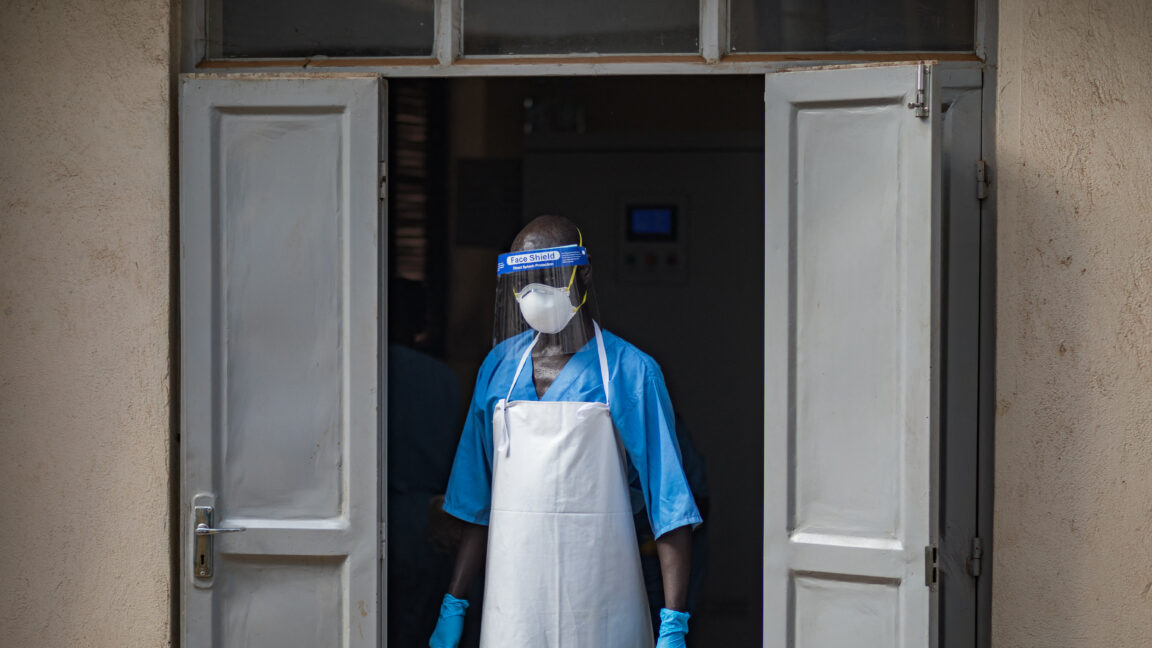
The Trump administration on Monday barred US citizens in the Democratic Republic of the Congo from returning home amid an Ebola outbreak that continues to outpace response efforts.

Reuters first reported late Monday that Americans currently in the DRC or those who have recently traveled to the Ebola-stricken country have been put on a "do-not-board" list. They cannot travel back to the US until they have spent 21 days in a third country. The order, taken under a transportation authority known as Title 49, was independently confirmed by Politico on Tuesday.

Both outlets noted that roughly two dozen Americans who had been set to board flights home on Tuesday have already been blocked by the new rule. It remains unclear if the bar also applies to government workers. The Centers for Disease Control and Prevention has at least two dozen employees working in the DRC.

Read full article

Comments

© Getty | GLODY MURHABAZI

  •  

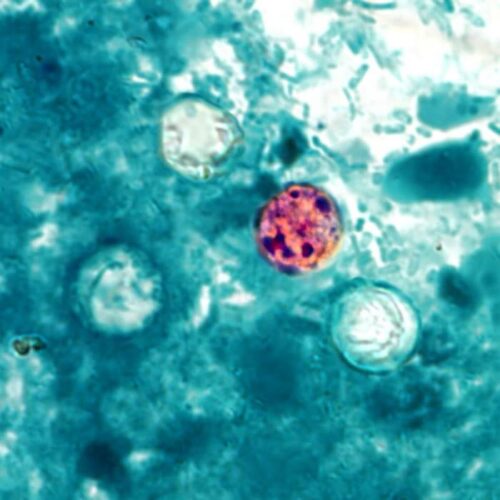
Probe into explosive diarrheal cases points to Taco Bell and bad lettuce

Lettuce and salad greens have become the prime suspects in an explosive outbreak of the diarrheal parasite Cyclospora, which is surging nationwide but erupting to extraordinary heights in Michigan.

In recent years, Michigan has typically reported around 50 cases of cyclosporiasis, which causes urgent bouts of watery diarrhea, abdominal cramps, and nausea. But, this year, as of July 14, the state has reported 3,309 cases of the food-borne pathogen. Of those 44 have been hospitalized.

Based on interviews with more than 1,000 people sickened in Michigan, the latest data is pointing to leafy greens as the source, according to the Michigan Department of Health and Human Services (MDHHS).

Read full article

Comments

© Getty | Al Drago

  •  

Boomers, not Gen Z, are the generation cutting back most on alcohol

Baby boomers are the generation cutting back most on alcohol consumption, outstripping Gen Z’s abstinence, as moderation takes hold at every level of society.

Seventy-one percent of boomers, those born between 1946 and 1964, consumed alcohol in the past six months—the lowest drinking rate of any generation and down 2 percentage points from three years ago, according to IWSR, a market researcher for the global beverage industry.

By contrast, 74 percent of Gen Z who are at the legal drinking age reported drinking in the past six months, up from 66 percent three years ago, as young people in their late teens and 20s catch up with the total adult population drinking rate of 76 percent.

Read full article

Comments

© Patrick McMullan

  •  

US continues to shun Ebola-infected citizens; second American sent to Germany

A US citizen doing humanitarian work in the Democratic Republic of the Congo has tested positive for Ebola, marking the second American infected amid the DRC's explosive Ebola outbreak—and the second to be sent for care in Germany rather than the US.

The Ebola outbreak, which was first declared on May 15, is already the third largest on record and still growing. As of July 12, the DRC has reported 1,926 cases and 702 deaths in the outbreak, which is caused by the lesser-known Bundibugyo strain of Ebolavirus.

Under the Trump administration, the US has adopted a seemingly isolationist approach, implementing stringent and controversial travel restrictions and blocking the repatriation of citizens exposed to or infected with the virus. That's despite the US having multiple facilities around the country designed to safely monitor and provide high-quality care for Ebola patients in these types of situations.

Read full article

Comments

© Getty | Tony KARUMBA

  •  

Study shows how toxic RFK Jr.’s change to measles vaccine is for US toddlers

With no new data or clear reasoning, a panel of advisors hand-selected by anti-vaccine Health Secretary Robert F. Kennedy Jr. voted last September to strip federal recommendations for a combination shot against measles, mumps, rubella, and varicella (chickenpox). An analysis published today by independent researchers does the work the advisors neglected to do before the vote and, in turn, shows how harmful the decision is to vulnerable US toddlers.

The decision last fall followed clumsy discussion by Kennedy's dubiously qualified advisors, who make up the Advisory Committee on Immunization Practices (ACIP) for the Centers for Disease Control and Prevention. Most noticeably, their unprompted review of the MMRV vaccine did not include a standard decision-making framework ACIP has historically used to comprehensively evaluate what the change would mean for US children in practice—including basic questions, such as which children would be affected.

Still, the decision meant that private health insurance providers would no longer be required to cover the vaccine, called MMRV. It also meant the shot would no longer be available through a federal program that provides vaccines to about half of American children, mostly from low-income families.

Read full article

Comments

© Getty | Leandro Lozada

  •  

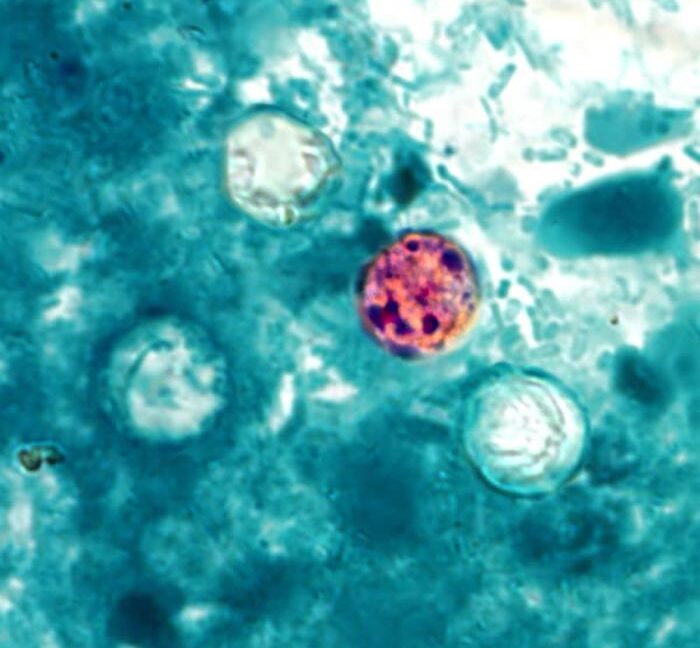
Michigan's explosive outbreak of diarrheal parasite jumps to over 1,200 cases

Cases of an explosive diarrheal parasite continue to skyrocket in Michigan, which is reporting 1,251 cases as of July 9. Of those, 44 were hospitalized. Meanwhile, across the border in Ohio, cases are also quickly rising, with news reports of a case total over 500.

The outbreak in Michigan began with two cases reported on June 22 and rose steeply at the start of July. The Michigan Department of Health and Human Services (MDHHS) reported 572 cases on July 4. On Wednesday, July 8, 239 cases were reported, the highest single-day tally so far. The current total of 1,251 cases includes 159 case reports received on July 9.

The epicenter of the outbreak is in the southeastern corner of the state, where health officials from multiple jurisdictions are working furiously to identify and interview cases to track the source, or sources, of the parasite, which spreads through food and water.

Read full article

Comments

© Getty | Grace Cary

  •  

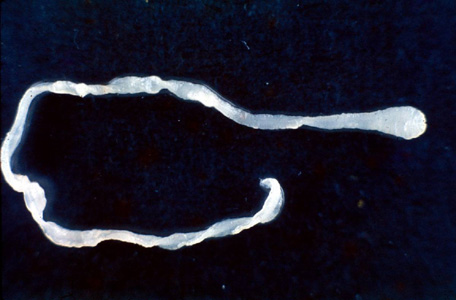
Surprised doctors find 10-inch worm in man's groin during elective surgery

When surgeons dug into a man's groin to repair a painless bulge, they made the unexpected discovery of a living, 10-inch-long (26 cm) worm snug in his abdomen. Adding to the oddity, the man told the surgeons that this had actually happened to him before, according to a case report in the New England Journal of Medicine.

The 71-year-old man had opted to have surgery to repair the bulge, which was an inguinal hernia. These types of protrusions are fairly common, particularly in older men, and occur when a small amount of abdominal contents, such as fat or a bit of intestines, slips through a gap or weak point in the muscles and tissues of the abdominal wall. This bodily leakage creates an external bulge that, in some cases, can be painful and uncomfortable. If the bulge's contents become stuck and pinched off, it can even create a life-threatening situation called a strangulated hernia. But, in other cases, the escaped innards are painless and loose and can be temporarily put back in place by simple, gentle massage.

Most people with inguinal hernias will need surgery at some point to patch up their weak abdominal wall. But, for older men with no pain or discomfort, doctors may suggest watchful waiting, delaying surgery until the need is clear. This was the case for the man. But he elected to repair the inguinal hernia, which was on his right side.

Read full article

Comments

© CDC |John H. Cross

  •  

Michigan sees explosive outbreak of diarrheal parasite with over 700 cases

Cases of a diarrhea-causing intestinal parasite have exploded in Michigan over the last two weeks in an outbreak that still has no clear source.

As of July 6, the state has received reports of over 700 cases since June 22, along with 36 hospitalizations, the Michigan Department of Health and Human Services (MDHSS) told Ars Technica on Tuesday.

On June 30, the health department reported 170 cases, which rose to 572 on July 4.

Read full article

Comments

© CDC | Melanie Moser

  •  

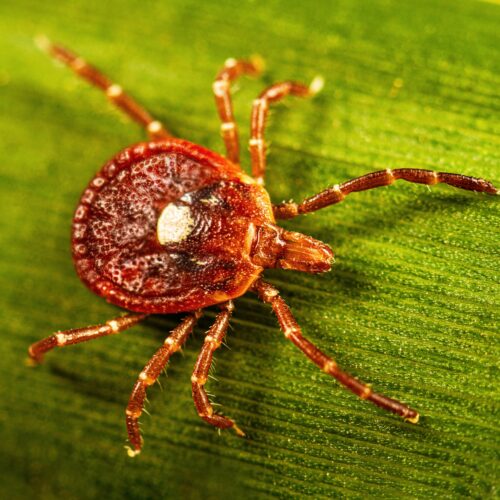
Surprisingly large number of people may have marker for tick-linked meat allergy

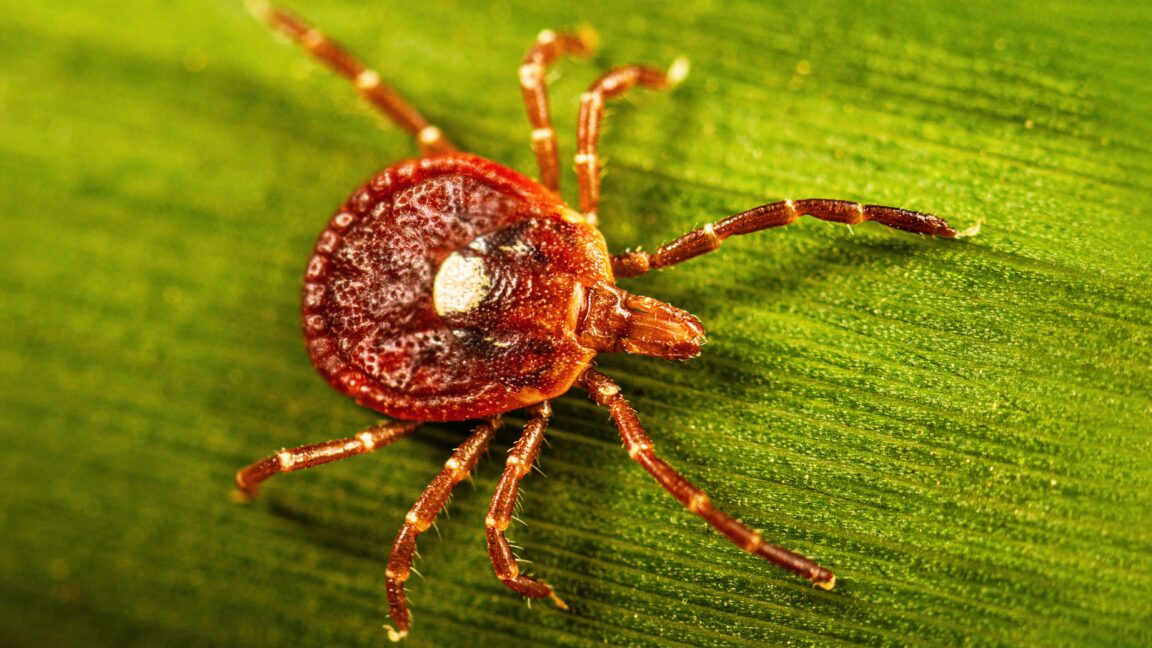
In some parts of the US, up to 30 percent of people may carry the antibody behind a red meat allergy spurred by tick bites, far exceeding the estimated number of people who actually have the allergy, according a study published in Morbidity and Mortality Weekly Report.

The findings suggest far more Americans than previously thought may be at risk of the allergy, which can make having a hamburger for dinner a potentially life-threatening choice. The Centers for Disease Control and Prevention has previously estimated that only 0.14 percent of the US population (up to 450,000 people) has the allergy. But the study also highlights how little we understand about this unique disease—and the challenges of accurately diagnosing it.

The study surveyed blood donations for the disease's key antibody, which is in a class dubbed IgE and specifically attacks a double-sugar molecule called galactose-α-1,3-galactose, also known as alpha-gal. This disaccharide is found decorating the cells of nonprimate mammals, including cows and pigs, but it's also released in the saliva of ticks, particularly the lone star tick (Amblyomma americanum). People bitten by ticks can develop IgE antibodies against alpha-gal, which can sometimes trigger an allergic response to eating red meat as well as other animal products, such as dairy and gelatin.

Read full article

Comments

© Getty | CDC

  •  

New virus catalog reveals which pathogens pose the greatest threat

In a typical year, scientists discover two or three viruses that have never been seen in people before. The number fluctuates, but the trend has been fairly steady since the 1960s.

Most of these viruses attract little attention, and my colleagues and I have often had to search through old medical papers to find any mention of them. Some viruses disappear entirely and are all but forgotten. At the other extreme, the discovery of HIV-1 in 1983 and Sars-CoV-2 in 2020 presaged the AIDS and COVID pandemics, respectively. Both have killed tens of millions.

The next time a scientist finds an unusual or unknown virus in a patient—probably in the next few months—how will they know whether it could lead to a public health emergency on the same scale as AIDS or COVID? My team at the University of Edinburgh has been using the lessons of virus history to help answer this question.

Pandemics come in many forms, but in recent times the biggest culprits have been viruses with genomes made from RNA (rather than the more familiar DNA). Thousands of RNA virus species have been identified, and there may be millions, but only 239 infect humans. We recently published a catalog that helps pinpoint the riskiest ones.

The type and severity of disease are important indicators, but there will be no pandemic unless the virus can spread between people. That could involve physical contact, or inhaling airborne particles, or exposure to blood or feces, or the bite of a mosquito or tick.

For two-thirds of the viruses on our list, an infected person is highly unlikely to pass their infection on. These are known as zoonotic viruses, meaning people usually catch them from animals rather than other people. Rabies is one example.

That sounds reassuring, but viruses evolve quickly and there is an understandable concern that a zoonotic virus might acquire the ability to spread among humans. That’s why scientists are so worried about bird flu. But there is no documented example of an RNA virus doing that. Rabies hasn’t, even though there are tens of thousands of human cases every year.

A much greater threat comes from viruses that already have the ability to spread from person to person. They might become even more transmissible—as did a series of SARS-CoV-2 variants—but they crossed over from animals already able to spread among people. In the distant past, that was the likely origin of measles, mumps, and rubella, along with dozens of viruses associated with colds and gastrointestinal infections.

Then there are viruses that are capable of spreading among humans but, so far, have caused only limited outbreaks. That’s because their R number (how many people, on average, one infected person goes on to infect) is too low and chains of infection eventually die out of their own accord. But R numbers can change; for example, when a virus previously confined to remote villages reaches a city. That happened with Zaire ebolavirus in west Africa in 2014.

There have only ever been a few dozen names on our list of outbreak viruses, but it’s a powerful predictor of public health emergencies. Zaire ebolavirus, the insect-borne Chikungunya, Zika and Oropouche viruses, and mpox (a DNA virus) were original entrants, and all have gone on to cause major epidemics.

Some rarer viruses on our list have become more familiar, too. One is Andes hantavirus, responsible for a recent outbreak on a cruise ship. Another is the Bundibugyo ebolavirus, which is currently spreading in central Africa.

The next pandemic virus

Our data can also help predict what a future pandemic virus—sometimes called disease X—might look like. COVID is a good illustration.

In 2019, my team showed that highly transmissible viruses tend to be closely related to other viruses that spread between humans, but they emerge separately from animals. That turned out to be a perfect description of SARS-CoV-2, very similar to the original SARS coronavirus but independently (and perhaps indirectly) acquired from bats.

The year before, the World Health Organization had proposed a SARS-like coronavirus as a candidate for disease X. That’s why scientists were alarmed about COVID from the outset—it was exactly what they had been looking for.

By contrast, neither Andes nor Bundibugyo virus have the right profile to start a global pandemic. But if it were, for example, a novel virus related to measles then it would be a different story. In that scenario, there would be a real possibility of a worldwide emergency much worse than COVID.

Andes and Bundibugyo do reinforce one important lesson, though: Both had been spreading for weeks before they were picked up. So had COVID. Finding and understanding new viruses faster would deny the next pandemic the same head start, and could make a huge difference to the eventual toll on lives and livelihoods.

Mark Woolhouse is a professor of infectious disease epidemiology at the University of Edinburgh. This article is republished from The Conversation under a Creative Commons license. Read the original article.

Read full article

Comments

© PEDRO PARDO/AFP

  •  

NRC is (sort of) getting rid of "as low as reasonably achievable" standard

Last week, just before the US started its break for the July Fourth holiday, the Nuclear Regulatory Commission (NRC) proposed a new rule that would change how it regulated exposure to radiation. The Trump administration has been pushing to restart construction of nuclear power plants in the US, and many pro-nuclear advocates have been complaining about the US's existing regulations, portraying them as the main barrier to the flourishing of the industry. So, it had seemed likely that major revisions were coming.

Instead, the NRC's proposed new rules endorse the science behind its current rules and suggest that any problems are largely in the vagueness of the terminology that it has been using. So, instead, it's endorsing standards that are meant to accomplish the same thing, but avoid using some of the language it had relied on. Probably the clearest indication of the evolutionary change at play is that the NRC estimates the changing rules will save industry—not just power, but also medical and research applications—only about $9.5 million a year.

LNT and ALARA

There are two technical abbreviations at the center of US nuclear regulations. The first is LNT, which stands for "linear non-threshold." It's in reference to the issue of whether there's any level of radiation that is so low that it no longer produces harmful biological effects—the "threshold" in LNT. The "non-threshold" implies that it doesn't, and that's in keeping with biology, which has demonstrated that even single particles or photons of radiation can damage DNA and that the mechanisms cells have for repairing that damage are inherently error-prone. The "linear" in LNT simply describes how the impact of radiation scales directly with the dose.

Read full article

Comments

© SOPA Images

  •  

Africa CDC confirms Marburg case in Uganda as Ebola outbreak rages

Amid disease surveillance for the ongoing Ebola outbreak, Ugandan health authorities identified a case of Marburg virus disease in a one-and-a-half-year-old child, who has died, according to Africa Centers for Disease Control and Prevention. But Ugandan health officials appear reluctant to publicly disclose information about the case and its context.

Marburg virus is related to Ebolaviruses and causes similar hemorrhagic disease. Its transmission routes and prevention measures are likewise similar.

On Wednesday, Africa CDC told Reuters that no contacts of the deceased toddler had developed symptoms, and there were no other current active cases in the country, citing Ugandan health authorities. But when Reuters reached out to Uganda's health ministry, a spokesperson said he was not aware of a Marburg outbreak.

Read full article

Comments

© Getty | BADRU KATUMBA

  •  

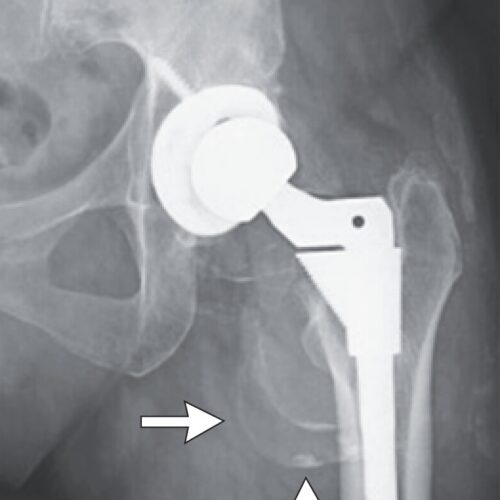
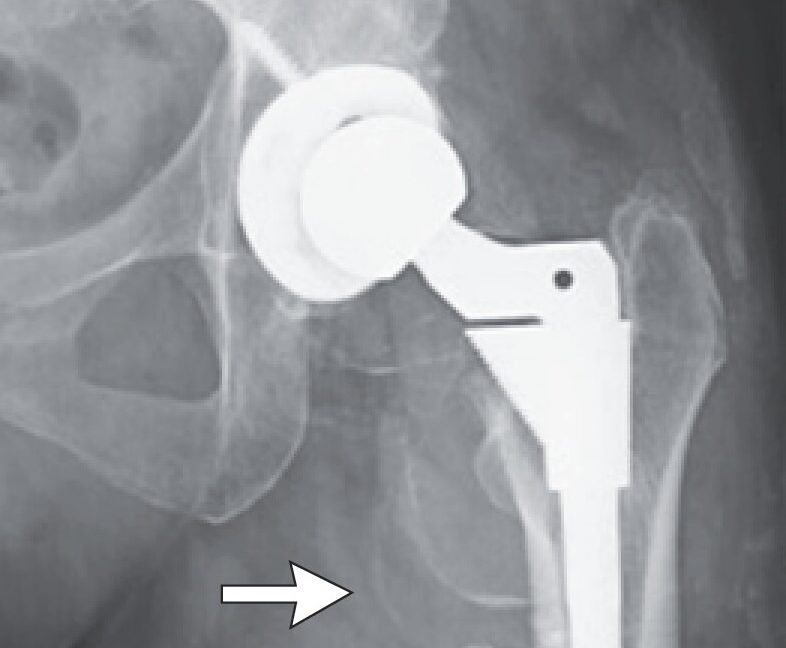
Woman's hip replacement disintegrates, causing severe metal poisoning

A 56-year-old woman was admitted to a hospital with an array of alarming symptoms that were only getting worse. For eight weeks, she had a painful "pins and needles" feeling that started in both of her feet and then began working its way up her legs. By the time she arrived at the hospital, she was unable to feel her feet on the ground. She frequently stumbled and clutched at walls to stay up. But the tingling numbness was moving into her hands, too. Then came neurological symptoms. She told her doctors about short-term memory problems and difficulty concentrating. She was irritable and had no appetite. She was experiencing heart palpitations, too.

According to a case report this week in the New England Journal of Medicine, her doctors looked through her medical history for clues, finding nothing that immediately stood out. She had high blood pressure, a history of anxiety and depression, and hypothyroidism (an underactive thyroid). They did notice that, although she had managed the thyroid problem for more than a decade at the same dose of medication, she had been switched four weeks earlier to a stronger dose. But the dosage change didn't immediately raise any red flags.

She also had a history of hip problems. Twenty years before, she had a hip replacement that stemmed from an injury she sustained in a car crash ten years before that. While more than 90 percent of hip replacements last at least 30 years, the woman's started failing her after 19.

Read full article

Comments

© New England Journal of Medicine, 2026, Bajwa et al.

  •  

Scientists find no link between Tylenol and autism, again, after Trump warning

Another large study has found no link between autism and Tylenol use during pregnancy, refuting claims by President Trump and anti-vaccine Health Secretary Robert F. Kennedy Jr.

In September, Trump and Kennedy held a press conference in which they stated without clear evidence that the common fever and pain reducer acetaminophen—sold as Tylenol in the US and also known as paracetamol—causes autism in children if taken during pregnancy. Trump repeatedly warned pregnant people not to take Tylenol and instead "tough it out" with fever and/or pain.

Medical organizations decried Trump's message, emphasizing that acetaminophen is a safe pain and fever reliever during pregnancy and that untreated fever during pregnancy is known to increase the risk of autism in babies as well as other conditions, including miscarriage, birth defects, and premature birth. Still, the president's warning was effective. Texas sued the maker of Tylenol over the alleged connection. And a study in The Lancet in March found that use of acetaminophen in pregnant patients in emergency departments fell by 10 percent after Trump's press conference.

Read full article

Comments

© Getty | Francis Chung

  •  
❌