Reading view

Apple sues OpenAI after ex-engineer allegedly used bug to steal trade secrets

Apple is gunning for OpenAI, demanding steep penalties after stumbling on a “rare” bug that temporarily allowed a poached employee that joined OpenAI to maintain access to confidential information on Apple servers for weeks after his termination.

In a lawsuit filed Friday, Apple sought several injunctions blocking OpenAI from using confidential information allegedly stolen by former employees. According to Apple’s complaint, OpenAI conspired with former Apple employees as part of a grand scheme to “take an unlawful shortcut” and launch a line of AI-powered devices as marketable as Apple’s iPhone.

Apple explained that it found a bug while investigating internal messages between a then-current employee, Yu-Ting “Alyssa” Peng, and an engineer who spent eight years “working on some of Apple’s most sensitive product development programs,” Chang Liu.


Read full article

Comments

© NurPhoto / Contributor | NurPhoto
  •  

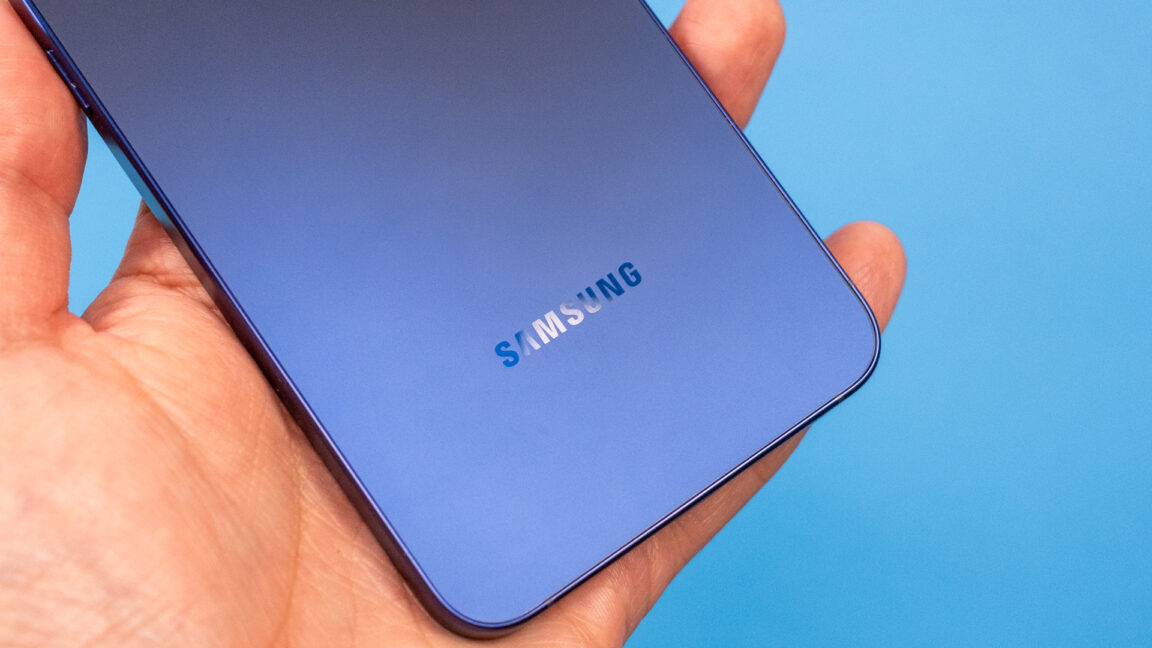
Apple and Samsung benefit as memory shortage pushes smartphone shipments to historic lows

Smartphone shipments started to plateau a few years back, ending the days of guaranteed double-digit growth for any company that wanted to make phones. Fewer smartphone manufacturers exist today, and they're facing new pressure in the age of AI. A new report claims that smartphone shipments cratered 11 percent in the last quarter. Some are weathering the storm better than others, though.

According to Counterpoint, this substantial drop brings smartphone shipments to their lowest second-quarter level since 2013. Analysts place the blame for this drop squarely on the increasing price of DRAM and NAND chips. Manufacturers have largely shifted to supporting the AI computing boom, which leaves fewer components for consumer devices like smartphones and PCs. As prices climb higher, fewer people are interested in buying new phones.

This problem has been particularly vexing for people who are happy to purchase budget devices. A recent report from market research firm Omdia noted that higher memory costs are particularly bad for phones priced at $500 or less. In these segments, memory can now easily account for half of the total manufacturing cost. These devices have seen quicker and larger price increases compared to flagship devices, for which memory is now more than a quarter of the cost. That's a significant increase in the past year, but there's still more profit to be had at the high end.

Read full article

Comments

© Ryan Whitwam

  •  

Newly discovered PamStealer isn't your typical macOS malware

Researchers have found a never-before-seen piece of macOS malware that combines a series of clever tradecraft to infect Macs with stealthy, custom-developed credential-stealing code.

The malware is delivered in two stages. The first is distributed in a disk image that masquerades as Maccy, a clipboard manager for Macs. It’s compiled as AppleScript that is notable for the way it delivers the second stage. The malware is named PamStealer because the Rust-written infostealer uses the Pluggable Authentication Modules interface built into macOS to validate the target’s login password before sending it to an attacker-controlled server.

A quieter execution chain

The use of both disk image and AppleScript is common in malware for Macs. More unusual is the way PamStealer combines them to gain stealth. When the AppleScript is double-clicked, it’s opened in the macOS Script Editor, where the malicious functionality is buried deep within the file.

Read full article

Comments

  •  
❌