Reading view

Check out the first images of Quest shipwreck

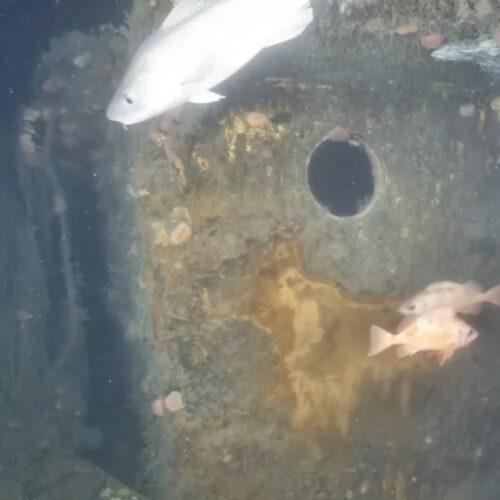
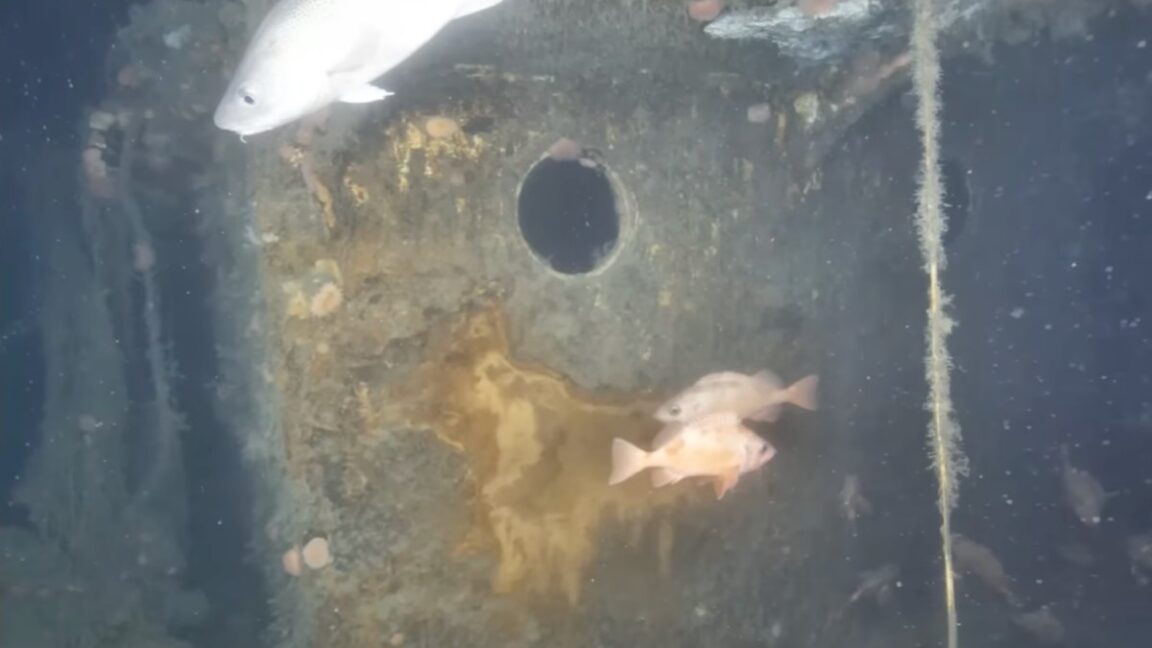
Back in 2024, we reported on the discovery of the Quest shipwreck, the polar exploration vessel that served Arctic explorer Sir Ernest Shackleton on his last voyage. Shackleton died before reaching their destination, and the ship sank in 1962. The Royal Canadian Geographic Society (RCGS) has now released the first images of the wreck more than 60 years after it sank, published in Canadian Geographic magazine.

Shackleton, of course, is most famous for his ill-fated voyage on the Endurance, which became trapped in sea ice in 1914 and sank. Shackleton and his crew defied the odds and survived. (The Endurance shipwreck was finally found in 2022.) By the time Shackleton returned to England, the country was embroiled in World War I, and many of his men enlisted. Shackleton was considered too old for active service. He was also deeply in debt from the Endurance expedition, earning a living on the lecture circuit. But he still dreamed of making another expedition to the Arctic Ocean north of Alaska to explore the Beaufort Sea. He got funding from an old school chum, John Quillier Rowett.

Shackleton purchased a wooden Norwegian whaler, Foca I, which his wife Emily renamed Quest. When the Canadian government withdrew its support, the mission shifted back to the Antarctic, and the Quest received an extensive retrofit. The improvements included a new deckhouse, a heated crow’s nest, a wireless set, and an odograph for tracing and charting the route automatically, as well as a Lucas deep-sea sounding machine, a large and pricey collection of cameras and photographic equipment, and even a small airplane.
Read full article

Comments

© YouTube/Canadian Geographic

  •  

Flores Hobbits' eating habits offer clues about their evolutionary past

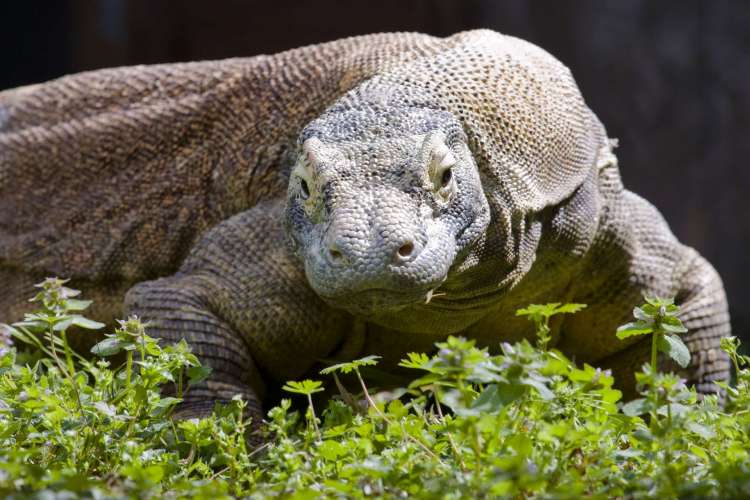
Until about 60,000 years ago, diminutive hominin cousins, Homo floresiensis (affectionately nicknamed Hobbits for obvious reasons), shared the island of Flores with Komodo dragons, pygmy elephants, and giant rats.

Based on the presence of hominin and pygmy elephant bones in the same layers of cave sediment, it originally looked like the Hobbits had hunted and butchered dwarf elephants—an impressive feat for such a tiny hominin. But according to University of Tübingen anthropologist Elizabeth Veatch and her colleagues, it was the Komodo dragons that were the hunters, while the Hobbits only showed up to scavenge what was left.

If Veatch and her colleagues are right, their findings may challenge some of the assumptions we’ve made about Homo floresiensis—and about which hominin species was the first to venture into the wider world beyond Africa.

Read full article

Comments

© Zoo Atlanta

  •  

Superworms could replace beetles for cleaning skeletal remains

Fatemeh Rastekar, Niloofar Alaei Kakhki and Morteza Monfared discuss the safe and practical utility of superworm larvae for cleaning museum specimens. Credit: Anthony Lewis, PLOS/CC-BY 4.0

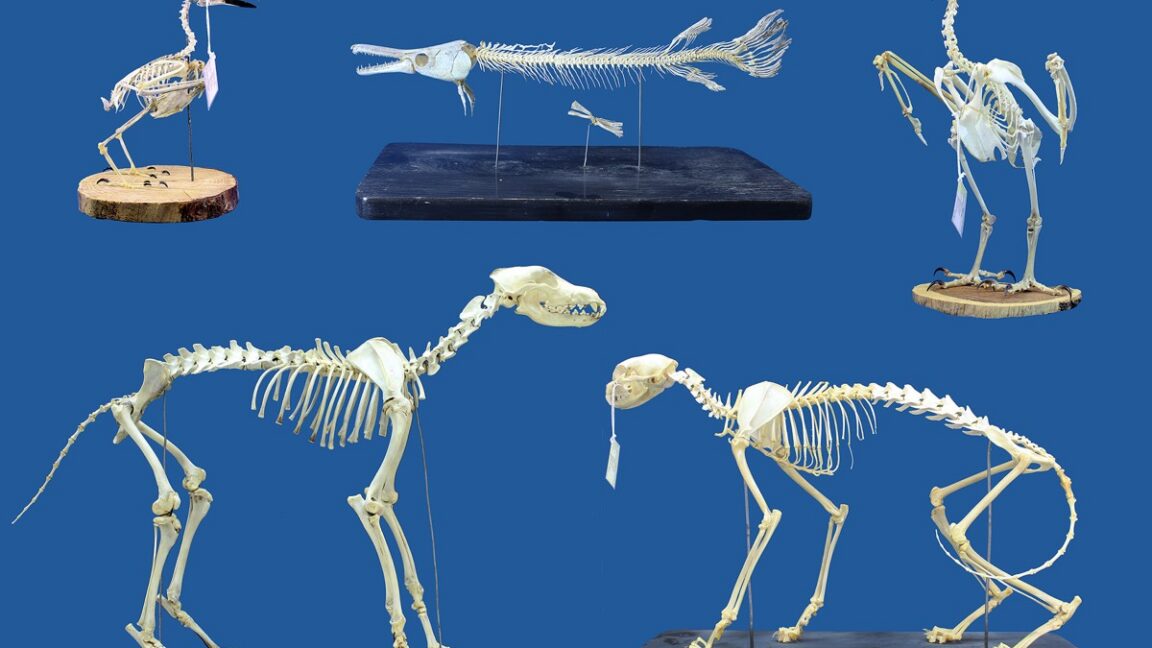
Preparing skeletal specimens for display in museums or for forensic studies requires the bones to be thoroughly cleaned to remove any remaining flesh or soft tissue. However, the need for thorough cleaning must be balanced against the risk of damaging the actual bones. According to a new paper published in the journal PLoS One, the larvae of so-called "superworms" (Zophobas morio)—a common pet food—offer a practical alternative.

There are existing methods for cleaning skeletal remains, such as burial, digestive enzymes, or chemical treatments. But most have drawbacks, including damaging bones, taking a long time to process, having expensive operational costs, or the use of environmentally hazardous substances. Using dermestid beetles has become the preferred method for skeletal cleaning since they can efficiently remove soft tissue without damaging the bone. The downside is that without strict containment practices, the beetles can escape and lay eggs that hatch, leading to infestations that threaten museum collections.

Fatemah Rastekar of Ferdowsi University of Mashhad in Iran and co-authors thought superworms might bring the same benefits as the beetles without the risk of infestation. For one thing, beetle colonies span all life stages and hence require complex containment; superworm cleaning only requires the larval stage, which lasts 10–12 weeks compared to just five to seven weeks for the beetles. And the larvae don't pupate in crowded conditions, so it's easier to manage the colonies while reducing the risk of escape. But could superworms match the cleaning efficiency of their rival beetles?

Read full article

Comments

© Rastekar et al., 2026, PLOS One/CC-BY 4.0

  •  
❌