Login

All hail electrification. But let’s talk about the hard part.
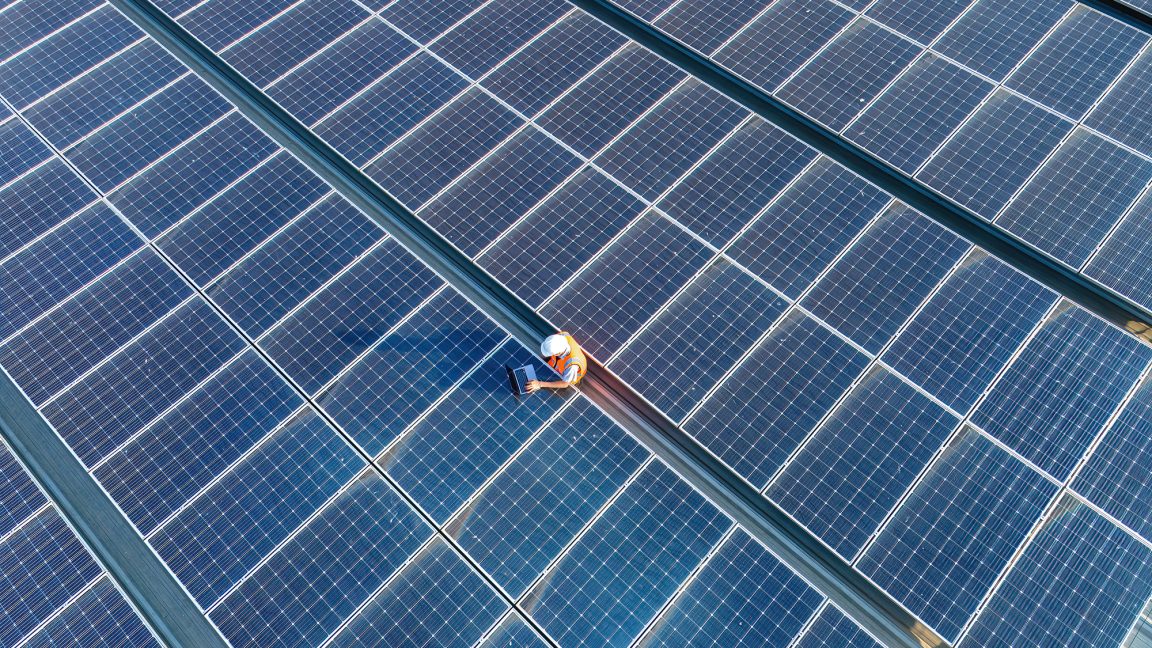
If one form of energy becomes the cheapest, most secure, and cleanest, you’d probably adjust your economy to use more of it, right?
That’s one of the ideas underpinning a report the International Energy Agency issued last week about the global move toward electrification. Fatih Birol, head of the IEA, discussed some of the concepts from the report the following day at the United Nations.
“Many, many years in the energy world, we had three choices in front of us. Shall I choose the most secure energy option? Shall I choose the most economic energy option? Or shall I choose the cleanest energy option?” he asked. “We have to make choices, we have to make trade-offs but when we look at the world today, for the first time in years, all of these three objectives are getting aligned.”
© Vithun Khamsong