❌

Reading view

Milt Windler, NASA flight director who helped save Apollo 13, dies at 94

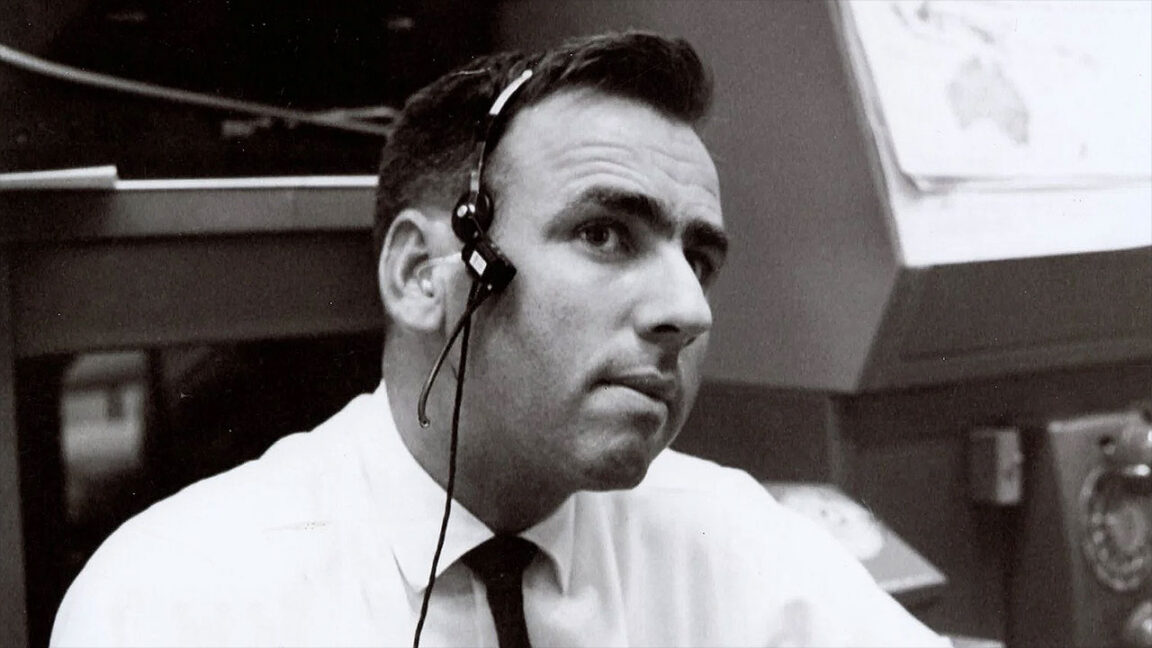
Milt Windler, one of the four leaders of Mission Control who in 1970 directed the round-the-clock efforts to bring the Apollo 13 astronauts back to Earth safely, has died at the age of 94.

Windler died on Thursday, surrounded by his loving family, according to a brief notice posted online.

Named a NASA flight director in 1968 after working on recovery operations during the Mercury and Gemini programs, Windler also led a shift of flight controllers for the Apollo 8 first circumlunar flight and Apollo 10 lunar landing dress rehearsal, as well as the second, third and fourth moon landings — Apollo 12, Apollo 14 and Apollo 15. He then served as a flight director for all three crewed missions to the United States' first space station, Skylab.

Read full article

Comments

© NASA

  •  

US military ends long-running program to spot nuclear missile launches

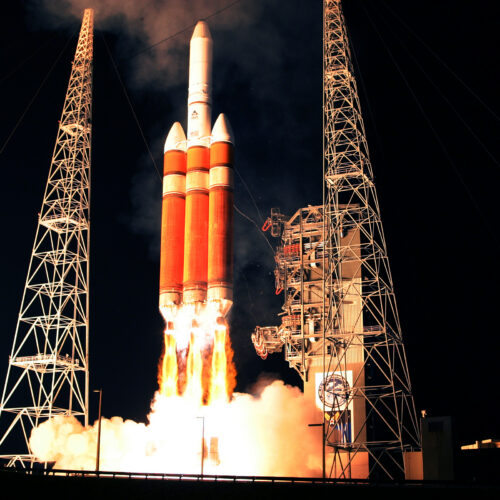
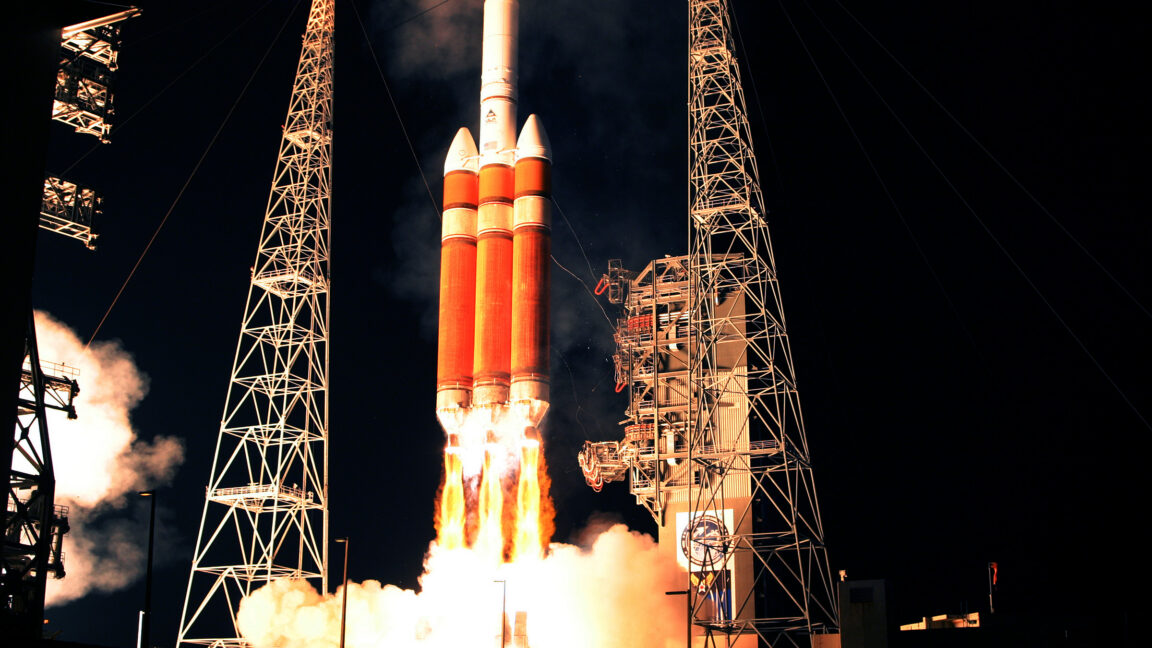
In late 1970, a Titan IIIC rocket launched from Space Launch Complex 40 at what was then called Cape Canaveral Air Force Station. It carried a top-secret payload for the US military.

Much has changed in spaceflight since then. The Titan IIIC would bow out in 1982 after dozens of launches. Various Titans continued launching from Space Launch Complex 40 until 2005, at which point the US Air Force—in a competitive process hotly opposed by United Launch Alliance—turned the pad over to a small, largely unknown startup called SpaceX. And Cape Canaveral is now a "Space Force" station.

But those unspecified payloads? Until last month, some of them were still flying operationally.

Read full article

Comments

© ULA/Carleton Bailie

  •  

Rocket Report: SpaceX completes launch triple-header; Rocket Lab nets big contract

Welcome to Edition 9.13 of the Rocket Report!

This week, SpaceX celebrated the first orbital launch of its new Starship rocket. I'm not sure many people, at least those outside of SpaceX, expected it to take 14 flights of Starship before it technically reached low-Earth orbit, but Monday morning's launch finally added that to SpaceX's list of accomplishments with its new super-heavy rocket. Starship had gone 99 percent of the way to orbit before, only held back by safety concerns around the possibility of stranding the huge rocket in space.

What was most notable for SpaceX with this Starship flight was that it unlocked a massive growth potential for Starlink, with the first 26 of the network's new-generation Starlink V3 satellites successfully deployed Monday.

Read full article

Comments

© SpaceX

  •  

SpaceX describes surgical intervention before launch of latest crew mission

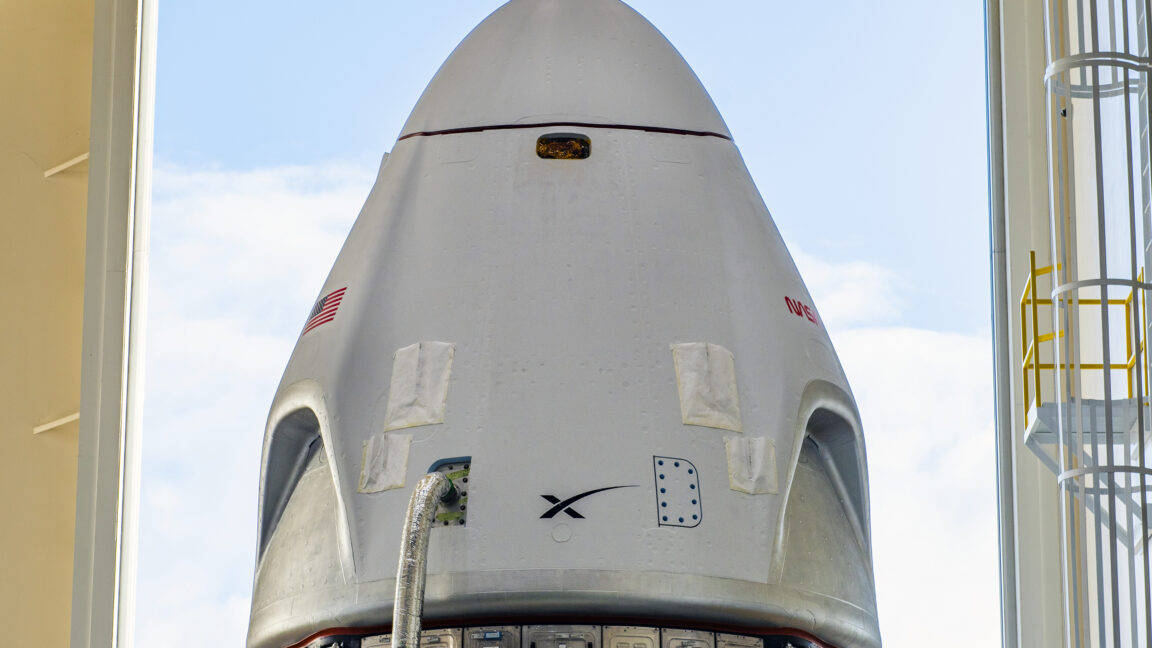
A four-person crew rocketed into orbit Thursday from Cape Canaveral Space Force Station, Florida, heading for a six-month expedition on the International Space Station.

Riding a Falcon 9 rocket and Dragon spacecraft, the four crew members departed from Space Launch Complex-40 at Cape Canaveral at 11:10 am EDT (15:10 UTC) Thursday. Nine minutes later, they were in orbit to begin closing in on the space station for docking Thursday evening.

The launch was delayed from mid-September to replace a balky valve in the Dragon spacecraft's propulsion system, a task that involved cutting into a propellant line inside the ship to swap out a faulty component.

Read full article

Comments

© SpaceX

  •  

As US relations fray, Canada gets serious about its own launch industry

A year or two ago, a few Canadian launch companies were trying to develop small rockets, but if we're being frank, the industry was not particularly notable. Sure, something interesting might eventually happen, but no one outside of a few Canadian space geeks was paying much attention.

But then the Trump Administration started threatening and instituting tariffs. There was talk of making Canada the 51st state. And pretty much every Canadian I know began telling me how enraged they were at their neighbors to the south. It's hard to blame them.

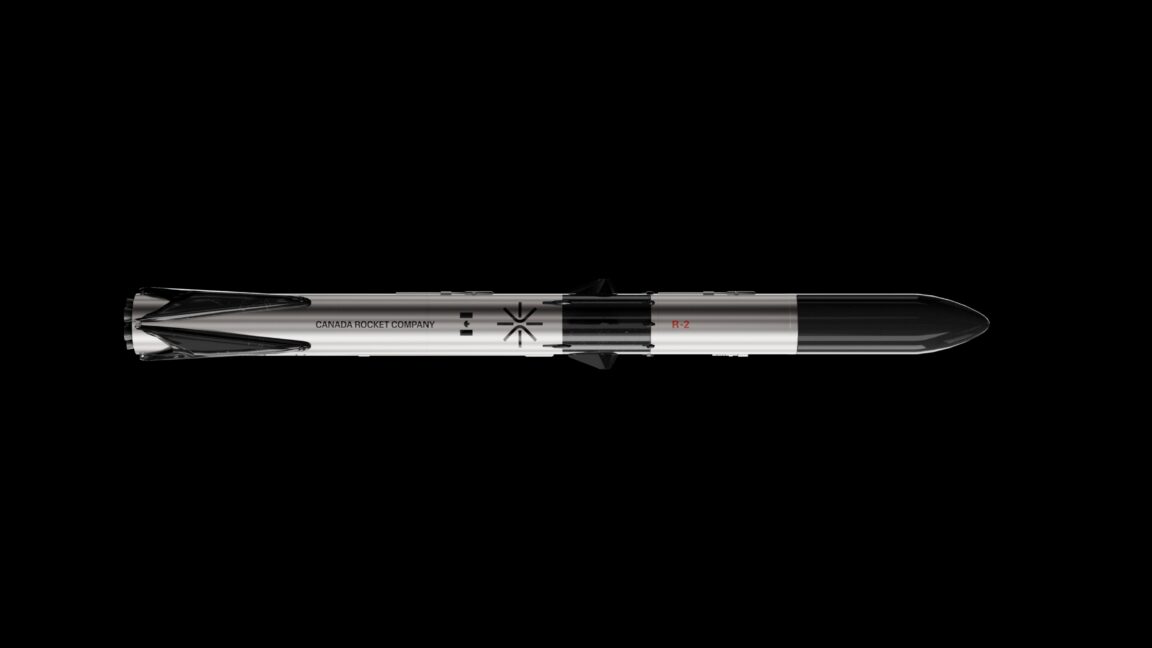
This has led the Canadian government to reassess all manner of areas where it had previously been happy to rely largely on the US government and American companies for goods and services. This included sovereign access to space. So this spring, the government announced the first awards to three companies—NordSpace, Reaction Dynamics, and Canada Rocket Company—to support work on rockets with "light lift" capability.

Read full article

Comments

© Canada Rocket Company

  •  

NASA squeezed Treasury, vibe coded, and broke the mold in bid to save Swift

An attempt to save NASA's $500 million Neil Gehrels Swift Observatory from dropping out of orbit fell short, but the behind-the-scenes machinations required just to make a rescue possible deserve recognition, government and commercial space officials said in a recounting of the mission.

The rescue mission was developed by Katalyst Space Technologies, working under a $30 million contract awarded by NASA last September. NASA gave Katalyst nine months to build and launch a satellite to capture Swift flying some 200 miles above the Earth and boost it into a higher orbit.

Katalyst's rescue spacecraft, known as Link, successfully launched July 3 and completed some of its initial checkouts before a malfunction caused it to spin out of control a few weeks later. NASA announced in August that Link would not be able to reach Swift as intended, and the rescue mission was aborted.

Read full article

Comments

© NASA/Sophia Roberts

  •  

So what's happening with Russia's new, long-delayed crewed spacecraft?

In what seems like an alternate universe in hindsight, Russia and the European Space Agency began discussing collaboration on next-generation crewed spacecraft two decades ago. Under the agreement, Europe would have provided a service module to power a crew capsule carrying up to six passengers.

Europe ultimately decided not to pursue a crewed spacecraft project at the time, and Russia's state-backed space corporation, Roscosmos, chose to move ahead with a crewed spacecraft on its own. This project—always seemingly more of a Potemkin village than an effort encompassing real hardware—has gone under various guises over the years:

  • PPTS (Perspektivnaya Pilotiruemaya Transportnaya Sistema / Prospective Piloted Transport System): The initial conceptual project name used in 2009
  • PTK NP (Pilotiruyemy Transportny Korabl Novogo Pokoleniya / New Generation Piloted Transport Ship): The official technical designation used until 2016
  • Federatsiya (Federation): The official name chosen following a public contest and announced in January 2016
  • Orel / Oryol (Eagle): A new name adopted in September 2019 when Roscosmos was under the control of Dmitry Rogozin

Actual hardware tests, maybe?

Beyond the name changes and a flood of renderings, after nearly 20 years of work, then, is anything actually happening with the Eagle spacecraft?

Read full article

Comments

© Contributor/Getty Images

  •  
❌