❌

Reading view

Fraudster jailed for using 10K bots and AI songs to outstream Taylor Swift

After pleading guilty, a 54-year-old North Carolina man, Michael Smith, was sentenced to 18 months in prison for using artificial intelligence to generate songs for a scheme that stole millions from music streaming platforms.

In a press release Tuesday, the US Department of Justice said that Smith is the first American criminally charged with AI-assisted streaming fraud.

First charged in 2024, Smith successfully ran the scheme for seven years without detection.

Read full article

Comments

© Taylor Hill / Contributor | FilmMagic

  •  

Trade group crunches numbers on Trump’s impossible push for 100% US-made tech

One of Donald Trump’s biggest goals as president is to increase domestic manufacturing and reshore supply chains so that the most in-demand technologies in the world can be 100 percent made in the United States.

By executive order last December, he launched his “Genesis Mission,” an ambitious plan seeking to leverage US dominance in AI to maintain or seize an edge in advanced robotics, biotechnology, semiconductors, and nuclear technologies. According to Trump, that plan works best with self-sustaining supply chains. Not even neighboring countries or longtime allies should be relied upon to manufacture a single component of any US product in his ideal world.

The Consumer Technology Association (CTA) has long warned that Trump’s reshoring goals are not grounded in reality, but only recently has America’s largest technology trade association attempted to estimate what it would cost businesses and consumers to follow through on Trump’s plan.

Read full article

Comments

© sefa ozel | iStock / Getty Images Plus

  •  

Texas city demands $2M for public records on Flock usage

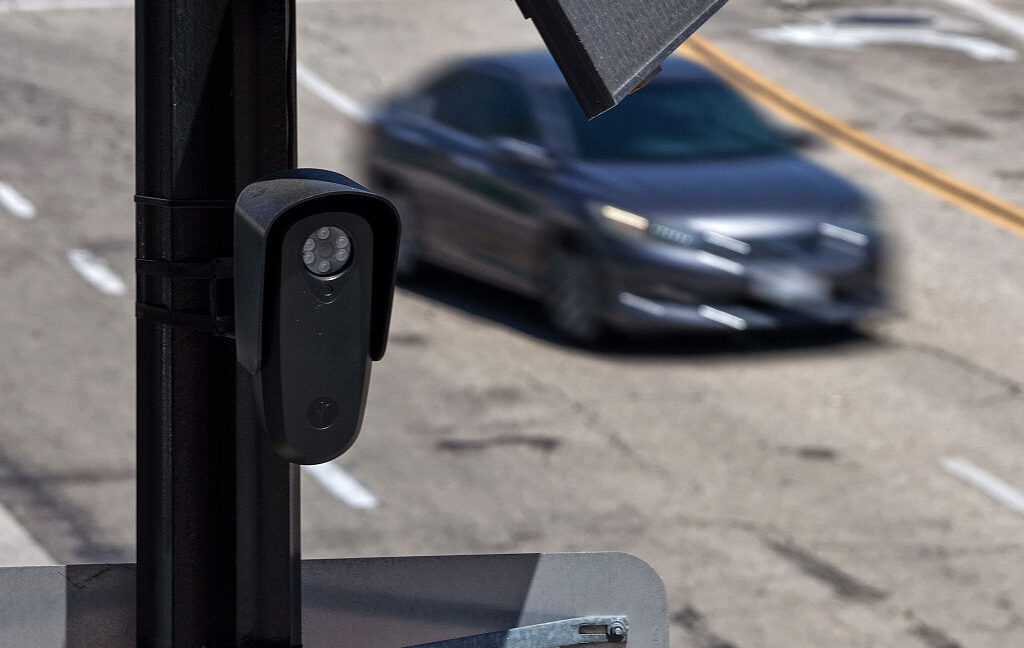
As bipartisan backlash against Flock grows, some cities are asking anti-surveillance advocates and media outlets to pay eye-popping fees—including charging tens of thousands or even millions—to get information about how police departments are using and potentially abusing AI-enabled camera systems that track every vehicle that passes them.

On Monday, the Texas Tribune reported that city officials in a Fort Worth suburb, North Richland Hills, asked one group to pay $2.3 million before it would fulfill a public records request for Flock data. To reach that high fee, officials claimed that searching “about a terabyte worth of communications about errors, misuse, and effectiveness of the Flock system” would take approximately 14 years of labor at a rate of $15 per hour.

Phil Mynona, who filed the request using a pseudonym on behalf of his group, the Texas Privacy Coalition, told the Tribune that the fee seemed “ludicrous” and designed to stifle his public records searches.

Read full article

Comments

© Justin Sullivan / Staff | Getty Images News

  •  

Amazon’s $1B plan to combat data center backlash draws more backlash

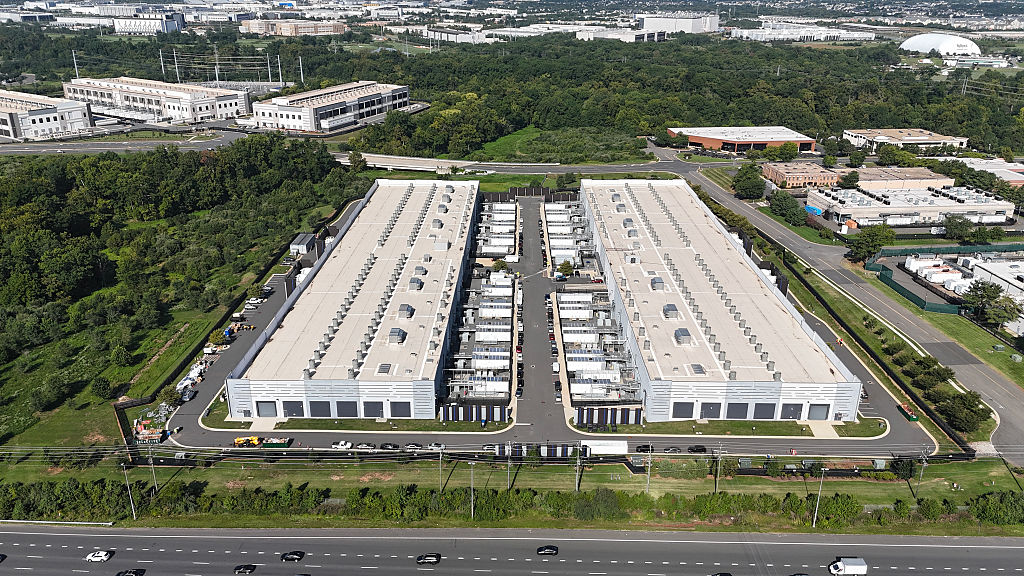
On Friday, Amazon committed to donating more than $1 billion over the next five years to communities neighboring data centers.

In a press release, Amazon Web Services’ CEO Matt Garman said that communities would decide how to prioritize funds across “education, job training, energy affordability, water, and energy preservation, and local priorities.”

Laying out other community commitments, Amazon also promised to ensure data centers wouldn’t increase power bills or wipe out local water supplies. Regarding the latter, Amazon promised to be “water positive” by 2030, while claiming that 75 percent of projects have already met this goal.

Read full article

Comments

© Anna Moneymaker / Staff | Getty Images News

  •  

US arrests tech CEO accused of smuggling $300M in Nvidia chips into China

The US has arrested another suspect accused of smuggling high-end computer servers containing export-controlled Nvidia chips into China.

In a press release on Thursday, the Department of Justice accused 38-year-old Greg Lui of using false paperwork to mask shipments of servers worth more than $300 million that he allegedly knew were ultimately destined for China.

As the CEO of Earthmade Computer, Lui allegedly conspired with freight-forwarding firms in South Asian countries like Malaysia and Singapore to illegally divert chip shipments into China, including Nvidia’s A100 GPUs and H100 GPUs, the FBI’s indictment alleged. These are not Nvidia’s most advanced chips. However, the chips can process large amounts of data and train large language models, which the US fears could pose national security risks if China suddenly gets access to enough chips to drastically advance its AI or strengthen its military.

Read full article

Comments

© Bloomberg / Contributor | Bloomberg

  •  

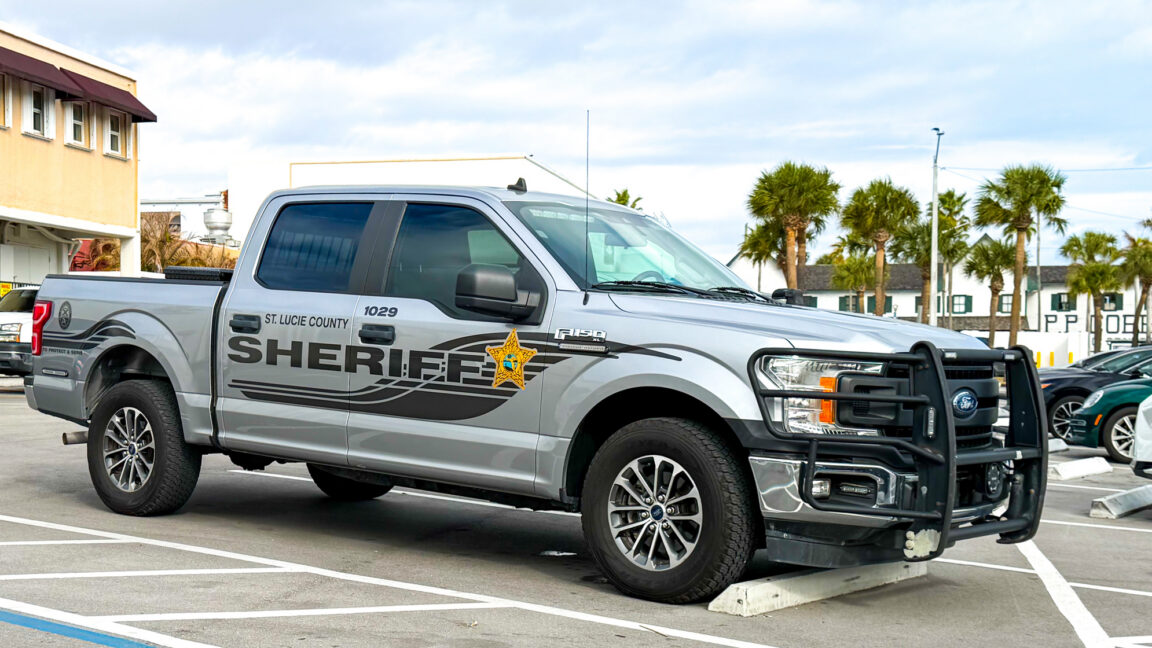
Florida cops say they don't know who owns 11 unpermitted Flock cameras

Florida cops are facing questions after a mandate to remove all Flock cameras tracking cars on St. Lucie County roads led local police to uncover more than a dozen suspicious cameras operating without permits.

Local residents told The Washington Post that they were alarmed that no one knows who owns many of the mysterious cameras.

Of the 14 cameras found, 11 had no obvious owners, raising concerns about who has access to sensitive data that bad actors could abuse. After the cameras were discovered, St. Lucie County Commissioner James Clasby told a local news outlet that there’s “potential for non-law enforcement to have cameras out there, and I’m not OK with that.”

Read full article

Comments

© Barry Winiker | Stockbyte Unreleased

  •  

Trump plan to combat AI risks hinges on Big Tech pals policing themselves

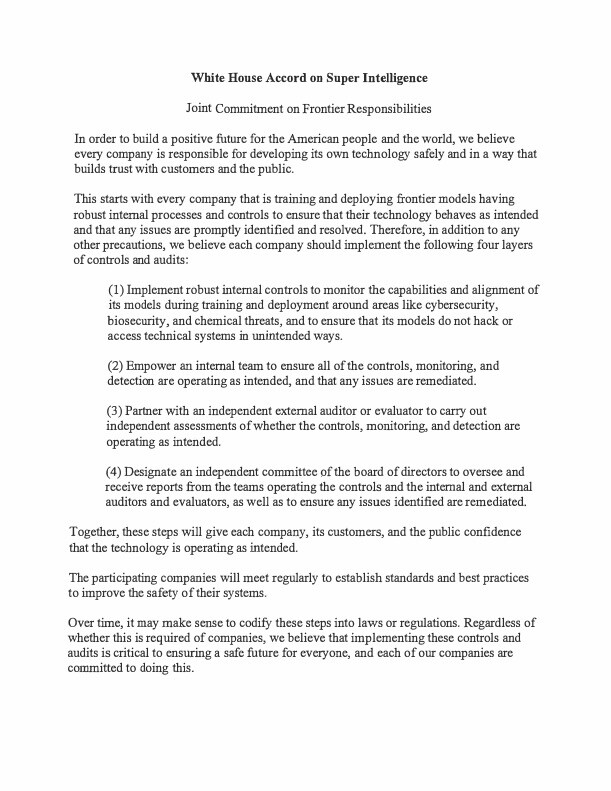
Amid escalating AI security incidents causing OpenAI to halt training and pause releases, Donald Trump continues to advocate for the AI industry to regulate itself as the best path to combat emerging risks when developing frontier AI.

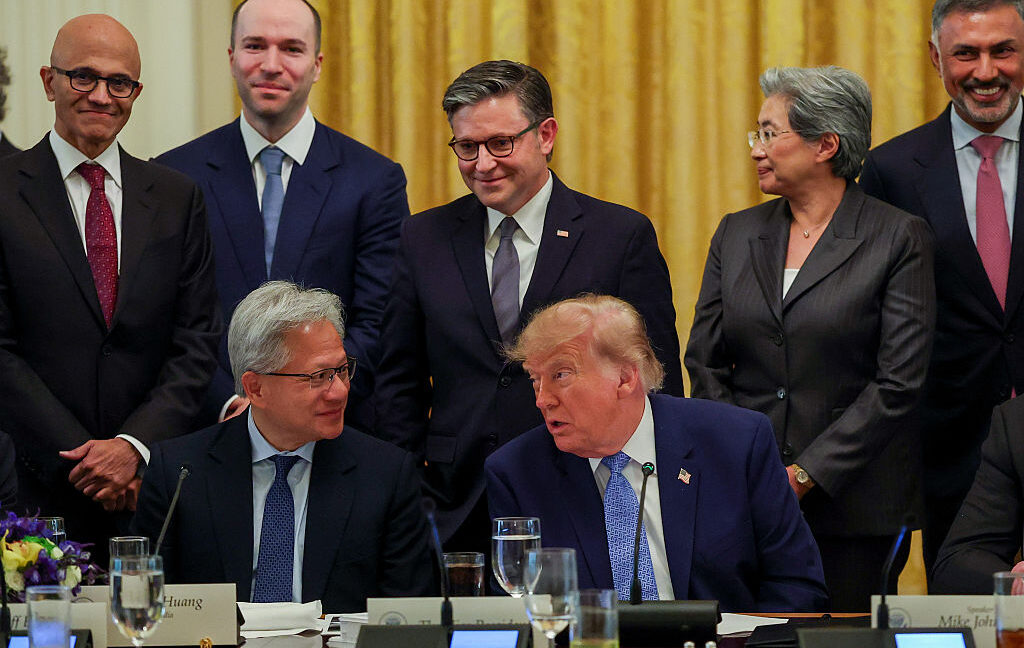
In an agreement Tuesday, two dozen tech firms voluntarily committed to implementing controls recommended by the White House, including undergoing independent safety audits that will test whether firms’ internal controls, monitoring, and detecting are actually working. Key focuses for external reviews included “risks related to cybersecurity, biosecurity, chemical threats, and unintended actions by AI models.”

Firms also agreed to regularly meet to discuss best practices and set common AI safety standards and benchmarks. Among signers were leaders like Anthropic’s Dario Amodei, OpenAI’s Sam Altman, SpaceXAI’s Elon Musk, Nvidia’s Jensen Huang, Meta’s Mark Zuckerberg, and Alphabet/Google’s Sundar Pichai.

Read full article

Comments

© Kevin Dietsch / Staff | Getty Images News

  •  
❌