❌

Reading view

NASA issues long-awaited call to industry for private space stations

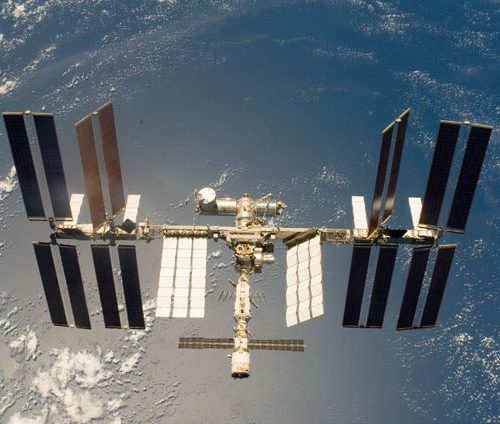
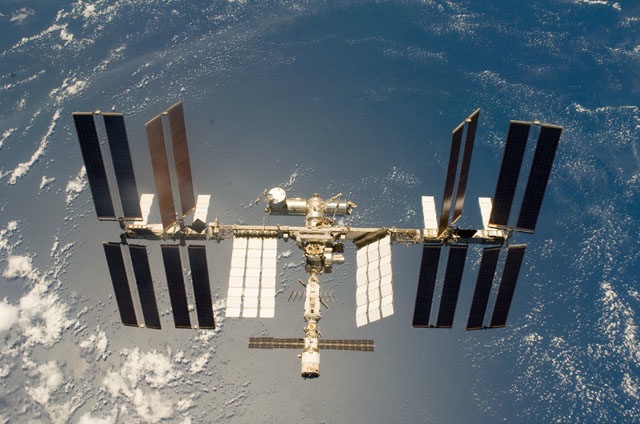
NASA on Friday released a much-anticipated "request" to the US commercial space industry to develop private space stations that, as early as 2030, will succeed the International Space Station as a place for astronauts to live in low-Earth orbit.

In a cover letter accompanying the 360-page "request for proposals," NASA stated its plan: "This will ensure NASA has a sustained human presence in LEO for crew members to perform science and exploration." Several private companies that have worked for years on designing and developing such stations have been keen to learn exactly what capabilities NASA is seeking. These new documents finally provide some answers.

NASA's solicitation can be found here. Industry responses are due back to NASA on December 8. NASA said it plans to select "two or more" contractors in this phase of the competition and intends to make a final decision in April.
Read full article

Comments

Β© NASA

  •  

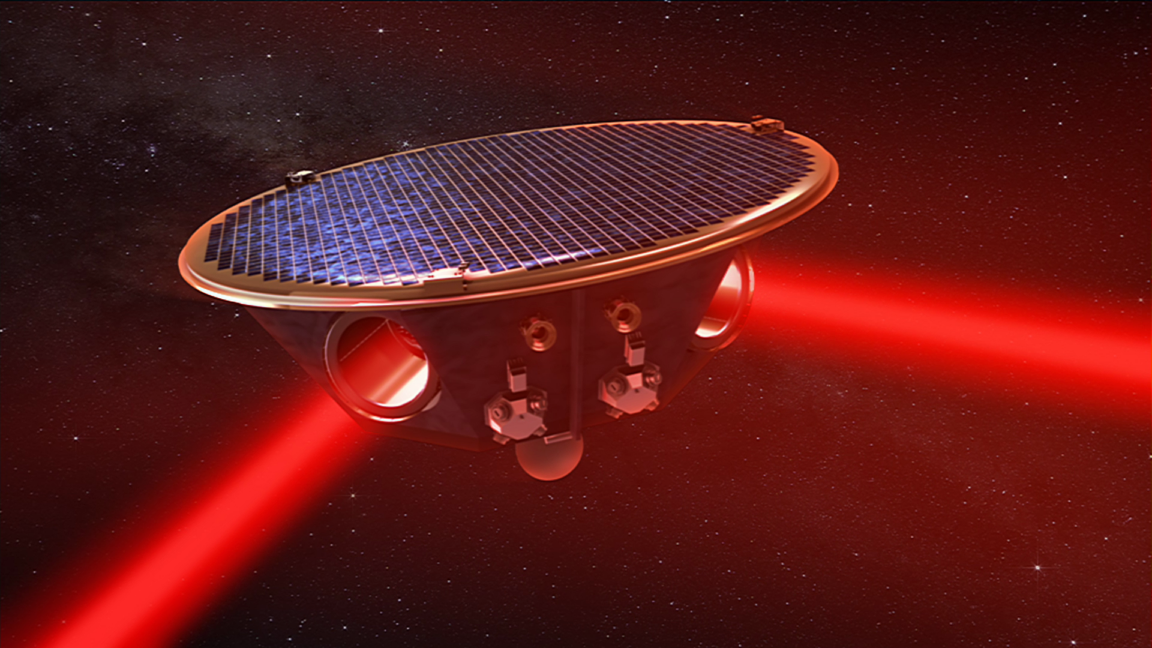
If you're looking, here's a "good deal" for NASA and the European Space Agency

It's no surprise that NASA's new tack toward foreign partnershipsβ€”good deals only, pleaseβ€”is challenging preconceived notions of international cooperation in space.

Without a massive budget hike, the US space agency's emphasis on building a Moon Base and winning a competition for lunar real estate and resources with China will inevitably leave lesser priorities behind.

Gone is the Lunar Gateway, a space station that was to be assembled in orbit around the Moon. For the United States, Gateway was an unnecessary distraction and expense as NASA goes all-in on placing a surface station near the Moon's south pole.

Read full article

Comments

Β© AEI/MM/Exozet

  •  

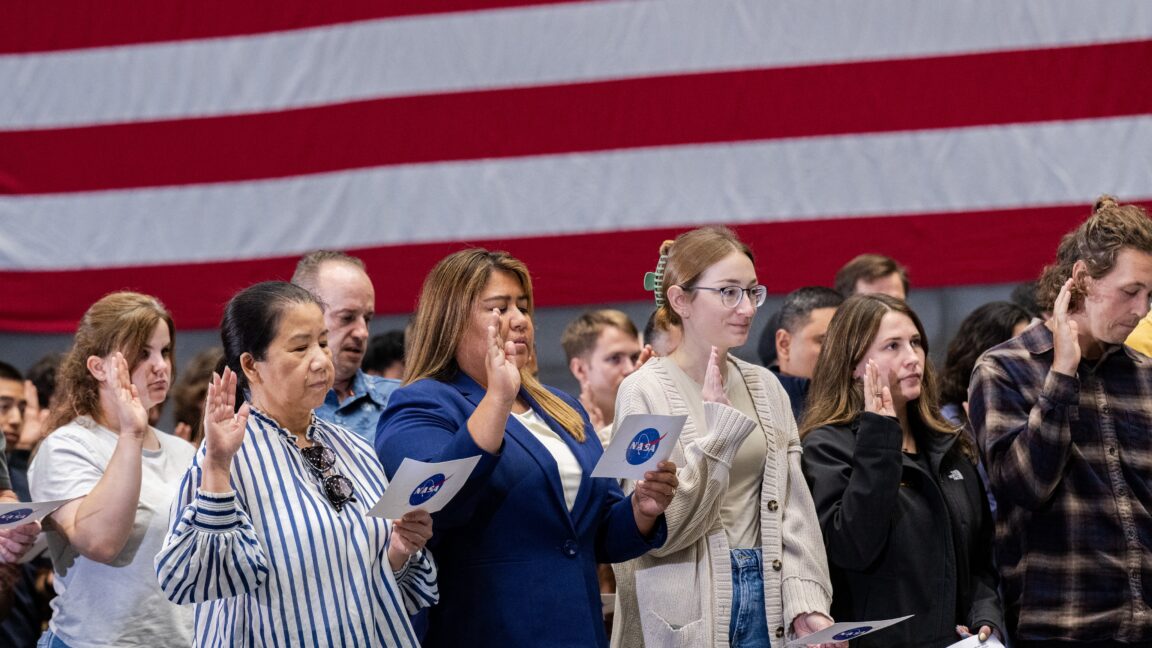
Why is NASA bringing 7,500 contractors back to work as civil servants?

As a flight director during NASA's Apollo missions, Gerry Griffin led several lunar landings. He helped bring the crew of Apollo 13 safely back to Earth. Later, he directed Johnson Space Center in Houston.

Through these experiences, Griffin learned the value of teamwork in spaceflightβ€”during the dynamic moments that can make or break a successful launch or landing, you absolutely have to trust your colleagues in the trenches.

"When lightning struck the rocket during Apollo 12, we had to react in a hurry," Griffin said in an interview. "With people like John Aaron and Jerry Carr, the trust and communications came through. It made the difference."

Read full article

Comments

Β© NASA

  •  

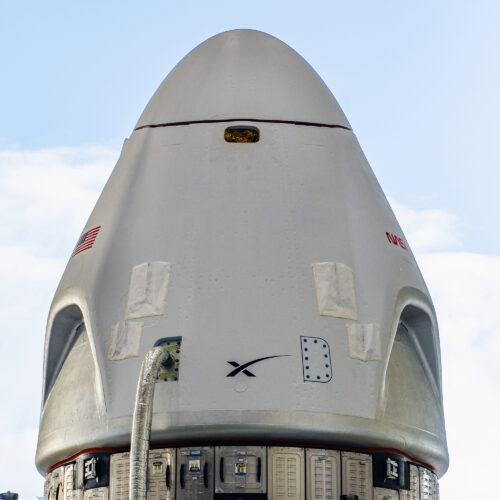
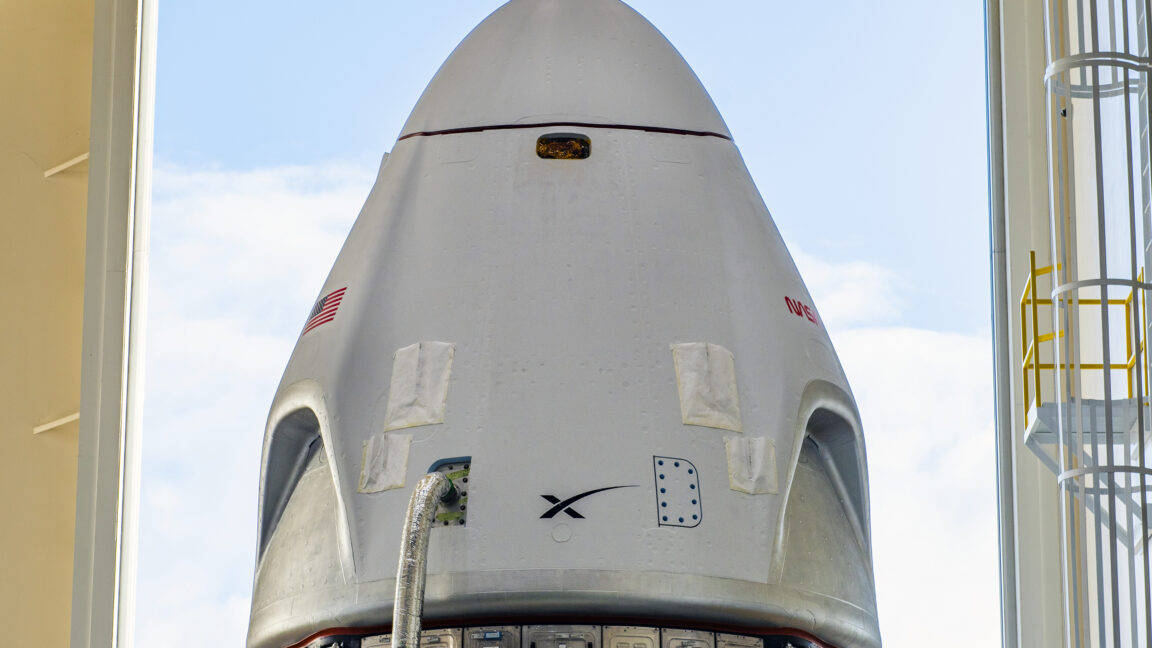
SpaceX describes surgical intervention before launch of latest crew mission

A four-person crew rocketed into orbit Thursday from Cape Canaveral Space Force Station, Florida, heading for a six-month expedition on the International Space Station.

Riding a Falcon 9 rocket and Dragon spacecraft, the four crew members departed from Space Launch Complex-40 at Cape Canaveral at 11:10 am EDT (15:10 UTC) Thursday. Nine minutes later, they were in orbit to begin closing in on the space station for docking Thursday evening.

The launch was delayed from mid-September to replace a balky valve in the Dragon spacecraft's propulsion system, a task that involved cutting into a propellant line inside the ship to swap out a faulty component.

Read full article

Comments

Β© SpaceX

  •  

NASA squeezed Treasury, vibe coded, and broke the mold in bid to save Swift

An attempt to save NASA's $500 million Neil Gehrels Swift Observatory from dropping out of orbit fell short, but the behind-the-scenes machinations required just to make a rescue possible deserve recognition, government and commercial space officials said in a recounting of the mission.

The rescue mission was developed by Katalyst Space Technologies, working under a $30 million contract awarded by NASA last September. NASA gave Katalyst nine months to build and launch a satellite to capture Swift flying some 200 miles above the Earth and boost it into a higher orbit.

Katalyst's rescue spacecraft, known as Link, successfully launched July 3 and completed some of its initial checkouts before a malfunction caused it to spin out of control a few weeks later. NASA announced in August that Link would not be able to reach Swift as intended, and the rescue mission was aborted.

Read full article

Comments

Β© NASA/Sophia Roberts

  •  
❌