❌

Reading view

NATO may redeploy anti-drone defenses as attacks sink more Black Sea shipping

Suspected Russian drone attacks sank a cargo ship and forced the evacuation of another vessel within two dozen miles of the coast of Bulgaria in the Black Sea on October 13. The latest attacks mean that five ships have been attacked in the exclusive economic zones of NATO member countries—spurring requests for NATO to redeploy counter-drone systems to provide more protection.

Although there is no hard proof that the drone attacks originated from Russia, one of the ships that came under attack was the Ukrainian-operated coastal freighter Chelsea 3, registered under the flag of Malta. Bulgarian Prime Minister Rumen Radev told the Russian ambassador in Sofia that “it makes no sense for Ukraine to destroy its own ships in the Black Sea, and the results of these strikes favor Russia’s interests,” according to The Associated Press.

All 15 members of the Ukrainian-owned Chelsea 3 were safely evacuated by Bulgarian rescue operations after the ship was reportedly struck by three aerial drones.


Read full article

Comments

© Hristo Rusev/Getty Images

  •  

Ukraine blindsided by Starlink throttling restrictions and intelligence gaps

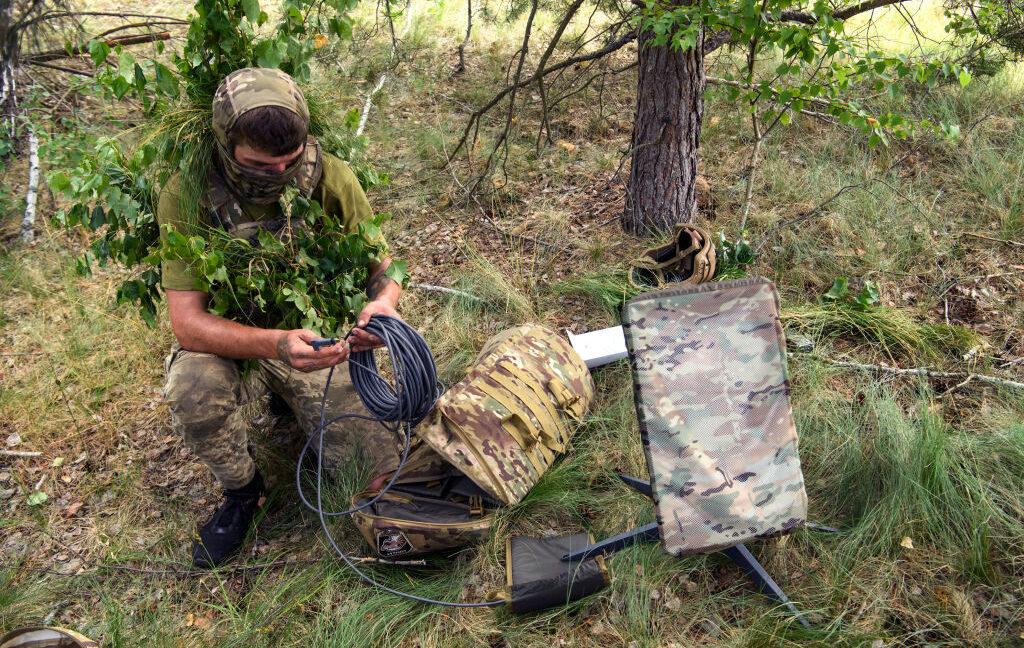
Ukrainian troops have been caught off guard by restrictions on Elon Musk’s Starlink satellite Internet systems that disrupted frontline operations, while Kyiv received no warning from its partners of a Russian missile attack on its energy facilities for the second day running, according to Ukrainian officials.

Starlink terminals used by Ukrainian drone units began experiencing signal failures at speeds above 160 km/h, disrupting several missions early on Wednesday morning, according to military personnel and senior Ukrainian officials.

“Logistics at the frontline and middle strikes are badly limited,” one senior official familiar with the situation on the front told the FT. Ukraine’s middle strikes target Russian military supply lines and logistics. The limitations came with “no warning, just in the middle of the night,” the official said.

Read full article

Comments

© NurPhoto / Contributor

  •  

The Internet’s undersea backbone is slipping into the danger zone

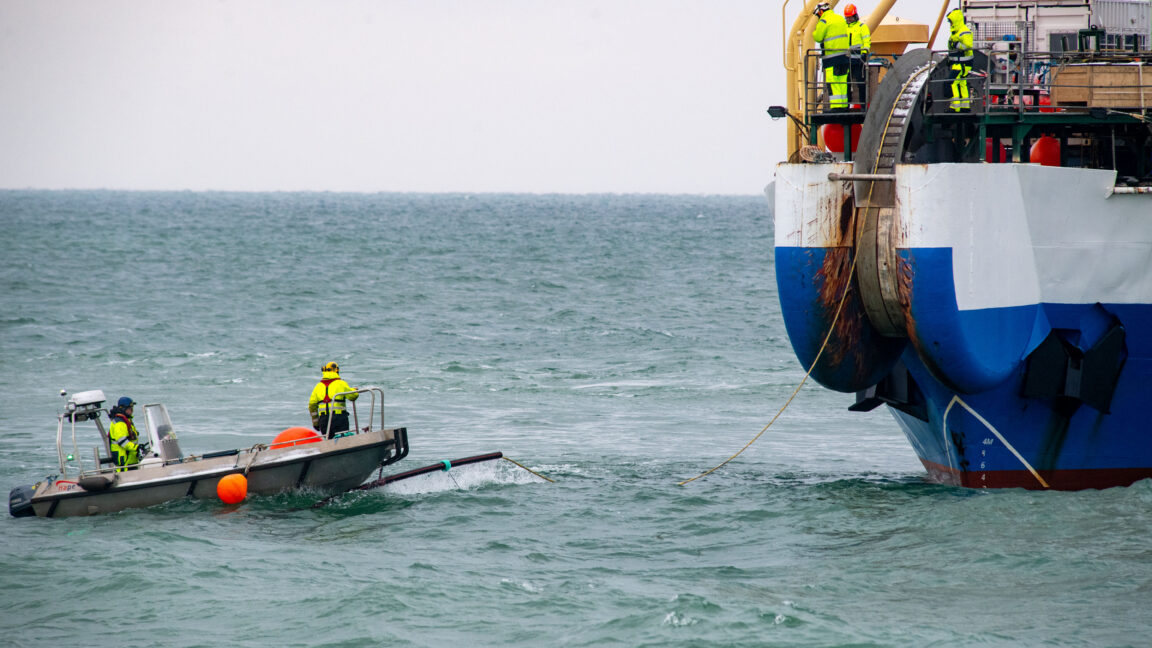
Despite the expansion of Starlink and other communications satellite services, most of the world’s Internet traffic still travels through subsea cables crisscrossing the ocean floors. Those fiber-optic cables coexist with a network of oil and gas pipelines and submarine power cables—and all these crucial links connecting countries and continents now face growing sabotage risks as gray-zone warfare and open conflicts have become widespread.

The rising risks to the world’s invisible infrastructure beneath the waves are the main subject of a new book by Elisabeth Braw, a senior fellow at the Atlantic Council who leads the Threats to the Global Maritime Order Initiative. Her book, titled Undersea War, explores the modern rise in suspicious incidents in which ships dragging their anchors for unusually long periods have cut or damaged undersea cables and pipelines, from the Baltic Sea to the Pacific Ocean.

Braw acknowledges that about 60 percent of undersea cable damage is primarily due to human error during fishing and shipping activities, when weighted nets or anchors drag across the seabed. Natural hazards like storms and undersea landslides also account for a smaller proportion of such incidents. In total, between 150 and 200 cables are damaged each year and usually repaired quickly.

Read full article

Comments

© Stefan Sauer/picture alliance via Getty Images

  •  

Skydance’s Discovery+ prices increase by up to 20 percent

Discovery+ subscription prices went up today.

Ad-free plans for new subscribers went from $10 per month to $12/month. Ad-based plans went from $6 to $7.

The new prices take effect for new subscribers immediately. Current subscribers to the streaming service, which primarily features unscripted content, like reality shows and documentaries, will receive 30 days’ notice before the new prices take effect, starting with bills issued as of November 12.

Read full article

Comments

© Jakub Porzycki/NurPhoto via Getty Images

  •  

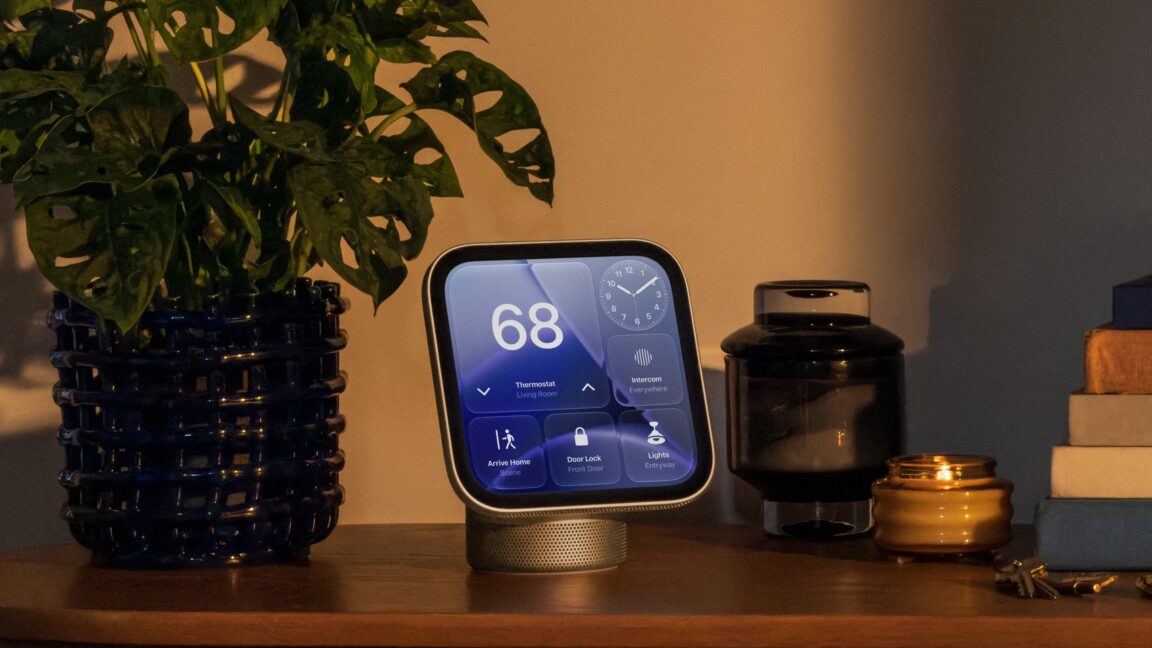
Apple’s first smart display is the 7-inch HomeView for $299

Apple opened preorders for the HomeView smart home hub today.

The HomeView is a 7-inch smart display and speaker that aims to be a central access point for up to six members of a family to access and control Apple’s ecosystem of devices, apps, and the Siri generative AI chatbot that's currently in beta.

Users can speak to HomeView to control smart home devices, such as, for example, telling Siri to close the smart blinds or activate smart locks. HomeView can also show a livestream for up to nine video feeds simultaneously.

Read full article

Comments

© Apple

  •  

Russia was not ready for the data center war it started with Ukraine

When Russia began attacking Ukrainian data centers and telecommunication infrastructure, it apparently failed to prepare for possible retaliation. Now Russia’s digital services are facing widespread outages after Ukrainian drone strikes knocked out three of the largest data centers owned by Russian tech giant Yandex within several days.

Pro-Kremlin bloggers are warning that Russia’s centralized digital economy could collapse because the country is not prepared for the “data center war” it started, according to posts translated by the pseudonymous independent researcher ChrisO_wiki. The Russian commentators also suggested that Ukraine’s decentralized digital services could prove more resilient than Russia’s system if the countries continue trading such blows.

Russia initially launched a drone strike campaign targeting Ukrainian data centers and mobile phone networks in late September. The attacks temporarily disrupted Internet and cell phone service for up to 100,000 households in the Ukrainian capital of Kyiv and came as part of a broader long-range strike campaign that has involved Russian missiles and jet-powered drones hitting Ukraine’s power grid infrastructure, transportation hubs, and even residential apartment building blocks.

Read full article

Comments

© Igor IVANKO / AFP via Getty Images

  •  

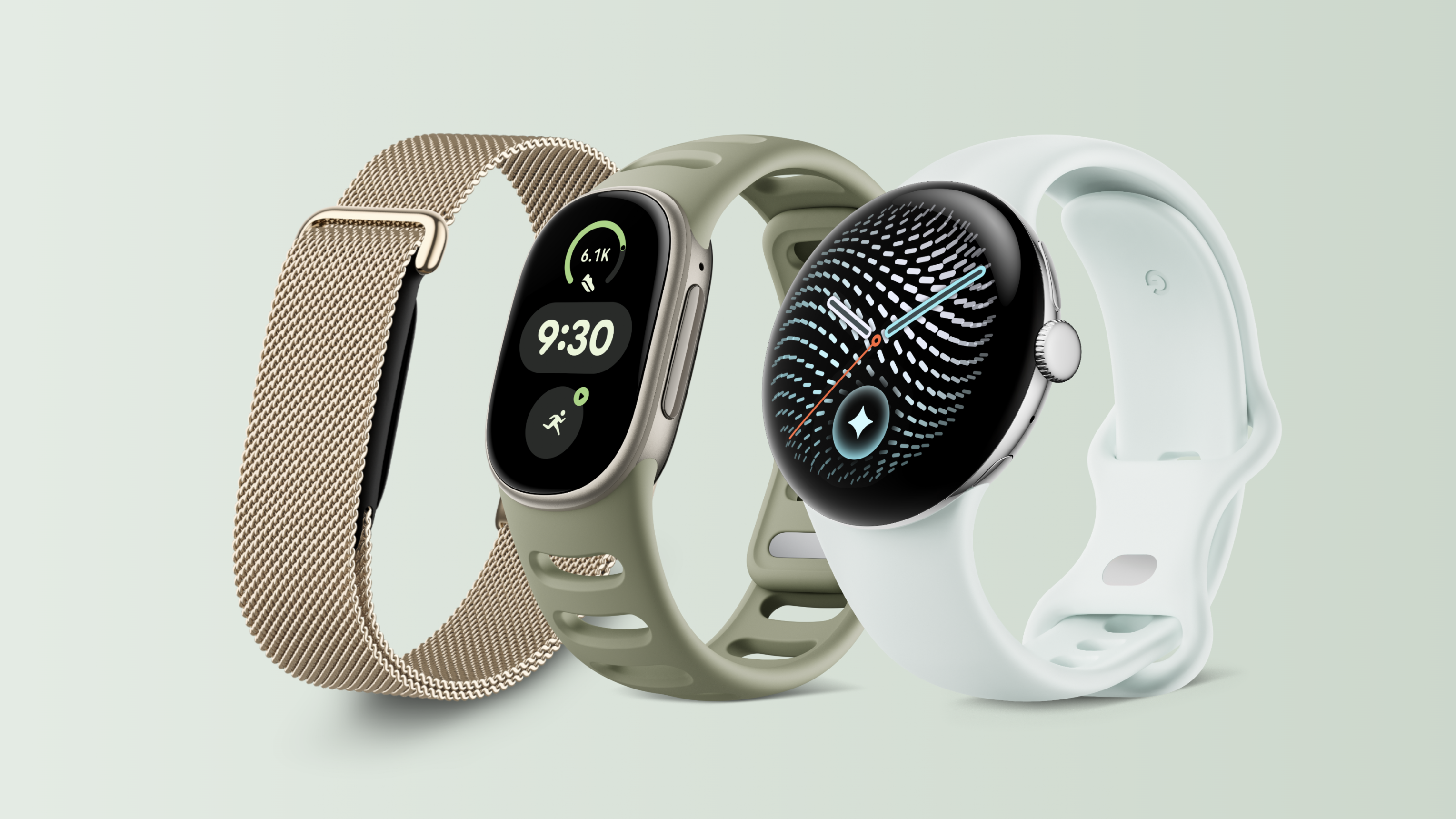
Google announces the Fitbit Edge, a middle ground between Pixel Watch 5 and Fitbit Air

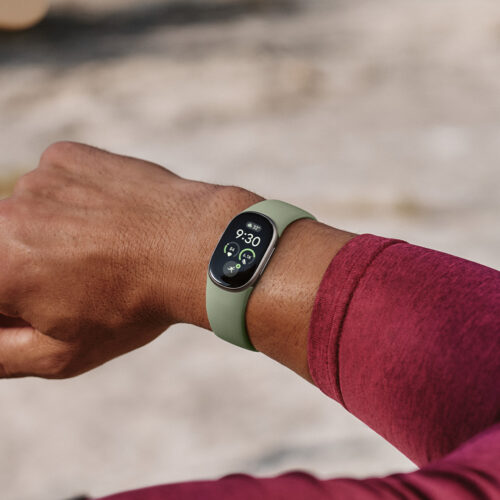
Google is releasing its second Fitbit tracker of 2026, offering fans of the aging Charge 6 a more refined option. The new Fitbit Edge slots right in between the Pixel Watch 5 and the Fitbit Air, featuring a compact screen and more health sensors than the Air. You won't get all the apps and features of the Pixel Watch 5, but the Edge is only about half as expensive.

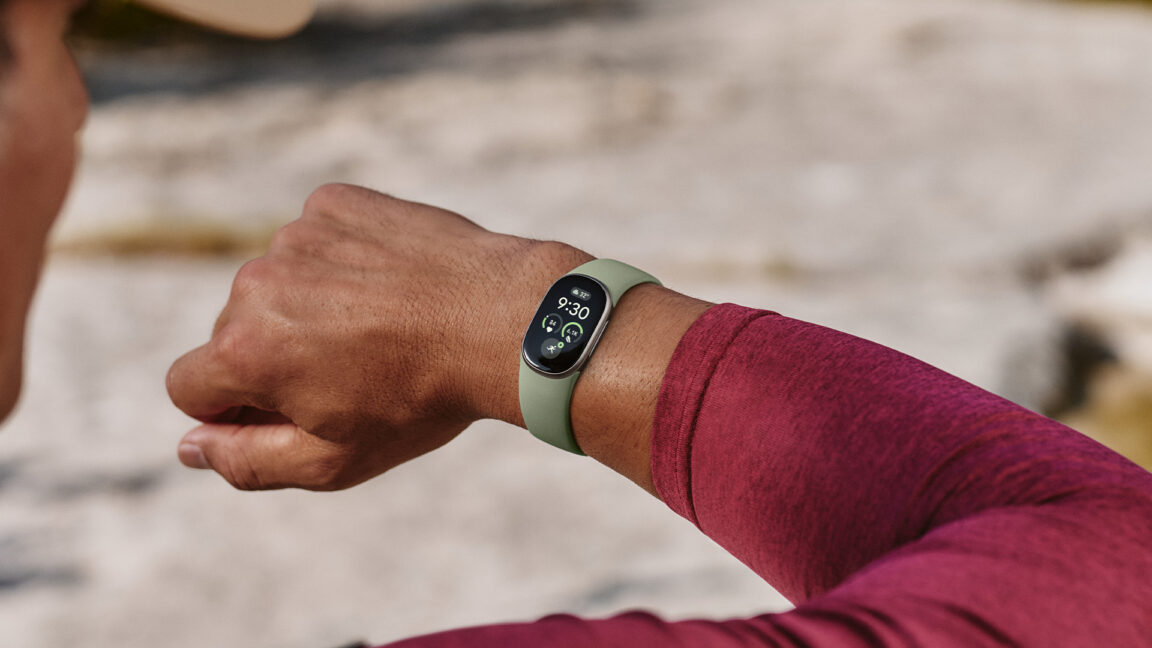
The Fitbit Edge is essentially a new Charge 6, but it has more of a Pixel Watch aesthetic. Squish Google's smartwatch from the sides, and you've got the Edge. It has a pill-shaped 1.34-inch OLED touch display inside a slender aluminum frame that is rated IP68 (5 ATM) for water and dust protection. Google says the screen has 46 percent more viewable area compared to the Charge 6. It's very close in overall size to the Fitbit Air and uses the same magnetic charging puck.

Left to right: Fitbit Air (with new metal mesh band), Fitbit Edge, and Pixel Watch 5. Credit: Google
The Edge works with Android or iPhones via the Google Health app, and it can run for about seven days on a charge. If the tracker is away from your phone, it can still follow your activity all week with support for seven days of full health data storage (or 30 days of basic data). However, the generous weeklong battery life does not include always-on display mode. If you turn it on, battery life drops to about two days, barely longer than the Pixel Watch 5.
Read full article

Comments

© Google
  •  

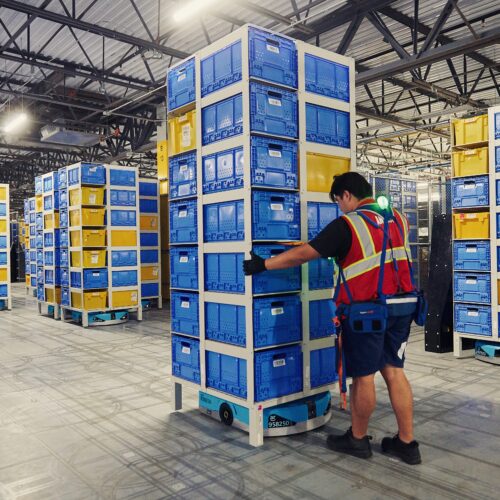
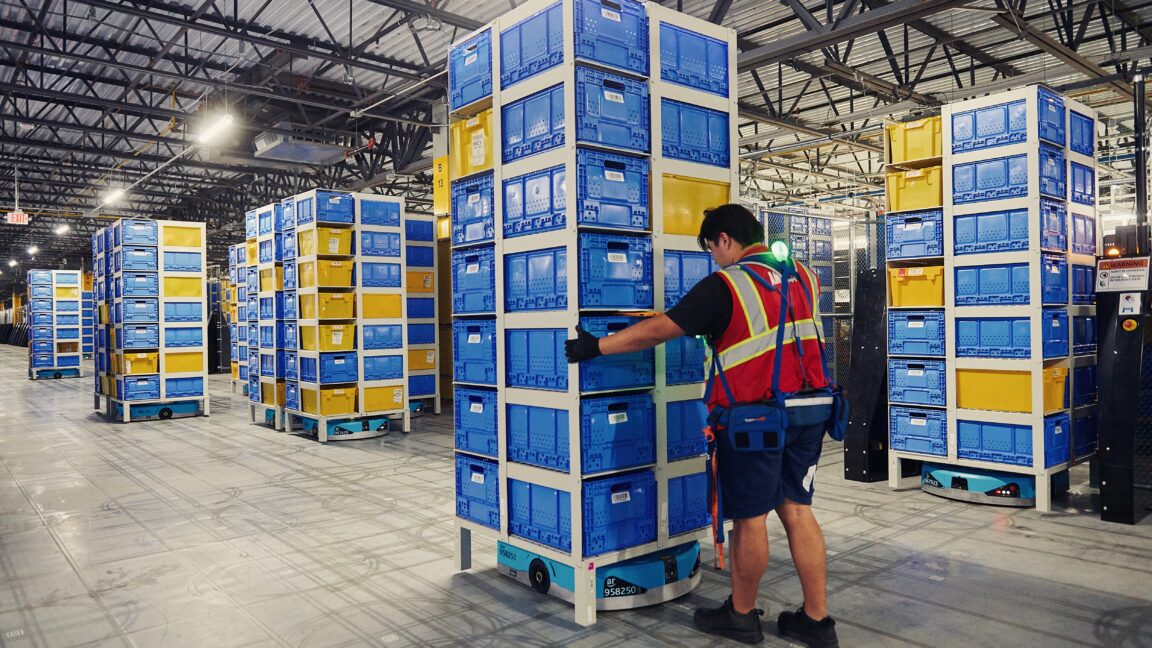
Amazon has over 1 million robot workers. What’s next for human employees?

No organization in the world operates more robots than Amazon. The company already has more than 1 million robots working in warehouses around the clock to make tens of millions of same-day and one-day package deliveries happen on a daily basis—and Amazon is poised to significantly grow that robotic fleet in the coming years as it establishes new factories to churn out increasingly more capable robot workers.

Despite deploying so many robots, Amazon is also the second-largest corporate employer in the world, with more than 1.5 million full-time and part-time human workers, according to its 2025 annual report. Amazon executives say that the growing robot fleet has eased the burden on its human workforce by taking on the toughest fulfillment center tasks that carry the greatest risks of physical fatigue and injury. But labor advocacy groups and independent researchers point to evidence suggesting that warehouse automation driven by AI is not all upside for the humans who work alongside robots.

“For the last 100 years, most of the automation that we've seen usually happens away from workers—you're taking that high-risk task away from the worker, and you're doing so in a way that is not physically proximate,” Brad Greenwood, professor of business at George Mason University, told Ars. “The rise of collaborative robots really changes that dynamic for two reasons: one is that it is physically proximate, and two, the robot has the ability to dictate the pace of work.”

Read full article

Comments

© Amazon

  •  

Review: 4-hour Musk documentary feels like two different films

Elon Musk is a very familiar figure to Ars readers, given his massive influence (for better and worse) on the technology sector over the last 20 years. Oscar-winning director Alex Gibney's latest biographical documentary—simply titled Musk—covers a lot of well-known ground and challenges the carefully crafted public image of Musk as a visionary tech titan.

Gibney's documentary presents Musk as more of a Gilded Age confidence man, rejiggered for the 21st century: an investor cosplaying as an inventor whose real genius is pumping stocks and dazzling investors and the public alike with visions of a high-tech utopian future. The film is bound to push all the right outrage buttons, whether one is a Musk fan or a detractor—which makes it very much a product of the peculiar social media-driven era in which we live.

Gibney has been making documentaries since the 1980s, covering such varied subjects as Jimi Hendrix, Hunter S. Thompson and gonzo journalism, WikiLeaks, Scientology, Steve Jobs, Elizabeth Holmes (the subject of another forthcoming documentary, You Can See Everything, featuring comedian Nathan Fielder), Boris Becker, The Sopranos creator David Chase, alleged Russian interference in the US 2016 presidential election, the opioid epidemic, and cyclist Lance Armstrong. He snagged his first Oscar nomination for 2005’s Enron: The Smartest Guys in the Room, and won the Oscar for Best Documentary Feature two years later for Taxi to the Dark Side.

Read full article

Comments

© AP

  •  

Ukraine’s drones knock out AI data center belonging to "Russia’s Google"

Ukrainian drone strikes have knocked out two of five data centers belonging to the Russian tech giant Yandex. The damage has left Yandex, known as “Russia’s Google” because it operates the country’s most popular search engine, struggling to maintain its AI chatbot and other online services.

The Ukrainian drones struck Yandex data centers in the Sasovo and Kaluga regions of Russia on October 8 and October 9, according to Reuters. Those actions came as a direct response to a Russian drone strike campaign targeting Ukraine’s data centers, which has disrupted mobile phone and Internet services for thousands of Ukrainians since late September.

“We continue to respond to Russia’s attacks on Ukraine, and we’re doing so with high precision,” said Ukrainian President Volodymyr Zelenskyy in a post on X. “Another data center was hit as well—our symmetrical response.”

Read full article

Comments

© Planet Labs PBC

  •  

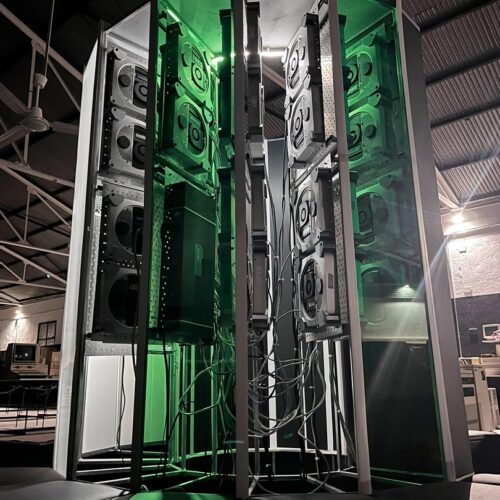
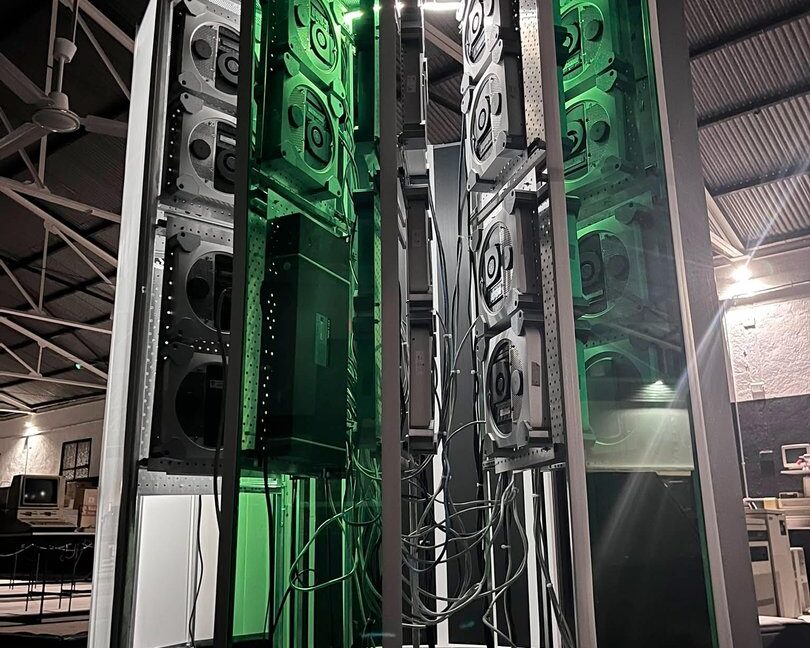
A Cray-1 supercomputer replica from 30 "obsolete" Mac Minis

The Museo de Historia de la Computación in Spain has unveiled a 1:1 scale visual replica of the famous Cray-1 supercomputer from 1976. Instead of sourcing expensive, cutting-edge tech to run the system, the creative team powered the project with 30 2012-era Mac Minis. Developed over 18 months, the project serves as a 50th-anniversary tribute to the Cray-1 and Apple's founding.

Mac Minis from over a decade ago might not seem like the obvious first choice for building a cluster supercomputer, but when networked together, the developers can orchestrate the 64 active processing cores into a combined 1.3 teraflops of performance in their most recent tests. The museum reportedly achieved 1.5 teraflops previously using all 70 available cores, prior to one node going offline. Benchmarks were obtained using a custom matrix-multiplication Python script. Five PCs are quad-core i7s, and the remaining 25 are dual-core i5 models. Except for two units from 2014, the rest of the array dates to 2012.

The replica is a valuable tool for museum-goers to understand the shifts in computer architecture since 1976. The original Cray-1 used vector processing, applying a single instruction to multiple data elements simultaneously, whereas the replica distributes work across independent processors in a parallel cluster. The peak theoretical performance of the original Cray-1 was approximately 160 megaflops. What was originally a purpose-built research machine has been re-created with consumer hardware that's vastly more capable than the machine that inspired it.

Read full article

Comments

  •  

PC shipments fall 20.1 percent in “sharpest decline” since Q1 2023

PC shipments saw a steep drop of about 20 percent in Q3 2026, analysts reported this week.

The industry saw its “sharpest decline since “Q1 2023," Omdia said in an announcement toady. Global shipments of laptops, desktops, and workstations fell 21.2 percent year over year (YoY) to 58.1 million devices, the analyst said.

Desktop PC shipments (including desktop workstations) decreased 23.5 percent to 11.7 million units, and laptop shipments (including laptop workstations) declined 20.6 percent to 46.4 million, per Omdia.

Read full article

Comments

© David Paul Morris/Bloomberg via Getty Images

  •  

Your artwork could be featured in the next Debian release

The Debian Linux project has opened a call for community artwork submissions ahead of the release of the upcoming Forky (Debian 14). If you think you've got the artistic chops, your art could appear on the boot screens, login prompts, and desktop wallpapers of millions of users. The submission deadline is November 26.

Continuing Debian's community-driven ethos, the artwork submission process mirrors that of previous releases. The artwork must feel distinctively "Debian," integrate cleanly without the need for core software patching, and remain visually appealing for the long term.

Elise Couper's "Ceratopsian" theme was chosen as the winning default for Debian 13 Trixie. For anyone who might not be up on the latest from the Toy Story franchise, the release names echo character names from the animated films. Trixie was a triceratops introduced in Toy Story 3, hence the "Ceratopsian" wink in the winning submission. It makes sense that the next version of Debian continues this trend with Forky, a character introduced in the franchise's fourth entry. The Debian team cautions against overly busy designs that may cause user fatigue, but if anyone can successfully incorporate Forky's googly eyes into the design somehow, know that you'd at least win the contest for my Debian desktop wallpaper.

Read full article

Comments

  •  

Let's Encrypt cuts certificate lifetimes to 64 days starting February 2027

Let's Encrypt is continuing a push toward tighter security by reducing free SSL/TLS certificate lifetimes from 90 days to 64 days, starting February 10, 2027. For administrators already implementing modern ACME clients that support ARI (ACME Renewal Information), the change should be seamless. For those still relying on hardcoded renewal schedules or manual processes, February will be the deadline to update before certificates start expiring unexpectedly.

Starting on October 14, Let's Encrypt will begin testing the 64-day certificates, and interested users can opt in to test their setups before production goes live.

Prior to Let's Encrypt's launch in early 2016, certificates were often issued for as long as one to three years. The service started with 90-day certificates to force renewal automation that didn't previously exist. Shorter certificate validity periods limited vulnerabilities from private key thefts and encouraged accelerated HTTPS adoption across the web.

Read full article

Comments

© Getty Images | Yuichiro Chino

  •  

Amazon's new Alexa Tablets drop the Fire branding but are more Android than ever

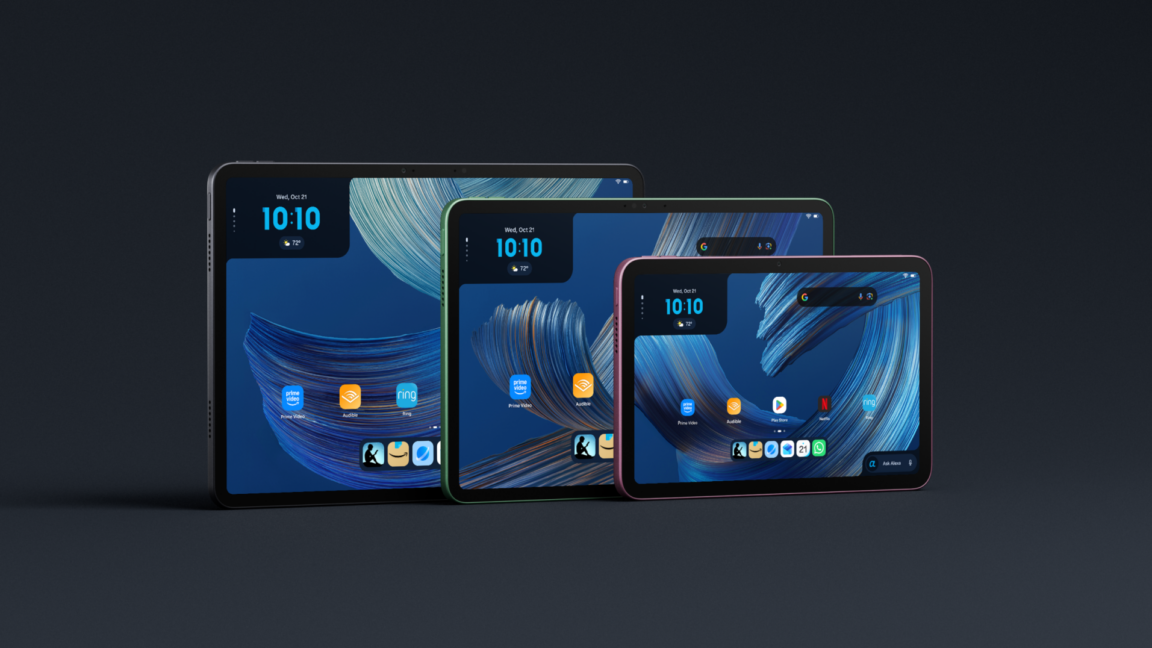
For the last 15 years, you've been able to buy a Fire tablet from Amazon. Which Fire tablet? It doesn't matter—like Kindles, they have been pretty much the same year to year. The company's new tablet lineup is a big change, though. Amazon has dropped the Fire branding in favor of Alexa, and the new Alexa Tablets are now Google-certified Android devices.

Throughout the history of Fire Tablets, Amazon downplayed its use of Android. They ran Android apps from the company's Appstore platform, but there was no Google integration with "Fire OS." However, Amazon shut down its app store last year. The new Alexa Tablets run full-fledged Google-y versions of Android with the Play Store and all the apps you'd expect. This contrasts sharply with Amazon's Fire Sticks, which have abandoned Android for the custom Linux-based Vega OS.

The Alexa Tablet lineup consists of three devices, all redesigned with unibody aluminum housings. The Alexa Tablet 8 starts at $230, and the Tablet 11 jumps to $330. They run on the budget MediaTek 8189 processor, but that's still an upgrade from the last-gen Fire tablets. Both devices have 16:10 display ratios that are better for watching video, but the flagship tablet is a little different.

Read full article

Comments

© Amazon

  •  

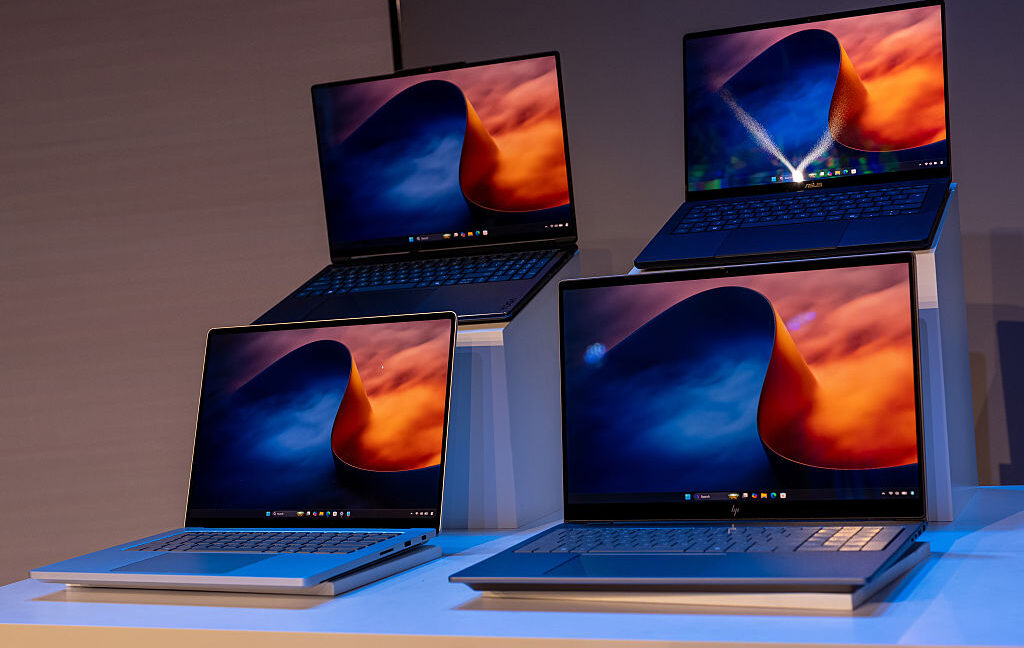
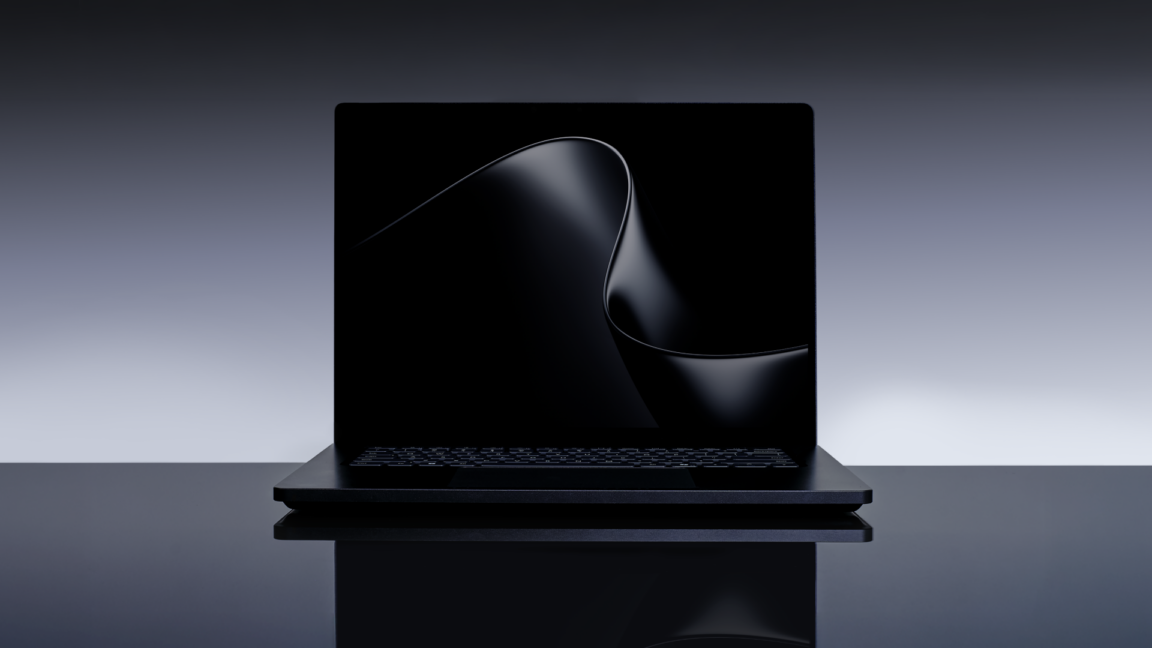
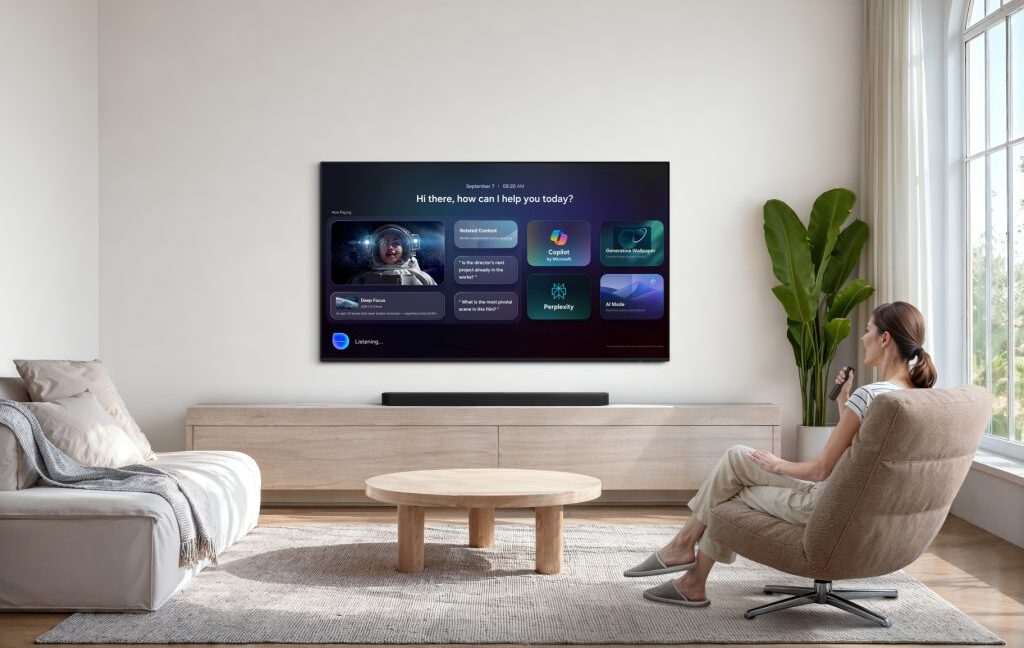
Microsoft event debuts new AI-friendly hardware and Windows changes

In its first live event in two years, Microsoft today announced its newest Surface laptop, outlined a host of changes coming to Windows 11, and shared a vision of how local-AI and agentic workflows could reshape personal computing for those in the dev community as well as home enthusiasts.

Surface Laptop Ultra

Originally teased in May 2026, the new Surface Laptop Ultra will be Microsoft's first offering to take advantage of the new Nvidia RTX Spark SoC (system on a chip). The device has a starting price of $2,599 and comes in various SoC and memory configurations, with either a 5120-core or 6144-core Blackwell GPU and up to 128GB of LPDDR5x unified memory. It will begin shipping on October 16 and is available for preorder now.

While the new Ultra is clearly focused on the developer crowd, graphical performance was highlighted during the presentation to show off just how capable the laptop can be. By leaning on unified memory allocation rather than the physical VRAM limits of a traditional GPU, the laptop can assign its resources to handle modern gaming tasks as well as local AI development and deployment. The new Gears of War: E-Day was shown running on the system, meaning that even without a traditional gaming GPU, AAA titles are on the table.

Read full article

Comments

© Microsoft

  •  

Drones sink ships near NATO countries in “unacceptable” attacks, EU says

Drones sank two cargo ships and damaged a third in the exclusive economic zones of NATO member countries for the first time, killing at least two sailors. The attacks represent a notable escalation as Black Sea commercial shipping has increasingly come under attack during the Russian invasion of Ukraine, with Russia also being accused of carrying out “hybrid warfare” incidents across Europe.

The Togo-flagged cargo ship Alfa Watan sank, and the Palau-flagged cargo ship Able was set ablaze after being attacked by multiple sea and aerial drones about 80 miles (128 kilometers) off the coast of Bulgaria on October 6, according to the Associated Press. In an interview, Bulgarian Prime Minister Rumen Radev described the incidents as “an unacceptable attack in Bulgaria’s exclusive economic zone” and “a blatant violation of international law and maritime law.”

A Bulgarian ferry managed to evacuate the 18 crew members of the Able, with two severely injured mariners being flown to a hospital in the city of Varna.

Read full article

Comments

© Iuliia Kuzmina / iStock Editorial / Getty Images

  •  

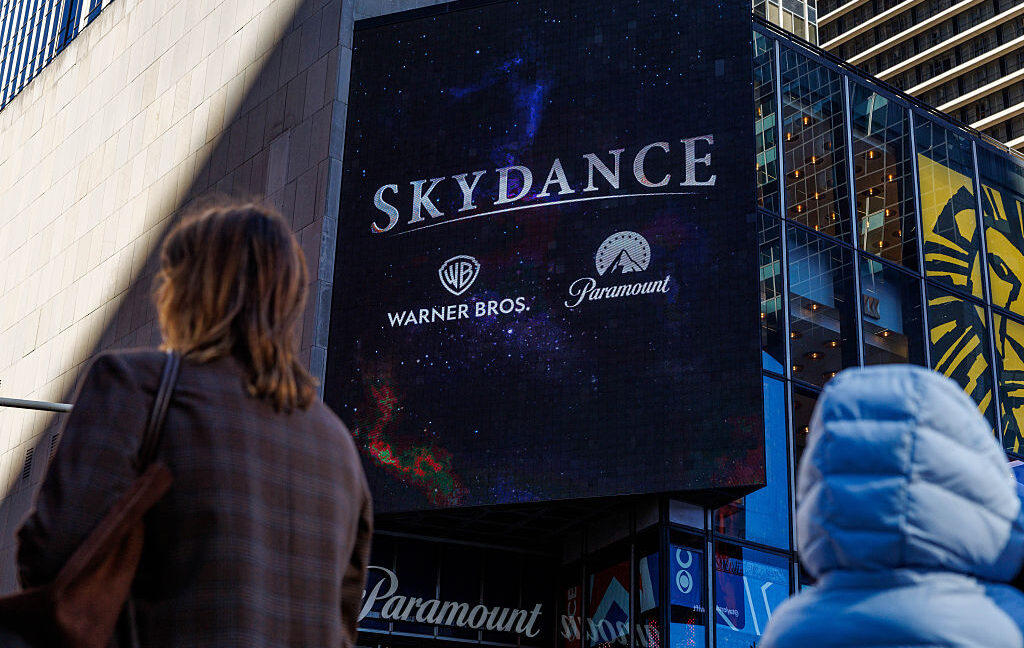
HBO Max, Paramount+, and Discovery+ "will unify into a single service”

After months of industry and customer speculation, Paramount Skydance has shed some light on the future of the HBO Max and Paramount+ streaming services.

Paramount Skydance completed its acquisition of Warner Bros. Discovery (WBD) today, ending a monthslong saga that began when Netflix last year announced its own plans to buy WBD. Netflix scrapped those plans in February. Skydance is the name of the company created from the $111 billion merger.

In an announcement today, Skydance said that all of the direct-to-consumer streaming services it owns, including the Discovery+ service that Discovery Inc. (which merged with WarnerMedia in 2022 to create WBD) launched in 2021, “will unify into a single service over time.”

Read full article

Comments

© Adam Gray/Getty Images

  •  

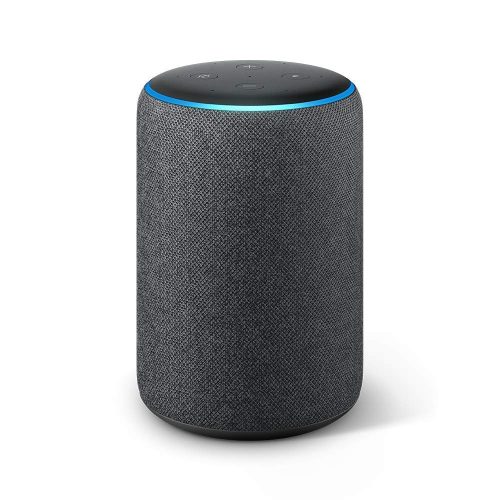
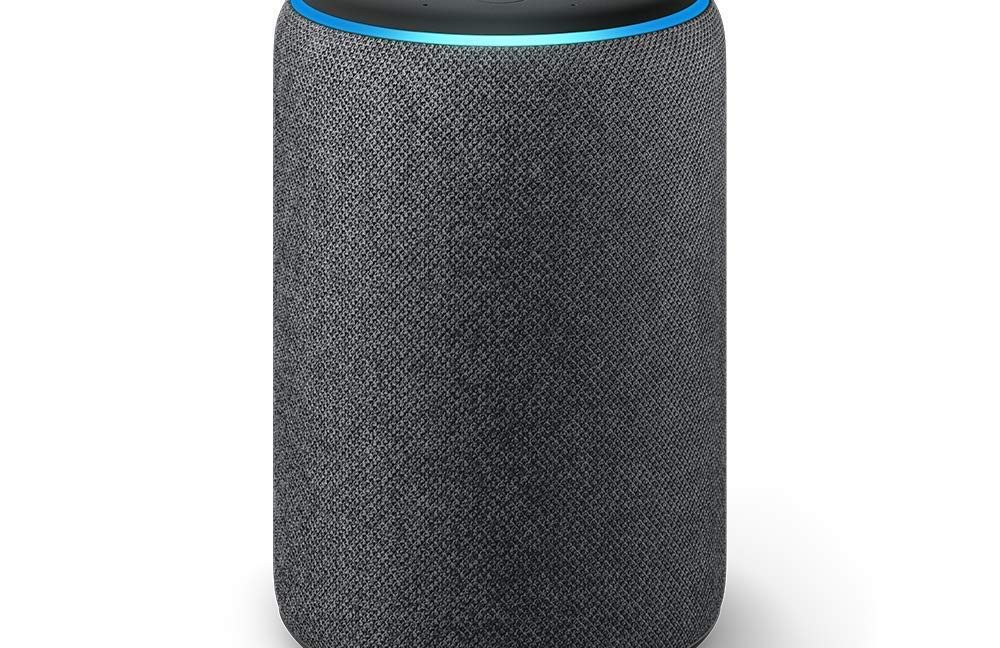
Amazon kills Alexa’s ability to control Echo speakers' AUX input

Amazon has disabled Alexa control of devices plugged into the company's Echo smart speaker’s AUX port.

Users have reported receiving an email from Amazon this week informing them of the change. “This is a reminder that as of today, voice commands to control your Echo device’s Aux input are no longer available. Requests like 'Alexa, play from line in” or “Alexa, set aux input' will no longer work,” an email that Amazon sent reads, according to a screenshot a Reddit user shared this week.

An Amazon spokesperson confirmed the news to Ars Technica today.

Read full article

Comments

© Amazon

  •  

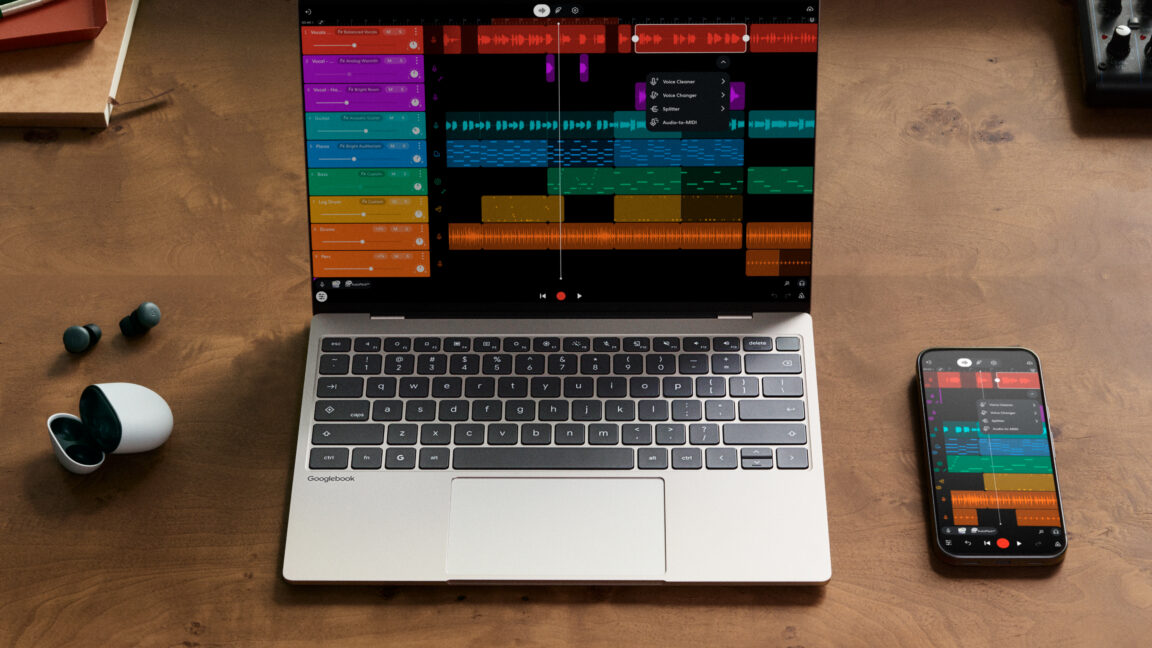
Googlebook "Better Together" phone features don't work with Samsung at launch

Googlebooks are Google's latest attempt to carve out a piece of the premium laptop market, and tight integration with Android phones is a key part of that effort. Now that Googlebooks are available, we're learning of some frustrating limitations of that plan. For now, Googlebooks will only play nicely with your phone if you have a Pixel.

When Google announced the launch window for Googlebooks, it said the laptops were "engineered to work with your Android phone right out of the box." But as with many things Google, the truth is more convoluted. We have since learned that you need Android 17 for any of the nifty integrations to work. With a compatible Android 17 phone, you can seamlessly stream apps to your laptop, access files on your phone, mirror notifications, and continue where you left off in certain apps when switching from phone to laptop.

You might think that the latest Samsung phones, which shipped with Android 17, would be ready for this experience. You'd be wrong, though. Some early Googlebook adopters have complained that phones like the Z Fold 8 won't work with the laptops. While the devices appear to see each other, the phone doesn't stay connected. Google representatives have since confirmed that these "Better Together" features are not currently supported on even the latest Samsung phones. An update that brings support to Samsung phones will roll out in "the coming weeks."
Read full article
Comments

© Google
  •  

Russian drones strike Ukraine’s data centers by exploiting air defense gaps

A surge in Russian jet-powered drone strikes on Ukrainian data centers has increasingly disrupted mobile phone and Internet services for thousands of people. Now Ukraine President Volodymyr Zelenskyy and other government officials are warning of the need for more air defense capabilities, as such telecommunication outages could threaten Ukraine’s digital economy and undermine the country’s ongoing resistance to Russia’s invasion.

The Russian attacks on Ukrainian telecommunication infrastructure have focused on Ukraine’s capital of Kyiv since September 23, according to the nonprofit Reporters Without Borders. Ukraine’s digital transformation ministry reported that 100,000 households in the Kyiv region were temporarily experiencing Internet outages from those initial strikes—and Russia has only intensified its strike campaign against major Ukrainian data centers and mobile phone networks in recent weeks.

“Russian attacks on Ukraine’s telecommunication infrastructure are not new, with strikes and shelling previously damaging fiber optic lines, cell towers, and facilities belonging to mobile network companies,” said Tetiana Gaviuk, analyst for Europe at ACLED, in a post on October 1. “However, the recent concentrated attacks on Kyiv’s data centers and telecom networks stand out because multiple providers and facilities were hit within days, indicating Russia’s increased pressure on Ukraine’s digital infrastructure.”

Read full article

Comments

© Kostiantyn Liberov/Libkos/Getty Images

  •  

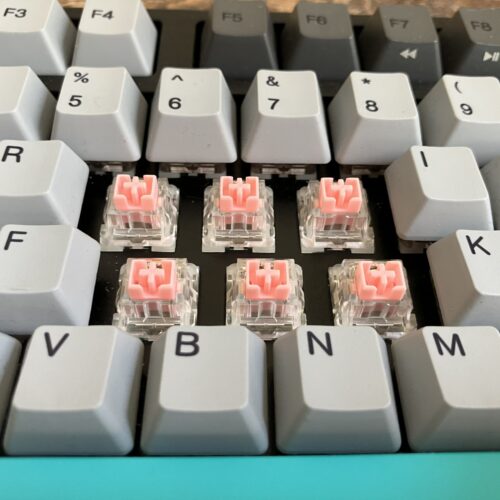
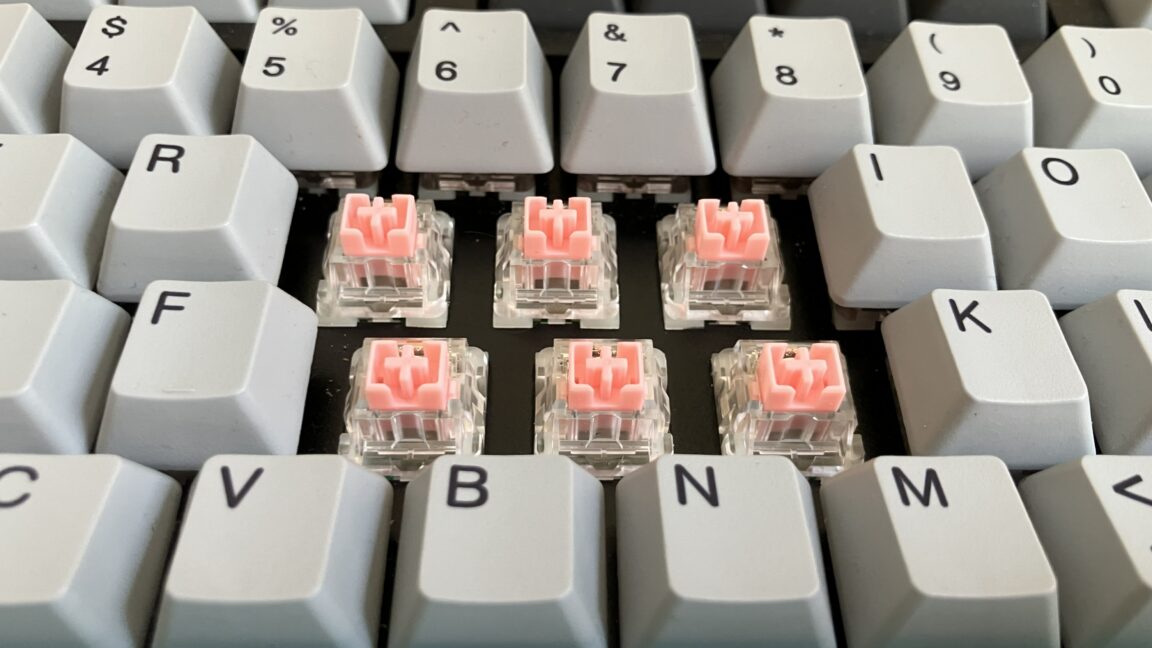
Explaining Hall-effect, TMR, and other new types of "mechanical" switches

The mechanical keyboard isn't always so mechanical anymore.

Over the past six years, keyboards with optical, Hall-effect, and other "contactless" switches have become increasingly common, often going for higher prices than traditional mechanical keyboards, which already command a premium over basic membrane boards. In return, they promise some theoretical advantages, particularly for gamers. In daily use, though, the differences can be pretty subtle.

So what exactly are you paying for? In this guide, we break down how the newest switches work, why contactless designs are becoming more popular, and where their advantages—and disadvantages—really matter.

Read full article

Comments

© Scharon Harding

  •  

The dawn of the age of the exoskeleton

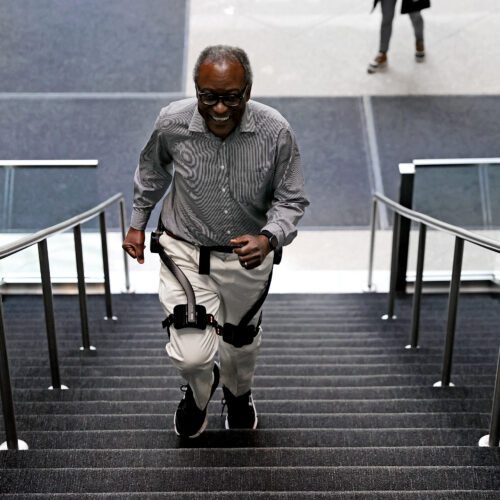
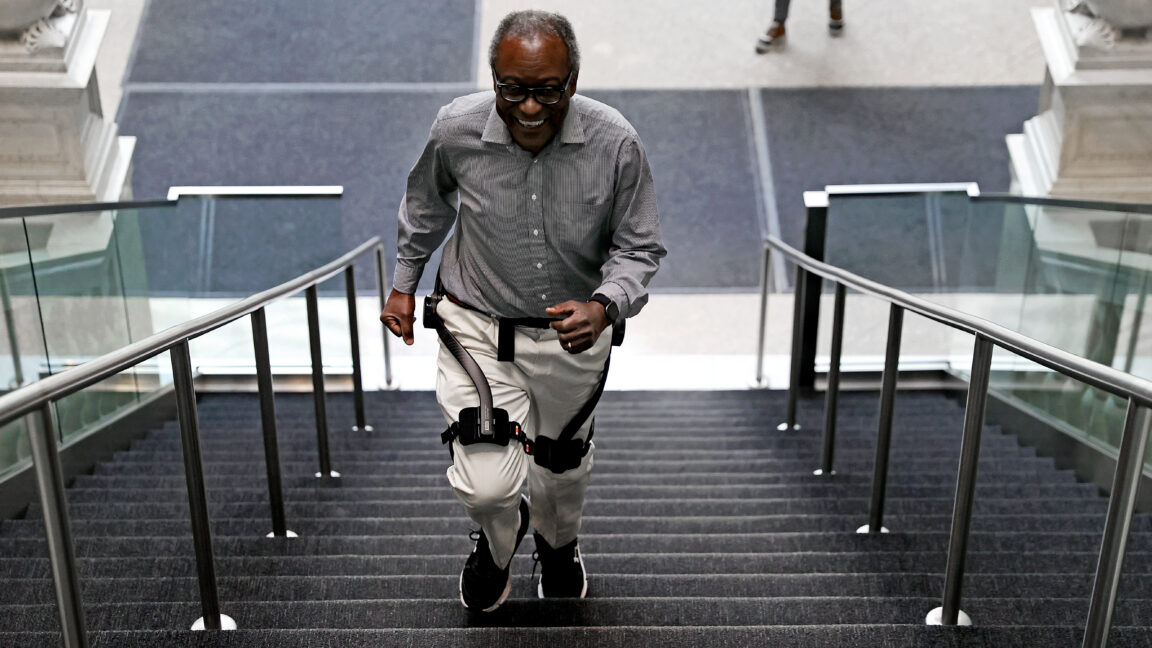
This year, members of Seattle Mountain Rescue have been setting off into the wilds of the US Pacific Northwest wearing an unusual piece of kit.

They’ve been hiking into the wilderness with powered assistive devices attached to their hips and legs. Designed to increase lower-body strength when climbing or carrying heavy loads, these pieces of equipment are being tested to see if they can boost rescuers’ speed and endurance when it matters most—during searches for stranded people.

Devices like these are called human exoskeletons. They attach to parts of the body to create an external—or “exo”—mechanical structure. This powered frame enhances the wearer’s physical capabilities.

Read full article

Comments

© David L. Ryan/The Boston Globe via Getty Images

  •  

This startup pays NYC residents to run air conditioners on free batteries

My family has spent four summers participating in demand response programs whereby utility companies pay customers to reduce energy use on the hottest summer days. Most summers have involved carefully precooling our New York City apartment before switching off the air conditioners and sweating it out during the designated demand response periods.

But this year, we kept our window air conditioners running throughout a heat dome event that drove daytime temperatures into the triple digits and made the nights oppressively hot. The difference was that we powered the air conditioners through two household batteries tucked away unobtrusively in the corners of our living room and bedroom.

We were among about 1,000 New York City households that took part in a free and growing program offered by the local startup Every Electric. The company’s proposition is simple: Get one or more batteries delivered to your home, plug the batteries into a standard wall electrical outlet, and then plug your window air conditioners into the batteries. Households can keep running air conditioners as usual during peak demand periods while also earning money through the local demand response program with the utility company Con Edison.

Read full article

Comments

© Jonathon Schaff, Green Juice (www.greenjuice.wtf)

  •  

The 7-year-old Nvidia Shield TV is now $100 more expensive due to AI

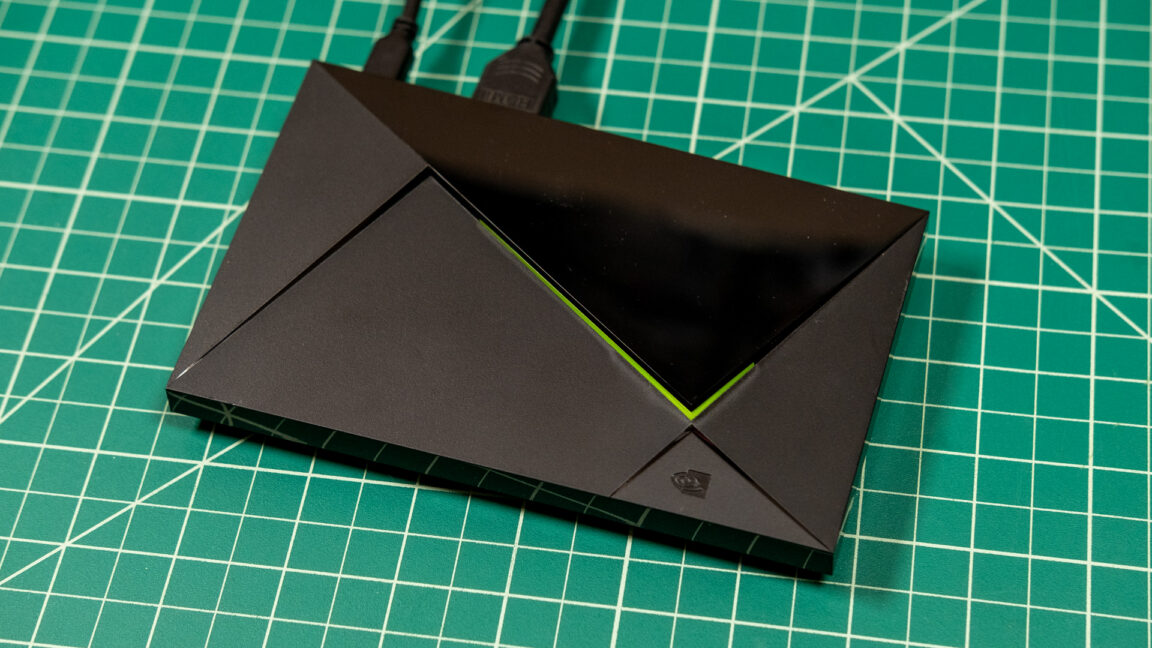
The era of generative AI has upended technology supply chains, and there is one ironclad rule in 2026: If it has memory or storage, it's getting more expensive. Even devices with years-old tech inside are still apparently subject to that unwritten rule. Nvidia has just announced that the Shield TV Pro is getting $100 more expensive, effective immediately.

The most recent version of the Shield streaming box debuted in 2019, running Android TV with AI upscaling and hardware decoding for almost any type of media. While it ran an aging Tegra X1+ processor, that was (and still is) fast for a TV media streamer. The device launched at $199.99, with a non-Pro variant at $149.99. The non-Pro Shield has since been discontinued, but the Shield TV Pro lives on at the new $299.99 price.

Nvidia has confirmed that you can blame AI for the higher Shield TV pricing. "Starting October 2, SHIELD Pro will be priced at $299. The cost of components, including memory, has increased substantially across the industry," a spokesperson told Ars.

Read full article

Comments

© Ryan Whitwam

  •  

TCL is right to question Samsung’s use of the term “Mini LED”

What makes a display a Mini LED display?

It's a question that sounds like it should have a simple answer. But it's now at the center of a lawsuit between two of the biggest names in TVs, with TCL accusing its longtime competitor Samsung of falsely advertising budget LCD-LED TVs as Mini LED sets.

TCL may have a point. Samsung's M-series TVs, which range from $300 for a 43-inch model to $2,300 for a 100-inch model, do raise some legitimate questions about what should qualify as Mini LED. More broadly, though, the dispute highlights a problem for shoppers: Without agreed-upon standards for what "Mini LED" actually means, manufacturers have plenty of room to define the technology for themselves.

Read full article

Comments

© Samsung

  •  

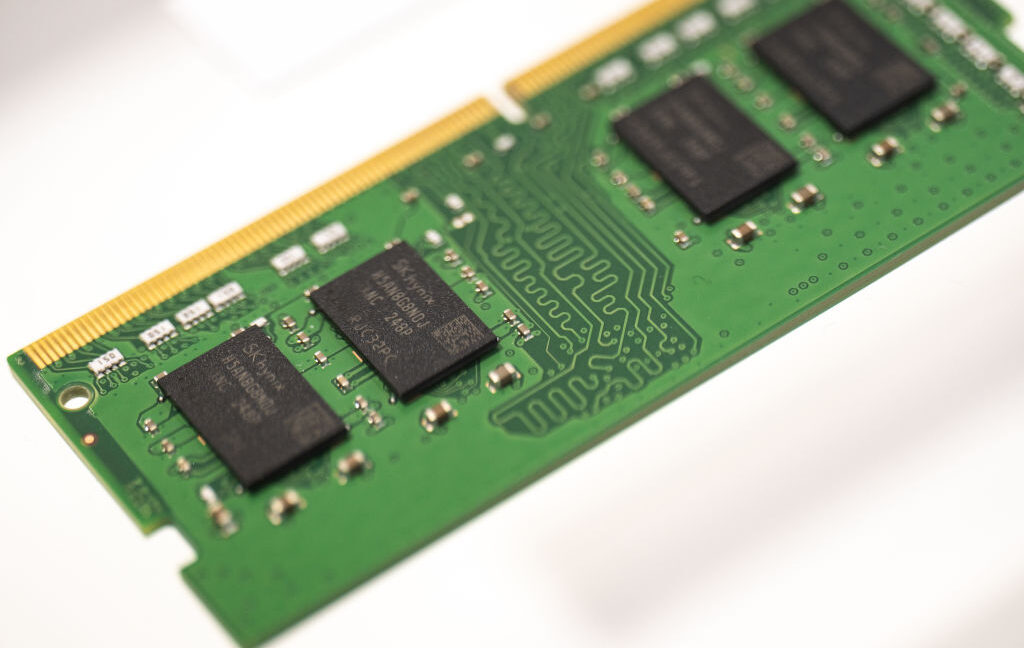
Memory executives expect RAM shortage to continue through 2028

Micron and Samsung executives this week said the memory shortage will continue for at least the next couple of years.

Micron CEO Sanjay Mehrotra expects demand for the firm’s memory to exceed its available supply over that period, he told investors last night.

Micron no longer sells consumer RAM, and Mehrotra’s statements refer to Micron’s business-to-business sales of high-bandwidth memory (HBM) for AI and DRAM for servers. However, his comments also have implications for consumer devices. Manufacturing capacity is prioritizing memory for AI and servers, limiting the supply of memory manufactured for consumer devices.

Read full article

Comments

© Getty

  •  

Reddit is putting more limits on Old.Reddit.com

Soon, Reddit won’t let people use Old.Reddit.com unless they have used the site while logged in within the previous six months.

In July, Reddit started requiring that users be logged in to access Old Reddit. This new requirement is an effort to reduce Reddit’s biggest source of scraping and automated traffic, the company says.

Today, the social media platform announced additional upcoming restrictions on Old Reddit. A Reddit post from an employee, known as "judy-funnie" on the platform, says that “in the next few months, we'll further limit access for logged-in users to only those who have used Old Reddit in the last six months (which covers the vast majority of all Old Reddit users).”

Read full article

Comments

© Cheng Xin/Getty Images

  •  

The Disney protests were a wake-up call about the risks of streaming mergers

There was a call to boycott Disney last fall. The owner of the ABC network had taken Jimmy Kimmel Live! off the air over comments Kimmel made about responses to Charlie Kirk's murder, sending free speech proponents into a frenzy.

Those free speech proponents include me, who, as a reporter, has clear stakes in protecting that right. Although I was on board with halting support for a company I felt had acted wrongfully, truly boycotting Disney proved harder than I expected.

Disney's ubiquity

Canceling Disney+ was simple but threw a hefty wrench into my evening routine. I tend to end many weekdays laughing at comforting sitcom reruns and adult animation. I usually associate Disney with princesses, kids' movies, and, more recently, comic heroes. But Disney also owns Hulu, which exclusively streamed many of my favorite shows for unwinding at the time, like American Dad, Futurama, Living Single, Fresh Off the Boat, and It’s Always Sunny in Philadelphia. 

Read full article

Comments

© Mario Tama/Getty Images

  •  

Discord gives more advertisers more tools to target its users

Discord has announced tools aimed at expanding the number and types of companies that advertise on the platform.

This week, the social media firm announced Discord Ads Manager, an ad campaign management platform that lets companies manage ads shown on Discord in one place. The tool can be used to perform forecasting, build “a campaign with objective-based bidding,” and monitor an ad campaign’s performance, according to the announcement.

“Self-service access extends Discord advertising to smaller studios and marketers that previously needed a direct sales relationship to run campaigns, opening the platform to advertisers, regardless of their budget,” Discord said.

Read full article

Comments

© Gabby Jones/Bloomberg via Getty Images

  •  
❌