❌

Reading view

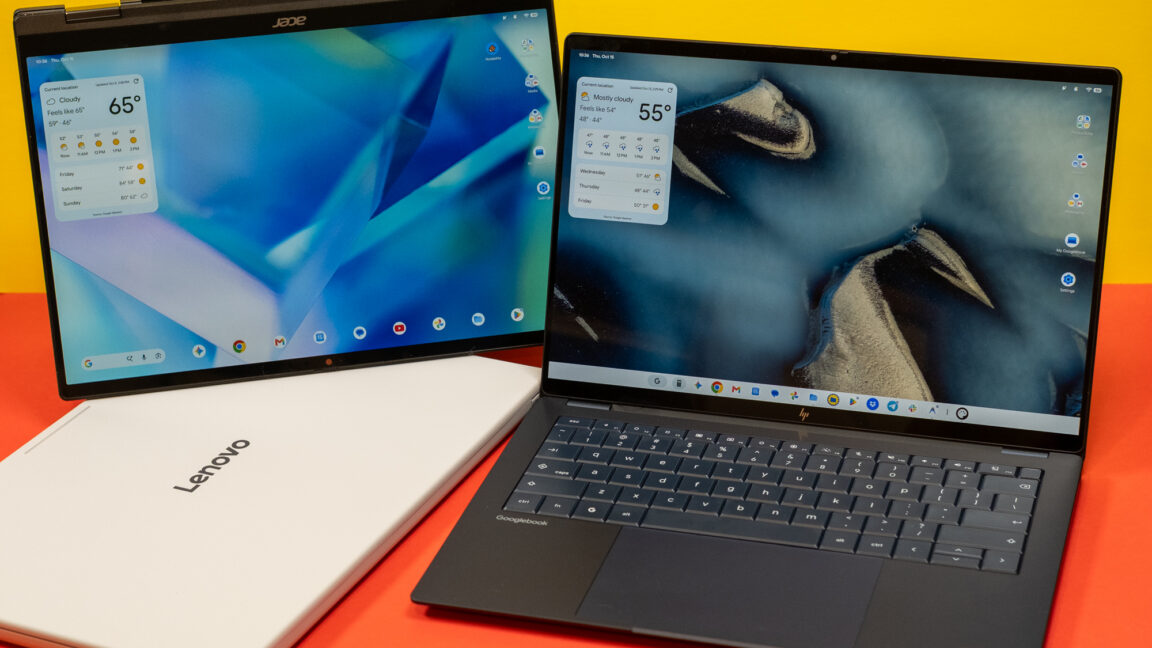
Googlebook review: Android on a laptop is still Android

Android was designed for phones, but that hasn't stopped Google from trying to adapt the OS and its apps to larger machines over the years. Googlebooks are just the latest attempt after tablets, Chromebooks, and foldables induced little change in how people interact with Android software. These new Android-powered laptops are designed to pick up where the web-focused ChromeOS left off, offering premium hardware and native support for Android apps.

Google sees Googlebooks as an alternative to Windows and macOS, but these platforms are entrenched with decades of software and UI conventions that keep users locked in. Googlebooks have to offer something very special to steal users away from either of the dominant operating systems.

For devoted Android phone users, there are some cool things in Googlebook OS, but the Android roots of these machines are impossible to miss. Sometimes it feels like using a Chromebook, and sometimes it feels like using a giant phone. It almost never feels like using a premium laptop, and that's the problem.
Read full article

Comments

© Ryan Whitwam

  •  

OpenAI, Google pushing new AI models easily tricked into making nudes, researchers say

Safety researchers continue to warn that a large volume of AI-generated explicit content is spreading unchecked, while regulators do little to meaningfully stop it.

This non-consensual content is commonly shared in text and direct messages or stored in private clouds where it’s less likely to be detected or reported, a Google co-authored study of Internet users across the United States, Australia, and the United Kingdom found this July. That’s why the “most critical intervention point” remains at the source: the harmful AI tools used to make the fake sexual images, Google researchers concluded.

Yet red-teaming in recent months suggests that as some of the leading AI image generators from Google and OpenAI become more capable, they may be getting worse at blocking explicit outputs.

Read full article

Comments

© Aurich Lawson | Getty Images

  •  

Amazon has over 1 million robot workers. What’s next for human employees?

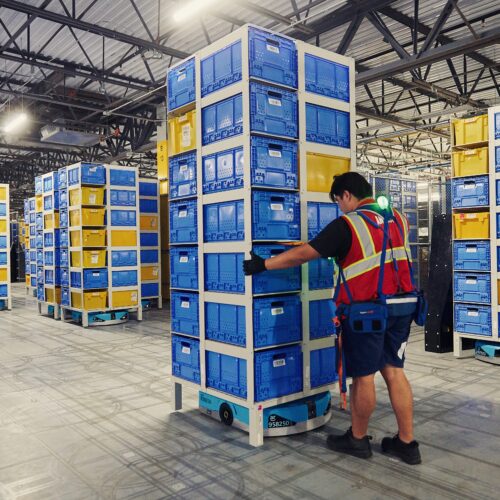
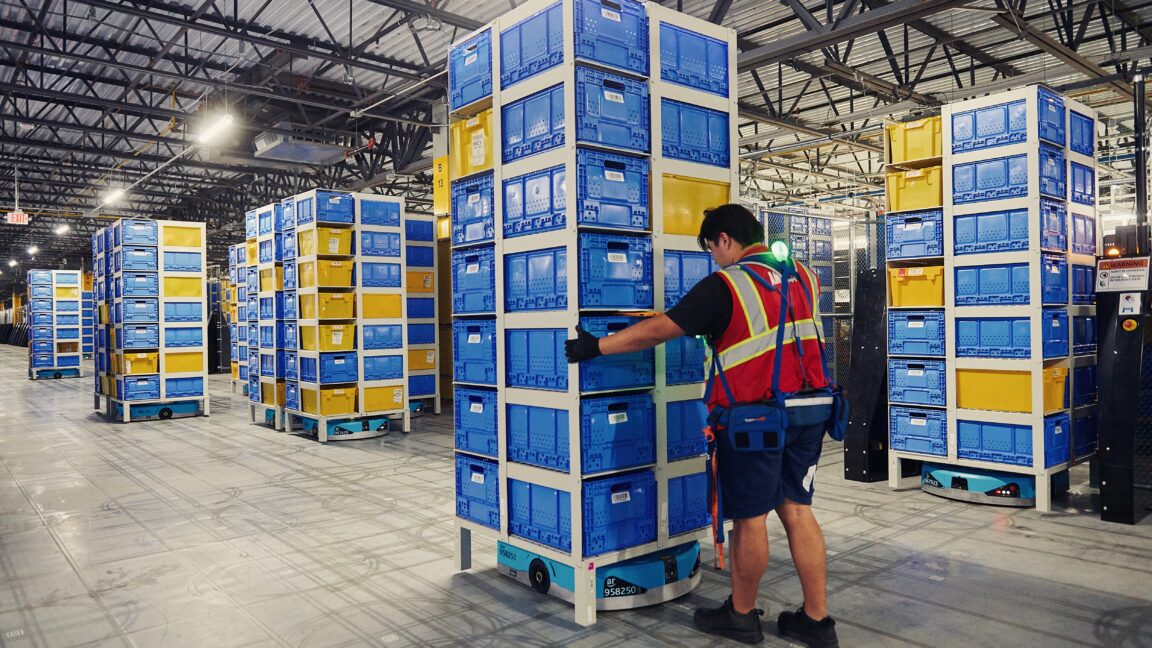
No organization in the world operates more robots than Amazon. The company already has more than 1 million robots working in warehouses around the clock to make tens of millions of same-day and one-day package deliveries happen on a daily basis—and Amazon is poised to significantly grow that robotic fleet in the coming years as it establishes new factories to churn out increasingly more capable robot workers.

Despite deploying so many robots, Amazon is also the second-largest corporate employer in the world, with more than 1.5 million full-time and part-time human workers, according to its 2025 annual report. Amazon executives say that the growing robot fleet has eased the burden on its human workforce by taking on the toughest fulfillment center tasks that carry the greatest risks of physical fatigue and injury. But labor advocacy groups and independent researchers point to evidence suggesting that warehouse automation driven by AI is not all upside for the humans who work alongside robots.

“For the last 100 years, most of the automation that we've seen usually happens away from workers—you're taking that high-risk task away from the worker, and you're doing so in a way that is not physically proximate,” Brad Greenwood, professor of business at George Mason University, told Ars. “The rise of collaborative robots really changes that dynamic for two reasons: one is that it is physically proximate, and two, the robot has the ability to dictate the pace of work.”

Read full article

Comments

© Amazon

  •  

A senator tried to ban gambling on prediction markets—now she's a Kalshi lobbyist

In July 2010, US Senator Blanche Lincoln (D-Ark.) predicted the rise of prediction markets and the problems they could cause. If not properly regulated, Lincoln warned during Senate proceedings on the Dodd–Frank Wall Street Reform and Consumer Protection Act, prediction markets could evade gambling laws by offering "event contracts" that let people place wagers on sports games.

"It would be quite easy to construct an event contract around sporting events such as the Super Bowl, the Kentucky Derby, and Masters golf tournament," Lincoln, who played a key role in making the law that now regulates prediction markets, told fellow senators. "These types of contracts would not serve any real commercial purpose. Rather, they would be used solely for gambling."

Today, Lincoln is a lobbyist for prediction market Kalshi and has urged the Commodity Futures Trading Commission (CFTC) to allow sports gambling on the markets. The firm she founded has received $480,000 from Kalshi since 2024 in exchange for lobbying Congress and the CFTC for looser regulation of event contracts.

Read full article

Comments

© Aurich Lawson | Getty Images

  •  

If you're looking, here's a "good deal" for NASA and the European Space Agency

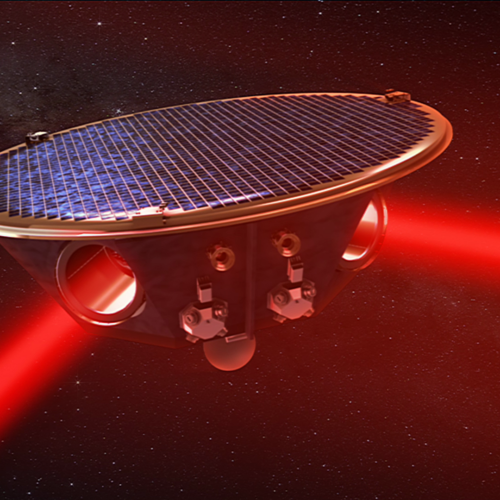
It's no surprise that NASA's new tack toward foreign partnerships—good deals only, please—is challenging preconceived notions of international cooperation in space.

Without a massive budget hike, the US space agency's emphasis on building a Moon Base and winning a competition for lunar real estate and resources with China will inevitably leave lesser priorities behind.

Gone is the Lunar Gateway, a space station that was to be assembled in orbit around the Moon. For the United States, Gateway was an unnecessary distraction and expense as NASA goes all-in on placing a surface station near the Moon's south pole.

Read full article

Comments

© AEI/MM/Exozet

  •  

Explaining Hall-effect, TMR, and other new types of "mechanical" switches

The mechanical keyboard isn't always so mechanical anymore.

Over the past six years, keyboards with optical, Hall-effect, and other "contactless" switches have become increasingly common, often going for higher prices than traditional mechanical keyboards, which already command a premium over basic membrane boards. In return, they promise some theoretical advantages, particularly for gamers. In daily use, though, the differences can be pretty subtle.

So what exactly are you paying for? In this guide, we break down how the newest switches work, why contactless designs are becoming more popular, and where their advantages—and disadvantages—really matter.

Read full article

Comments

© Scharon Harding

  •  

TCL is right to question Samsung’s use of the term “Mini LED”

What makes a display a Mini LED display?

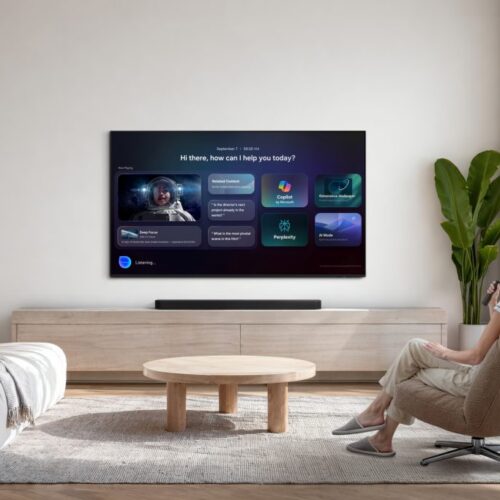
It's a question that sounds like it should have a simple answer. But it's now at the center of a lawsuit between two of the biggest names in TVs, with TCL accusing its longtime competitor Samsung of falsely advertising budget LCD-LED TVs as Mini LED sets.

TCL may have a point. Samsung's M-series TVs, which range from $300 for a 43-inch model to $2,300 for a 100-inch model, do raise some legitimate questions about what should qualify as Mini LED. More broadly, though, the dispute highlights a problem for shoppers: Without agreed-upon standards for what "Mini LED" actually means, manufacturers have plenty of room to define the technology for themselves.

Read full article

Comments

© Samsung

  •  
❌