Reading view

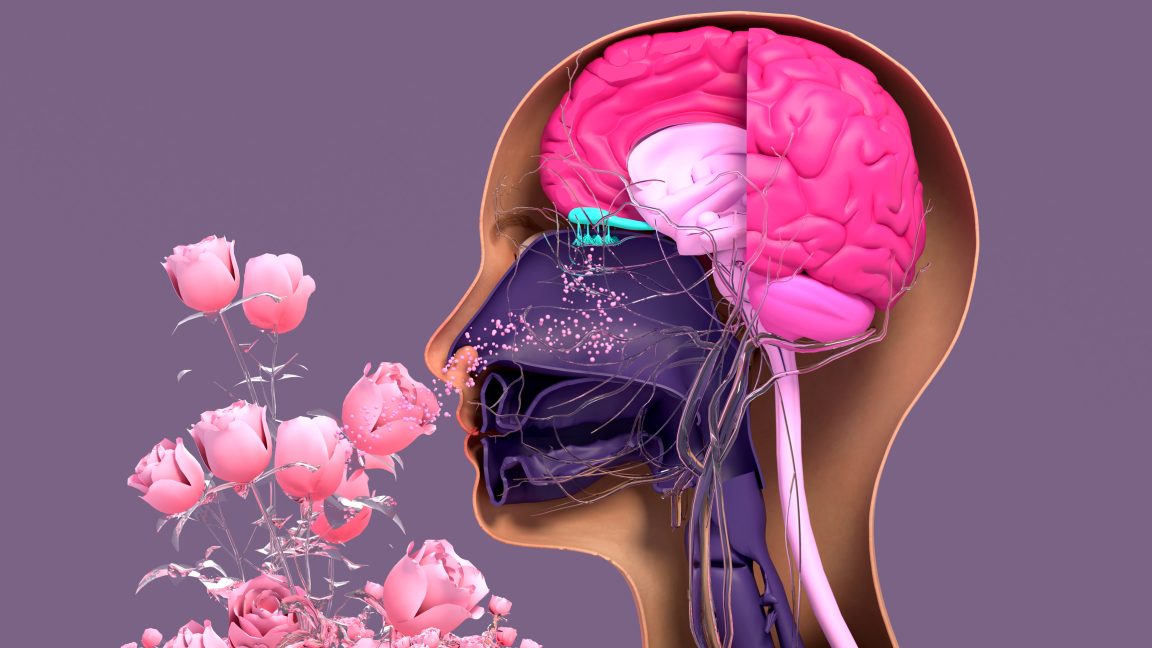
When the ability to smell goes away

About 14 years ago, Chrissi Kelly lost her sense of smell. She had traveled to the Czech Republic to visit family and caught some virus. Months later, when she still couldn’t smell, she made the rounds to doctors, including her general practitioner and an ear, nose and throat specialist, trying to find answers.

She was diagnosed with anosmia (smell loss), and like many patients with her condition, was told she’d have to learn to live with it. But for her, the loss was catastrophic. “After about six months of complete loss, I was just climbing the walls, and I did not feel like myself anymore,” she says.

Researchers estimate that up to 22 percent of the population lives with smell impairments, like hyposmia (partial smell loss) or anosmia (complete smell loss). And many others live with smell disorders like phantosmia, in which a person picks up phantom smells, or parosmia, where typically pleasant scents like coffee or shampoo begin to register as highly unpleasant (think feces or vomit). Yet the conditions have been poorly understood, underdiagnosed and often minimized by clinicians.
Read full article

Comments

© Design Cells

  •  

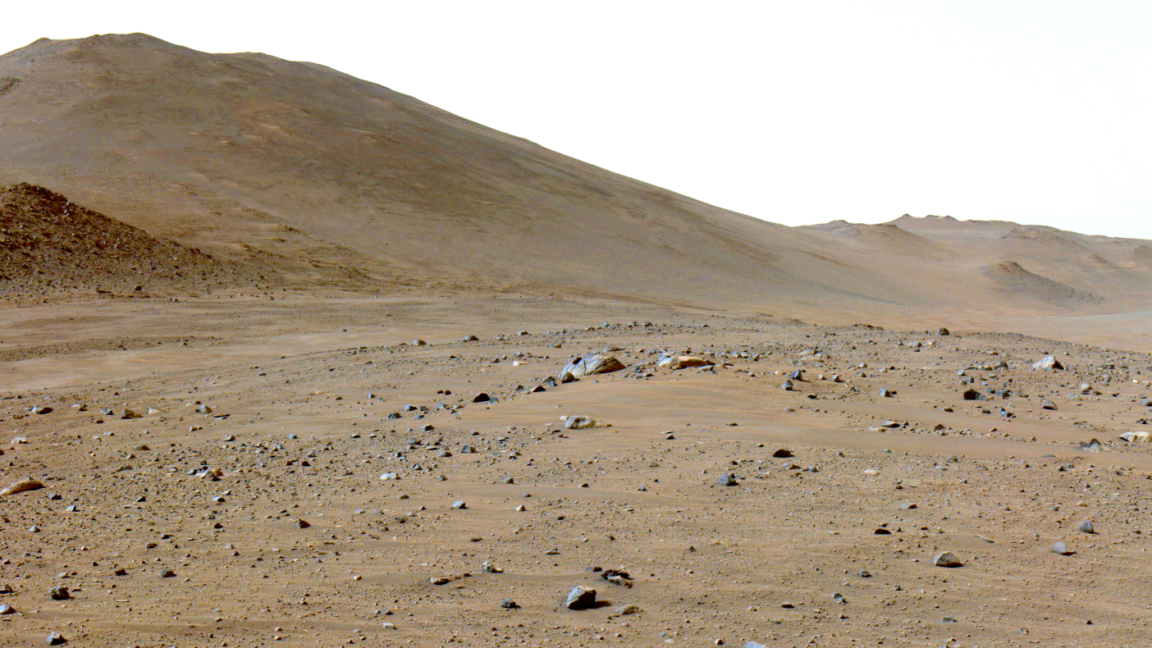
A martian rock has lots of carbon on it, and it's not clear why

NASA’s Perseverance rover has spent five years traversing Jezero Crater looking for the chemical leftovers of whatever processes were at work on Mars billions of years ago. The rover has found organic carbon, but it has mostly been inside rocks that had to be drilled or abraded to expose it. But now, at an outcrop on the edge of an ancient river channel named Neretva Vallis, Perseverance detected complex macromolecular carbon sitting right on the rock’s surface.

“To our knowledge, that’s the shallowest detection of organic matter on Martian surface to date,” said Ashley E. Murphy, a researcher at the Planetary Institute in Tucson, Arizona, and lead author of the study of the rock, which was found at a site called Bright Angel. On Earth, this much macromolecular carbon usually suggests a biological origin. But to learn what this Bright Angel carbon is and where it came from, we might need to bring samples back to Earth.

Carbon on the rocks

The detection of Bright Angel carbon came from SHERLOC (Scanning Habitable Environments with Raman and Luminescence for Organics and Chemicals), a UV Raman spectrometer fitted on Perseverance’s robotic arm. SHERLOC fires a deep-ultraviolet laser at a target and reads the light that bounces back at shifted energies, a signal that enables scientists to identify specific molecular bonds.

Read full article

Comments

© NASA/JPL-Caltech

  •  
❌