❌

Reading view

What is the oldest American object ever launched into space?

Did you know that the space shuttle once launched the Statue of Liberty into space?

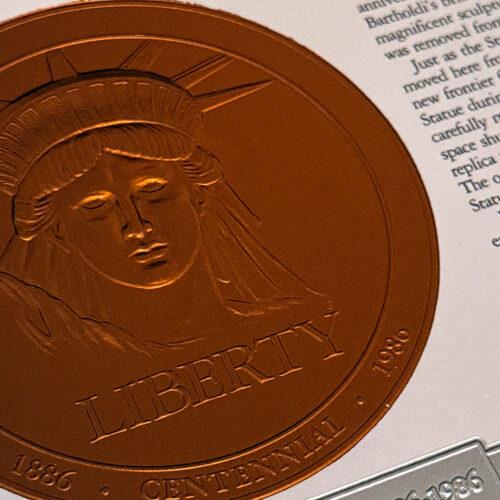
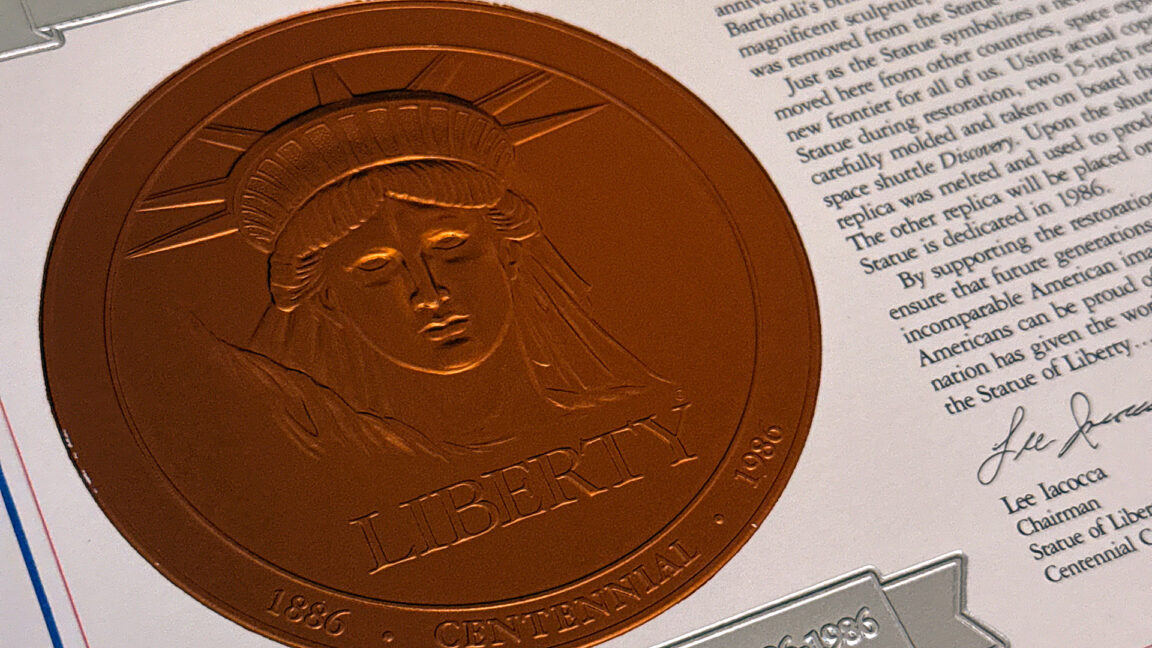
In fact, there were two "Lady Liberties" on board Discovery when it lifted off on its fourth flight in April 1985. To be fair, each statue was only 15 inches tall (38.1 centimeters), but they were also each made of copper that was removed from the full-size statue during its then-still-ongoing restoration.

After the weeklong STS-51D mission was over, one of the space-flown statues was placed on display, and the other was melted down to create copper seals, which were then sold to the public by the Statue of Liberty Ellis Island Centennial Commission.
Read full article

Comments

Β© collectSPACE.com

  •  

Katalyst's satellite rescue mission is now in pursuit of NASA's Swift

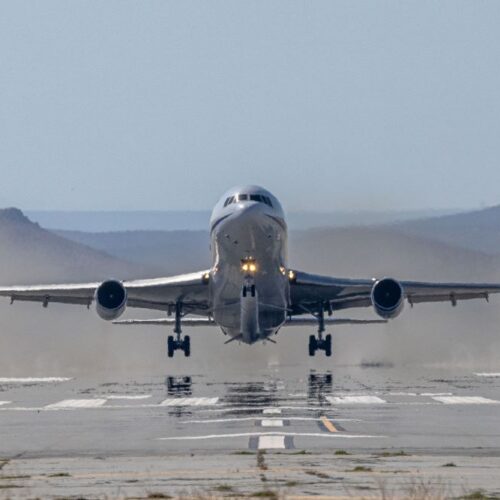
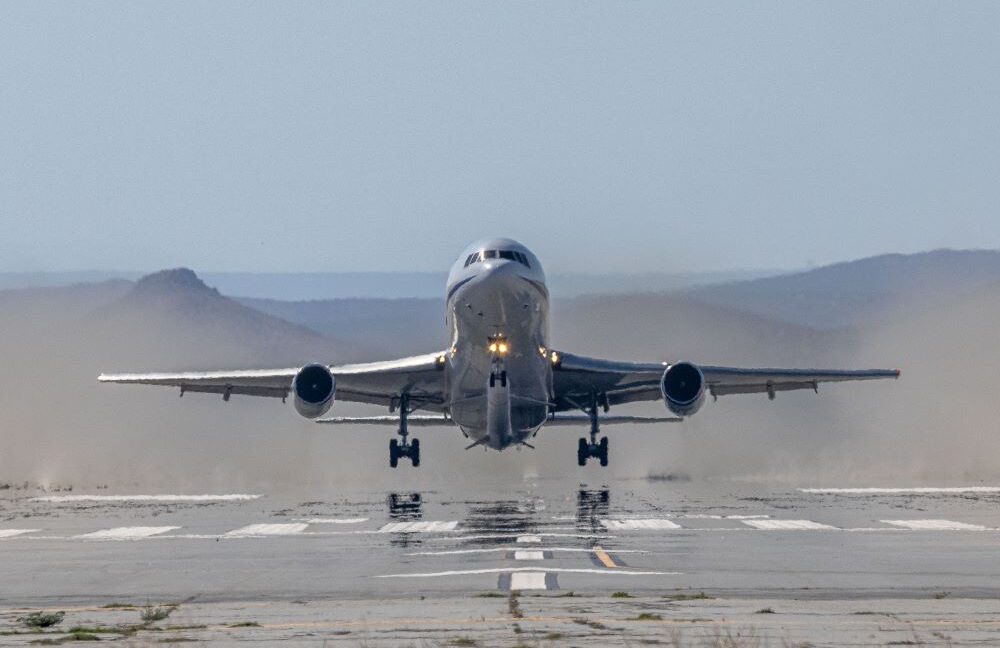
High above the remote Pacific Ocean, about halfway between Hawaii and the northernmost part of Australia, an air-launched rocket fired into space on Independence Day weekend to kick off a weekslong pursuit of a NASA astronomy satellite perilously close to falling out of orbit.

The endeavor to rescue NASA's Swift satellite is the first mission of its kind. NASA put out a call for commercial companies less than a year ago to propose how they could rapidly build and launch a small satellite to latch onto the Swift spacecraft and boost its altitude so that it doesn't come down in a few months.

Katalyst Space Technologies responded with the best offer. NASA awarded the company a contract last September to build and launch a mission to rescue Swift. A little more than nine months later, Katalyst's nearly half-ton Link satellite is safely in orbit. For anyone who follows the space industry, building, testing, and launching a functioning first-of-its-kind satellite of that size in less than a year is a remarkable achievement; it would usually take several years.

Read full article

Comments

Β© Northrop Grumman

  •  

Katalyst's satellite rescue mission is now in pursuit of NASA's Swift

High above the remote Pacific Ocean, about halfway between Hawaii and the northernmost part of Australia, an air-launched rocket fired into space on Independence Day weekend to kick off a weekslong pursuit of a NASA astronomy satellite perilously close to falling out of orbit.

The endeavor to rescue NASA's Swift satellite is the first mission of its kind. NASA put out a call for commercial companies less than a year ago to propose how they could rapidly build and launch a small satellite to latch onto the Swift spacecraft and boost its altitude so that it doesn't come down in a few months.

Katalyst Space Technologies responded with the best offer. NASA awarded the company a contract last September to build and launch a mission to rescue Swift. A little more than nine months later, Katalyst's nearly half-ton Link satellite is safely in orbit. For anyone who follows the space industry, building, testing, and launching a functioning first-of-its-kind satellite of that size in less than a year is a remarkable achievement; it would usually take several years.

Read full article

Comments

Β© Northrop Grumman

  •  

There were not one, but two asteroid encounters this weekend

As the United States of America celebrated its 250th birthday on terra firma with fireworks displays this weekend, two Asian countries made some splashes of their own farther from Earth.

On Sunday, an aging Japanese spacecraft named Hayabusa2, which completed its initial sample-return objective more than half a decade ago, found success with an extended mission that saw the vehicle fly by a peanut-shaped asteroid named Torifune.

Hours later, the Chinese space agency released images from a spacecraft, Tianwen-2, arriving at its target asteroid following a journey of 1 billion km. At this small asteroid, the Chinese spacecraft will attempt to retrieve samples and return them to Earth late next year.

Read full article

Comments

Β© JAXA

  •  
❌