Reading view

The newest entrant in the military’s launch competition isn't actually a launch company

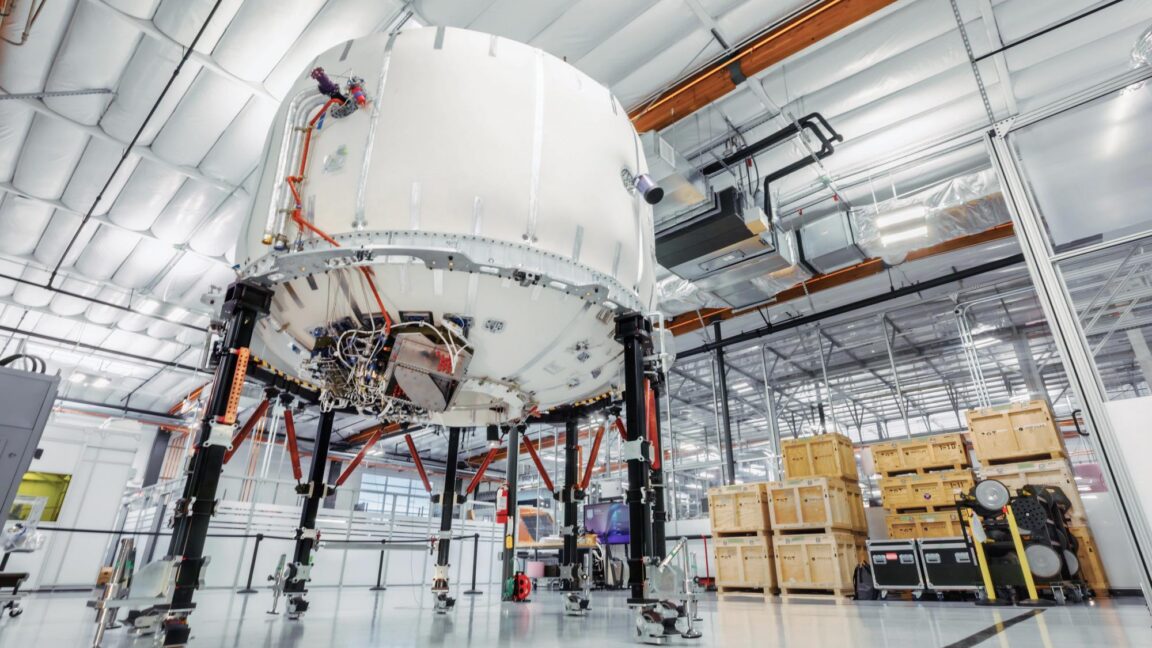
This week the US Space Force brought two more companies into the pool of bidders eligible to compete for its launch contracts—Impulse Space and Relativity Space. For a rocket company, cracking into the lucrative US military launch market is both a sign of maturity, as well as an important source of revenue.

The inclusion of Relativity Space, which is making credible progress toward the launch of its heavy-lift Terran R rocket, is perhaps not a huge surprise. Under the leadership of former Google chief executive Eric Schmidt, the company has continued to work toward bringing the partly reusable rocket to the launch pad.

The addition of Impulse Space, however, was something of a surprise. The company specializes in building spacecraft for in-space operations, rather than launching from Earth.
Read full article

Comments

© Impulse Space

  •  

Payloads used to dictate the terms of launch. That's finally changing.

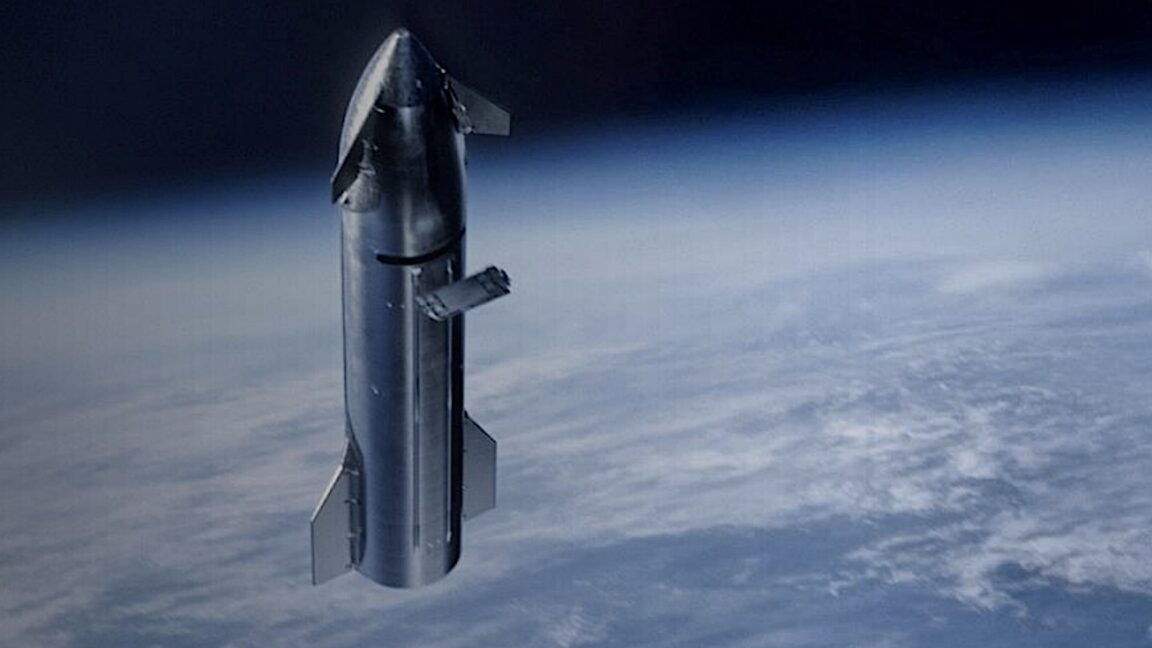
It wasn't easy to find anyone outside of SpaceX clamoring for a rocket like Starship just 10 years ago. Today, the space industry can't wait for Starship to finally deliver.

With a payload capacity of more than 100 metric tons (220,000 pounds) to low-Earth orbit, SpaceX's new rocket is changing the thinking of just about everyone in the space industry. With the unrealized but potentially game-changing benefits of refueling, Starship could carry the same amount of payload to higher orbits, the Moon, or Mars.

It's important to note that Starship is still very much in its experimental phase, far from proving Elon Musk's loftiest claims about what it can do. Still, NASA and the US military are considering novel ways to use Starship to fly to the Moon or transport cargo to far-flung war zones. Scientists are eager to use its enormous volume to launch giant space telescopes. Competitors are taking notice. China, the strongest strategic adversary America has ever faced, is looking for its own Starship. Now, some US satellite manufacturers are adapting for the substantial capacity of the world's most powerful rocket.

Read full article

Comments

© SpaceX

  •  
❌