❌

Reading view

Google-backed satellites for wildfire detection launch as smoke chokes US, Canada

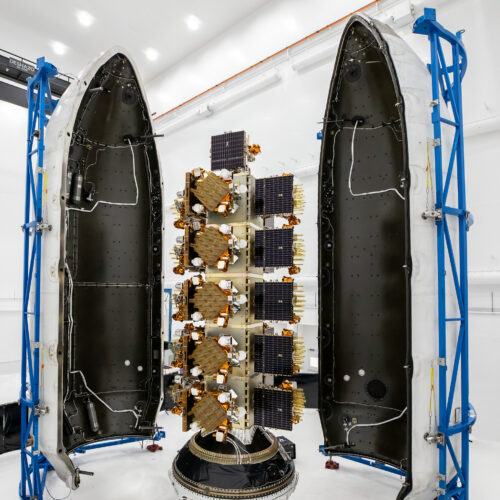
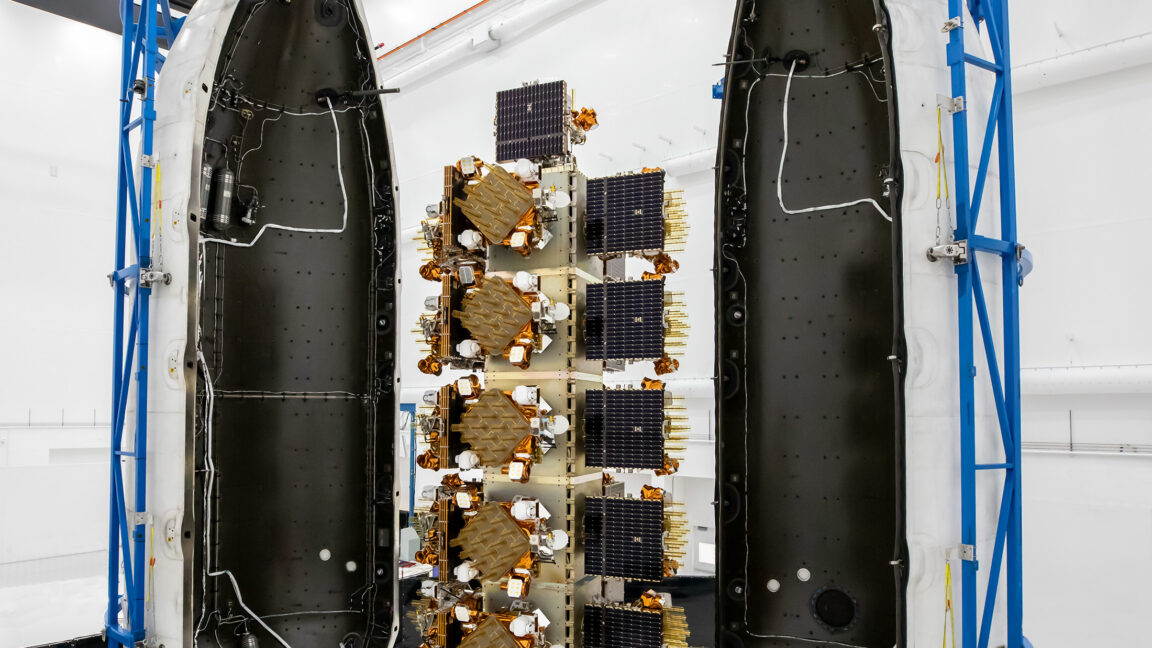
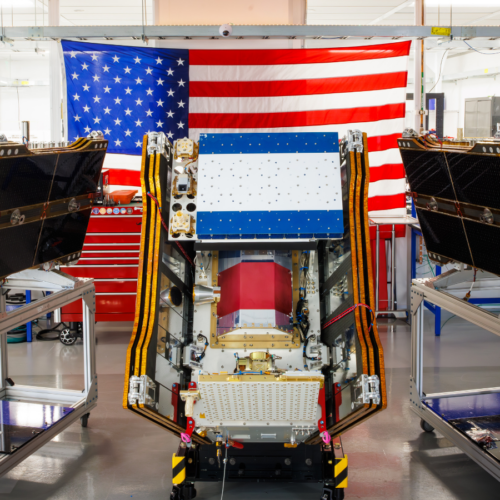
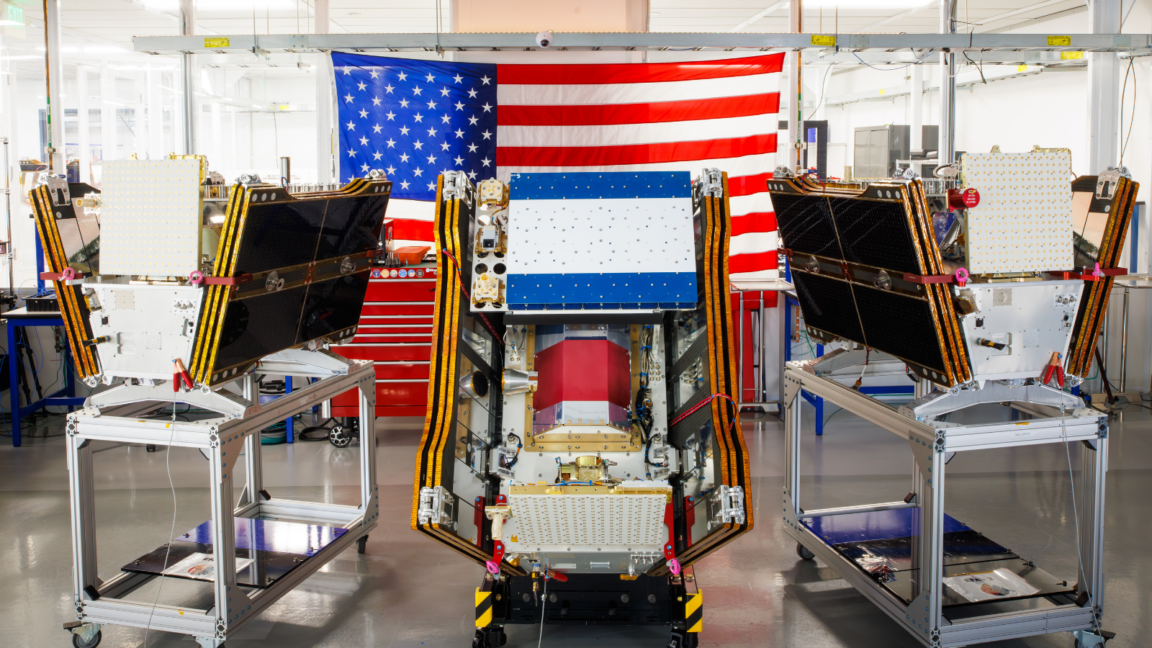
As smoke from hundreds of burning wildfires spread across Canada and the United States, the first three operational satellites in the Google-backed FireSat program successfully launched into orbit. The satellites will begin providing wildfire detection capable of spotting even small fires in the United States, Australia, and Europe before the end of the year.

The launch of the microsatellites aboard a SpaceX Falcon 9 rocket from Vandenberg Space Force Base in California on July 7, 2026 marks a transition to β€œinitial operational capability” for the FireSat constellation managed by the nonprofit Earth Fire Alliance. After a three-month testing period, the three satellites will begin actively providing data to fire agencies while covering every fire-prone region on Earth at least twice per day.

FireSat represents the first satellite constellation purpose-built for detecting wildfires, including spotting smaller fires that other satellites may miss. The satellites were designed by California-based satellite manufacturer Muon Space and have received over $15 million from Google to support initial deployment. Other notable financial supporters include the Bezos Earth Fund that committed $26 million.
Read full article

Comments

Β© Muon Space

  •  

The Pentagon's Space Development Agency hasn't moved as fast as anyone would like

The Space Development Agency was established in 2019 to help speed up the deployment of US military space systems by sidestepping the Pentagon's traditional sluggish bureaucracy.

Seven years later, SDA is finally launching its first batches of operational satellites, just as the Pentagon plans to shutter the semi-autonomous agency and fold it back into the Space Force's procurement pipeline, newly reorganized under several program acquisition executives in a bid to streamline weapons buying.

SDA's fate is not a surprise, and lawmakers in both houses of Congress have backed the agency's closure in drafts of this year's National Defense Authorization Act.

Read full article

Comments

Β© SpaceX

  •  

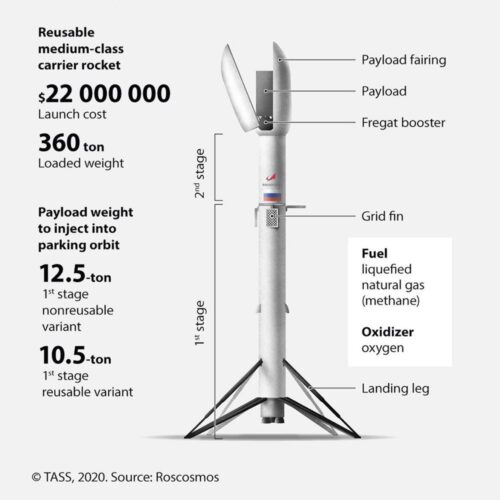
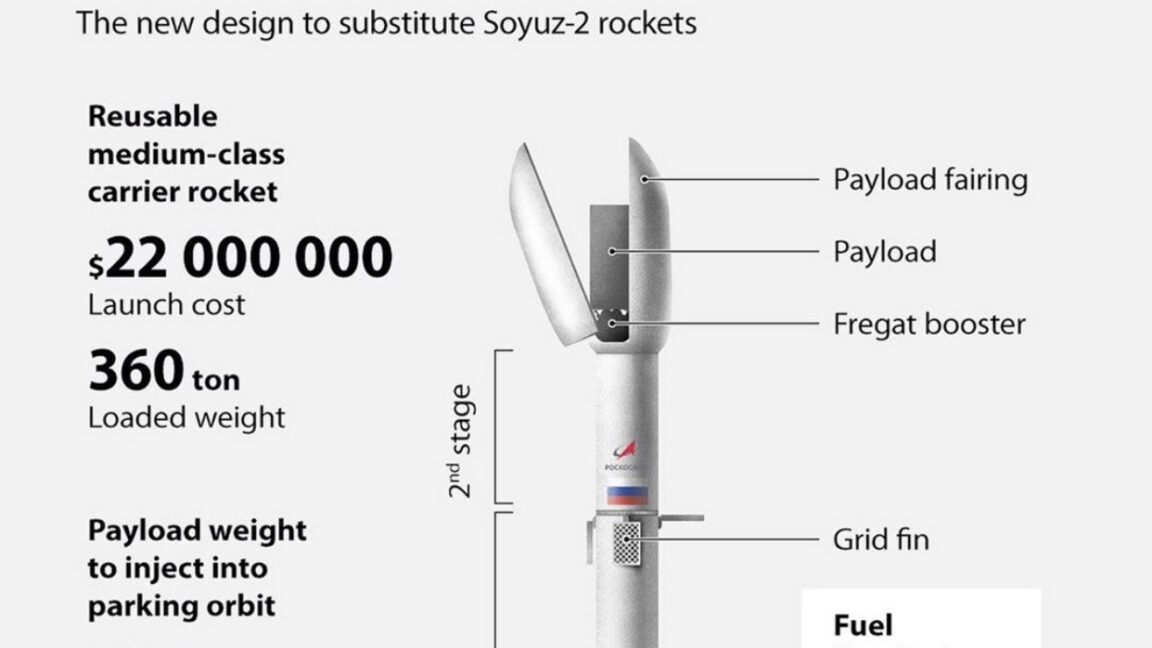
Will Russia's answer to the Falcon 9 rocket ever take flight?

Everyone seems to be launching and landing rockets these days.

Last week, China joined the club of countries that have launched an orbital mission and brought its booster safely back to Earth, which is just the beginning of public and private ventures in that country aggressively pushing into rocket reuse. Also in Asia, Japan's space agency has been conducting hop tests, and Honda recently performed vertical reuse tests.

In the United States, of course, SpaceX launches and lands reusable rockets every few days. Blue Origin, although its New Glenn booster is temporarily grounded, has also demonstrated the ability to both land and re-launch a large orbital booster. Other US companies, including Stoke Space, Rocket Lab, and Relativity Space, are all making credible progress toward partially or fully reusable rockets.

Read full article

Comments

Β© GK Launch Services

  •  

Rocket Report: India's Vikram-1 nears debut flight; AST to become rocket company?

Welcome to Edition 9.03 of the Rocket Report! SpaceX counted down all the way to T-0 on Thursday evening in South Texas before a handful of Raptor engines decided not to light at ignition of the rocket. It is not clear whether the vehicle can be worked on at the pad, or whether Starship will need to be de-stacked before this can occur. In any case, a few days delay beats a significant issue in flight.

As always, we welcome reader submissions, and if you don't want to miss an issue, please subscribe using the box below (the form will not appear on AMP-enabled versions of the site). Each report will include information on small-, medium-, and heavy-lift rockets as well as a quick look ahead at the next three launches on the calendar.

Vikram-1 rocket gets a launch date. The debut launch attempt by Skyroot Aerospace of its Vikram-1 rocket is now set for July 18, at 11:30 am local time in India. This will be the first time a commercial rocket developed in India attempts to reach orbit. Designed to carry small satellites weighing up to 350 kg to low-Earth orbit, Vikram-1 is targeting a 450 km orbit at a 60-degree inclination.

Read full article

Comments

Β© SpaceX

  •  

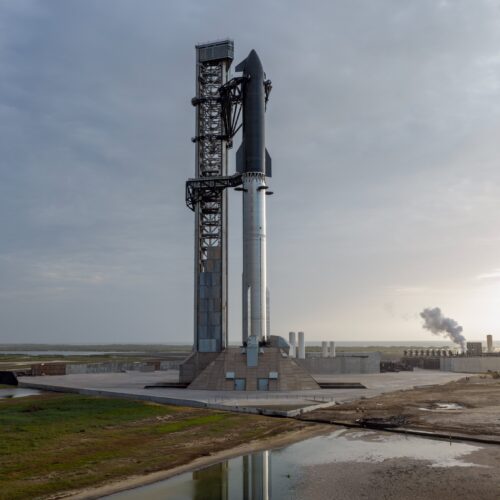
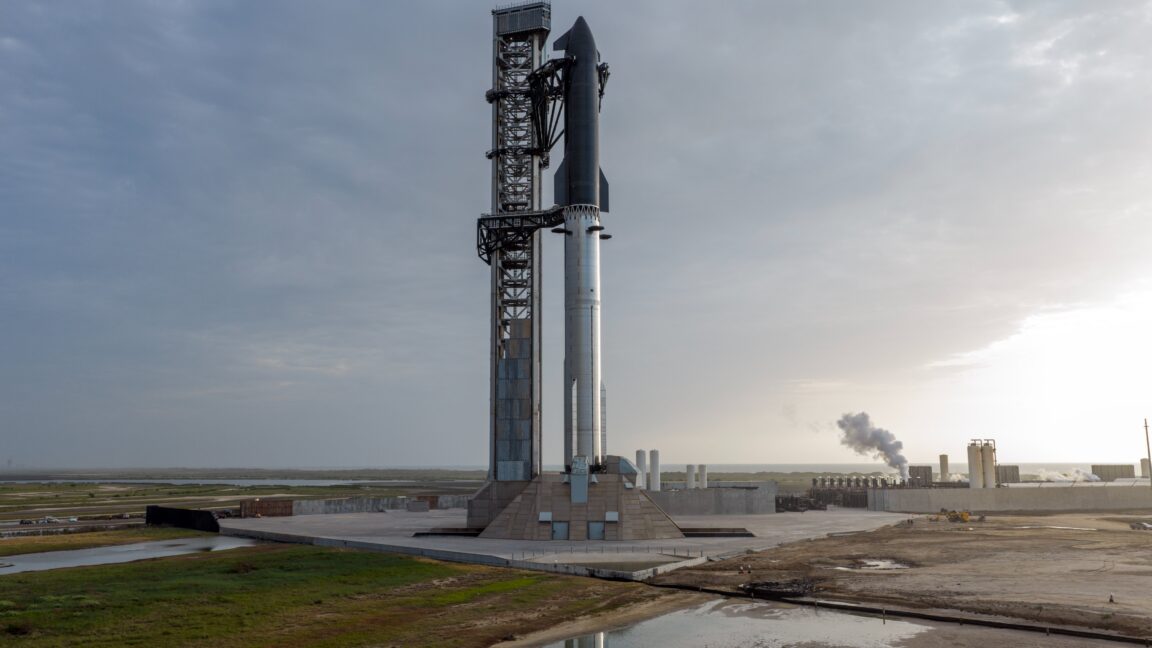
SpaceX scrubs Starship launch after some of its engines didn't start

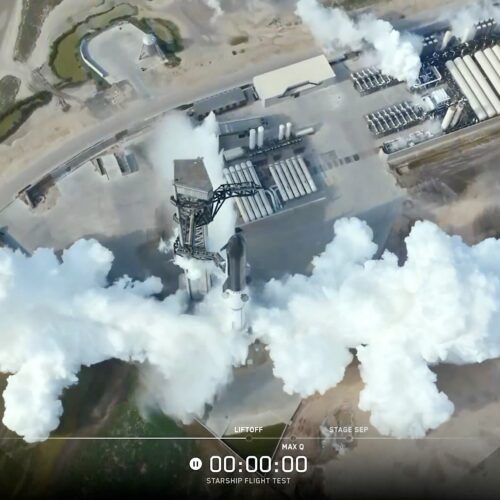
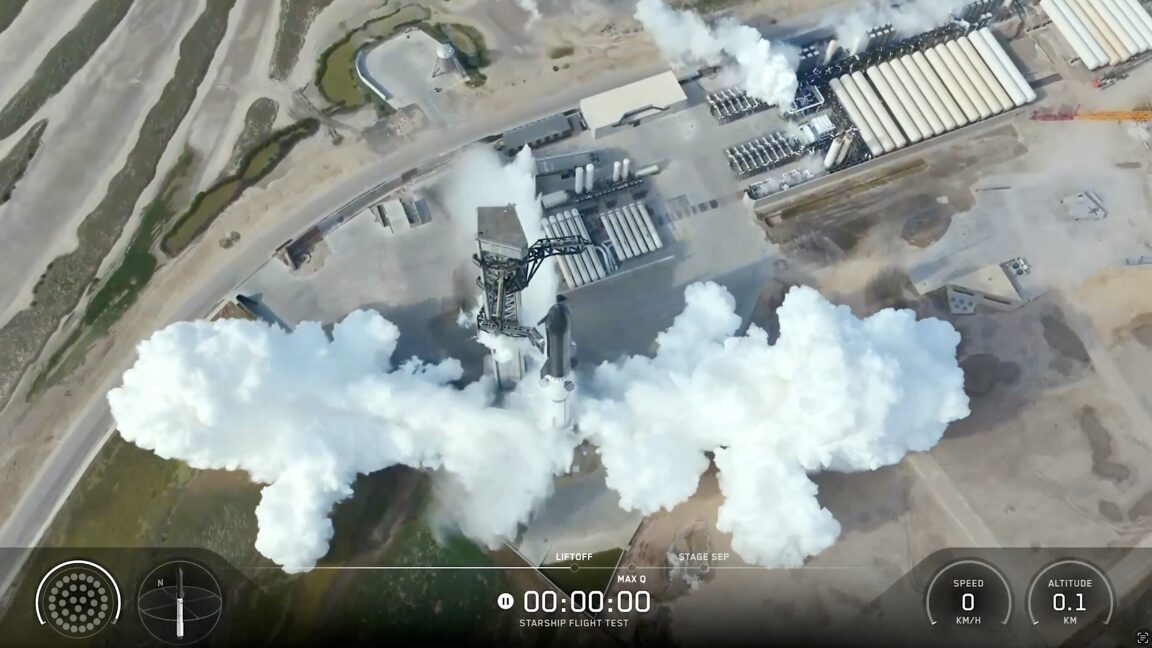
SpaceX called off a test flight of its powerful Starship rocket and Super Heavy booster as the countdown clock reached zero Thursday at the company'sΒ spaceport in South Texas.

The launch team at Starbase, Texas, just north of the US-Mexico border, aimed to launch the more than 400-foot-tall rocket at 5:45 pm local time (6:45 pm EDT; 22:45 UTC). The countdown proceeded smoothly throughout the day, culminating in the loading of more than 11.5 million pounds of liquid methane and liquid oxygen into the two-stage rocket.

But the computers controlling the countdown called an abort during the Super Heavy booster's engine startup sequence. SpaceX scrubbed the launch attempt, and engineers began preparations to drain the rocket's propellant tanks. Officials did not immediately announce when they plan to try to launch again.

Read full article

Comments

Β© SpaceX

  •  
❌