Reading view

Let Tom Hiddleston be your guide to Pompeii's final day

When Mount Vesuvius erupted in 79 CE, it spewed molten rock, pumice, and hot ash over the cities of Pompeii and Herculaneum, killing thousands of people. It's one of the most famous natural disasters in human history, so naturally there have been countless documentaries about Pompeii (and at least one popular song). But only one features actor Tom Hiddleston taking on the role of a "time detective" to bring the people of Pompeii to vivid life. That would be National Geographic's new three-part docuseries, Pompeii: Out of Time.

The Marvel connection made Out of Time happen. Executive producer Kevin Wright was also a producer on the Disney+ series Loki, which included a scene where Hiddleston's Loki travels through time to visit Pompeii. Hiddleston also studied classics at Cambridge University and had visited the Pompeii archaeological site as a teenager, which the Marvel star attributes to indirectly influencing his career path into acting.

"There is just a passion to the way Tom tells stories that's infectious," Wright told Ars. "We knew that if we could capture that and put it into [the series], it might interest people who wouldn't normally want to watch a documentary about Pompeii. "


Read full article

Comments

© National Geographic/Paolo Verzone
  •  

Naked mole-rat queens use a chemical signal to suppress fertility in rivals

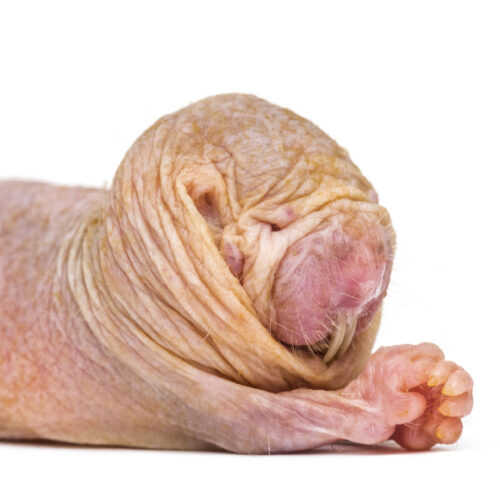
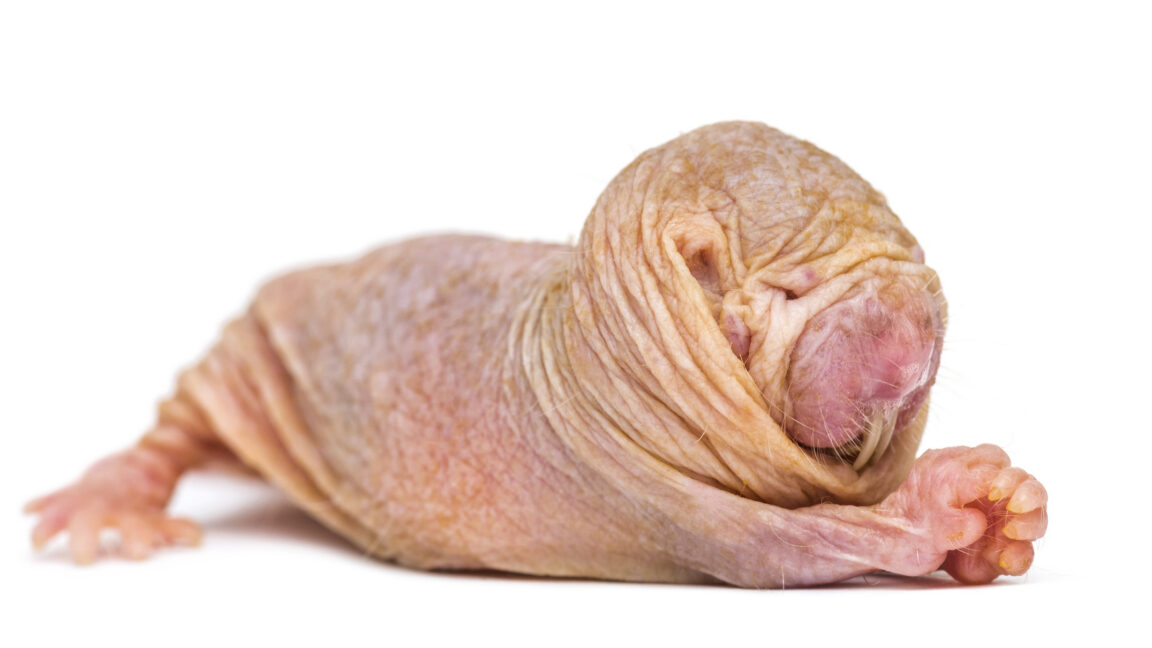
Naked mole rats are weird. They spend their lives almost entirely underground, are largely insensitive to some kinds of pain, can persist without oxygen for a long time, rarely develop cancer, and can live past 30 years, which is decades longer than similarly sized rodents. They are also eusocial, like ants, bees, or termites—in a colony that can hold more than a hundred animals, only one female, the queen, breeds.

We didn’t know how exactly naked mole-rat queens stop other females from breeding. For a long time, our leading hypothesis was bullying and violence, but that may be a bit impractical, given their kingdoms are vast networks of tunnels that can stretch for up to three kilometers. But now a team of Lewin Lab scientists at Max Delbrück Center for Molecular Medicine in Berlin discovered it’s actually just one part of a sophisticated olfactory signaling program.

Running on smell

"It's very clear that mole rats actually have quite big noses and smell a lot," says Gary Lewin, a neurobiologist at the Max Delbrück Center for Molecular Medicine and senior author of the study. Naked mole rats have around 1200 olfactory receptor genes, more than mice (which have roughly 1,000 of them) and way more than the few hundred in humans. They're also blind. "They have to be able to navigate and move around without vision, so smell is one of those things that’s enhanced," Lewin said.

Read full article

Comments

© imageBROKER/Eric Isselee

  •  
❌