โŒ

Reading view

SpaceX describes surgical intervention before launch of latest crew mission

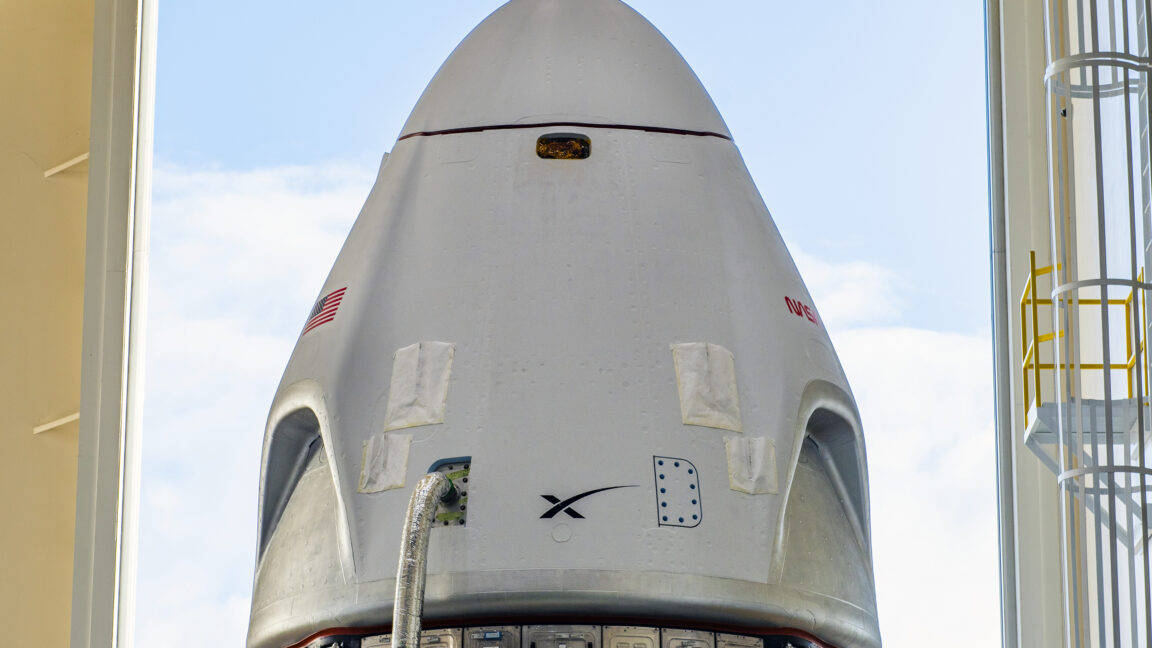
A four-person crew rocketed into orbit Thursday from Cape Canaveral Space Force Station, Florida, heading for a six-month expedition on the International Space Station.

Riding a Falcon 9 rocket and Dragon spacecraft, the four crew members departed from Space Launch Complex-40 at Cape Canaveral at 11:10 am EDT (15:10 UTC) Thursday. Nine minutes later, they were in orbit to begin closing in on the space station for docking Thursday evening.

The launch was delayed from mid-September to replace a balky valve in the Dragon spacecraft's propulsion system, a task that involved cutting into a propellant line inside the ship to swap out a faulty component.
Read full article

Comments

ยฉ SpaceX

  •  

As US relations fray, Canada gets serious about its own launch industry

A year or two ago, a few Canadian launch companies were trying to develop small rockets, but if we're being frank, the industry was not particularly notable. Sure, something interesting might eventually happen, but no one outside of a few Canadian space geeks was paying much attention.

But then the Trump Administration started threatening and instituting tariffs. There was talk of making Canada the 51st state. And pretty much every Canadian I know began telling me how enraged they were at their neighbors to the south. It's hard to blame them.

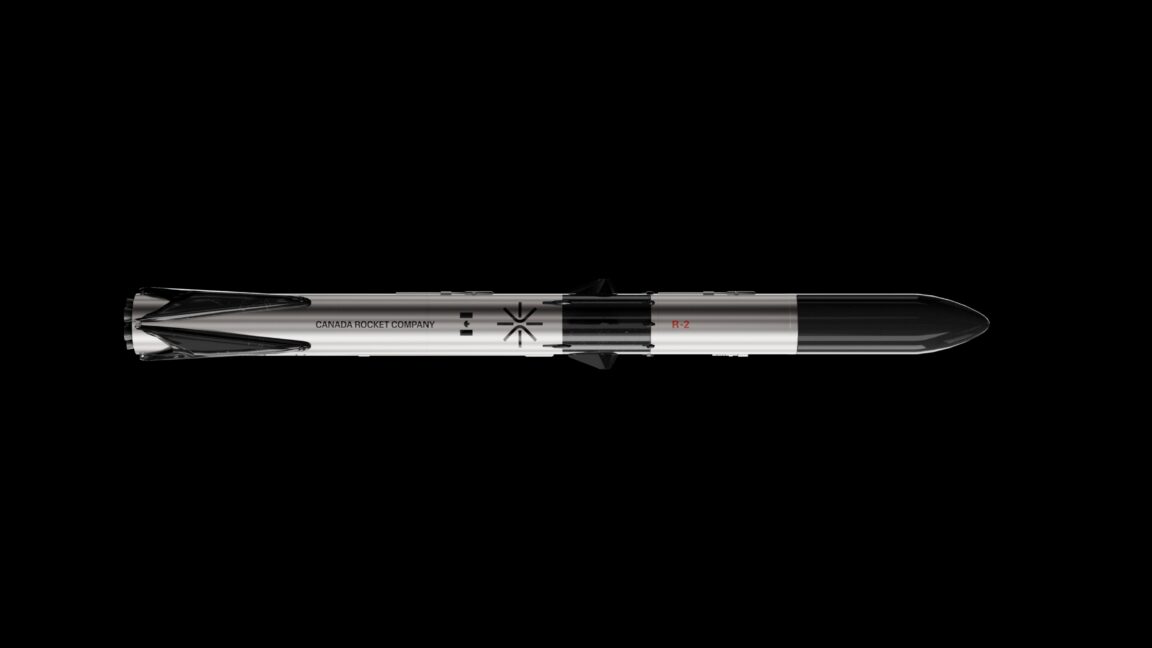
This has led the Canadian government to reassess all manner of areas where it had previously been happy to rely largely on the US government and American companies for goods and services. This included sovereign access to space. So this spring, the government announced the first awards to three companiesโ€”NordSpace, Reaction Dynamics, and Canada Rocket Companyโ€”to support work on rockets with "light lift" capability.

Read full article

Comments

ยฉ Canada Rocket Company

  •  

NASA squeezed Treasury, vibe coded, and broke the mold in bid to save Swift

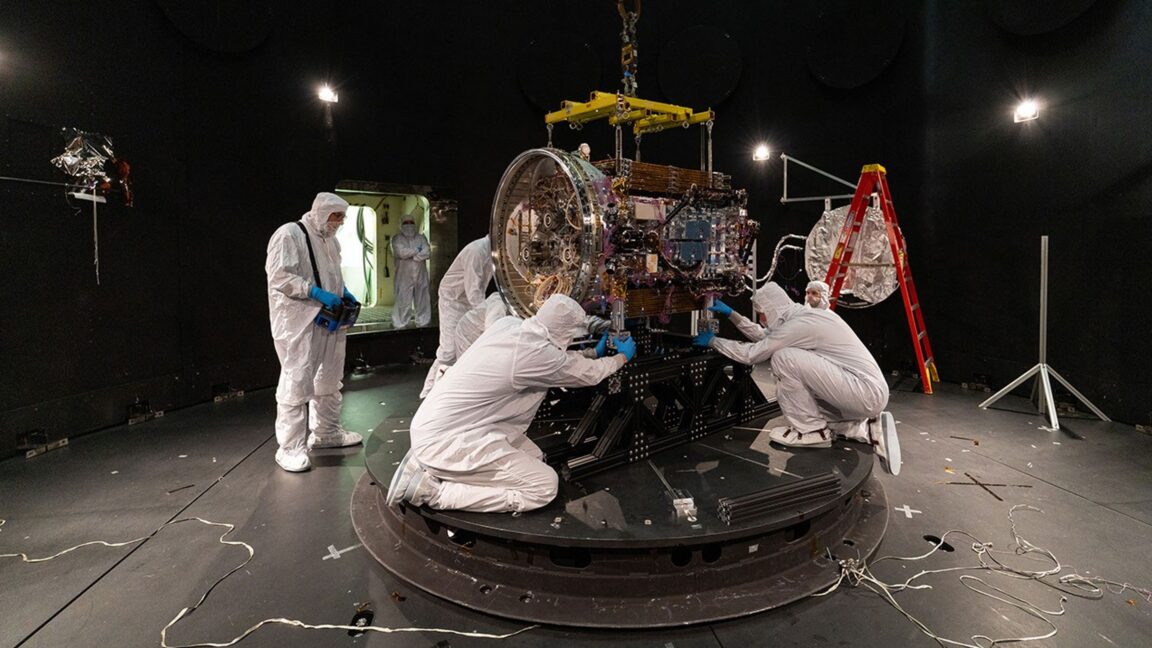
An attempt to save NASA's $500 million Neil Gehrels Swift Observatory from dropping out of orbit fell short, but the behind-the-scenes machinations required just to make a rescue possible deserve recognition, government and commercial space officials said in a recounting of the mission.

The rescue mission was developed by Katalyst Space Technologies, working under a $30 million contract awarded by NASA last September. NASA gave Katalyst nine months to build and launch a satellite to capture Swift flying some 200 miles above the Earth and boost it into a higher orbit.

Katalyst's rescue spacecraft, known as Link, successfully launched July 3 and completed some of its initial checkouts before a malfunction caused it to spin out of control a few weeks later. NASA announced in August that Link would not be able to reach Swift as intended, and the rescue mission was aborted.

Read full article

Comments

ยฉ NASA/Sophia Roberts

  •  
โŒ