❌

Reading view

Cable lobby to sue Trump FCC over repeal of national TV ownership cap

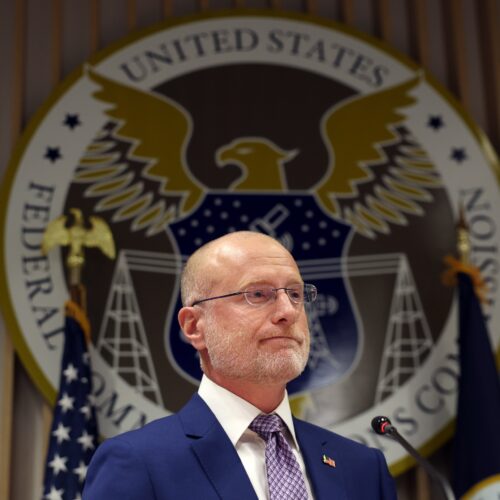
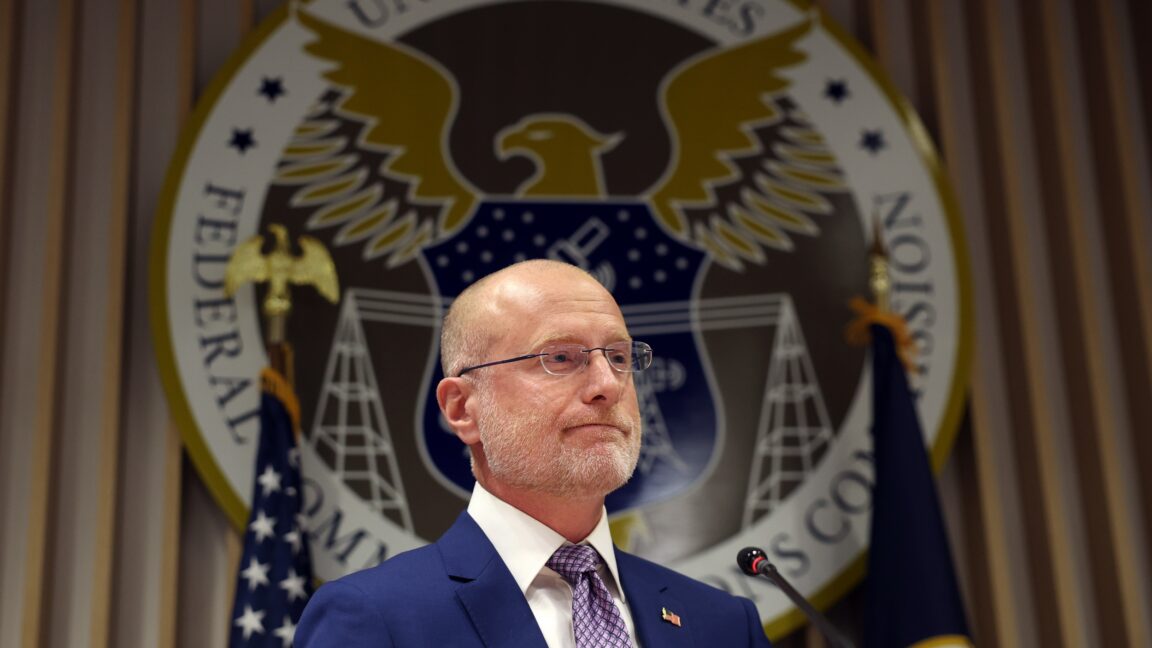
Cable lobby groups notified the Federal Communications Commission that they will sue the agency to block its controversial repeal of the National Television Ownership Rule, which limits the number of broadcast TV stations a single company may own.

The cable groups said that larger broadcast TV station groups will have leverage to demand higher retransmission fees from TV providers, resulting in "higher monthly TV bills for consumers." They said the FCC repeal order "arbitrarily and capriciously ignores the harms that will surely follow from allowing broadcast station groups to exceed the National Cap."

The cable lobby groups represent top providers Comcast, Charter, and various other cable operators. Top cable companies have also expanded through mergers. Charter completed a purchase of Cox in August after the FCC rejected protests by advocacy groups that said the cable deal "would create unchecked gatekeeper power over Internet distribution" and make it easier for the biggest cable companies to raise prices.
Read full article

Comments

© Getty Images | Kevin Dietsch

  •  

Texas city demands $2M for public records on Flock usage

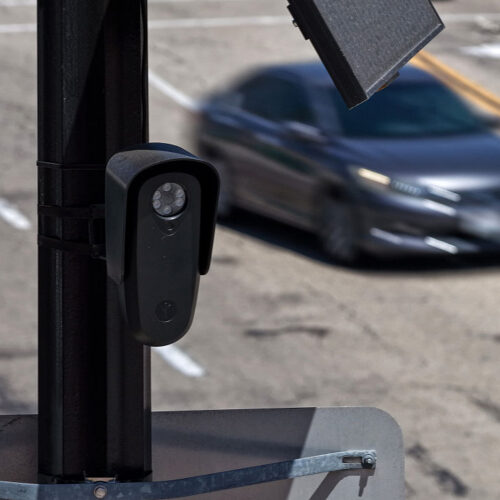
As bipartisan backlash against Flock grows, some cities are asking anti-surveillance advocates and media outlets to pay eye-popping fees—including charging tens of thousands or even millions—to get information about how police departments are using and potentially abusing AI-enabled camera systems that track every vehicle that passes them.

On Monday, the Texas Tribune reported that city officials in a Fort Worth suburb, North Richland Hills, asked one group to pay $2.3 million before it would fulfill a public records request for Flock data. To reach that high fee, officials claimed that searching “about a terabyte worth of communications about errors, misuse, and effectiveness of the Flock system” would take approximately 14 years of labor at a rate of $15 per hour.

Phil Mynona, who filed the request using a pseudonym on behalf of his group, the Texas Privacy Coalition, told the Tribune that the fee seemed “ludicrous” and designed to stifle his public records searches.

Read full article

Comments

© Justin Sullivan / Staff | Getty Images News

  •  
❌