❌

Reading view

Accused OpenAI spy had folder called “Saudi Gov Docs,” FBI says

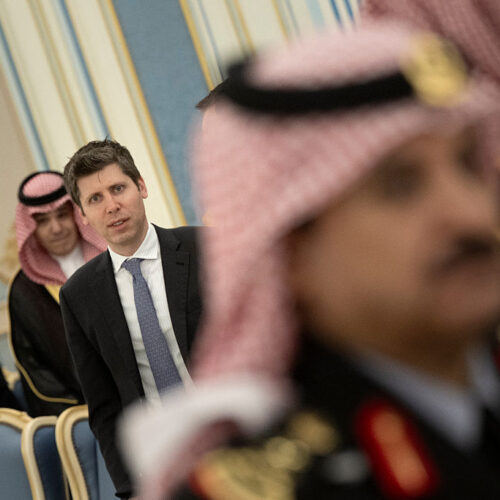
On Monday, a court granted the US government's request to deny release of a former OpenAI engineer accused of bugging a top-secret conference room to steal the frontier lab’s secrets.

In a court filing Sunday, US attorney Craig Missakian argued that Abdulrahman Alfozan must continue to be detained while the US makes its case that Alfozan brazenly spied on OpenAI, either for his own personal business gain or to benefit the Kingdom of Saudi Arabia.

Evidence showed that Alfozan had been chatting with a member of the KSA royal family on WhatsApp, while pursuing opportunities to permanently move back to Saudi Arabia during the country's biggest AI push yet, the government argued. Shortly before his arrest, the FBI found he accessed a folder called "Saudi Gov Docs" on his iPhone, where he also allegedly stored photos of a second bug he planted in the offices.

Read full article

Comments

© BRENDAN SMIALOWSKI / Contributor | AFP

  •  

AI game clones are making indie developers afraid to show their work

Since its earliest days, the video game industry has been built on developers creating clones of competing games, with varying levels of originality and varying levels of enforcement from game platforms. Now, though, AI coding tools are making that cloning process so efficient that many developers are getting extremely cautious about sharing their early work too widely.

Developer Alliance Arts highlighted this trend over the weekend, delaying the launch of a planned public demo for its demon-themed Russian Roulette drinking game Drunken Goddess Reflux, which had been set to go live with today's launch of Steam Next Fest.

In a post on social media Friday evening, the Alliance Arts team wrote that, in addition to concerns about managing streaming restrictions, "we're concerned that the demo's content could be used to quickly imitate or replicate the game's presentation and gameplay with AI or other tools and that such works could be released before our launch."

Read full article

Comments

  •  

Disney found a way to buy Character.AI without buying its lawsuits

This week, Character.AI declared bankruptcy. While some saw the fall of a chatbot platform as a harbinger for the industry, court filings indicate that the decision was actually a key part of a deal that has let Disney hire most of Character.AI’s staff—including its now former CEO Karandeep Anand—potentially acquire most of Character.AI’s technology, and avoid the beleaguered startup’s many legal liabilities and obligations.

In the past few years, Character.AI has faced multiple private lawsuits over the safety of its chatbots, as well as investigations from regulators around the world. In a declaration filed as part of the bankruptcy, Character.AI’s newly appointed CEO explained that the goal of the bankruptcy was to reach a “consensual resolution” with personal injury claimants and a group of states investigating the company, while maximizing the value of the company’s assets for shareholders.

The Disney deal seems to be structured so that whatever is left of Character.AI will retain responsibility for those legal battles, some of which are still ongoing.

Read full article

Comments

© Getty Images | NurPhoto

  •  
❌