❌

Reading view

Russian spacecraft maneuvers in "extreme proximity" to satellite used by Ukraine

A Russian military satellite maneuvered in "extreme proximity" of a commercial Earth-imaging satellite in recent days in the first known example an unsanctioned rendezvous in low-Earth orbit, according to the orbital intelligence company LeoLabs.

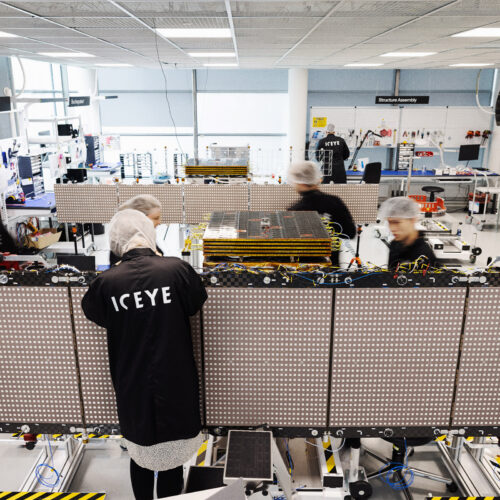
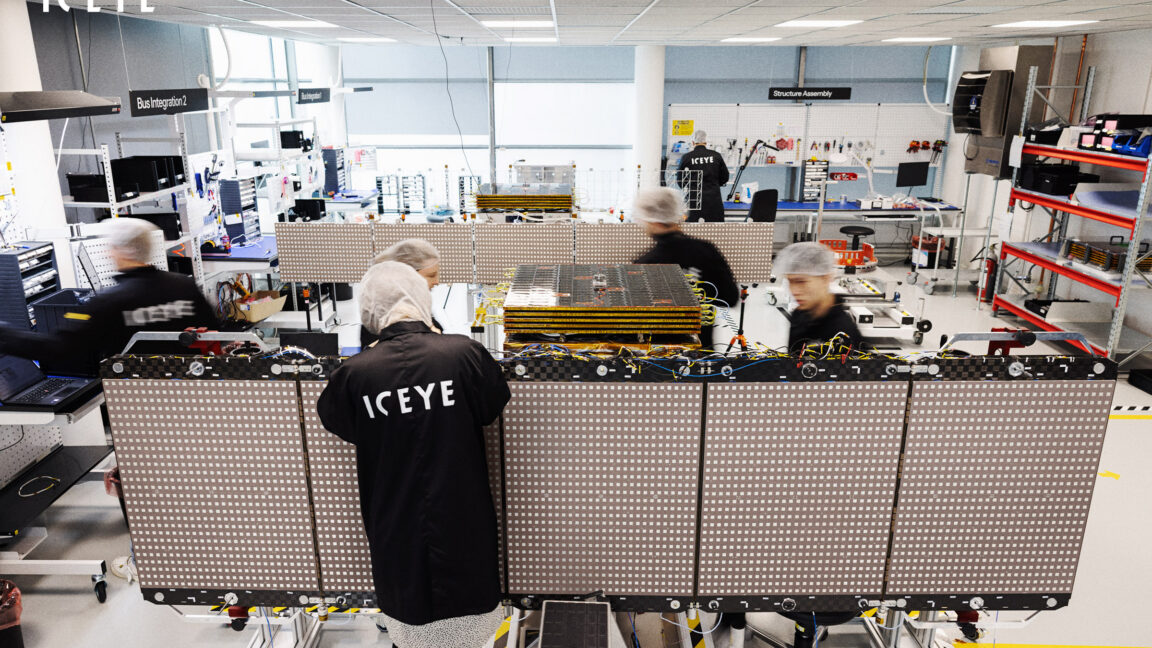
The Russian spacecraft, Kosmos 2612, "conducted a deliberate series of maneuvers toward ICEYE-X36, a US-operated commercial imaging satellite," LeoLabs said. "Kosmos 2612 closed from hundreds of kilometers away to extreme proximity to ICEYE-X36. It then maneuvered around ICEYE-X36, remained nearby for an extended period, and then began moving away."

US military officials and independent analysts have tracked Kosmos 2612 since its April launch on a Soyuz rocket from a spaceport in northern Russia. Within weeks, it became apparent that at least four of the six satellites from that launch were stalking ICEYE-X36 after they adjusted orbits to line up with the orbit of the ICEYE spacecraft.
Read full article

Comments

Β© ICEYE

  •  

Batteries help reduce emissions, but how do we reduce their emissions?

The first order of business for the energy transition is electrifying applications like vehicles and heating and making sure that the electricity that powers them is made using renewables. But once the dominant slices of the emissions pie have shrunk, other categories with less potential to reduce emissions become important.

A new study led by Haiwei Zhou at the University of Melbourne focused on the emissions associated with making lithium-ion batteries, which many parts of the energy transition rely on. Those emissions aren’t zero, so as we use more and more batteries, that number will grow. Right now, the researchers estimate that these emissions only account for 0.18 percent of annual greenhouse gas releases, but they could increase by a factor of 10 or more by 2050.

Avoiding production

There are a number of ways to reduce the emissions required to make a battery. Some elements used in various lithium-ion battery chemistries are more energy-intensive to mine and refine than others. The battery manufacturing process involves many steps that could be made more energy-efficient. And then there’s recycling, which can put battery materials back into the loop while requiring much less energy than mining.

Read full article

Comments

Β© Oleg Nikishin

  •  

Startup taps underwater volcano as energy source in "proof point" test

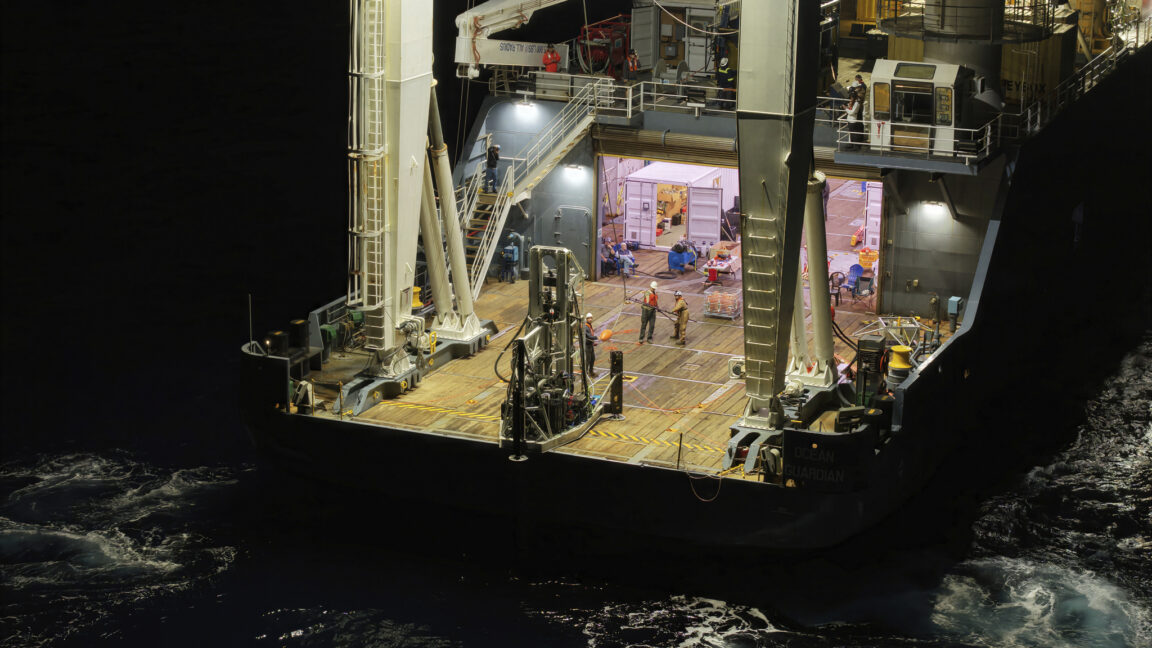
The world’s first demonstration of a subsea geothermal power plant has taken place near an active underwater volcano almost a mile below the ocean surface. It generated less than 10 seconds of net-positive electricity but showed the technical feasibility of tapping another form of renewable energy underwater.

The three-week test deployment of the 3-ton prototype power plant took place at the Axial Seamount in the northeast Pacific Ocean in September. Endurance Energy, the Seattle-based startup behind the effort, aims to eventually commercialize subsea geothermal power for Pacific island nations and other customers looking for alternatives to importing expensive fossil fuels.

β€œThe deep ocean gives us unlimited cold seawater for cooling, and its weight keeps the system and the well pressurized, so our plants can be compact,” said Andrew Redd, founder and CEO of Endurance Energy, in an email to Ars.

Read full article

Comments

Β© Endurance Energy

  •  

A Chinese rocket deorbited over Minnesota and left this in a farmer's cornfield

About a month ago, a Chinese rocket took off from a remote spaceport in the Gobi Desert, released 10 satellites into orbit, then reignited its engine and put itself on a trajectory to rain down debris over the American Midwest.

The rocket's flight on September 15 lasted between 75 and 80 minutes, and it came down without completing a full orbit of the Earth. Social media posts at the time showed streaks of fiery debris falling from the sky, heading north over Kansas toward Minnesota. The overnight spectacle was also visible on the western horizon from Wisconsin.

The exact time, location, and direction of the debris allowed experts to connect it to the launch of a Zhuque-2E rocket, a medium-lift vehicle built by a Chinese company called LandSpace. The rocket had launched from Dongfeng, a commercial launch zone co-located with the military-run Jiuquan Satellite Launch Center in northwestern China, less than two hours before.

Read full article

Comments

Β© Stevens County Sheriff's Office

  •  
❌