❌

Reading view

Big Oil asks Supreme Court to kill climate lawsuits before trial

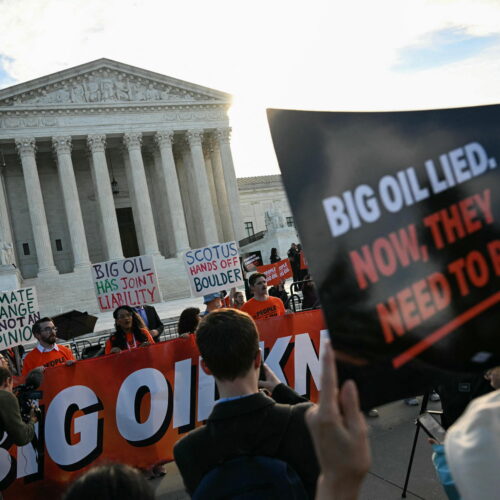
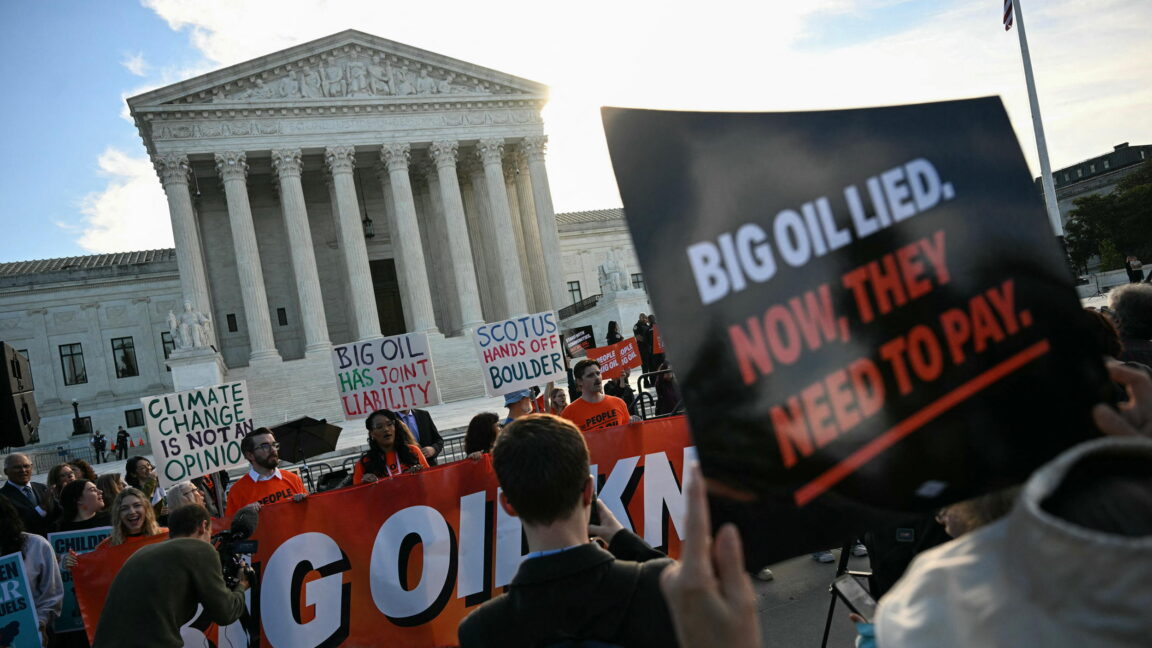
The US Supreme Court heard arguments from oil companies on Monday that could help decide the fate of more than two dozen lawsuits accusing the industry of deceiving the public about climate change. The claims seek potentially billions of dollars in damages to help pay the costs imposed by climate-related extreme weather.

Yet the questions before the court did not focus on the merits of these claims but instead on technical legal matters over whether they should proceed at all.

The case being argued was brought in 2018 by the city and county of Boulder against ExxonMobil and Suncor Energy in Colorado state court. While the case and dozens like it have survived multiple appeals in state and federal courts, the oil companies are asking the Supreme Court to declare that federal law preempts state and local governments from bringing such claims.
Read full article

Comments

© Jim Watson/AFP via Getty Images
  •  

AI glasses face their first major government crackdown

Norway has become the first major country to propose a temporary ban on the use of AI glasses in selected public places amid growing privacy concerns over wearable technology.

The rich Scandinavian country’s center-left government said on Monday that it would introduce a law to parliament soon on a temporary ban for places such as parks, beaches, schools, and kindergartens. It will also set up an expert group to propose permanent national rules.

“I am concerned about the introduction of powerful new technology where people risk being photographed, filmed, or recorded without their knowledge,” said Torgeir Micaelsen, Norway’s digitalization minister. A temporary ban “will give us time to conduct a thorough assessment and hold an informed debate that can lay the foundation for permanent regulation,” he said.

Read full article

Comments

© Meta

  •  

All hail electrification. But let’s talk about the hard part.

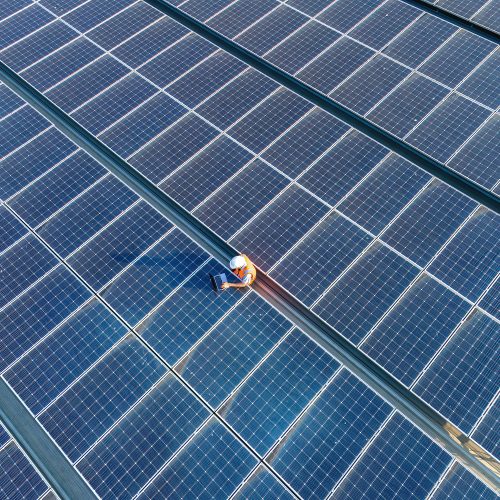
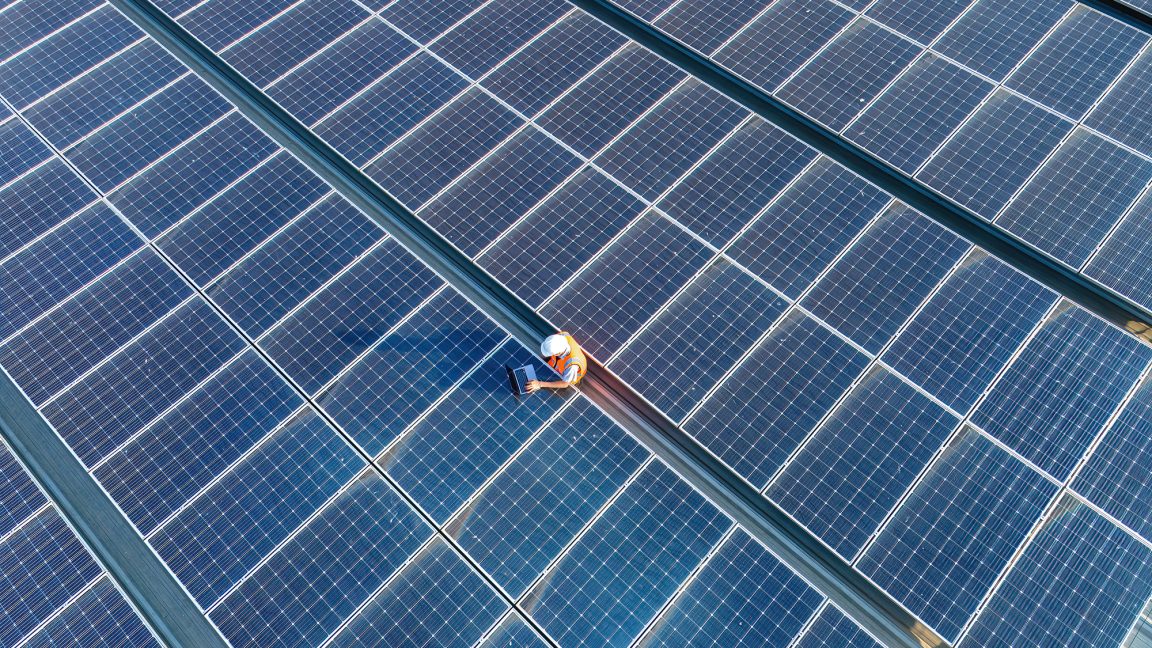
If one form of energy becomes the cheapest, most secure, and cleanest, you’d probably adjust your economy to use more of it, right?

That’s one of the ideas underpinning a report the International Energy Agency issued last week about the global move toward electrification. Fatih Birol, head of the IEA, discussed some of the concepts from the report the following day at the United Nations.

“Many, many years in the energy world, we had three choices in front of us. Shall I choose the most secure energy option? Shall I choose the most economic energy option? Or shall I choose the cleanest energy option?” he asked. “We have to make choices, we have to make trade-offs but when we look at the world today, for the first time in years, all of these three objectives are getting aligned.”

Read full article

Comments

© Vithun Khamsong

  •  

The dawn of the age of the exoskeleton

This year, members of Seattle Mountain Rescue have been setting off into the wilds of the US Pacific Northwest wearing an unusual piece of kit.

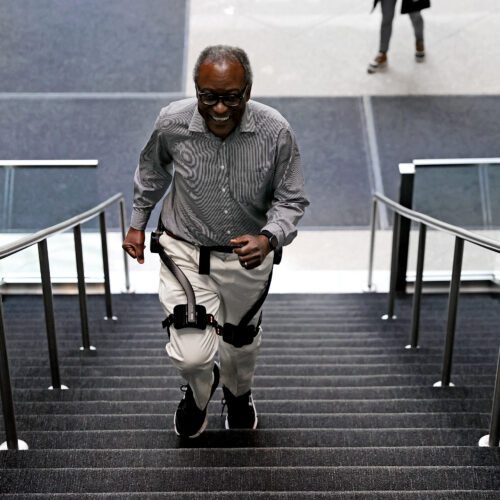
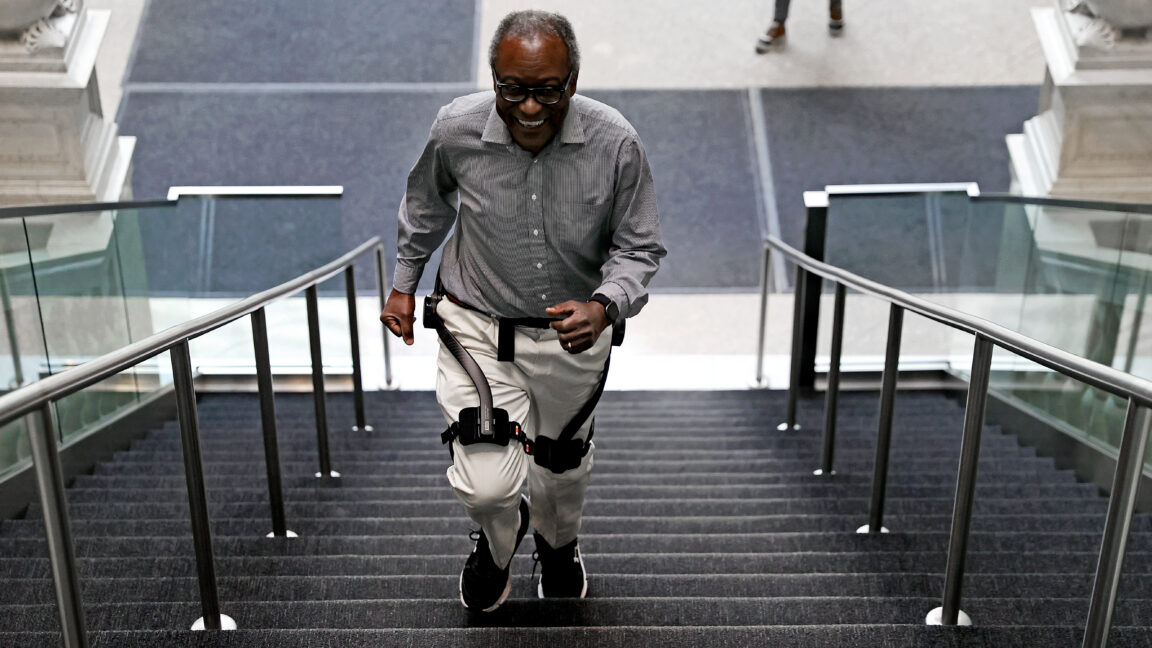
They’ve been hiking into the wilderness with powered assistive devices attached to their hips and legs. Designed to increase lower-body strength when climbing or carrying heavy loads, these pieces of equipment are being tested to see if they can boost rescuers’ speed and endurance when it matters most—during searches for stranded people.

Devices like these are called human exoskeletons. They attach to parts of the body to create an external—or “exo”—mechanical structure. This powered frame enhances the wearer’s physical capabilities.

Read full article

Comments

© David L. Ryan/The Boston Globe via Getty Images

  •  
❌